Forecaster brings blue sky thinking to wind farm tech
Guest/partner contributor
Posted on: 4 December 2024
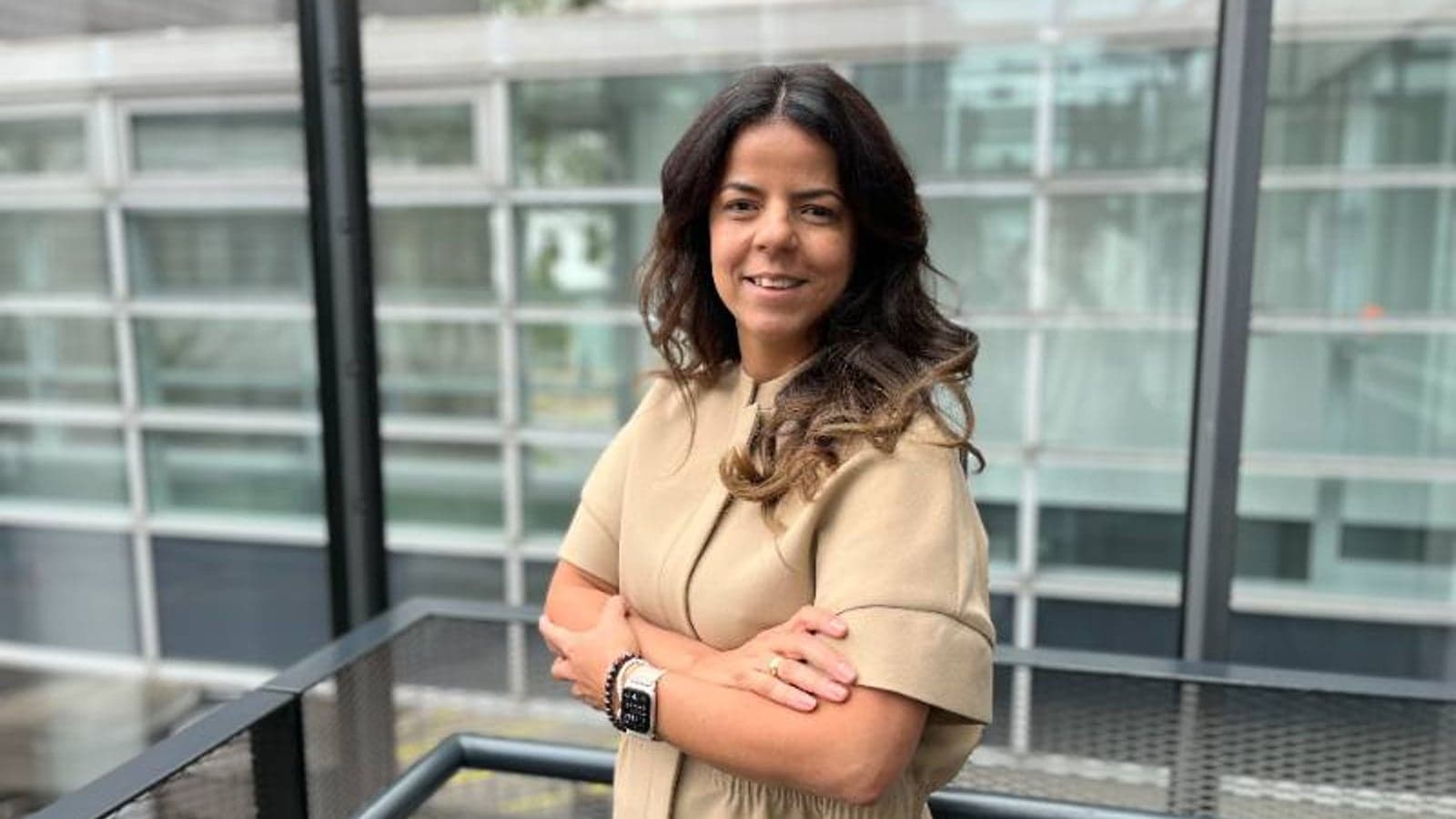
As a child, Nekane Martinez Vadillo dreamt of becoming an astronaut. Instead, she has developed one of the most precise weather and marine forecasting apps for Siemens Gamesa.
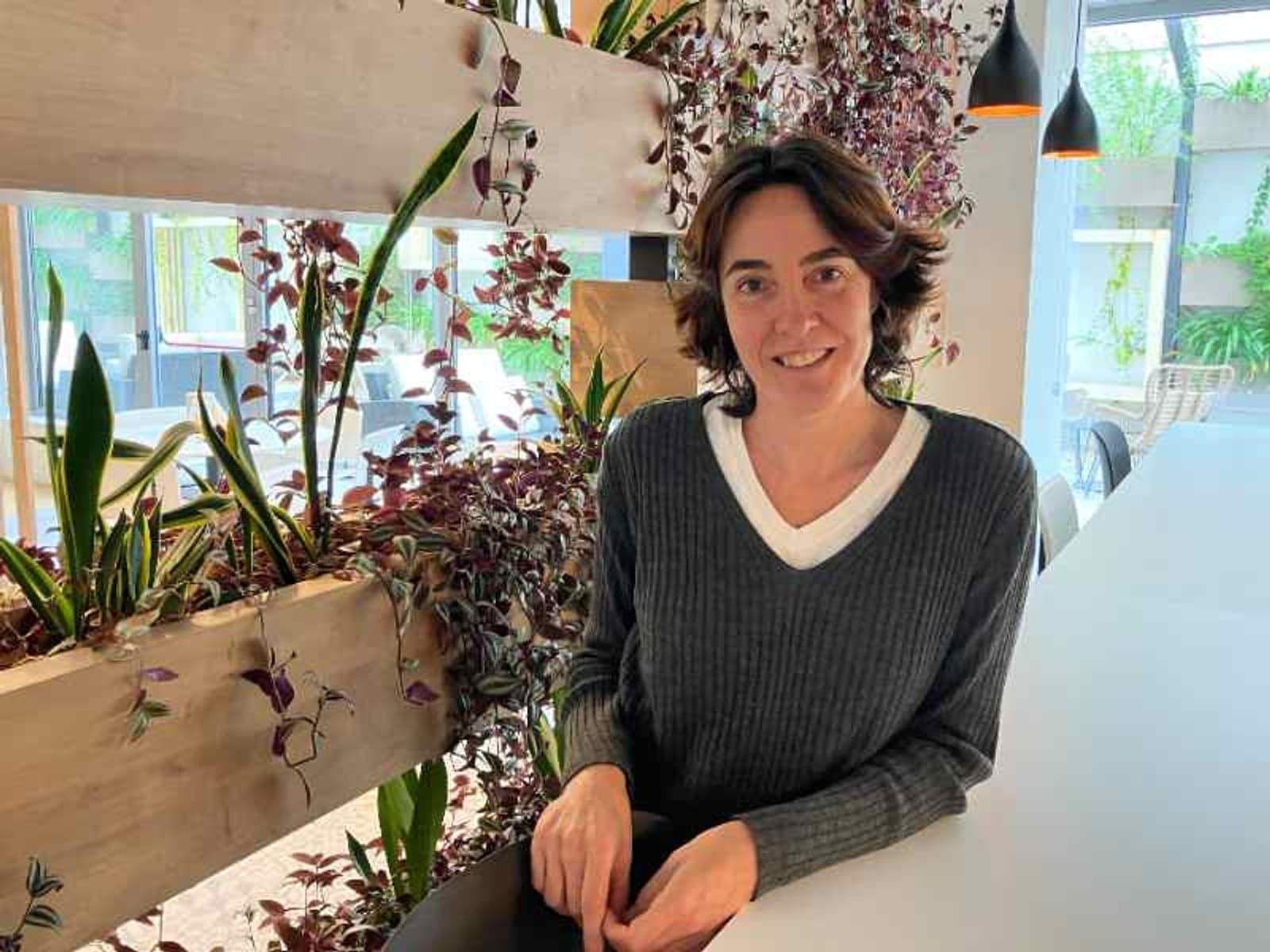
As a child, Nekane Martinez Vadillo dreamt of becoming an astronaut. Instead, she has developed one of the most precise weather and marine forecasting apps for Siemens Gamesa.
When Nekane steps into her Madrid office in the early hours, her digital assistants – smart, ever-learning models – are already busy predicting the next weather shifts. For this seasoned physicist, tracking unpredictable skies is more than just work: it’s a calling that blends passion and precision.
In her search for answers, Nekane has always been driven by a need to understand. “As a child, my favourite question was ‘why’?” she recalls. That endless curiosity is what led physics to weave its way into her life and career.
As a young student diving into atmospheric, terrestrial, and cosmic physics, she dreamed of specialising in astrophysics – of someday reaching the stars. A part of her still clings to that astronaut dream. But life had other plans – at least for now.
This article is part of the Energy Workforce in Transition series, brought to you by Siemens Energy and Power Engineering International.
Follow this series to meet the Future Energy Shapers of the energy transition.
The call of the air and earth
The turning point came during a glider flight training she decided to try. She lights up remembering it: “That flight was my first heavy physical encounter with meteorology.”
Sitting alongside her instructor, Nekane expected a calm, quiet glide through the sky. But suddenly, they were hit by intense turbulence. Thrown around, her head pressed against the ceiling, she recalls: “I felt the sheer power of weather with every sense. It was a shock – a powerful experience that left a lasting mark.”
Back at university, she was hooked, choosing meteorology as her focus. “Weather is like hands-on physics happening all around us. It doesn’t get more tangible or vivid than that.”
Other future energy shapers:
Cynthia Wirth: Meet the woman who sees the energy transition in 3D
Tobias Greitemeier: How hydrogen took a trainee to the future of energy
Capturing the force of nature
Building on her early experiences, these days Nekane’s work is all about enabling precise meteorological forecasts to channel the immense force of wind and sun into clean electrical energy, while also shielding people and technology from severe weather.
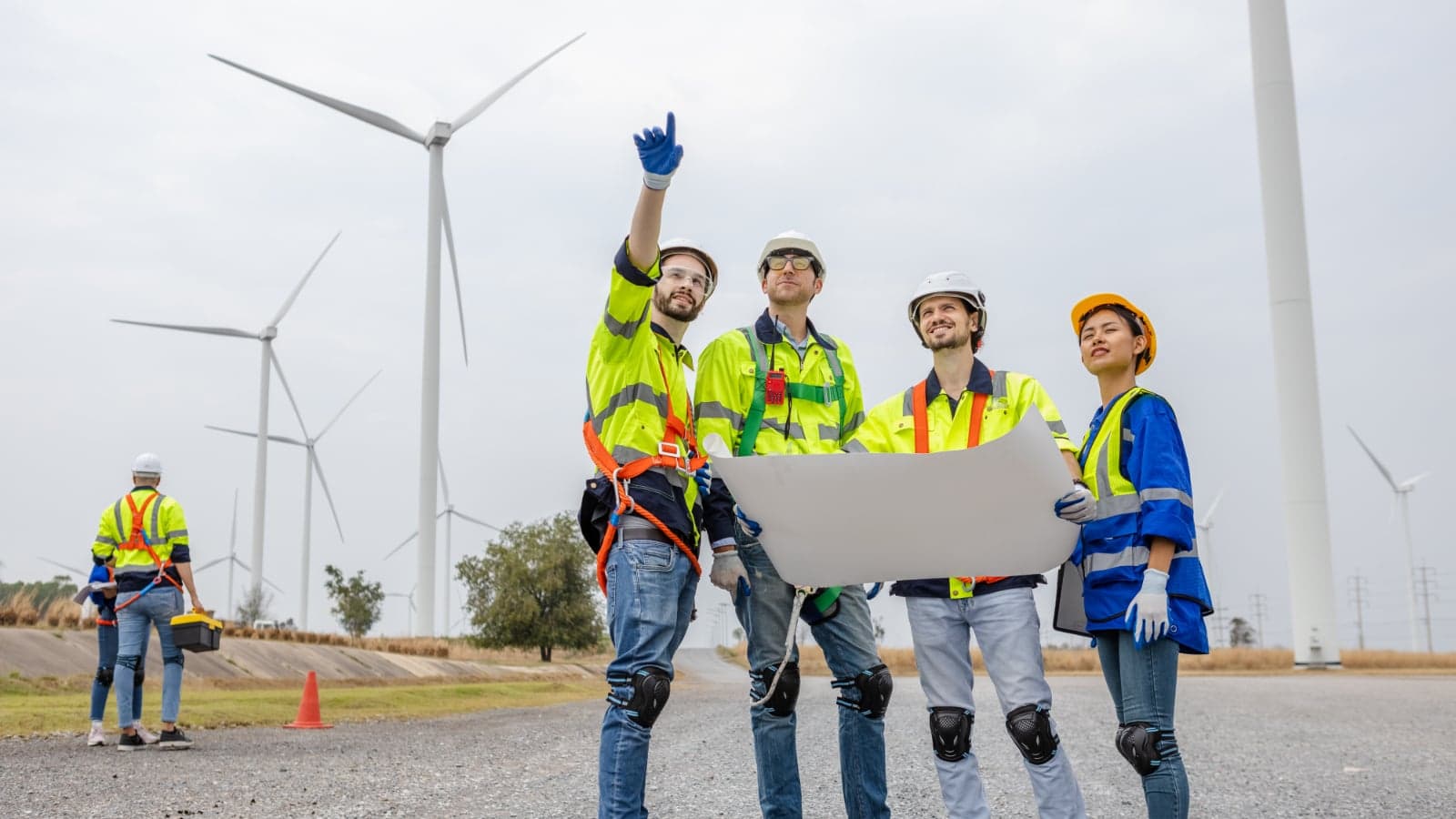
From heavy rains and typhoons to storms and hail, the team’s goal is to keep both technicians and equipment safe – especially as extreme weather events rise in many regions.
As a PhD student, Nekane and a few colleagues conducted a feasibility study commissioned by Gamesa to assess the potential benefits of implementing weather and power output forecasting models in the renewable energy sector.
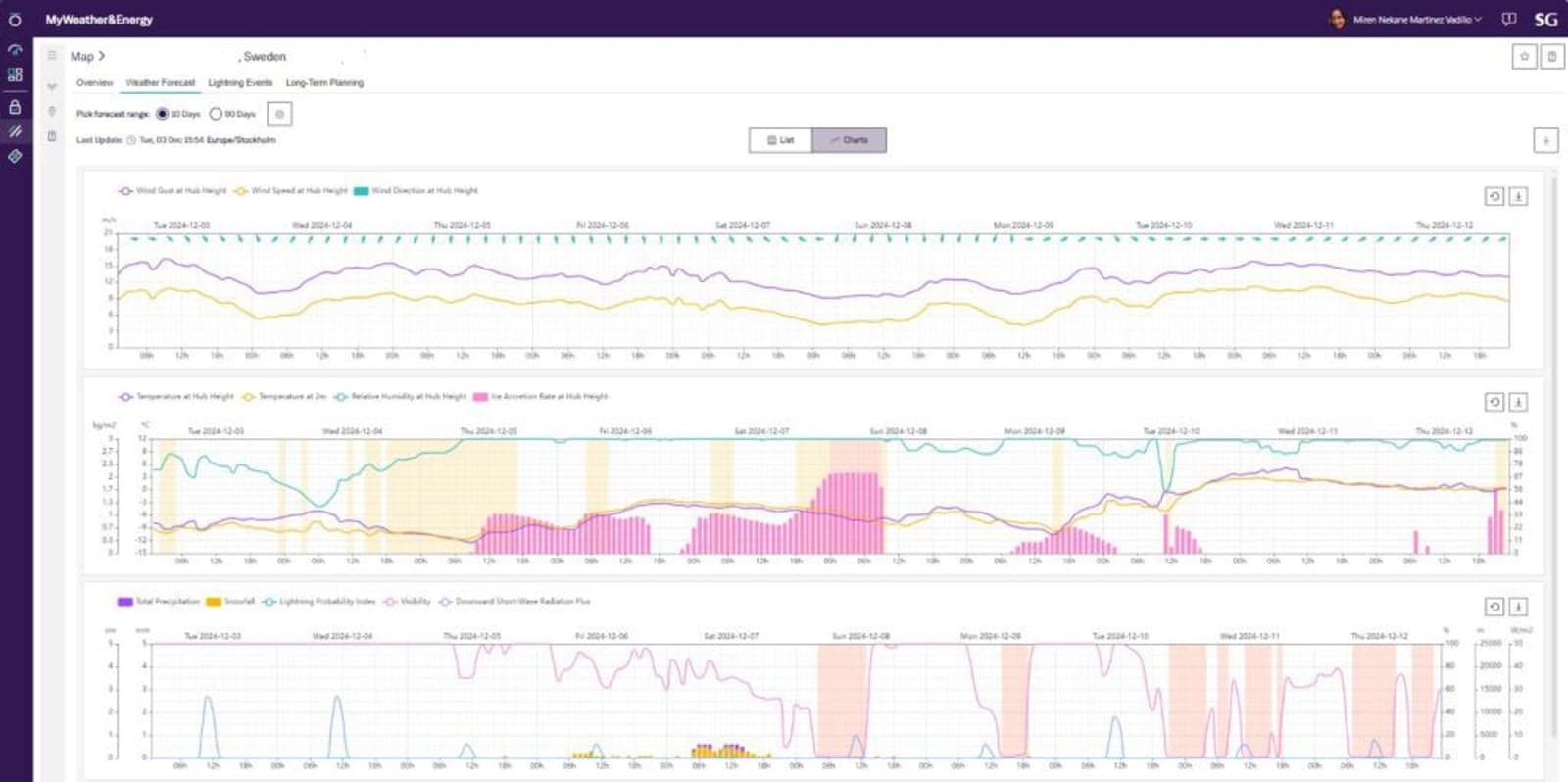
Convinced of the benefits, the company hired the entire team to further develop it. Twenty years later, Siemens Gamesa relies on a deep, rich database, with Nekane’s finely-tuned app delivering fast, accurate and automated short, medium and long-term weather forecasts: MyWeather&Energy.
Machine learning
“Our top priority is protecting people and assets,” Nekane explains. For her, this means, first and foremost, keeping service technicians safe as they are responsible for the operational maintenance of wind turbines.
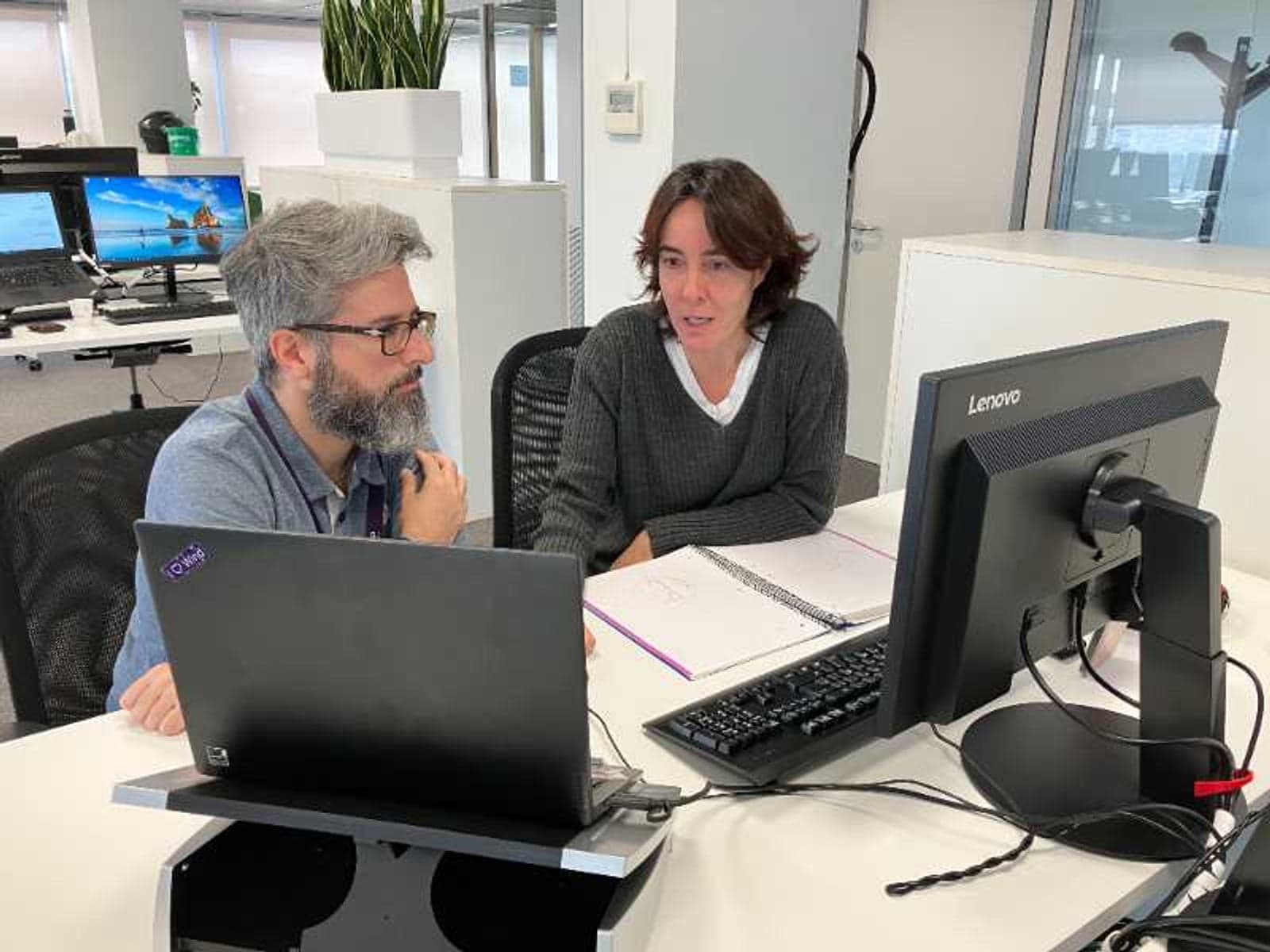
The app helps these teams plan out their work more smoothly, for example, by finding the optimal weather windows for maintenance stops.
At the core of this tech is powerful digital data models – numerical weather models and machine learning algorithms to deliver pinpoint forecasts and instant warnings and alerts. Now, Siemens Gamesa plans to enhance the app with an AI chatbot to make it even easier to use.
Combined with sensors on the turbines measuring everything from temperature to wind speeds, the software can even forecast power output. This lets wind turbines operate as efficiently and reliably as possible. Offshore turbines benefit particularly from marine forecasts, which help reduce maintenance and risk costs.
Accurate weather forecasts also help ease the load on power distribution grids by enabling more controlled and predictable integration of volatile wind energy – an advantage that supports the energy transition.
Since the summer of 2024, Weather and Energy Forecasting is also ready for external customers like wind farm owners, subcontractors, or energy trades.
Did you know the areas with the highest lightning activity are the central USA, southern Brazil, and Indonesia? Over 210 strikes per square kilometre are monitored each year! The Thunderstorm Alert System helps keep technicians safe by sending timely warnings and notifications when a thunderstorm is approaching, allowing them to take the necessary precautions.
Today, more than 20 experts work in the team – meteorologists, data scientists, engineers, software developers, mathematicians, physicists, and geographers.
“We’re an enabler for Siemens Gamesa and the entire renewable energy sector,” she says. Growing up in a family focused on economics, no one expected her to become a physicist. But she’s proved them wrong – she’s not only made a career but is helping shape the future of energy.
Protecting the planet in work and life
Though the cosmos still fascinates her, Nekane is glad to be here, contributing on Earth. “I’m grateful I didn’t end up an astronaut out there, but that I can help down here.” Working for a renewable energy company, surrounded by teams who share her passion for data and climate protection, is something she values deeply.
Her commitment to environmental and climate protection shows in small ways, too. To minimise her impact, she’s chosen a 1.5-hour public commute over a 30-minute car drive. She wants her three teenagers to understand that, too.
“Stand by your passions,” she says. “It’s not about what you studied – it’s about finding joy in what you do. Choose a career that makes you happy, and that’s where you’ll make your biggest impact.”
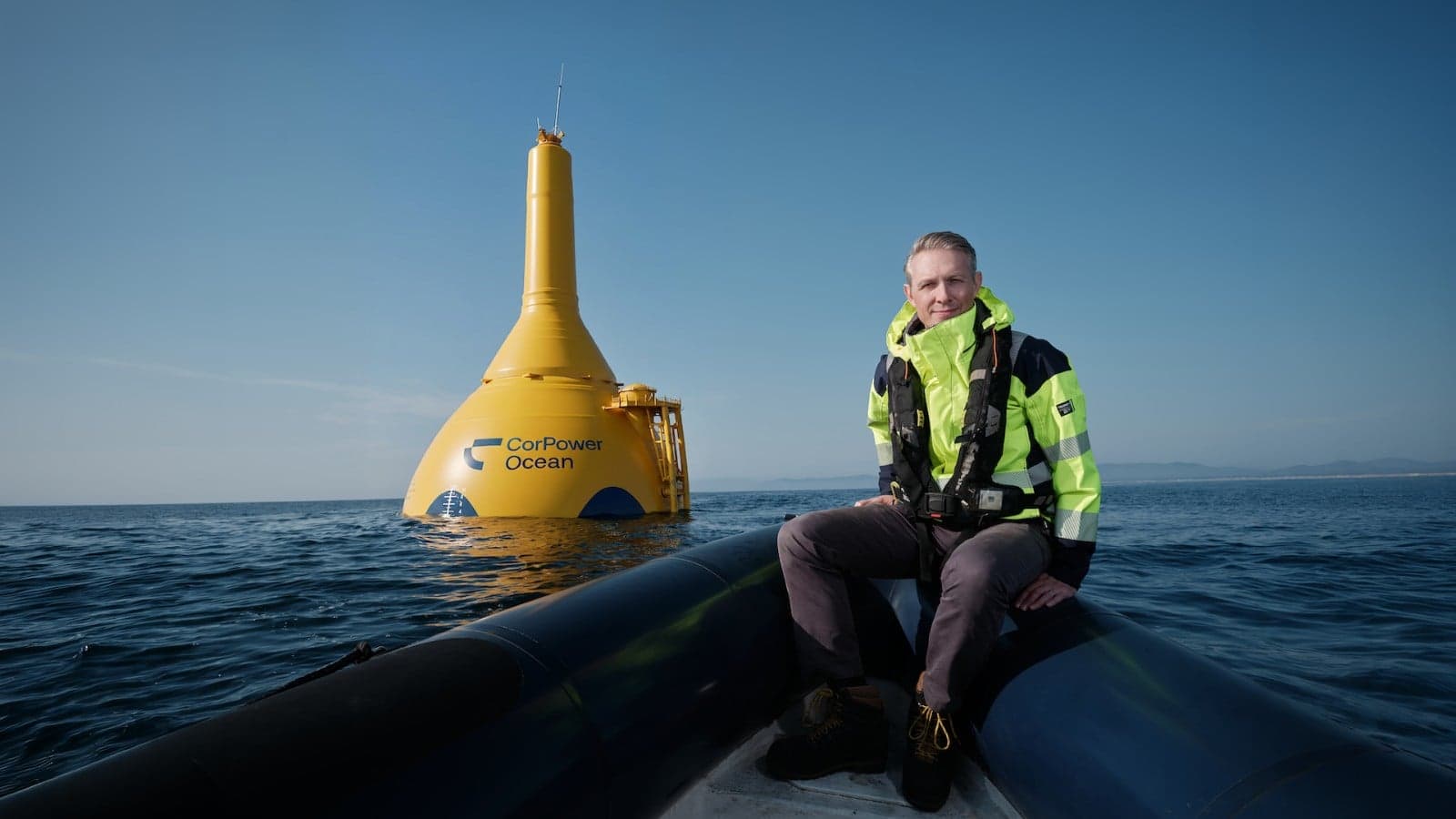
Did you know that weather and marine forecasts help to carefully plan maintenance activities for offshore wind farms, ensuring that operations are carried out in the safest possible conditions. Marine forecasts are essential to ensure safe passage to and from the wind farms. Meteorological forecasts are essential for technicians to carry out their work safely and effectively.
For offshore wind turbine maintenance, two types of vessels are typically used to transport technicians to and from wind farms, depending on the distance from port: Crew Transfer Vessels (CTVs) and Service Operating Vessels (SOVs).
CTVs are small, fast boats that take technicians to the turbines to work and back to shore each day. These vessels are ideal for wind farms located within 1.5 to 2 hours travel time from port. SOVs are like floating 'hotels' where technicians live on board during their shifts, returning to port only for refueling and crew changes. Teams work in 2-week shifts: 2 weeks on board, followed by 2 weeks at home.
Other Future Energy Shapers:
Andre Willmann: The craftsman who carved a career in gas turbines
‘I am a translator between worlds’ says Mr Fix-It of innovation and AI
Veronika deSantis: How an electrical engineer lights up the world of robotics