Fusion energy expected in early 2030s indicates survey
Jonathan Spencer Jones
Posted on: 28 July 2025
-
Consensus is building that fusion should start delivering power to the grid in the period 2030-2035, the Fusion Industry Association’s global update indicates.
The wide ranging review based on survey input from 53 private companies around the world finds that over half of the companies anticipate that they will deliver power to the grid in the early 2030s and over three-quarters by the end of that decade.
Just three companies anticipate an earlier date, with several demonstration machines expected before 2030, while one anticipates only after 2045.
This maintains the finding from 2024, with the similar clustering from the then smaller number of 45 companies surveyed and suggests the advancements made over the past year continue to project towards the 2030-2035 timeframe.
Have you read?
Investment trends show confidence in fusion is rising says FIA
Energy Transitions Podcast: Why fusion energy is the ‘vaccine of climate change’
However, taken as a whole, while most respondents think the first fusion plant will deliver electricity to the grid within this period, a growing number – 14 compared with seven last year – think this will rather occur in the second half of the decade.
Looking ahead the main challenge up to 2030 continues to be achieving high enough gain in fusion power, closely followed by funding and then tritium self-sufficiency.
Tritium self-sufficiency also continues to top the list of challenges post 2030, with neutron resilient materials and full lifecycle issues including maintenance, decommissioning and recycling also top ranked.
That funding is ranked so highly is notable, given the headline finding of the report that funding was significantly up over the past year, but nevertheless reflects the significant level of funding still required for companies to bring the first plants online – very variable by company but with a median around $700 million.
The pulse duration, previously the second highest challenge up to 2030, appears to be now not regarded as such an issue, having dropped in the ranking, while fusion power efficiency previously considered as a top challenge post 2030 also has dropped down.
Newcomers to fusion
The 2025 report highlights four newcomers to fusion in 2024.
Anubal Fusion based in Hyderabad, India is pursuing inertial confinement for a 200MWe facility, with plans for an interim plant within three years and a pilot plant by 2030.
GenF, a Thales company based in Elancourt, France, was established to lead the Taranis inertial confinement development targeting a pilot plant ca 2040 towards a 1,000MWe commercial facility.
Maritime Fusion out of San Francisco is developing a tokamak to power marine vessels – the only company focussing on this market – with a pilot ca 2032 towards a 25-70MWe commercial unit.
Pranos Fusion, another Indian startup based in Bangalore, is focussed on magnetic confinement for modular 50MWe spherical tokamak reactors, with a pilot plant ca 2030.
Frontrunners
The report highlights three companies having had over $1 billion in investment, all US-based, that are obvious frontrunners and with the race very much on to be first to demonstrate the ability to produce electricity from fusion – Commonwealth Fusion Systems actually with over $2 billion, TAE Technologies and following a significant investment in the past year Helion Energy.
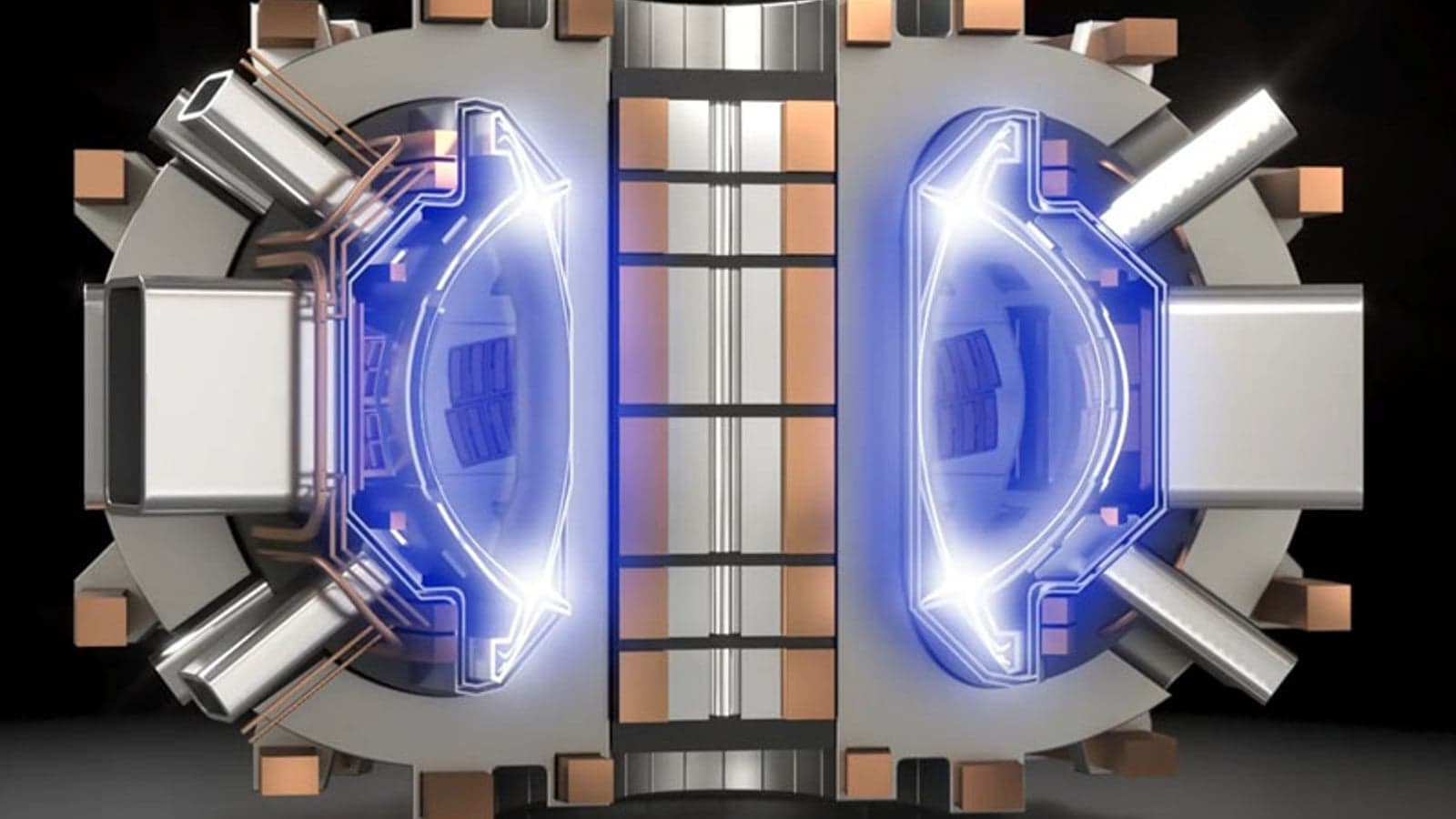
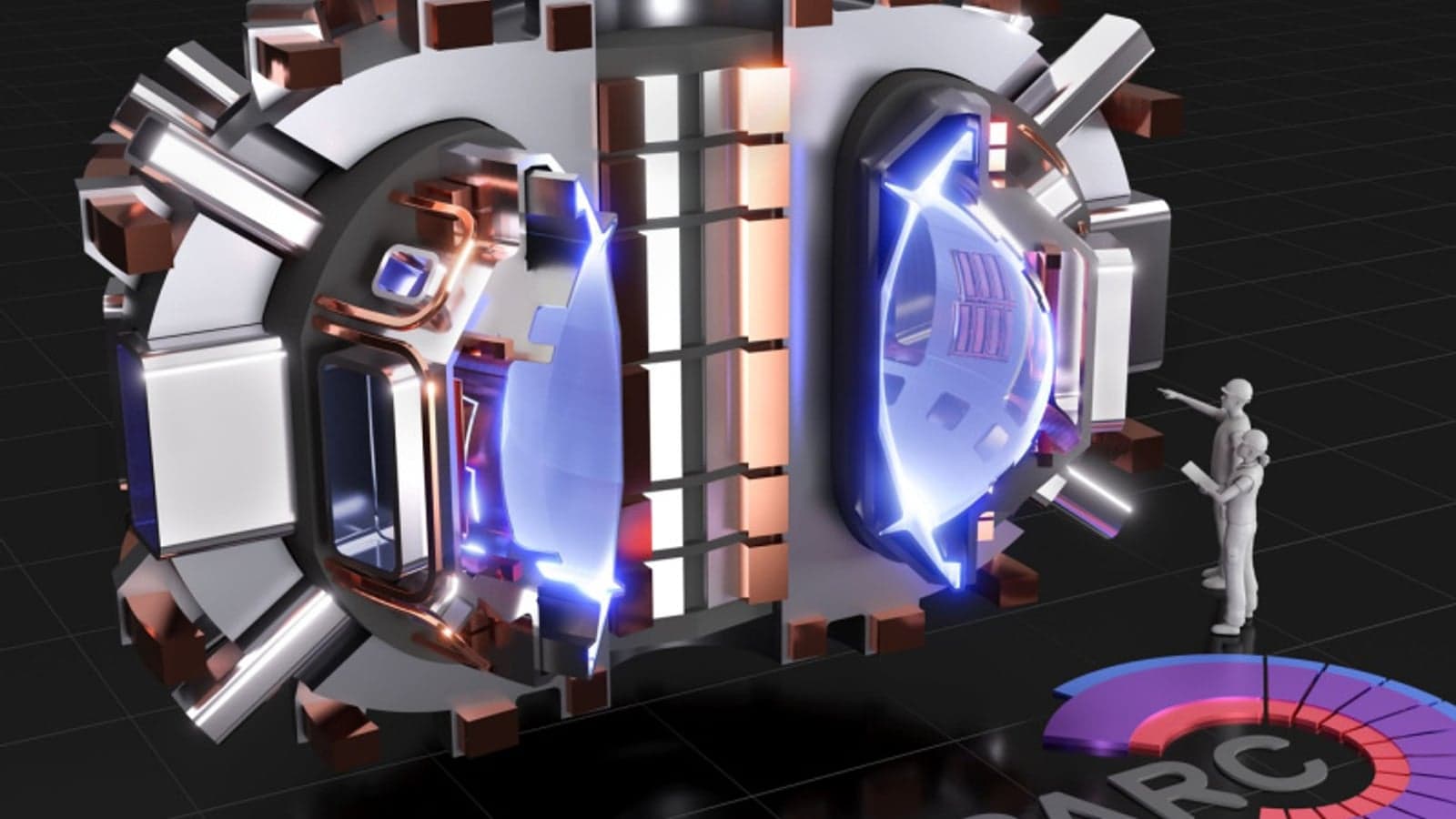
Commonwealth Fusion Systems, based in Devens, Massachusetts, has begun assembling its demonstration SPARC magnetic confinement tokamak expected to achieve net fusion energy (Q>1) in 2027. The company also has concluded a 200MW PPA with Google from its the first grid-scale ARC plant due in the early 2030s.
TAE Technologies in Irvine, California is advancing magnetic confinement with field reversed configuration with its Copernicus plant due to demonstrate proof-of-concept before 2030 and Da Vinci pilot plant due in the early 2030s.
Helion Energy in Everett, Washington is developing magneto-inertial fusion, with initial operations begun on its Polaris machine expected to demonstrate the ability to produce electricity from fusion by 2028. An at least 50MWe PPA from its first power plant has been signed with Microsoft.
Other front runners suggested from the information supplied are those with pilot plants or other main achievements expected in the years ahead up to 2030.
Bristol, UK-based Astral Systems, is advancing multi-state fusion for medical, component qualification and other R&D with a fusion-fission proof-of-concept planned for 2027.
Electric Fusion Systems in Broomfield, California is developing a scalable aneutronic fusion power generator with a pilot expected in 2026 towards commercial scale of 5-100kWe.
General Fusion in Richmond, Canada is currently operating a large-scale magnetised target
fusion demonstration machine, LM26, with positive early results, in preparation for a full scale engineering breakeven plant, then a first-of-a-kind power plant to produce electricity by the early to mid-2030s.
LPP Fusion in Middlesex, New Jersey is using techniques based on the dense plasma focus device to target a 2029 pilot plant.
Shine Technologies in Janesville, Wisconsin is industrialising fusion applications with the plan to start medical isotope production in 2026, followed by nuclear waste recycling ca 2032 and energy generation ca 2040.
Startorus Fusion in Xi’an in China’s Shaanxi province is developing compact magnetic confinement reactors up to 100MWe, with a pilot plant expected ca 2028.