Funding and technology boost for fusion energy
Jonathan Spencer Jones
Posted on: 29 August 2025
A major fundraise by Commonwealth Fusion Systems and emergence of new startup Inertia Enterprises is giving a significant boost to the prospect of fusion energy.
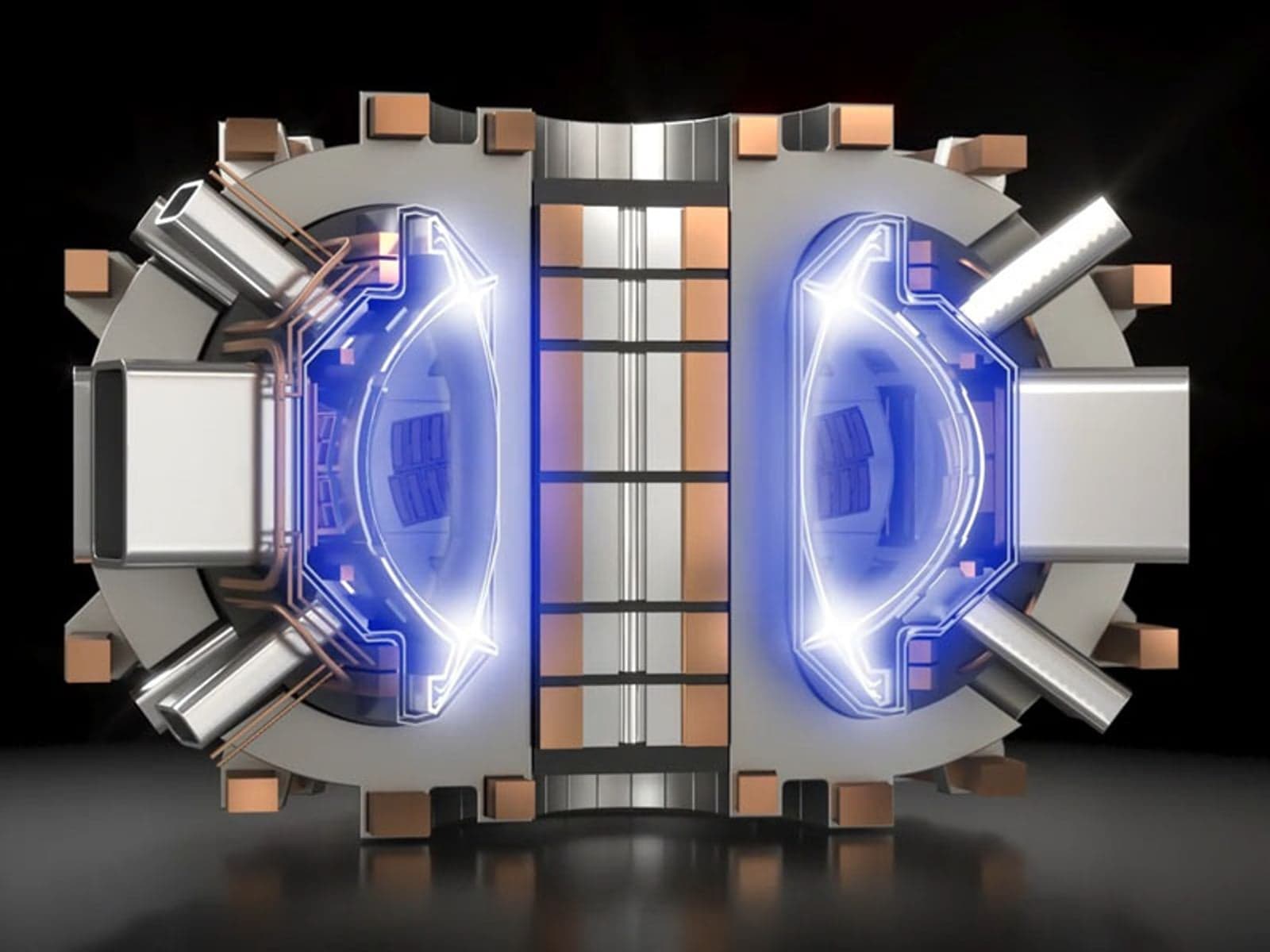
A major fundraise by Commonwealth Fusion Systems and emergence of new startup Inertia Enterprises is giving a significant boost to the prospect of fusion energy.
In its latest fundraise, Devens, Massachusetts based Commonwealth Fusion Systems has announced $863 million in an oversubscribed series B2 funding.
The funding is significant on several counts. It is believed to be among the largest amounts raised among deep tech and energy companies since the company’s $1.8 billion series B round in 2021.
It elevates the total funding raised by the company to over $2.9 billion, far ahead of the next highest, TAE Technologies with $1.3 billion, and accounts for almost 30% of the total private investment into fusion globally.
Have you read?
Fusion energy expected in early 2030s indicates survey
Energy Transitions podcast: AI, robots and the future of nuclear decommissioning
It also includes an expanding global footprint of financial and industrial investors, including a consortium of 12 Japanese companies – among them Mitsubishi – who join current investors including Breakthrough Energy and Google.
“Investors recognise that CFS is making fusion power a reality. They see that we are executing and delivering on our objectives,” said Bob Mumgaard, CEO and co-founder.
“This funding recognises CFS’ leadership role in developing a new technology that promises to be a reliable source of clean, almost limitless energy – and will enable investors to have the opportunity to capitalise on the birth of a new global industry.”
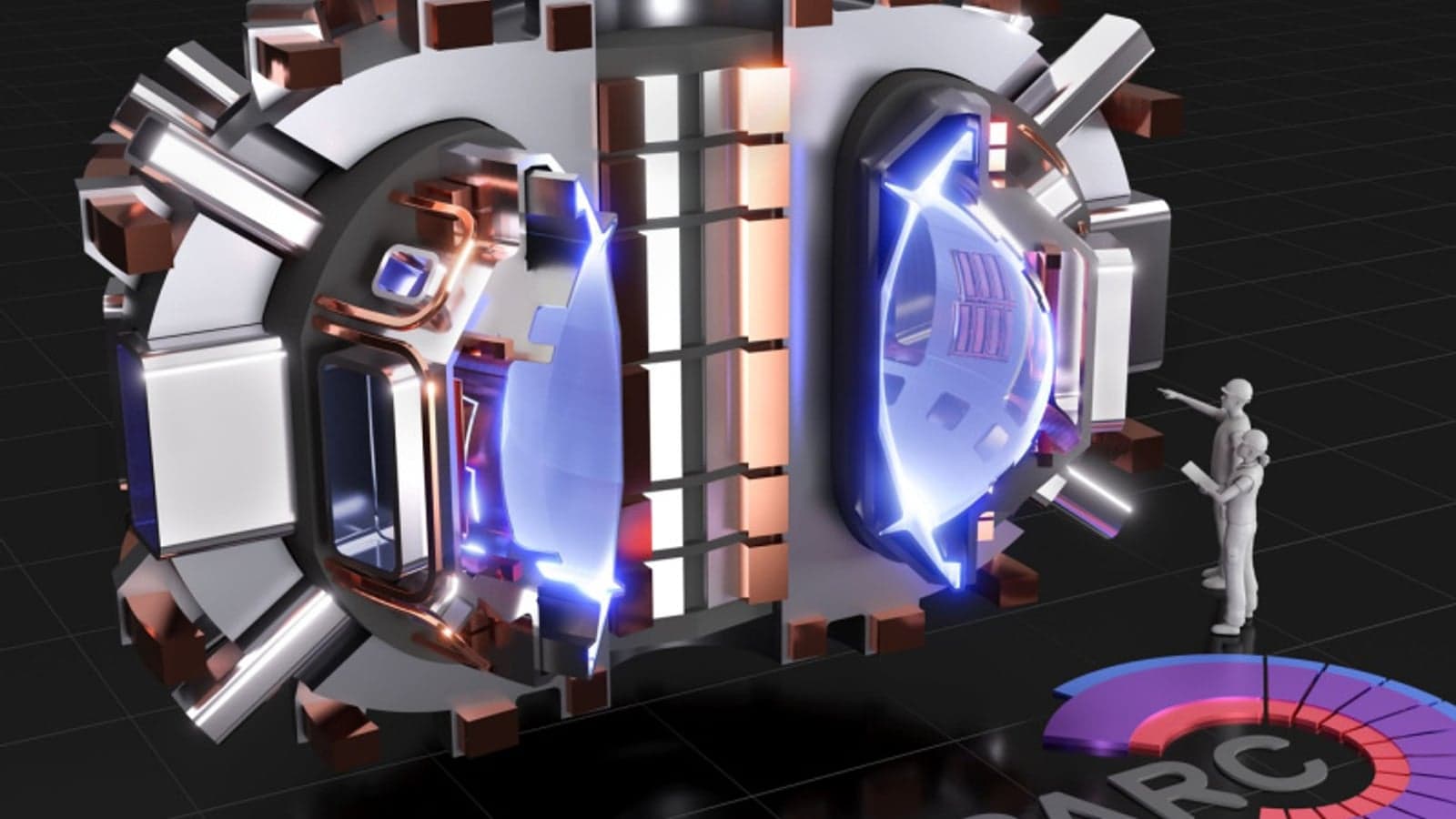
Commonwealth Fusion intends to use the funds to complete its demonstration machine, SPARC, at its headquarters and to progress development work on its first ARC grid-scale power plant to be sited in Chesterfield County, Virginia.
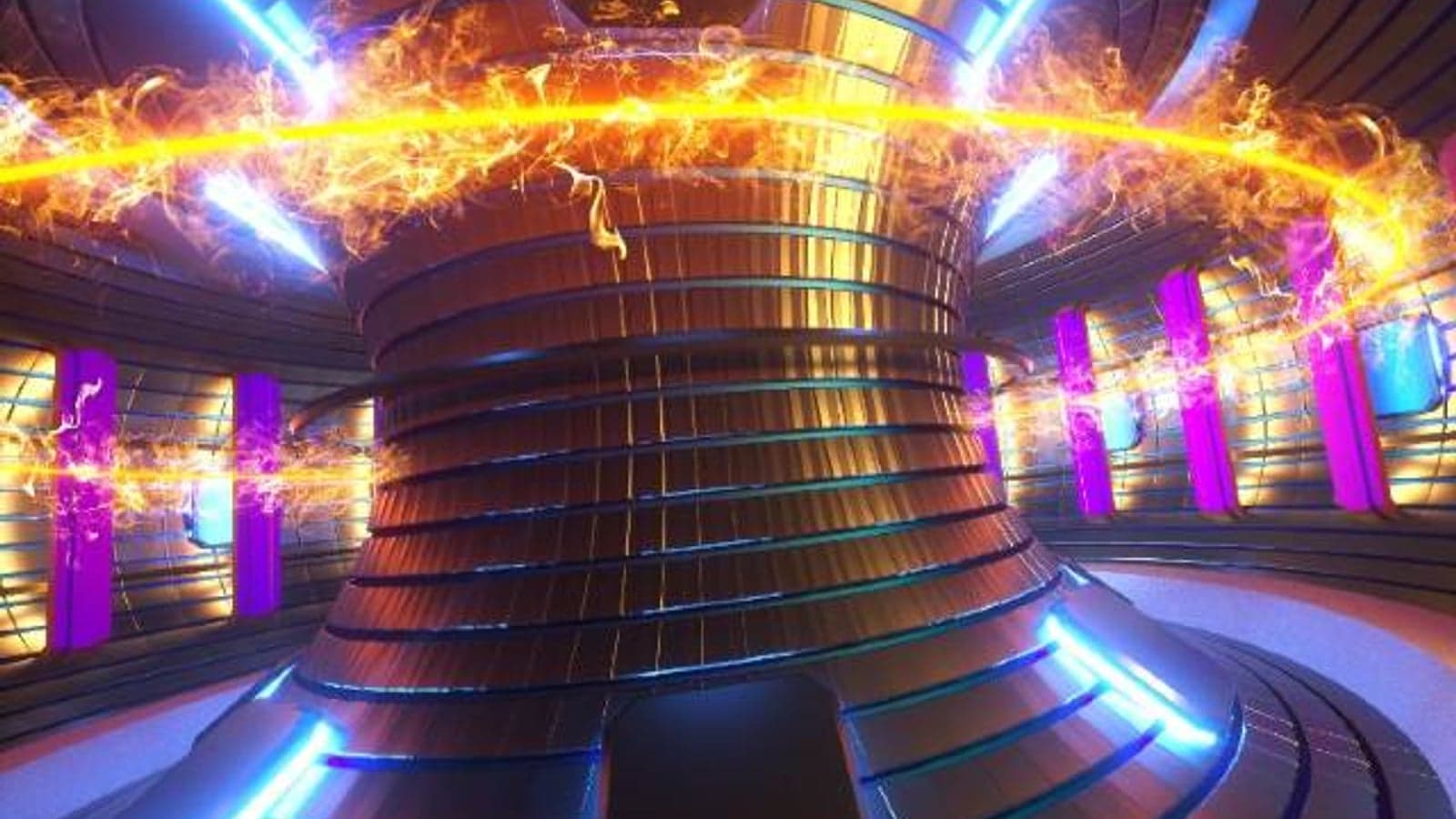
SPARC is a magnetic confinement tokamak expected to achieve net fusion energy (Q>1) in 2027.
The ARC plant is planned to come online in the early 2030s in partnership with Dominion Energy and is subject to a 200MW PPA with Google.
Commonwealth Fusion Systems believes it is developing the most promising path to commercial fusion power in the coming years, as demonstrated by its key advances in high temperature superconducting magnets and its execution velocity in the construction of the SPARC, a statement reads.
Enter Inertia Enterprises
But there is strong competition from other established developers, among them Helion Energy, which envisages commercial operation from its Polaris machine in 2028 in a PPA with Microsoft.
But despite the more than 50 private fusion companies, as well as the various public facilities, new entrants continue, with the startup Inertia Enterprises the latest.
Founded by Andrea Kritcher, lead of design and modelling in the Lawrence Livermore National Laboratory’s (LLNL) fusion programme, Stanford University professor in photon science Mike Dunne and the tech entrepreneur Jeff Lawson, Inertia is set up to commercialise the LLNL’s approach to fusion in what is effectively a private-public collaboration.
“There’s a lot of excitement around various potential pathways to fusion right now, but only one approach has delivered energy gain. This result is a monumental step for limitless clean energy,” said Kritcher, who conducted that first controlled fusion experiment to achieve fusion breakeven at the LLNL in December 2022.
“Together we have a clear path to scaling key technologies, tackling remaining challenges and accelerating the commercialisation of these results.”
Inertia is developing a new generation of mass produced, low-cost lasers and fuel targets that leverage the groundbreaking scientific result of fusion ignition.
The company has partnered with LLNL on what is describes as “a substantial and multifaceted relationship, including research agreements", to advance low-cost, mass production target design and fabrication. Nearly 200 patents covering multiple technologies critical to achieve fusion ignition have been licensed.
Inertia considers it is best-positioned to transform the field by combining the proven science from LLNL with innovative technology, leveraging Kritcher’s expertise in fuel target design, Dunne’s leadership in integrated fusion power plant development and laser facility advancement, and Lawson’s two decades of start-up and business acumen.
The plan outlined on the company’s website is to spend the next four years retiring remaining risk areas in laser design, target fabrication techniques and the integrated power plant design.
Then construction will begin on a demonstrator fusion power plant to first achieve facility break-even. This will be followed by 50MW of net energy production with a closed fuel cycle and then with further optimisation of the plant to ramp up to 1.5GW of electricity production.
Related tags
Latest content
+1
DOE to fund $42M inertial fusion hub programme
The hubs will be led by researchers at Colorado State University| the University of Rochester| and Lawrence Livermore National Laboratory| where last year a team successfully achieved fusion ignition for the first time| proving that creating energy from fusion is possible.
- Power Engineering International
- 18/12/2023