Gathering PACE: Europe’s ‘most important fuel cell project’ puts micro-CHP on the map
Kelvin Ross
Posted on: 23 May 2023
€90m PACE Project evolved over 83 months to incentivize market take-up of fuel cell micro-CHP systems.
€90m PACE Project evolved over 83 months to incentivize market take-up of fuel cell micro-CHP systems
A €90 million ($100m) initiative dubbed the ‘most important European fuel cell project ever’ has come to an end.
The PACE Project began in 2016 with the primary objective of proving the business case for using fuel cell micro-CHP systems in homes and businesses.
Now, 83 months later, it has resulted in more than 2500 units installed in 10 countries, resulting in 23 million hours of operation and thousands of installers trained.
And during that time, the project has evolved and adapted to the challenges presented by the Covid pandemic, the spike in energy prices, and the impacts of Russia’s war on Ukraine.
The success stories from the project - and also the remaining challenges ahead - were highlighted at a conference in Brussels held to mark the end of the initiative.
It was attended by representatives from the energy and heating industry, the European Commission and the EU’s Clean Hydrogen Partnership.
The conference provided an opportunity for participants to learn about the achievements of PACE, a public-private project coordinated by COGEN Europe and supported by the EU’s Clean Hydrogen Partnership.
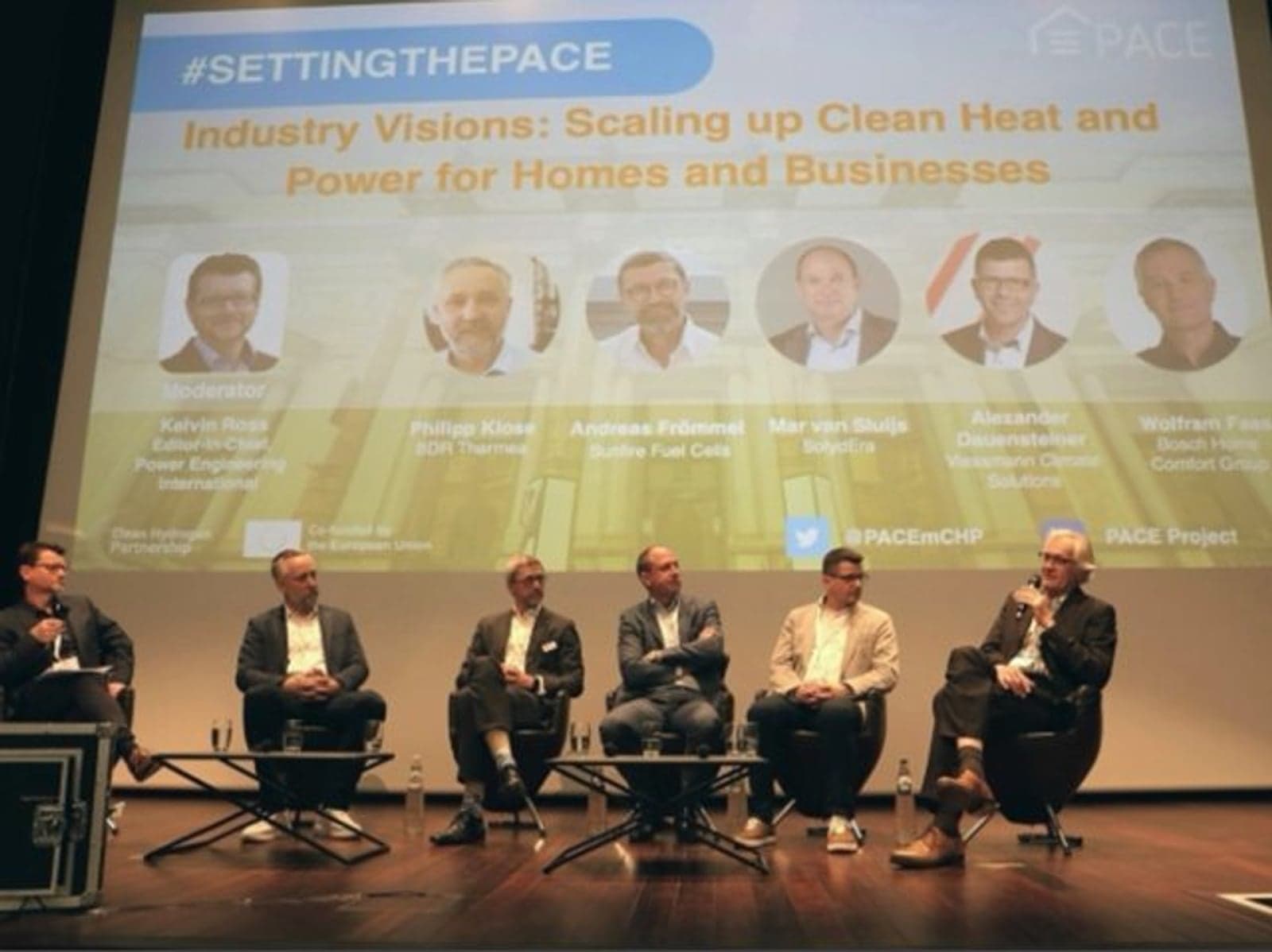
Coordinated by CHP trade association COGEN Europe, PACE brought together five OEMs as manufacturing partners: BDR Thermea, Bosch, SolydEra, Sunfire and Viessmann, plus research partners including Technical University of Denmark and Element Energy.
I moderated a panel discussion with representatives from all five companies, and the all praised the spirit of collaboration that underpinned the project, as well as emphasising that those customers who took part were able to feel engaged and empowered regarding their energy use.
COGEN Europe managing director Hans Korteweg said the results of the PACE project confirmed that fuel cell micro-CHP is a highly reliable, efficient and convenient energy solution for homes and businesses.
A survey of more than 1700 end-users carried out in the framework of PACE found that there was a high level of satisfaction with the technology.
Moreover, data analysis, shows that overall energy costs for buildings with fuel cell micro-CHP systems can be significantly lower than those of similar buildings without fuel cell units.
Isobel Kaul (pictured below) from Element Energy told the conference that PACE customers had broadly been protected from volatile energy prices, with 70% seeing savings and 34% saving more than €100 a month.

"We know that the customers like it and we know that the technology works," said Kaul.
Thanks in large part to the impetus created by PACE project (and its predecessor – the ene.field project, which ran from 2012 until 2016), European industry has invested more than €200 million ($220 million) in the development and manufacturing of fuel cell technology for stationary applications, thereby expanding the EU’s manufacturing capacity by as much as 400%.
Additionally, more than 3400 installers have received training in how to install and maintain fuel cell micro-CHP systems.
Hans Korteweg said: “Following the successful completion of the PACE project, we can confidently say that fuel cell micro-CHP is market-ready.”
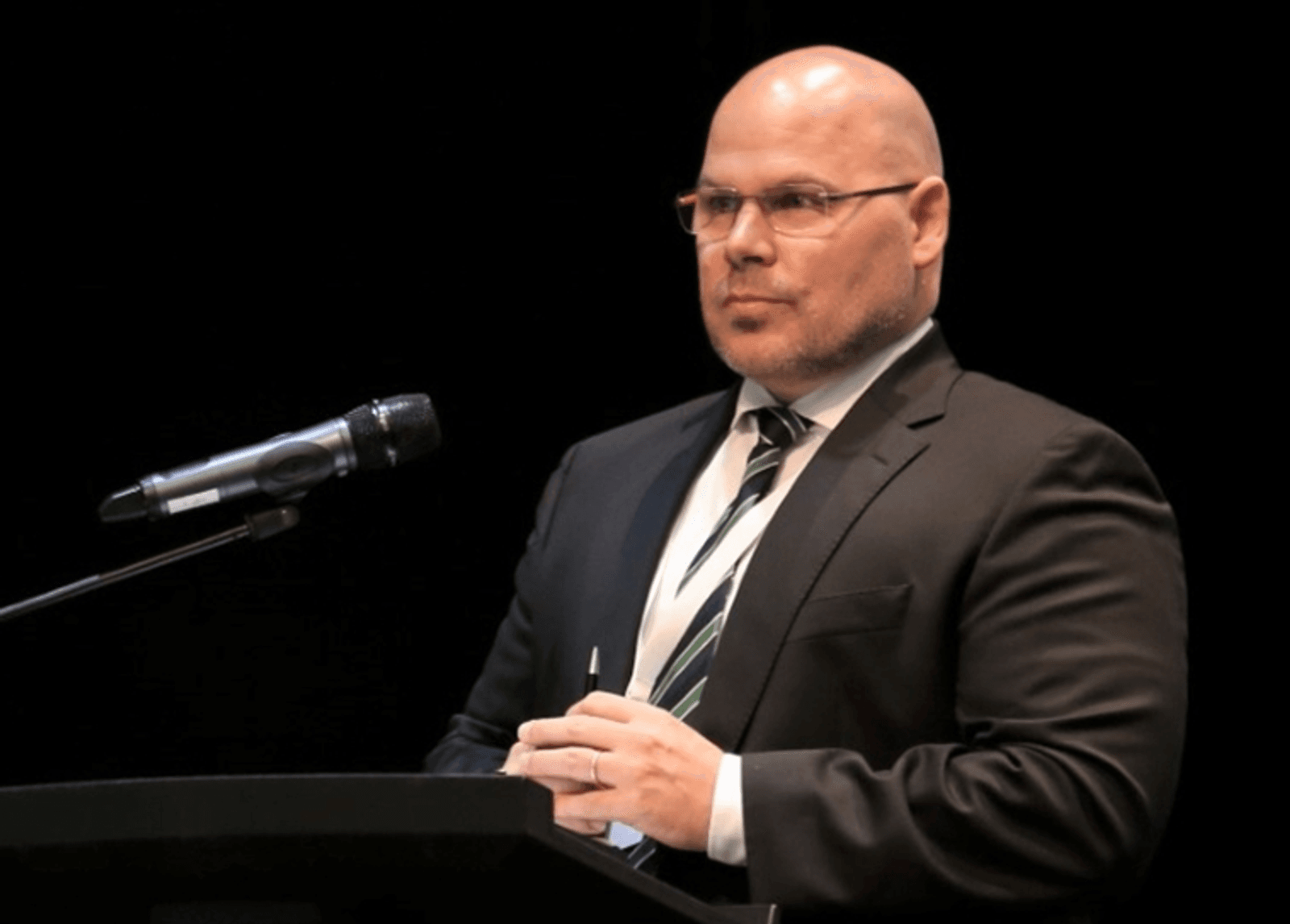
“The PACE project has proved that European industry is committed to bring a range of different fuel cell micro-CHP systems to the mass market, empowering consumers and catering to their needs.
He said PACE was "an excellent example of European net-zero industry leadership."
"The participating manufacturers have demonstrated their commitment to scaling up a strategic technology, despite facing challenges in relation to the supply chain, as well as regulatory, market and unfortunately also policy barriers.“
“We look forward to the momentum gained during the PACE project being continued, ensuring that production capacity is further scaled up in Europe so that fuel cell micro-CHP systems will be available as a mass market product in the years to come.
"The technology is ready! It offers significant benefits for consumers, as well as for the environment and the EU’s competitiveness. However, it also needs strong political support and a favourable policy and regulatory framework.
Decarbonising heat will be a key focus of Enlit Europe in Paris later this year. Details here.
“Fuel cells and micro-CHP technologies are recognised in the EU Taxonomy and in the proposed Net Zero Industry Act as strategic solutions for delivering on the EU’s climate and energy ambitions. This needs to be backed up by effective policies at both European and national levels!“
Following the end of the project, Korteweg is now calling for European policymakers to:
- Support the uptake of market-ready solutions that can quickly deliver reductions in carbon dioxide emissions;
- Embrace ‘energy system thinking’ to better account for the complexities entailed by the energy transition;
- Take a technology-inclusive approach, fostering all decarbonisation solutions, as well as synergies of clean solutions;
- Support European industry to further develop net-zero solutions, strengthen local supply chains and offer a range of clean technologies to consumers.