GE gas turbines to be rapidly deployed for onsite data centre power
Power Engineering International
Posted on: 30 January 2025
GE Vernova| Chevron and Engine No. 1 are looking to build a new company aimed at delivering up to 4GW of reliable power for US data centres.
GE Vernova, Chevron and Engine No. 1 are looking to build a new company aimed at delivering up to 4GW of reliable power for US data centres.
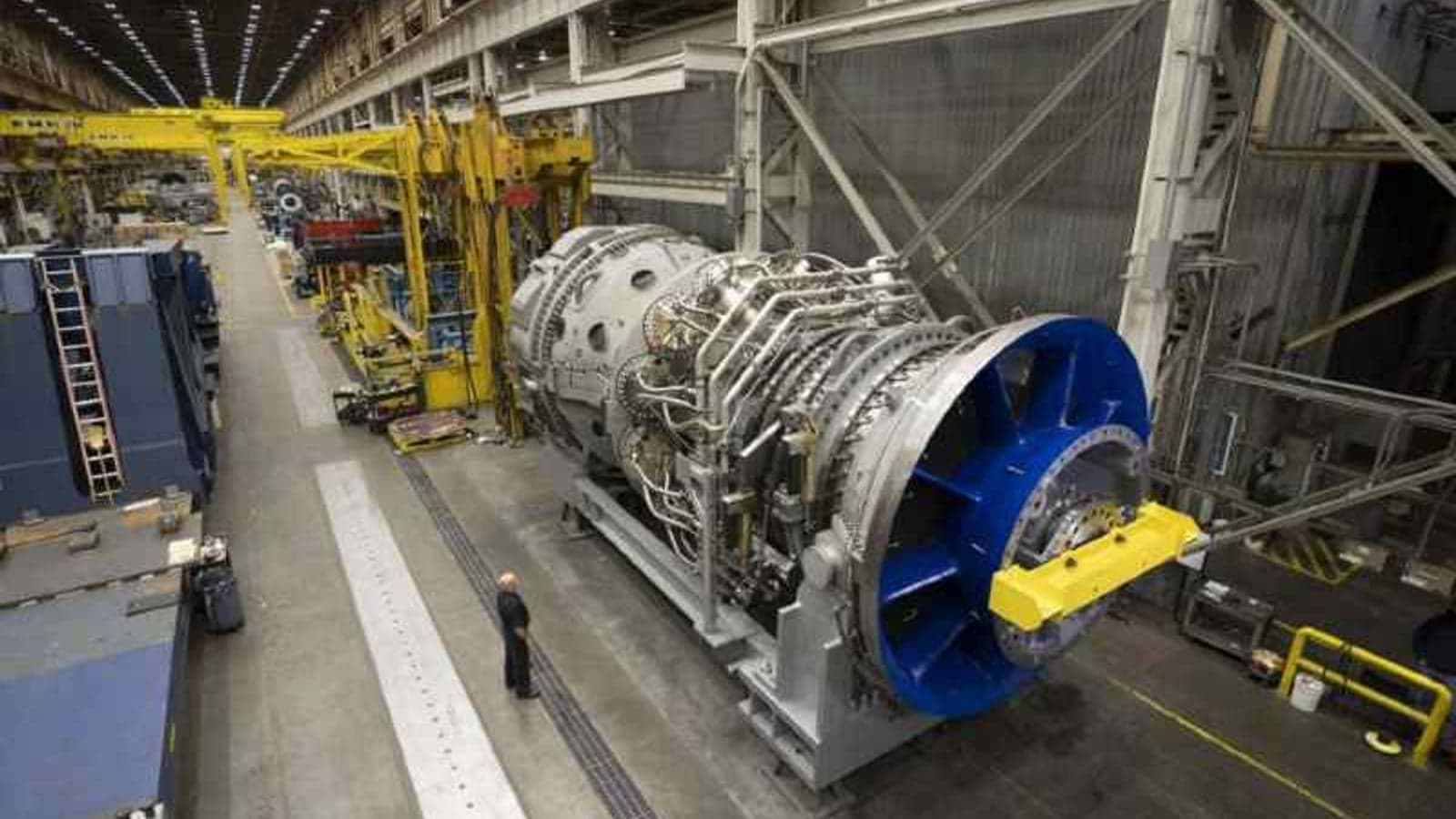
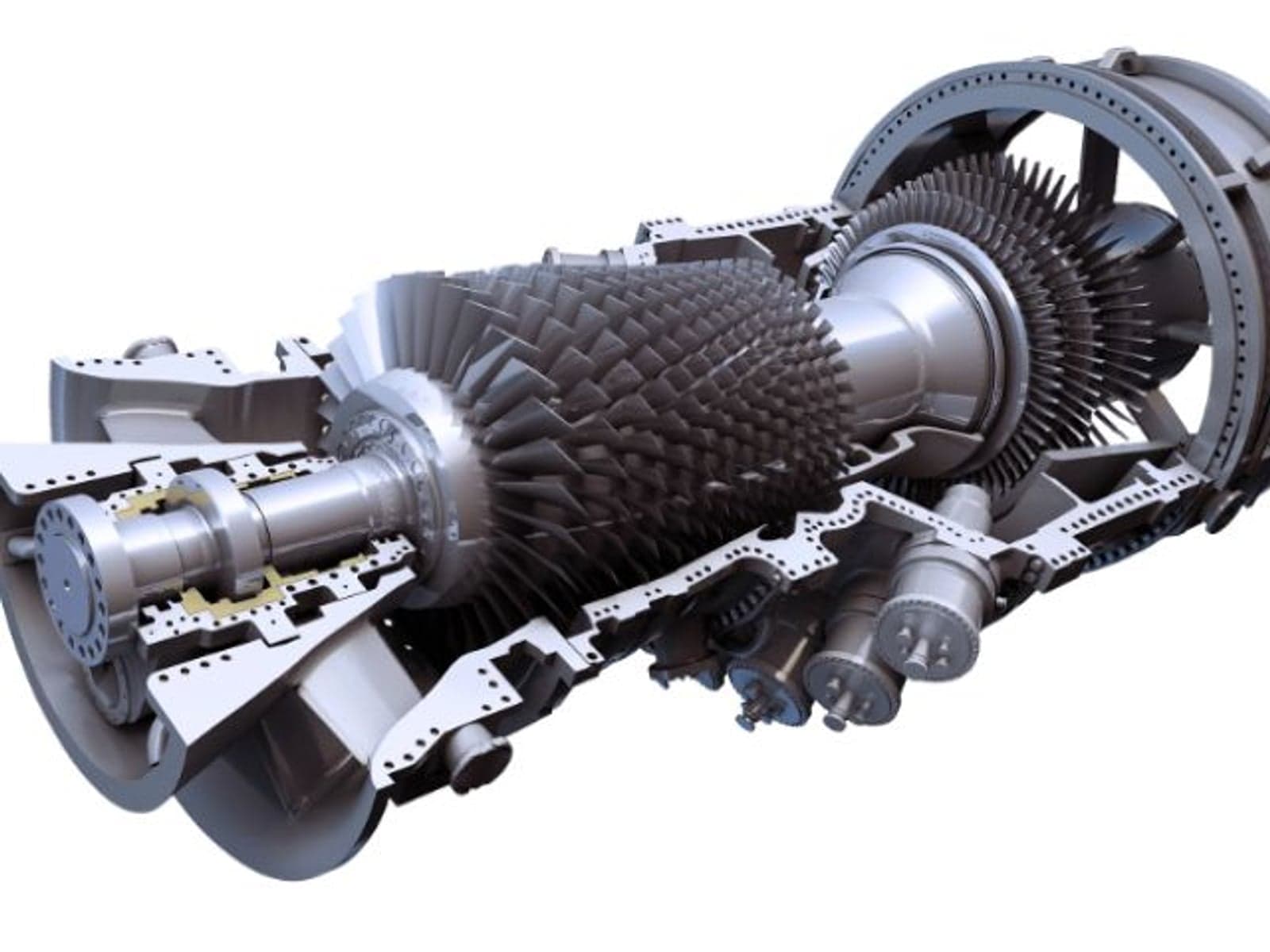
The first projects, branded as “power foundries,” are expected to leverage seven GE Vernova 7HA natural gas-fired turbines, secured under a slot reservation agreement, on an accelerated timeline. The turbines are expected to serve co-located data centres in the US Southeast, Midwest and West regions.
The first projects have targeted operation dates by the end of 2027.
The partnership forms as energy demand for AI development and data processing continues to skyrocket. The companies cited early actions of the Trump Administration “setting the critical foundation to encourage investment leveraging America’s energy abundance to enable America’s AI leadership.”
The projects are not designed to initially flow through the existing transmission grid. Over time, surplus electricity from the projects could be sold back to the grid through future interconnects, providing additional capacity to the broader energy market without driving up costs for consumers.
Have you read?
GE Vernova validates 100% hydrogen-fueled dry low NOx combustor
NET Power tapped for up to 1GW of low-carbon baseload power in California
“By directly connecting natural gas-powered plants to data centers, the initiative avoids putting additional pressure on the grid while enabling the U.S. to maintain its leadership in AI innovation,” the companies said in a statement.
The projects are expected to be designed with the flexibility to integrate solutions like carbon capture and storage (CCS) and renewable energy resources.
Data centres, while not the only reason for load growth in the US, are the largest driver. Data centres by 2030 could require 8-12% of the total U.S. demand, based on various estimates.
As new data centre projects struggle to get timely access to power, data centre leaders are seeing value differently. Time to power is playing an increasingly important role in this equation.
Collocating power plants and data centres is one solution to bypass the often-lengthy interconnection process. Looking for a quick fix, tech giants and AI companies are increasingly looking to strike deals with power plant owners to plug in directly.
The most prominent example is the data centre that Amazon Web Services is building next to the Susquehanna nuclear plant in eastern Pennsylvania.
The arrangement between the plant’s owners and AWS is the first such to come before the Federal Energy Regulatory Commission (FERC). For now, FERC has rejected a deal that could eventually send 960MW — about 40% of the plant’s capacity — to the data center.
While nuclear is a favorite of data centre developers, natural gas may get most of the business – at least for the time being.
Onsite turbines, reciprocating engines and fuel cells will increasingly power data centres, according to a recent survey by Bloom Energy. In November, data centre leaders told the company they expected approximately 30% of all data centre sites to use some onsite power as a primary energy source supplemental to the grid by 2030, 2.3 times more than just seven months earlier.
The report noted there were more data centre announcements featuring onsite power in 2024 than the previous four years combined.
As for GE Vernova, its gas turbine orders have picked up in response to rising electricity demand.
For the nine months that ended 30 September 2024, the company had 14.1GW in gas turbine orders, compared with 7.4GW for the same period in 2023.
“We foresee gas power generation continuing to grow low single digits, which will play an indispensable role in ensuring grid stability and energy security,” the company said in a quarterly report last Fall.
Originally published on power-eng.com