GE Vernova starts fuel conversion for 3.5GW Saudi power plant
Pamela Largue
Posted on: 7 December 2023
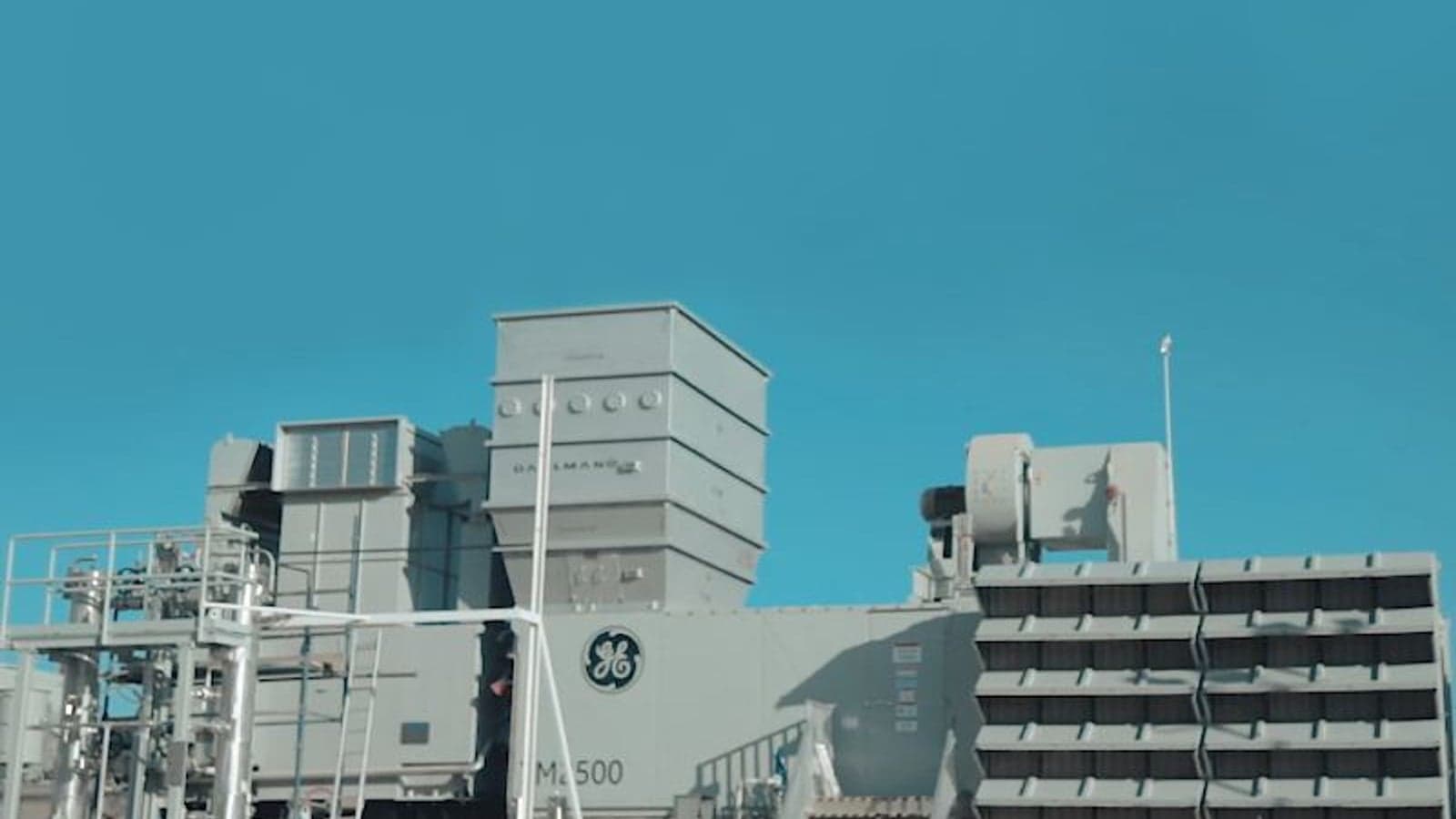
GE Vernova’s Gas Power business has started a fuel conversion project for Saudi Electricity Company’s Power Plant 10 (PP10)| in Riyadh| to reduce plant emissions.
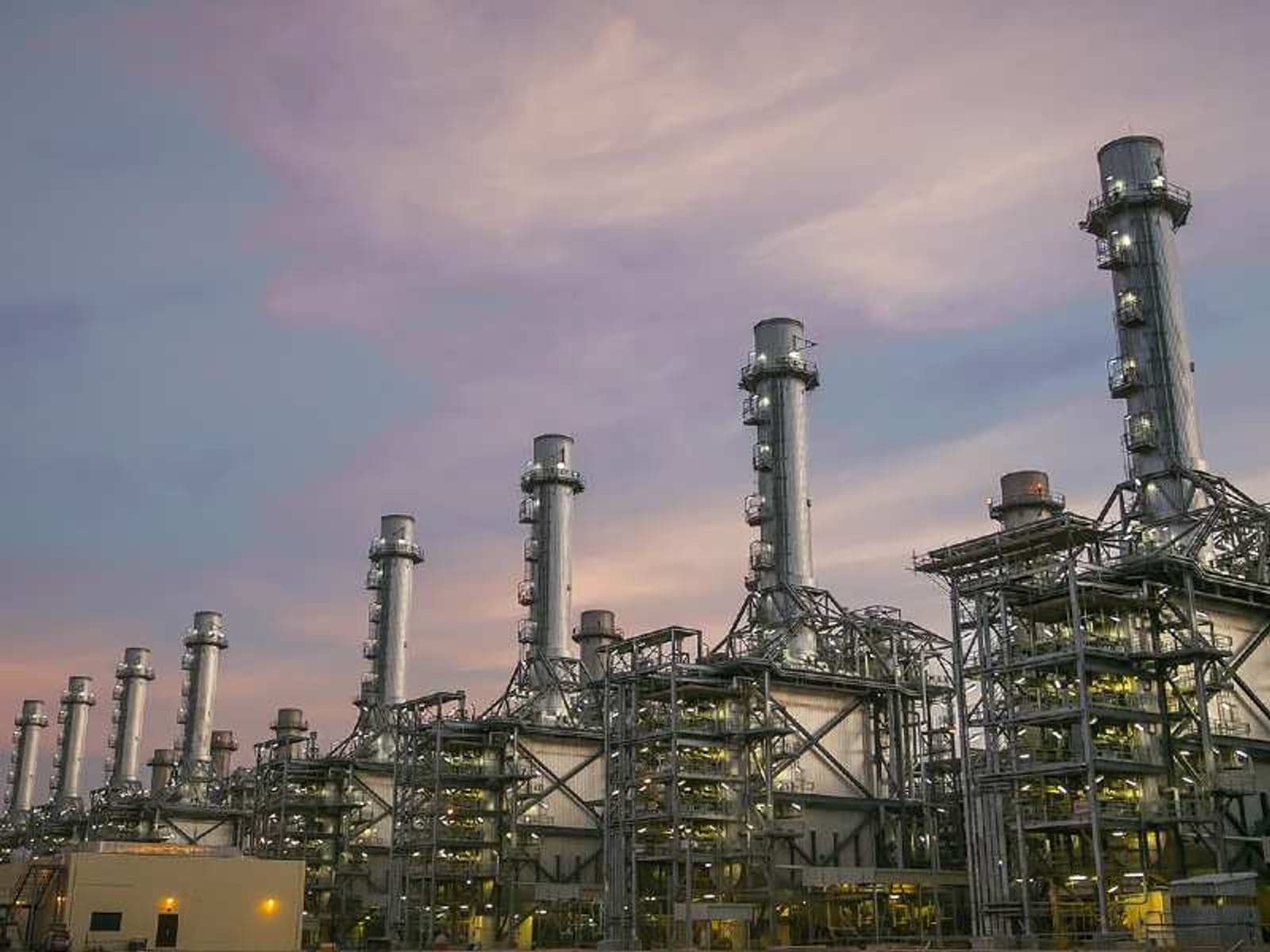
GE Vernova’s Gas Power business has started a fuel conversion project for Saudi Electricity Company’s Power Plant 10 (PP10), in Riyadh, to reduce plant emissions.
The turbines will be switched from running on liquid fuel to natural gas, a move that will result in improved efficiency, lowering consumption and cost of fuel per MWh of power generated, and greater electricity output per unit of fuel consumed.
The 3.5GW PP10 is powered by 40 of GE Vernova’s 7E gas turbines in a combined cycle configuration.
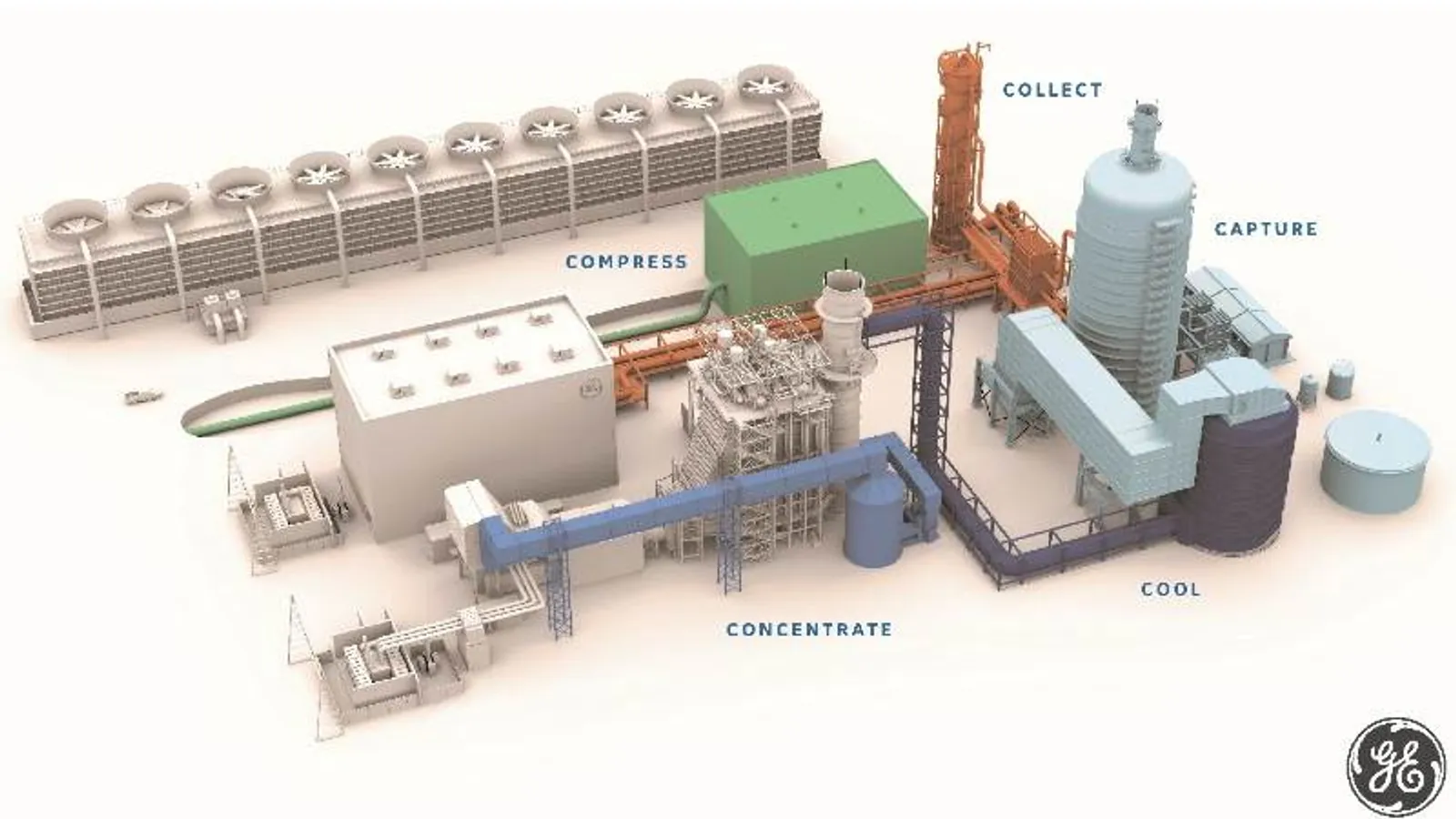
The turbine upgrade will ensure greater flexibility as power can be ramped up or down as and when needed. Also, the modernisation will prevent CO2 lock-in, stated GE Vernova, as the turbines will be hydrogen ready and can be coupled with carbon capture technology to maximise decarbonisation.
Jay Bryant, GE Vernova senior product manager for 7E gas turbines said: “GE Vernova is scheduled to upgrade 20 of the 40 turbines at PP10 to run on natural gas, with the other 20 likely to be converted in the future. In addition to savings on maintenance costs, the expected output gains are so good at a substantial 4%, that by doing this upgrade over 20 units we basically get a full unit of additional output. It’s like a buy-20, get-one-free situation.”
GE Saudi Advanced Turbines (GESAT), a joint investment by Saudi Arabian Industrial Investments Company Dussur and GE Vernova, will manufacture the heavy-duty gas turbines and components as well as the gas fuel skids for the project, which consist of control valves, piping, and accessories that help manage the flow and pressure of gas supplied to the turbines.
Have you read?
Turboexpanders – A new spin on decarbonization
Industry majors tackle power plant decarbonisation at Enlit Europe
“We look forward to working with Alfanar and GE Vernova to convert our power generation assets to natural gas, a lower carbon intensity fuel compared to the crude oil and distillate that currently power the plant,” said Khaled AlGanoon, CEO at SEC.
“This project will help us reduce the carbon footprint and emissions of our operations at PP10, in alignment with Saudi Arabia’s goal to generate a balanced mix of electricity from renewable energy and natural gas by 2030.”
Joseph Anis, president & CEO of Europe, Middle East & Africa for Gas Power at GE Vernova emphasised the importance of a project like this to provide stable power in a region with a harsh climate, increasing population and high concentration of energy-intensive industries such as oil & gas.
He added: "Reducing the intensity of carbon emissions from power generation activities in the country is an important part of addressing the climate challenge.
“We applaud SEC’s efforts to reduce the carbon emissions of their operations for a more sustainable future.”
According to GE Vernova, there are currently 1,150 installed 7E gas turbines globally, with more than 270 turbines located in Saudi Arabia.
Related tags
Latest content
+1
Carbon capture on gas power plants: a solution available today to decarbonise the power sector
Reducing the CO2 emissions drastically is the agreed remedy by the international scientific community to stop global warming. If we agree on this statement| then we will also agree that we need to prioritise decarbonising the industries that represent the largest emissions.
- Guest/partner contributor
- 31/03/2023