Google and Salt River Project to research non-lithium LDES solutions
Power Engineering International
Posted on: 15 September 2025
-
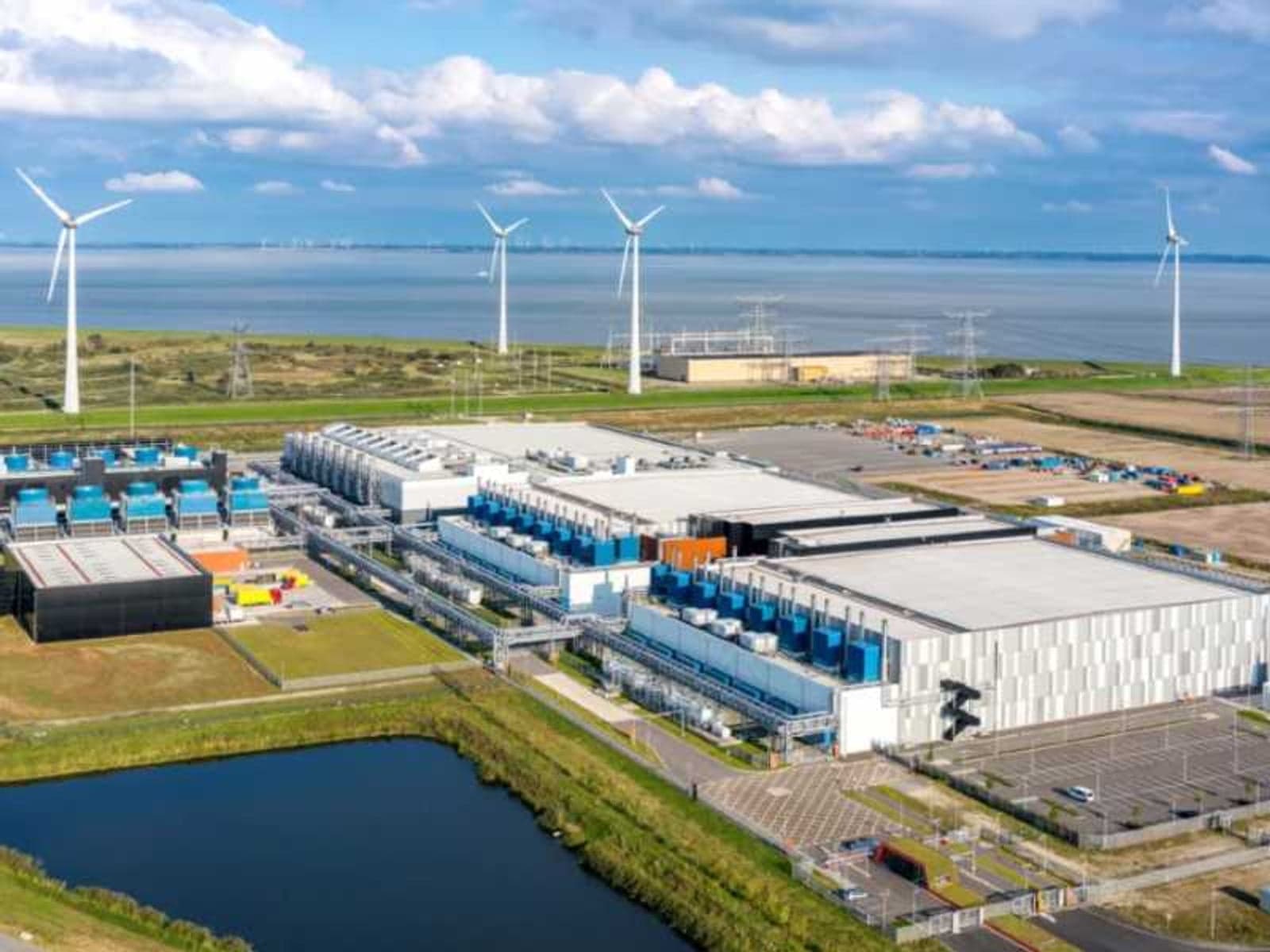
Salt River Project (SRP) and Google have announced what the companies are calling a “first-of-its-kind” research collaboration to better understand the real-world performance of emerging non-lithium-ion long duration energy storage (LDES) technologies.
The aim of the collaboration is to accelerate the advancements needed to deploy LDES at scale.
As part of the research collaboration, Google will fund a portion of the costs for LDES pilot projects developed for SRP’s grid. Google will evaluate data on the pilot projects’ operational performance and provide input on the research and testing plans.
Have you read?
Paris Pledge launches to accelerate pumped storage hydro in Europe
Octopus Energy invests in 600MW solar and battery projects in Spain
“We believe that long duration energy storage will play an essential role in meeting SRP’s sustainability goals and ensuring grid reliability,” said Chico Hunter, SRP manager of Innovation and Development. “This first of its kind research collaboration with Google will bring additional insight into the viability of these new technologies that could move them to maturity more quickly.”
SRP, a community-based, not-for-profit organisation providing sustainable energy to more than 2 million people in central Arizona, is committed to achieving net-zero carbon emissions by 2050.
Google is working toward the goal of running its global data centers and offices on 24/7 carbon-free energy, as well as achieving net zero emissions across its operations and value chain.
“Long duration energy storage is a key technology in the portfolio of advanced energy solutions that we want to bring to market faster — to unlock stronger, cleaner, more resilient grids,” said Lucia Tian, head of Advanced Energy Technologies at Google. “Through our collaboration with SRP, we aim to accelerate the innovation and technological advancements necessary to deploy LDES solutions at scale so communities in Arizona and beyond can meet their power needs reliably and cost-effectively for years to come.”
SRP issued RFPs in 2022 and 2024 for LDES technology demonstration projects and will explore with Google the inclusion of multiple projects in the research collaboration.
Additionally, this is not the first time Google and SRP have worked together. Sonoran Solar Energy Center, a 260MW solar facility with a 1GWh battery energy storage system, Storey Energy Center, an 88MW solar and battery energy storage system, and Babbitt Ranch Energy Center, a 161MW wind farm, will all support the energy needs of Google’s future data center in Mesa.
Google’s current projections indicate these projects will help its Arizona operations reach at least 80% carbon-free energy on an hourly basis by 2026.
SRP is aiming to at least double the number of generating resources on its power system in the next 10 years to maintain top-tier reliability and resilience in the Phoenix metropolitan area. The utility currently has nearly 1,300MW of energy storage currently supporting its grid, which includes 1,100MW of battery storage— spanning eight facilities— and 200MW of pumped hydro storage.
The US could need 125-680GW of long-duration storage capacity —up to 12 hours— by 2050 to support a grid dependent on intermittent renewables, according to past research from the National Renewable Energy Laboratory. The long-duration energy storage dilemma is multi-pronged: today’s market structures don’t adequately reward energy storage of longer than four hours, and potential solutions are mired in technical challenges and steep capex costs.
Originally published by Sean Wolfe on Power Engineering Factor This