Interdependencies in Europe’s digital-energy transition and sovereignty
Guest/partner contributor
Posted on: 26 May 2026
Europe’s energy transition reflects the growing intersection of digital and energy infrastructures, writes EUSEW digital ambassador Alexandra Garatzogianni.

Europe’s energy transition reflects the growing intersection of digital and energy infrastructures.
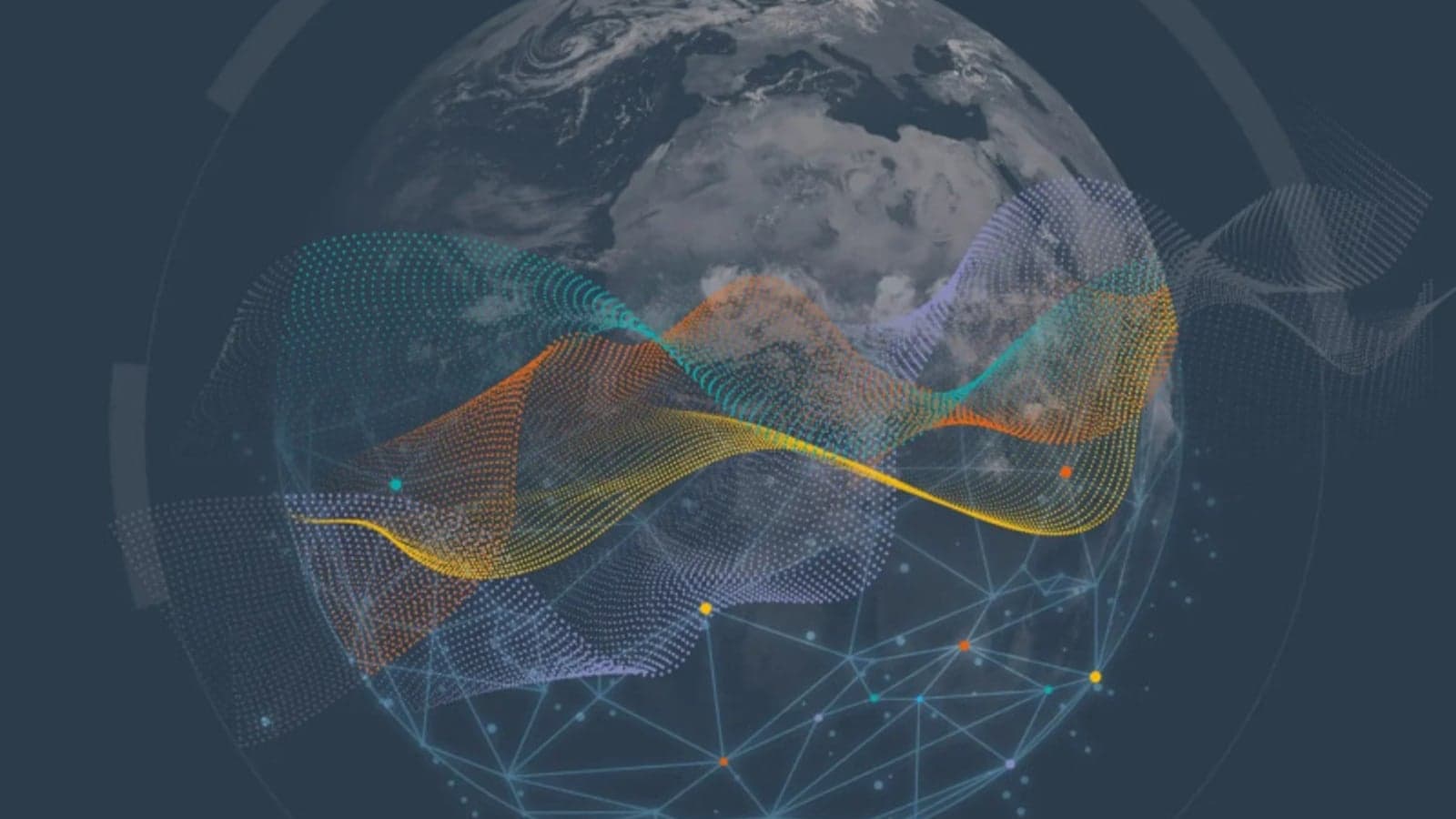
AI and data-driven services generate higher electricity demand, while power systems deploy digital tools to integrate renewables and manage variability. The resulting interdependencies raise policy questions on resilience, competitiveness and strategic autonomy.
The digital–energy nexus: Systemic interdependencies
The convergence of digital and energy infrastructures transforms Europe’s energy transition. AI, cloud computing and data-intensive services, alongside expanding data centre capacity, drive higher electricity consumption. Electricity systems rely substantially on digital tools to integrate renewables, forecast demand and manage variability.
This emerging digital-energy nexus introduces trade-offs between efficiency gains and rising pressure on energy infrastructure, as digitalisation may alleviate certain operational constraints while shifting strains elsewhere in the energy system, particularly to network capacity, flexibility and investment needs.
Governance gaps in a sectoral policy framework
These interdependencies expose limitations in governance arrangements. Energy and digital policies remain largely structured along separate institutional tracks, despite broad recognition of the need for enhanced coordination. Existing frameworks face challenges in capturing cross-sector feedback effects in a systematic manner.
In practice, energy planning progressively incorporates assumptions about digital demand growth, while digital investment decisions depend on expectations regarding electricity availability, grid capacity, and connection timelines.
Strategic autonomy and systemic dependencies
These dynamics have implications for Europe’s strategic autonomy. Sovereignty is increasingly defined by the capacity to manage interdependencies across energy, digital, and industrial systems, rather than control within standalone sectors.
Shared dependencies, including critical raw materials, supply chains and specialised skills, link domestic resilience with external exposure. Efforts to strengthen capability in one domain may induce vulnerabilities in another, rendering sovereignty an evolving capacity to govern interconnected systems and adapt under conditions of constraint and uncertainty.
Infrastructure interaction and emerging constraints
As energy and digital infrastructures co-evolve, their interplay shapes long-term system outcomes. Decisions on the location, scale and timing of data centre deployment influence future electricity demand and grid capacity, creating path dependencies that may constrain later policy options.
While existing coordination mechanisms acknowledge these linkages, they remain limited in addressing longer-term structural effects.
This underscores the importance of more integrated infrastructure planning, including grid flexibility, cross-border interconnections and alignment with digital growth trajectories.
Policy implications
Interdependencies between digital and energy systems entail both efficiency opportunities and coordination challenges across infrastructure, regulation and investment. If not addressed, such misalignments may embed inefficiencies in future system development.
Strengthening alignment between energy and digital strategies, improving early-stage coordination and developing governance models that reflect system-wide interactions can help address these challenges. Europe’s long-term competitiveness and resilience will depend both on infrastructure development and on the governance frameworks guiding convergence.
This opinion editorial is produced in co-operation with the European Sustainable Energy Week 2026 (EUSEW).
Useful links
- European Commission. Digitalisation of the Energy System.
- European Commission. Energy efficiency and data centres.
- International Energy Agency. Energy and AI.
- Geels, F. W. , 2019. Socio-technical transitions to sustainability: a review of criticisms and elaborations of the multi-level perspective. Current opinion in environmental sustainability, 39, 187-201.
- CINEA/CORDIS. Digitalisation of energy systems (EU research overview).
- European Commission. Critical Raw Materials Act.
About the author
Alexandra Garatzogianni is a researcher specialising in AI governance, digital sovereignty and energy system transformation, with experience in strategic research and cross-sector innovation programme design. She holds an MA in International Affairs (Cyber Security) from King’s College London, MSc in Innovation and Entrepreneurship from HEC Paris and has completed postgraduate studies in management and leadership at Heriot-Watt University and Grenoble Ecole de Management.