Green hydrogen for Europe’s Spaceport – how a project could scale for a country
Jonathan Spencer Jones
Posted on: 19 July 2022
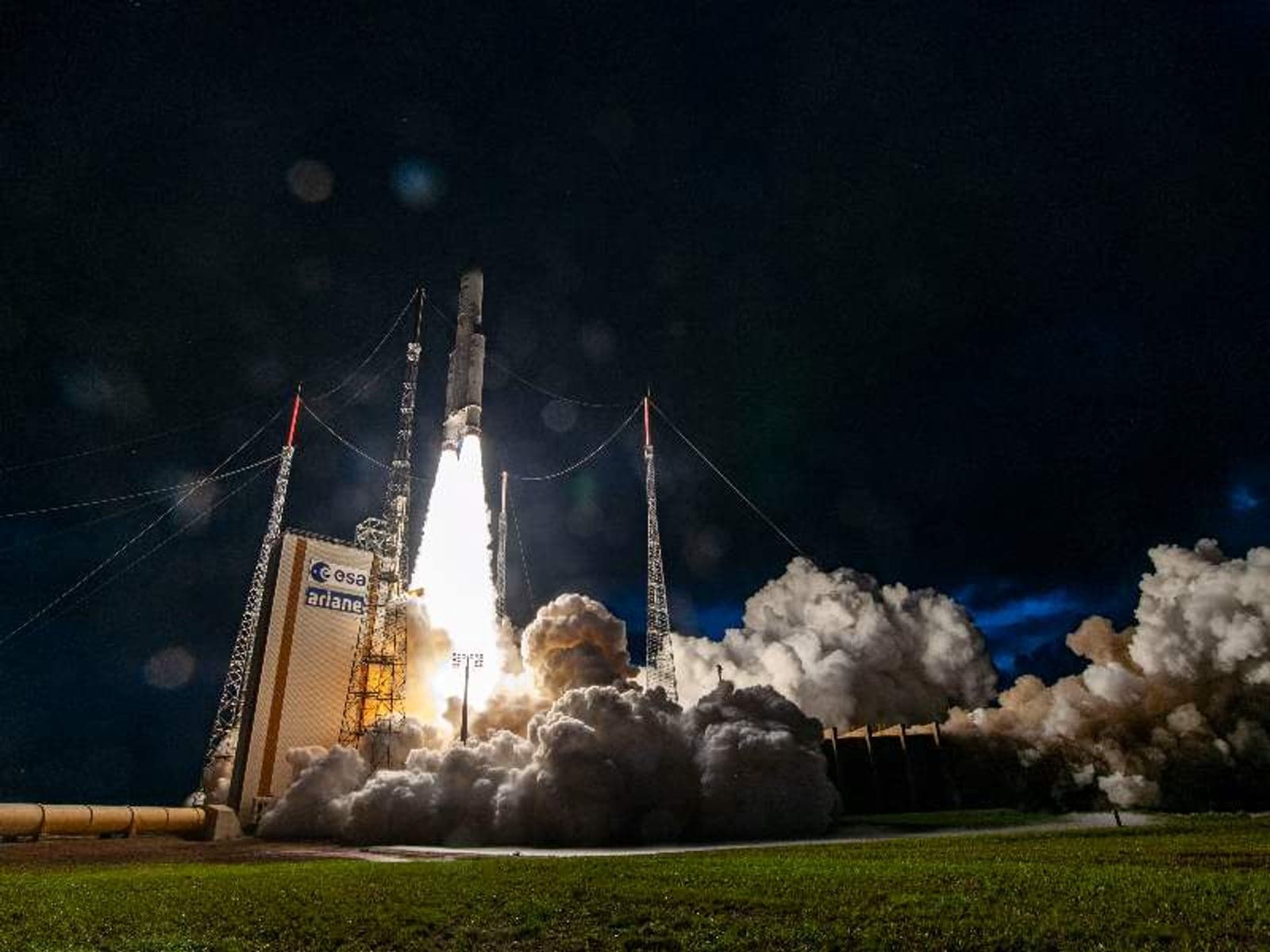
The European Space Agency (ESA) has initiated a plan to produce green hydrogen for rocket fuel at the Spaceport in French Guiana.
The European Space Agency (ESA) has initiated a plan to produce green hydrogen for rocket fuel at the Spaceport in French Guiana.
The project named HYGUANE – HYdrogène GUyanais A Neutralité Environnementale – is aimed to develop an initial pilot plant with a production capacity of 130t per year at the site, near Kourou on the country’s Atlantic coast.
The green hydrogen will be used to fuel rockets and forms part of the drive to reduce emissions from the space programme and the Spaceport in general.
Back in late 2020 plans were put in place to ‘green’ the site with solar PV and biomass, with the goal of these contributing 90% of the base’s power supply by 2025.
Have you read?
Hybrid power plants: Tailoring technology to deliver decarbonisation
Jorgo Chatzimarkakis, Hydrogen Europe CEO, forecasts market trajectory
The green hydrogen will replace the currently used ‘grey hydrogen’ in rocket fuel. Ariane 5, the current generation launcher, requires approximately 25t of liquid hydrogen together with the 150t of liquid oxygen per launch and the requirement is similar for the next generation Ariane 6 due to debut in 2023.
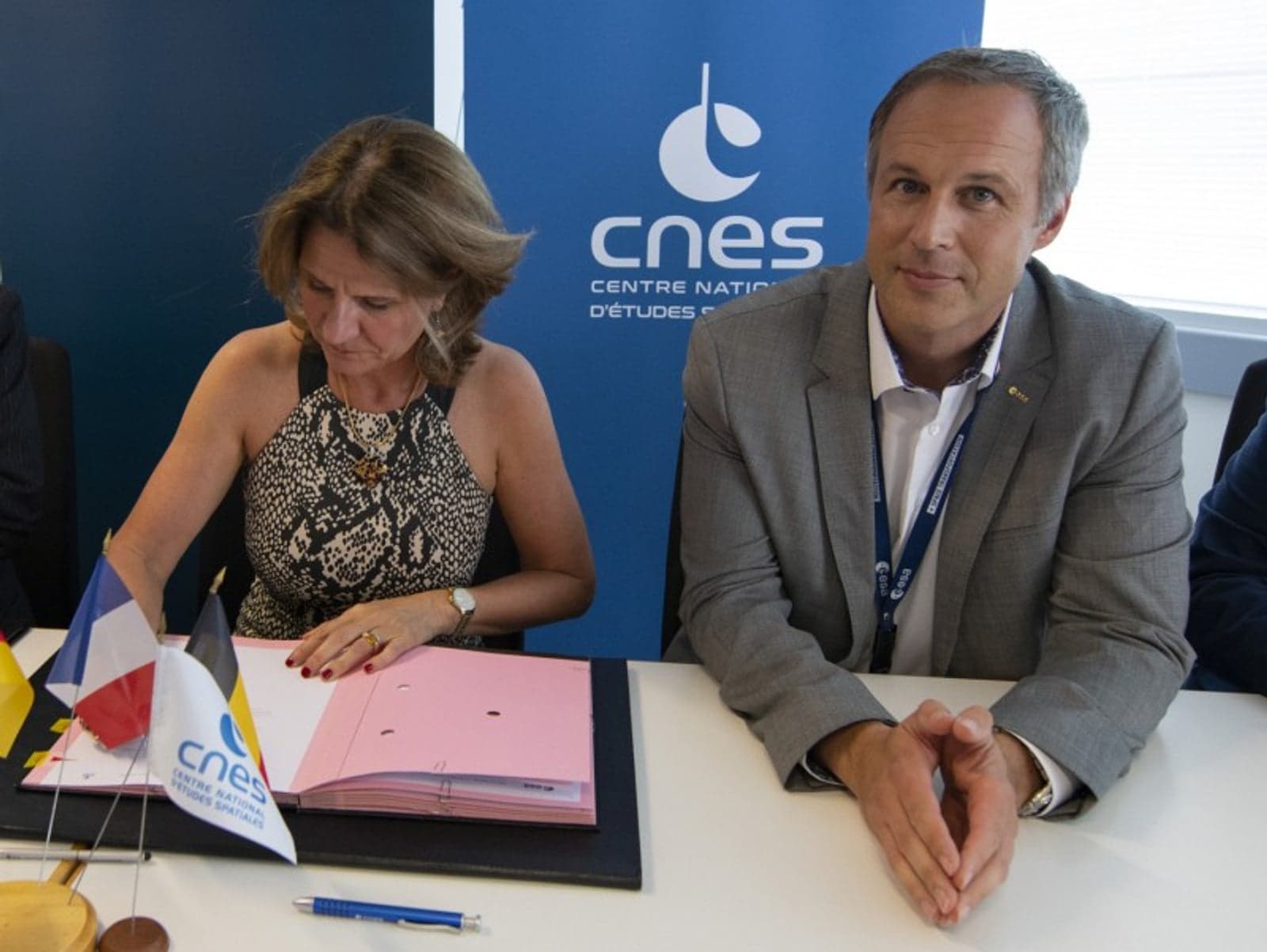
ESA has launched the green hydrogen project with the French space agency CNES and a group of industrial and academic partners, including Air Liquide, the Martinique-based refiner SARA (Société Anonyme de la Raffinerie des Antilles), MT-Aerospace, Be.Blue and the Universities of French Guiana and Liège.
The project has reportedly been several years in the making and has been solidified with a letter of interest signed by the partners on June 17.
Green hydrogen for French Guiana
In addition to the use on the Spaceport, the green hydrogen development is planned to kickstart its wider use in the small South American country. In particular, it is expected to support the introduction of hydrogen-fuelled public and commercial transport as well as hydrogen fuel cells for energy storage.
The project includes the creation of a Hydrogen Competence Centre in French Guiana to develop the know-how to maintain and operate these green hydrogen technology and systems and to help develop start-ups.
“Investment in green hydrogen production at the Spaceport will cut costs, reduce exposure to rising fossil fuel prices and take a load off French Guiana’s electricity grid,” commented Teddy Peponnet, ESA’s European Spaceport Infrastructure & Renewable Energy Project Manager.
ESA Director of Space Transportation Daniel Neuenschwander adds the HYGUANE project is a good step toward greening Europe's Spaceport.
“A green hydrogen system will support environmental sustainability, stabilise costs and protect Spaceport operations from energy supply disruption.”
The 700km2 Spaceport has served as Europe’s gateway to space since the first launch in 1968, with more than 240 launches since 1990 and the number growing rapidly.
The site is a major employer with 1,700 employees and typically draws about 20% of French Guiana’s energy supplies.
No timeline has been released for the project but the green hydrogen is anticipated to reduce CO2 emissions linked to the Ariane programme by “several thousand tonnes per year”.
Hydrogen storage
The green hydrogen project is not the first to be announced in French Guiana but the Centrale Electrique de l’Ouest Guyanais (CEOG) project, the first, is focused on its use for energy storage.
CEOG being delivered by Hydrogène de France (HDF Energy) comprises a 55MW solar farm with a 140MWh hydrogen storage solution with the aim to deliver 24/7 clean energy to over 10,000 households in the municipality of Mana in the country’s north – an area with a shortage of energy.
The project is using HDF Energy’s Renewable solution, which includes an integrated 16MW hydrogen electrolyser and secondary storage lithium-ion batteries.
CEOG is designed to deliver a stable output of 10MW during the day from 8AM to 8PM and 3MW during the night from 8PM to 8AM and is connected to EDF’s station in Saint-Laurent-du-Maroni. In September 2021, HDF Energy secured a 25-year power purchase agreement on the project with EDF.
Other participants in the project, which was announced in 2018 and is due to come online in 2024, are project developer Meridiam, which acquired a 60% stake shortly after its launch, and SARA.
HDF Energy reports its Renewstable solution is being developed in over a dozen locations across the globe. Another in the Caribbean is Renewstable Barbados in St Philip parish in the island’s southeast to replace fossil fuel generation for 16,000 residents.
HDF Energy also has recently acquired a 70% stake in the NewGen hydrogen production project in Trinidad, a $200+ million initiative to generate green hydrogen for an existing nearby large-scale ammonia plant.