Green hydrogen shows promise for industrial decarbonisation in Global South
Pamela Largue
Posted on: 18 August 2025
New analysis from IRENA has revealed the potential for green hydrogen to decarbonise hard-to-abate sectors in the Global South.
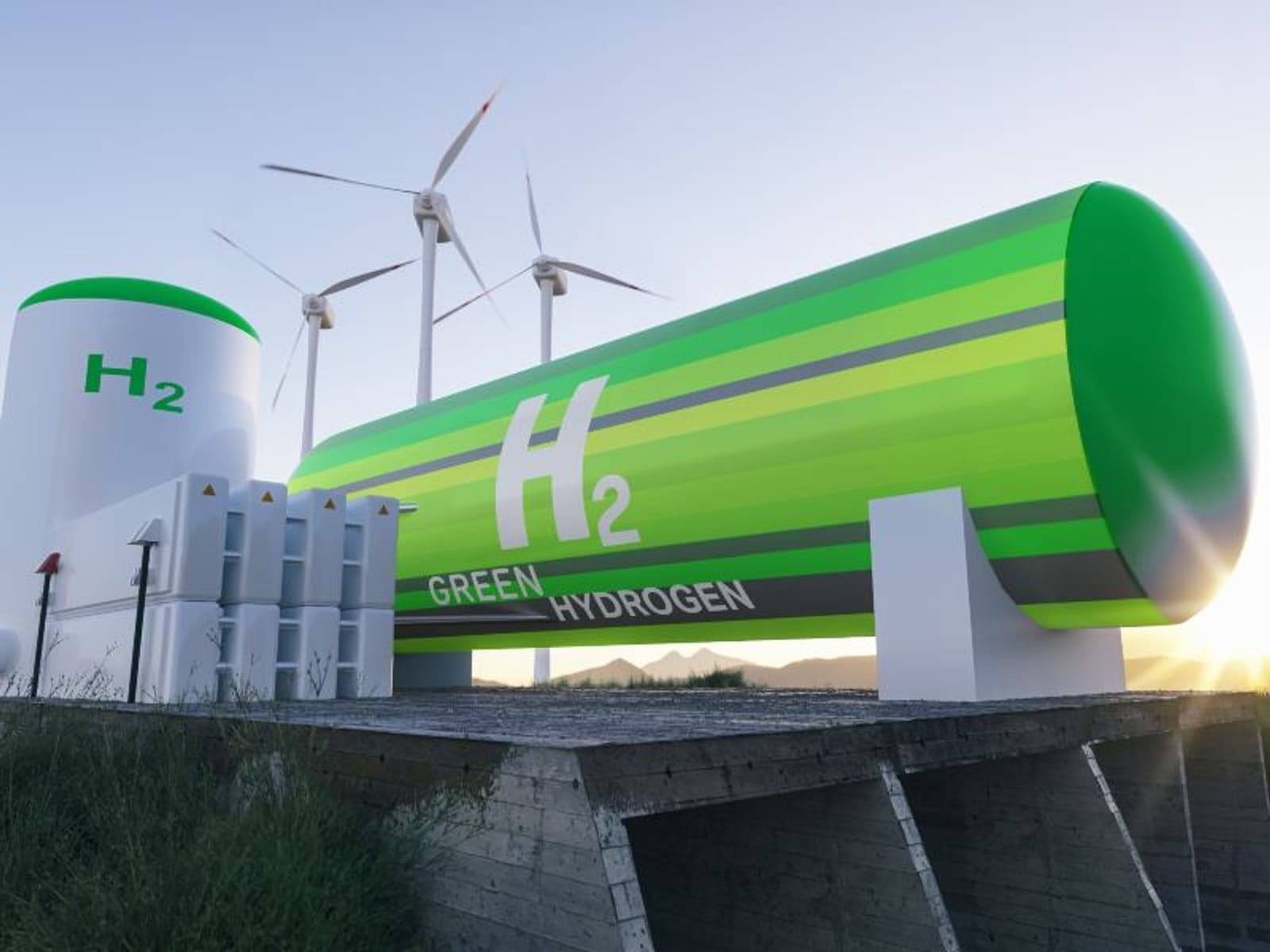
New analysis from the International Renewable Energy Agency (IRENA) has revealed the potential for green hydrogen to decarbonise hard-to-abate sectors in the Global South.
The study highlights that scaling value chains for green hydrogen and derived commodities can not only enable green industrialisation, but also drive energy independence, increased participation in global trade and job creation.
IRENA suggests that green hydrogen be utilised as a clean feedstock in carbon-intensive industrial processes, not only as an energy carrier.
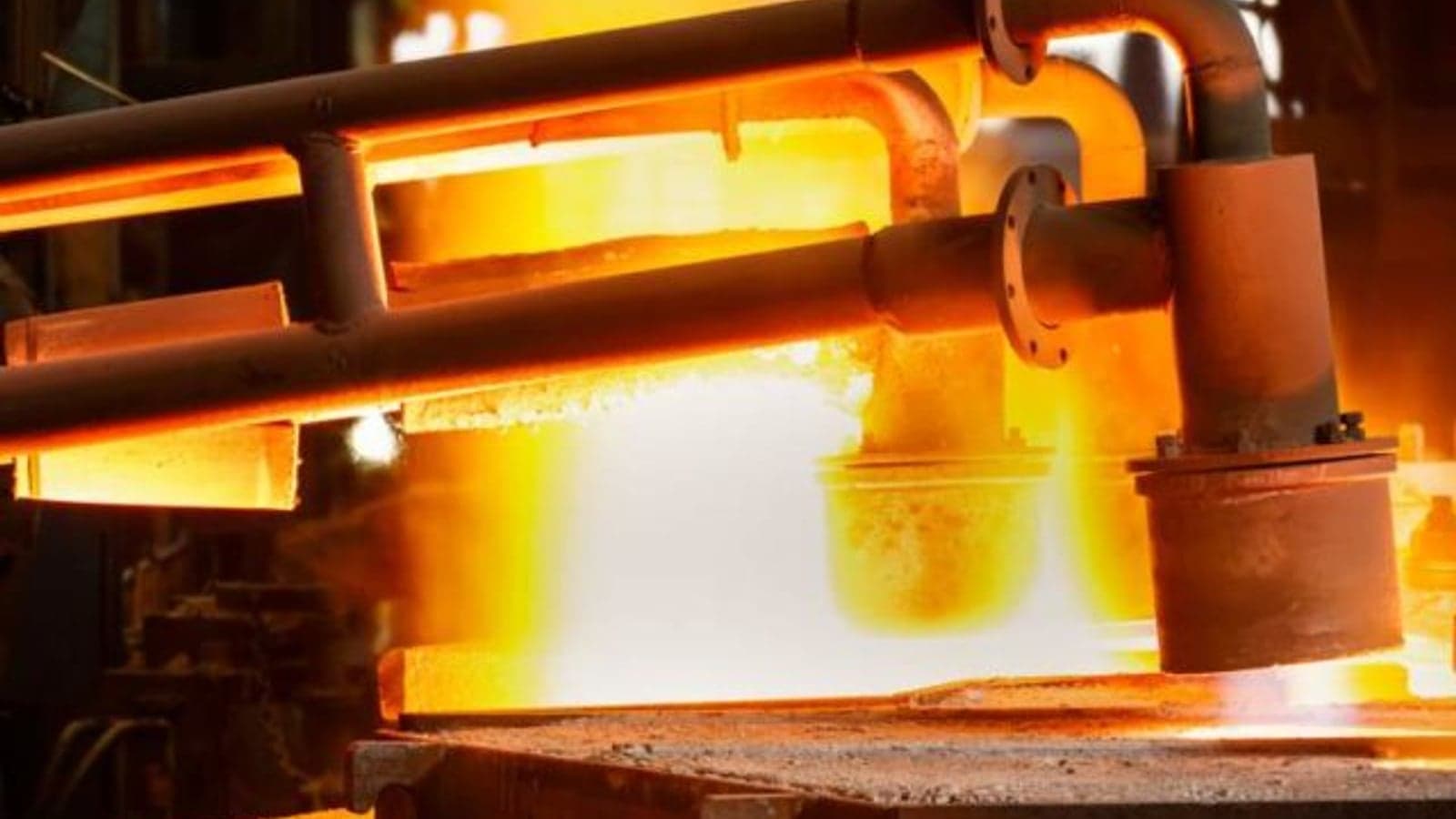
For example, green hydrogen is an option for use in the direct reduction of iron for steel production. Green hydrogen and its derivatives like ammonia and e-fuels are also expected to provide clean alternatives to decarbonise the transport industry.
The analysis shows that with high renewable energy potential, the Global South can become essential players in the international markets for green commodities such as ammonia. In doing so, the Global South’s countries can transform themselves from energy importers to exporters, boosting energy security and driving economic development.
Have you read?
E-fuels to supply backup power for German data centres
Low carbon hydrogen methodology for Europe set out
Latin America for example, can leverage its solar and wind resources with existing industrial infrastructure. The region could become a major supplier across multiple green commodities, from ammonia and e-methanol to direct reduced iron, serving markets in North America, Europe, and Asia.
Sub-Saharan Africa is also presented with opportunities to produce green hydrogen for both domestic use and export. The region's strategic geographic position is expected to enable efficient access to European and Asian markets, while its vast land availability supports the infrastructure deployments required for competitive green hydrogen production.
Another region that holds strategic significance given its proximity to European demand centres is North Africa. IRENA’s analysis indicates that the region could supply approximately 18% of the European Union's green hydrogen and related commodities by 2050, establishing a robust Euro-Mediterranean energy trade that builds on existing energy cooperation frameworks.
To realise the potential presented to these countries, IRENA recommends that developing countries coordinate policy frameworks with infrastructure development within a holistic energy transition strategy.
Development of substantial renewable generation capacity and transport and storage infrastructure will be needed. IRENA’s estimation shows that on a global scale, the cumulative investment need for infrastructure throughout the hydrogen value chain amounts to $2.49 trillion by 2050.
International markets for green hydrogen and derived commodities offer developing countries in the Global South a pathway to sustainable industrialisation. They therefore can accelerate their own energy transitions while becoming an indispensable partner in the global journey towards net-zero emissions.