Harnessing the power of the EU's Space Programme for renewable energy
Guest/partner contributor
Posted on: 29 January 2024
The European Union's Space Programme, through its flagship components Copernicus and Galileo, provides invaluable tools and data to renewable energy projects to expedite the energy transition.
The European Union's Space Programme, through its flagship components Copernicus and Galileo, provides invaluable tools and data to renewable energy projects to expedite the energy transition.
As Europe grabbles with the dual concerns of climate change and energy security, having access to timely and accurate data is crucial to making informed decisions about the deployment and management of renewable energy infrastructure.
Copernicus in action
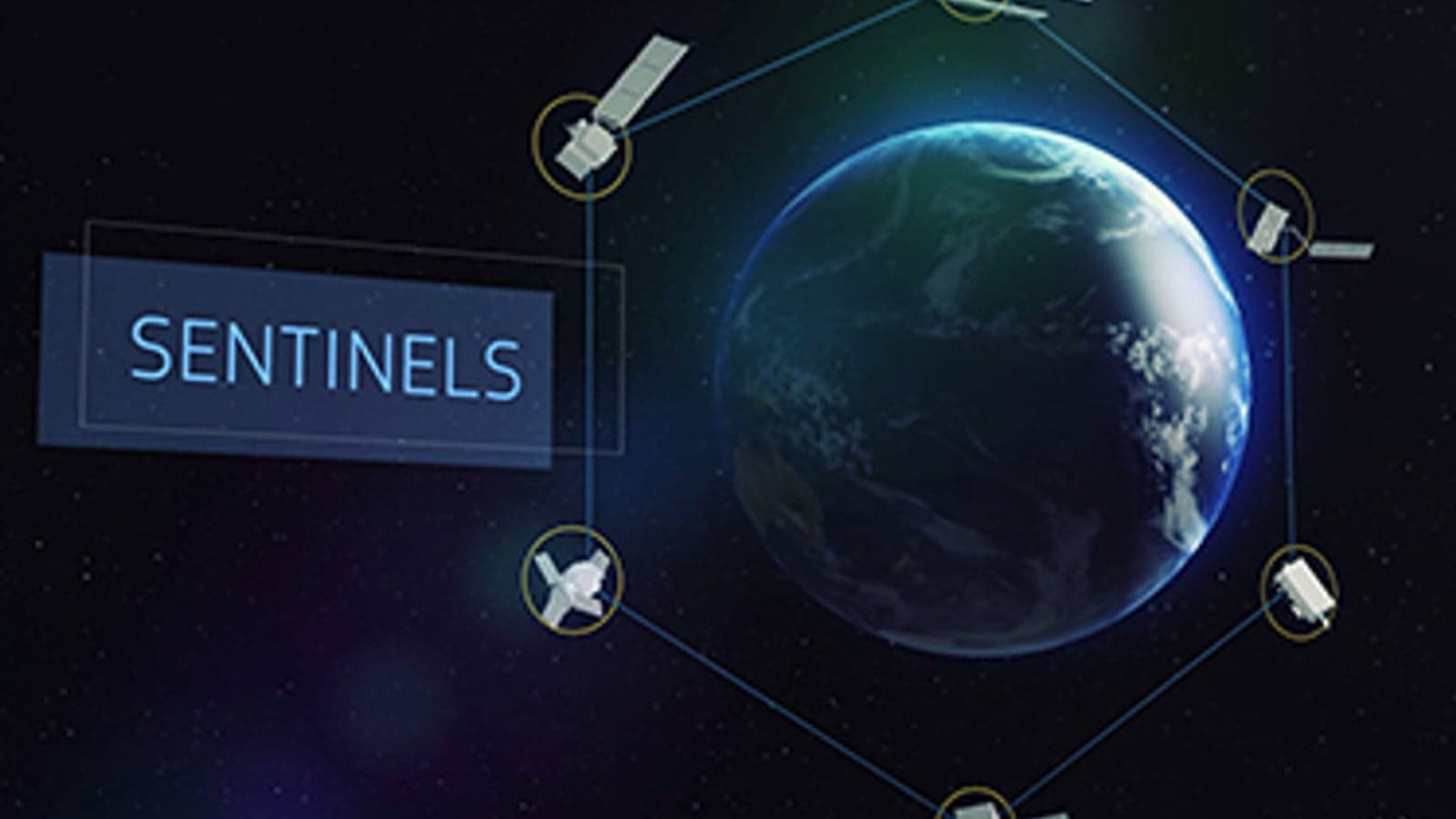
Copernicus is a state-of-the-art, space-based Earth Observation programme funded by the European Union that relies on its own set of satellites (Sentinels), combined with contributing missions (existing commercial and public satellites), and a variety of technologies and in-situ measurement systems providing information about the atmosphere, land and ocean. The wealth of accurate, near real-time and reliable data generated by Copernicus, is provided on a global level and free of charge.
This data is also turned into value-added information offered by the Copernicus Services for different thematic domains:
- atmosphere monitoring;
- marine environment monitoring;
- land monitoring;
- climate change monitoring;
- and security and emergency management.
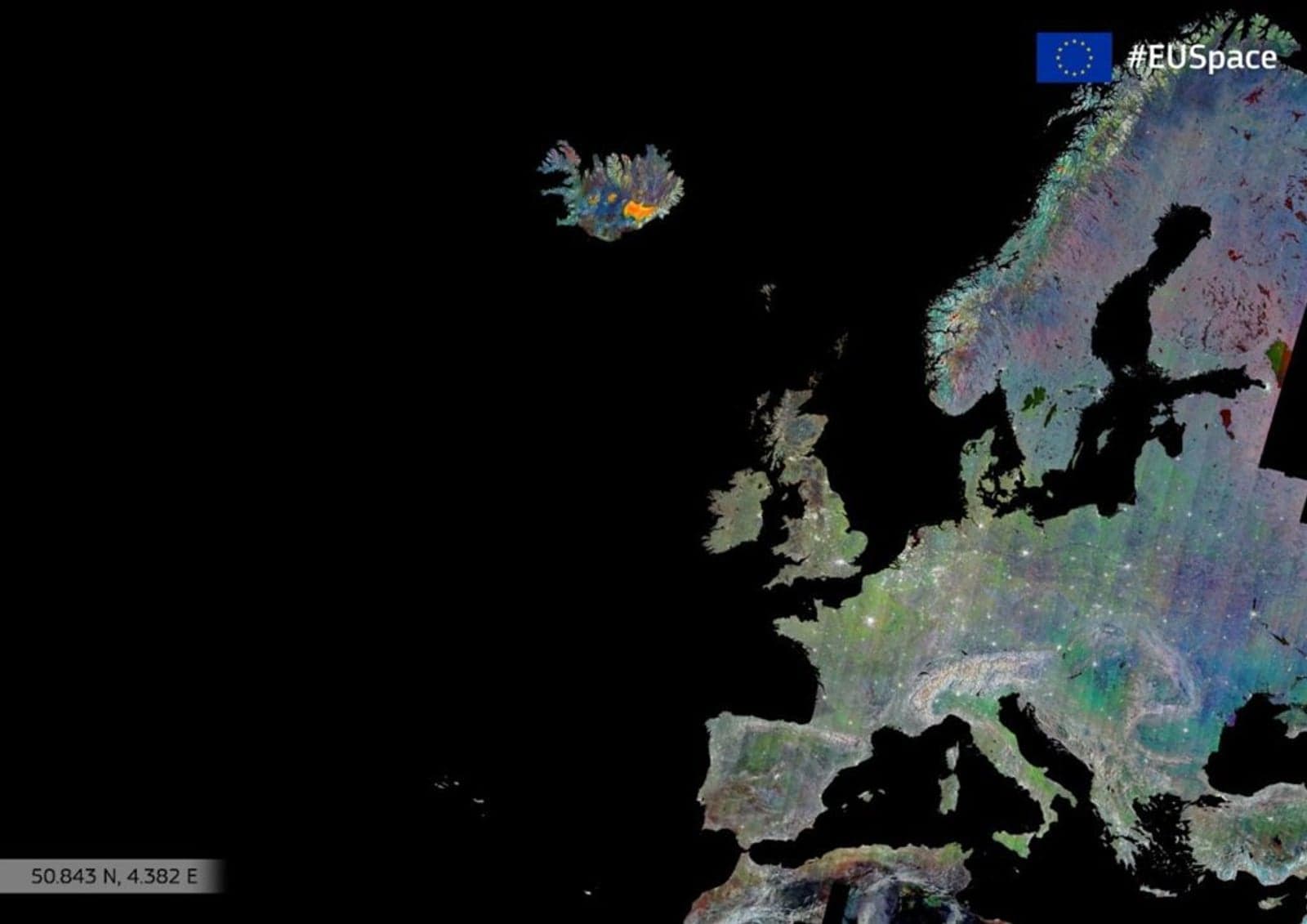
Copernicus data and services can be used to support various applications related to different renewable energy sources, including ocean energy, solar energy, wind energy (onshore and offshore), biomass energy and hydropower. It supports renewable energy projects throughout their entire lifecycle such as assessing renewable energy resource potential, planning and designing projects, optimising their operations or assessing the environmental impact.
Zooming in on the use cases, Copernicus data on solar radiation, wind speed, and water availability play a pivotal role in identifying optimal locations for renewable energy installations. By analysing historical data trends and near real-time observations, we can pinpoint areas with the highest energy yield, ensuring that renewable energy projects are sited strategically for maximum efficiency. For example, Copernicus data can be used to monitor and forecast snow, ice and river runoff to help plan the placement of a hydroelectric dam. Moreover, by leveraging Copernicus data on wind speed and direction and land use and terrain, we can optimise the placement and operation of wind turbines.
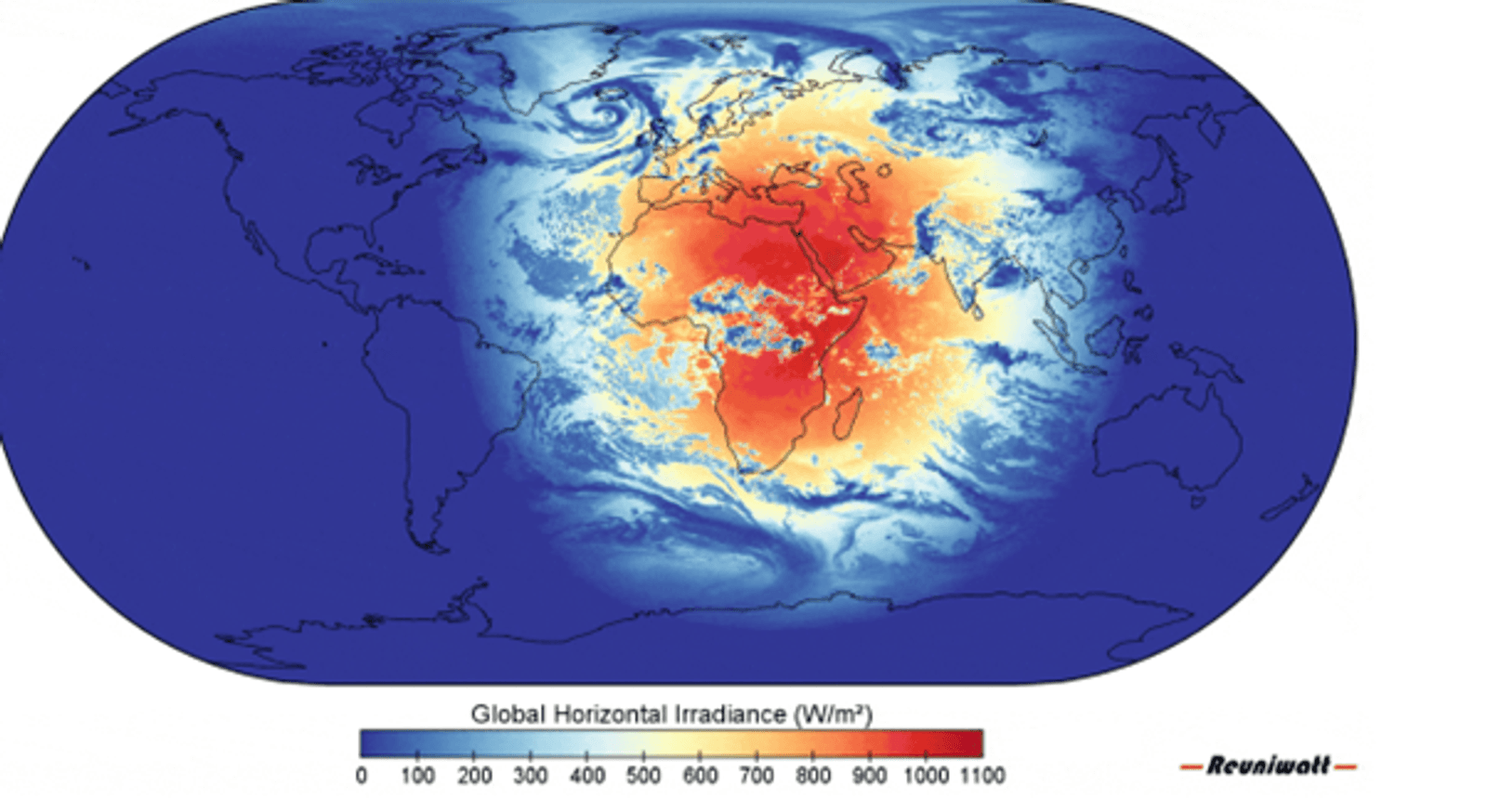
Reuniwatt incorporates CAMS data into many of its products. For example, Reuniwatt combines data from the CAMS Radiation Service, such as aerosol forecasts and water column data, with satellite imagery to deliver robust predictions - from intra-hour forecasts to forecasts for up to 10 days in advance.
In addition, Copernicus data on land use, terrain, and environmental factors are essential for the planning and design of renewable energy projects. By mapping the surrounding environment, potential impacts on ecosystems can be assessed, ensuring compatibility with local conditions and environmental regulations.
Also, with data on environmental and atmospheric conditions, such as dust or pollen, energy operators can guide maintenance schedules and optimize the performance of renewable energy systems to enable early detection of potential disruptions and ensure the long-term reliability of renewable energy installations.
Copernicus also provides data on natural risks, to assess whether preventive measures are required to mitigate the effects of adverse events during energy asset installation (e.g., Copernicus ocean data for offshore wind platforms installation).
In a similar way, Copernicus can be used for monitoring and risk assessment of energy infrastructure: Sentinel images and Copernicus Land Monitoring Service data provide detailed information about land cover, enabling effective monitoring and management of renewable energy infrastructure. Changes in land use, third-party activities and vegetation cover can be tracked to identify potential risks and optimise infrastructure maintenance.
Finally, Copernicus climate change data and projections facilitate the planning process for the energy grid extensions and risk assessments needed to adapt to increased renewable energy production and climate change for grid optimisation.
All Copernicus data is freely and openly available to everyone through different hubs such as Copernicus Data Space Ecosystem, while Copernicus services are openly accessible through dedicated thematic websites. All data and products are validated and quality assured by a team of experts. Copernicus data can be conveniently retrieved through these platforms, or through a wealth of information service providers that offer bespoke services for renewable energy projects.
To learn more about how Copernicus can support renewable energy projects, visit the Copernicus website and the recently launched Energy Hub that aims to bring together all the energy-related Copernicus products to facilitate access to key information and data of interest in the energy sector and inspire users with stories and use cases.
GALILEO enhances accuracy, resilience and reliability, contributing to the optimization of operations in renewable energy projects.
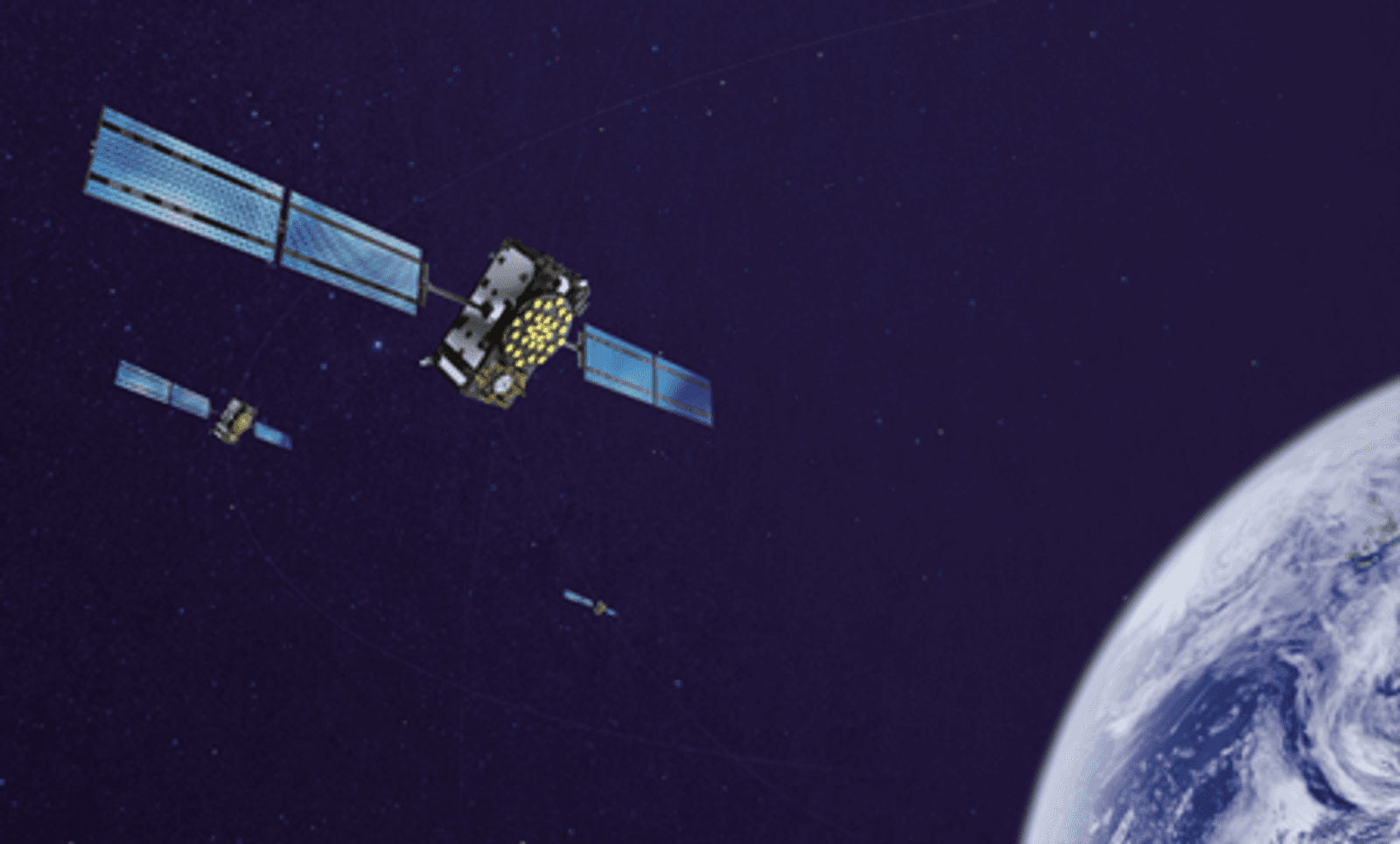
The other space flagship component Galileo, the EU's Global Navigation Satellite System (GNSS), provides precise positioning and timing information that offers numerous applications of interest to the renewable energy sector. For example, Galileo can be utilised for time synchronisation in smart energy grids, as well as for mapping sites during planning and for providing positioning during construction, installation and maintenance.
In the future, smart energy will enable seamless communication among all energy market participants, resulting in more responsive energy supplies. Galileo will play a crucial role by enabling highly accurate and reliable means of synchronising intelligent grid sensors, ensuring the successful and efficient operation of smart grids. This synchronisation infrastructure is essential for achieving such benefits as cost reduction, improved efficiency and the seamless integration of energy sources – including renewable energy.
Whether using traditional means or navigational drones, Galileo-enabled GNSS receivers are integral to the mapping of sites during the construction phase. They also support maintenance tasks such as inspecting solar panels or wind turbines using drones.
The Galileo Open Service, freely available, offers various advantages. It enhances accuracy and availability in GNSS by incorporating multi-GNSS, thereby improving the performance of existing systems like GPS.
Additionally, Galileo provides excellent performance in the timing and synchronization domain, allowing users to access accurate and robust timing signals. The service also contributes to enhanced resilience through features like the soon to be available Galileo Open Service Navigation Message Authentication (OSNMA), which strengthens the robustness of GNSS timing and positioning signals to detect spoofing attacks. Leveraging these benefits, renewable energy projects can optimize their operations and ensure reliable synchronization.
For more information about Galileo please visit EUSPA website.
As the world moves towards a greener future, the EU Space Programme stands ready to support the development and deployment of renewable energy solutions. By harnessing the power of Copernicus and Galileo, we can accelerate the transition to a sustainable energy future that is secure, affordable, and environmentally responsible.
EUSPA
The mission of the European Union Agency for the Space Programme (EUSPA) is defined by the EU Space Programme Regulation. EUSPA’s mission is to be the user-oriented operational Agency of the EU Space Programme, contributing to sustainable growth, security and safety of the European Union.
Our objectives are to:
- Provide long-term, state-of-the-art safe and secure Galileo and EGNOS positioning, navigation and timing services and cost-effective satellite communications services for GOVSATCOM and soon IRIS2, and Front Desk services of the EU Space Surveillance Tracking whilst ensuring the systems’ service continuity and robustness;
- Communicate, promote, and develop the market for data, information and services offered by Galileo, EGNOS, Copernicus and GOVSATCOM and soon IRIS2;
- Provide space-based tools and services to enhance the safety of the Union and its Member States. In particular, to support PRS usage across the EU;
- Implement and monitor the security of the EU Space Programme, assist in and be the reference for the use of the secured services, enhancing the security of the Union and its Member States;
- Foster the development of a vibrant European space ecosystem by providing market intelligence, and technical know-how to innovators, academia, start-ups, and SMEs. The agency leverages Horizon Europe, other EU funding, and innovative procurement mechanisms.
Find out more about the European Union Agency for the Space Programme: linking space to user needs.