How digital transformation is driving energy access in emerging markets
Pamela Largue
Posted on: 6 September 2023
Zola Electric employs a unique enterprise technology platform to provide solar and storage solutions to communities with little or no energy access.
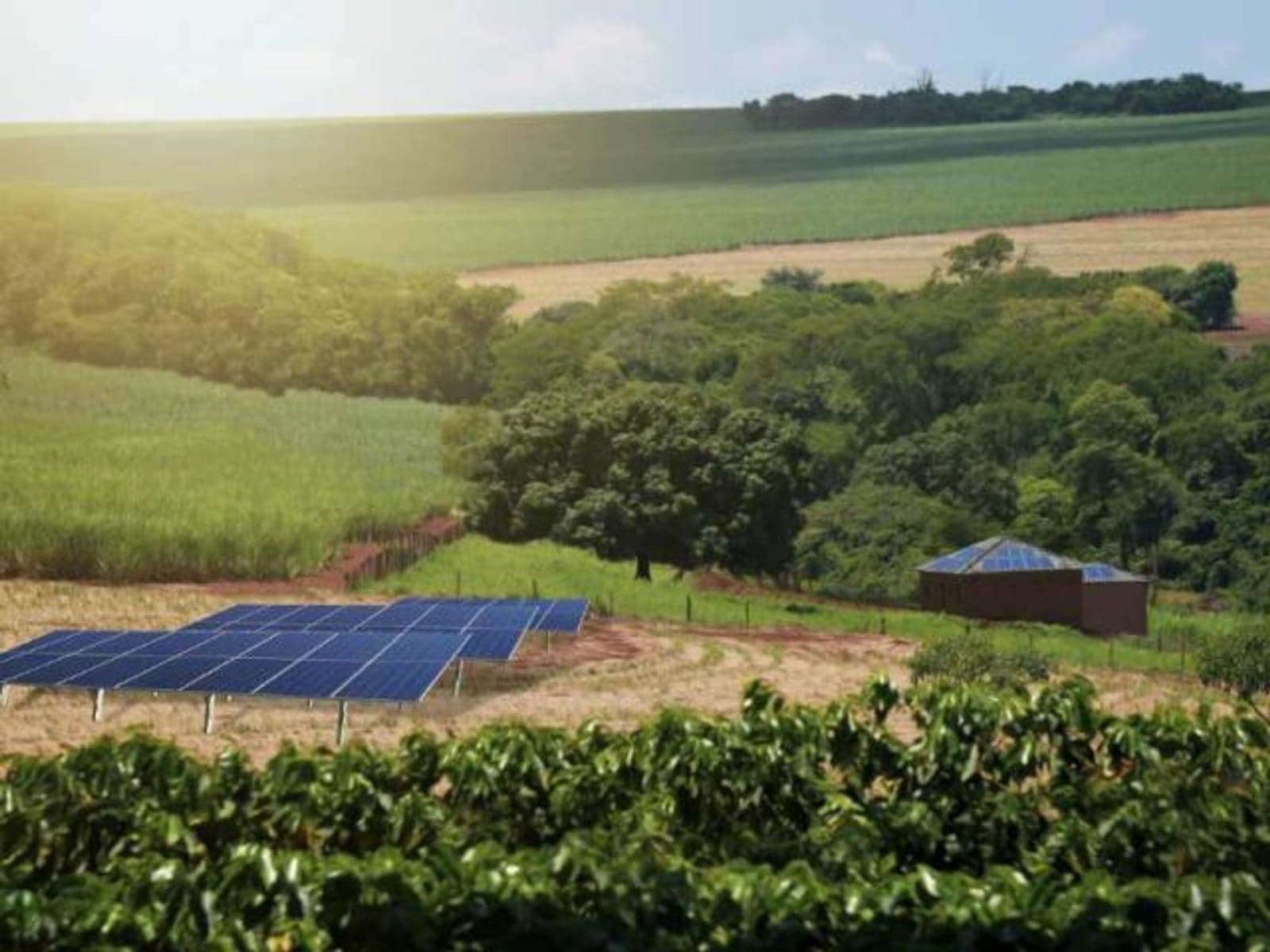
Zola Electric is a San Francisco-based company on a mission to increase energy access in emerging markets by driving community-level electrification.
The Zola team is deploying a distributed grid system to areas without electricity, as well as the tech capabilities to support local integrators and distributors.
The company, founded in 2011, is led by CEO Bill Lenihan and in January this year, former Google chief information officer Ben Fried joined as a senior advisor and board member.
Power Engineering International gained more insight into the energy landscape in emerging markets and why Zola believes connected devices will be the key to energy transition.
In which countries and markets are you focusing at the moment and can you talk about the current grid infrastructure or energy landscape in those areas?
Our market is anywhere in the globe suffering from energy inequality. Energy Access markets encapsulate three billion people and hundreds of millions of businesses – across over 80 countries around the world – that are unable to access reliable, affordable, and clean energy.
ZOLA is currently present on four continents in 10+ countries – including South Africa, Tanzania, Nigeria, Ivory Coast, Papua New Guinea, Haiti, and others.
Whilst each market has its nuances and differences, there are commonalities across all emerging market landscapes – which include expensive, polluting energy sources such as diesel and kerosene, and a lack of affordable, reliable, sustainable alternatives.
This was certainly the case when we first started; ZOLA was created with a mission to replace kerosene from rural Tanzanian homes with small, connected, smart battery (provisioned with solar energy) devices.
Currently, more than 3 billion people globally lack access to clean, affordable, and reliable power, and rapidly increasing urban populations are straining structurally weak grids. Unreliable and intermittent power supplies across the world have a profound negative impact on economic well-being, health, education, business productivity and overall development.
Have you read?
Overcoming grid interconnect obstacles to deploy renewable energy
Why the journey from digital to smart must include ‘responsible’ AI
This lack of equitable access to energy is something we seek to resolve all around the globe. We work to unlock the potential of people, and businesses – and solve any energy access problem, be it, off-grid, on-grid, rural, urban, residential, or commercial.
What trends are you seeing in how energy infrastructure and electricity markets are developing in these areas?
Decentralised energy
The big trend we are seeing and driving is power-as-a-service delivered through distributed, networked architecture. Since the advent of centralised grid architecture, it has never delivered affordable, reliable energy in emerging, energy access markets. Distributed energy, however, even in its infancy, has delivered on its promise of affordable, reliable energy in addition to introducing renewables required to fight global warming.
Digitalisation
With the digitalisation of energy systems comes the ability to provide intelligent, efficient, reliable, and sustainable systems that enable decarbonization alongside affordability.
Digitalisation is crucial to accelerating the growing share of renewable energy, delivering flexible electricity systems that combine energy generation and energy storage and facilitate the build-out of intelligent, digitally managed networks that continuously optimize energy sources to drive efficiency, cost reduction and sustainability.
Digitalisation also facilitates more efficient management of energy networks with intelligence and controls.
Changes to the grid edge
The need for smart, flexible improvements to the grid edge is only increasing. As we generate, use and manage increasingly innovative energy networks at the grid edge, we must continue to drive the expansion and efficiency of these new networks to deliver benefits to as many people as possible.
In many of the markets we operate in, we are powering communities and homes at great distances from larger towns, or cities – requiring autonomous power systems, sometimes using completely new structures or technologies.
Contrasting this to traditional centralized architecture, the resilience, reliability, and flexibility of the distributed mini-grid model delivers multiple advantages – including affordability for end users, without compromising on environmental impact. We predict models like this will only continue to gain traction in the push for energy access and equality.
Regional policy changes to support these developments
The traditional dichotomy purports that developed markets' energy policy focuses on the deliverance of clean, climate-friendly energy – while emerging markets look more towards facilitating energy access, with sustainability often a secondary priority.
It is true that we are starting to see policies implemented in emerging markets that pertain to the clean energy transition and fulfilling global climate targets. These policies vary regionally and are still in their infancy.
Also of interest
New joint venture to boost hydropower capacity in Madagascar
Coup in Niger brings country’s uranium resources into sharper focus
These new sustainability-focused policies, combined with the on-the-ground work our impact-driven distributor partners are doing in building out clean energy infrastructure – highlight the potential of these landscapes to serve as blueprints for other emerging, and developed, markets, to build out the affordable, reliable, sustainable energy networks of the future.
Ben, how did your previous experience at Google equip you for your mission at ZOLA?
At Google, I led some of the world’s most talented engineers and pioneered the development and market launch of leading enterprise technology solutions globally. When I heard about ZOLA’s solutions, I was instantly on board and saw an opportunity to use my experience towards a greater benefit – developing enterprise technology solutions that deliver energy access around the world.
This is a cause I fully believe in and I am proud to be a supporting Bill and ZOLA Electric on its energy equality mission.
Could an entrepreneur set up a 'private utility' with metering? What cyber protections are included?
Through our technology, entrepreneurs can set up power-as-a-service utility models – with, or without metering. With our solutions, our customers are able to price the delivery of the service with metering, in line with the traditional utility model and consumption – or based on delivery of the service on a monthly rental basis, loan basis, or any other pricing construct.
How are projects funded?
We enable our integrator partners to build out and manage their networks – with funding varying accordingly.
Furthermore, we collaborate with leading global organizations such as META, the Shell Foundation, USAID, Endev, with technical support from NXT Grid.
We are also backed by Tesla, TotalEnergies Ventures, Helios Investment Partners, Lyndon and Pete Rive, FMO, Cercano Management, DBL – having raised well in excess of $100m of capital to build ZOLA into what it is today.
What is next for ZOLA in terms of reaching new markets/introducing new solutions or embracing new tech or innovation?
We are constantly looking to new markets where there is scope and potential to collaborate with impact-driven distributor partners and drive energy equality around the globe where it is most needed.
As we continue to grow, we will naturally commercially expand, with a particular focus on the 80 countries across the globe, stricken with energy inequality, and the three billion people and hundreds of millions of businesses that need our life-changing solutions the most.