How space data is aiding tracking of steel sector decarbonisation
Jonathan Spencer Jones
Posted on: 25 September 2024
London-based TransitionZero is using satellite imagery to enhance and augment existing open access data to track decarbonisation in the steel industry.
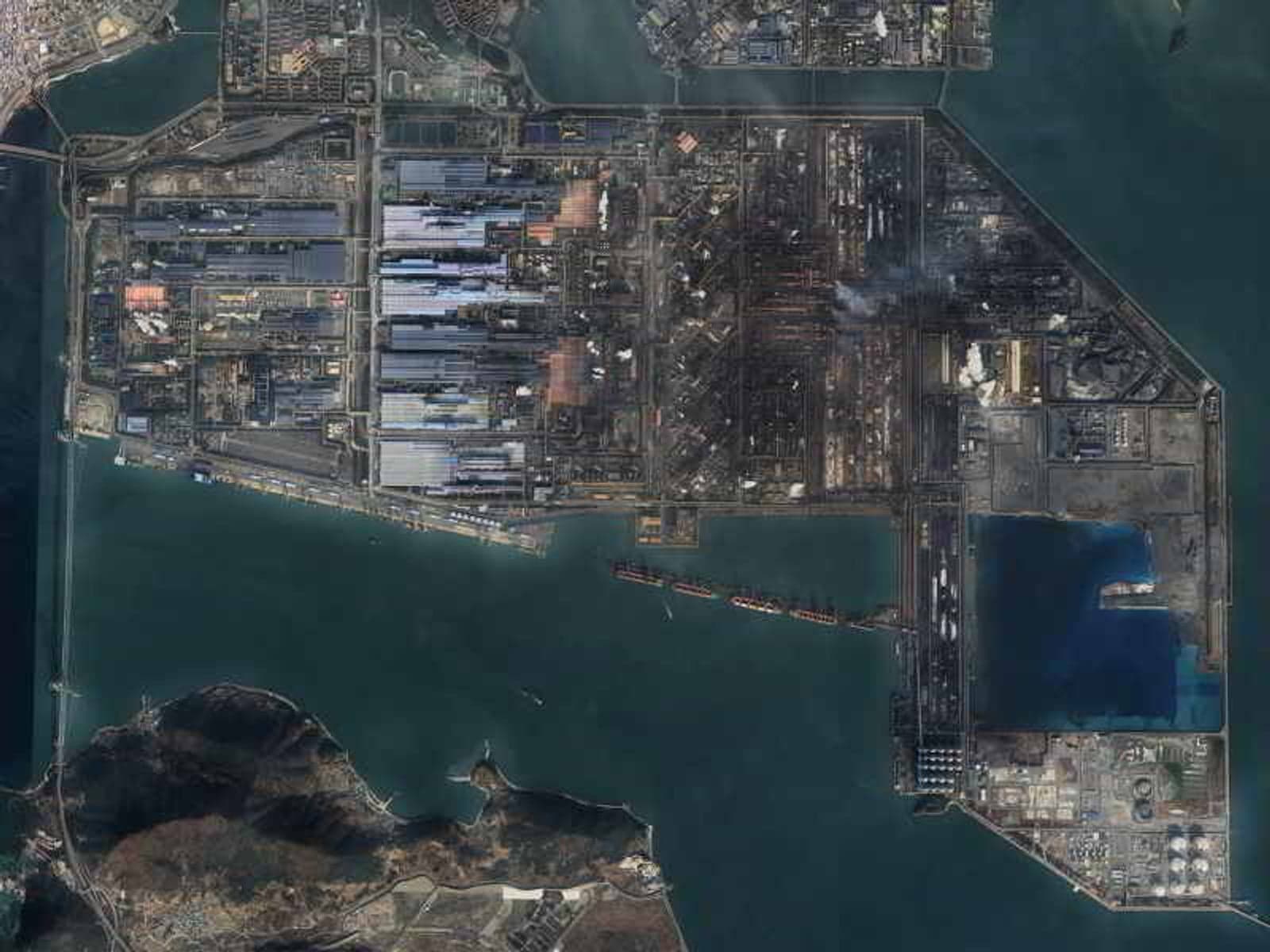
London-based TransitionZero is using satellite imagery to enhance and augment existing open access data to track decarbonisation in the steel industry.
Using Global Energy Monitor’s ‘Global steel plant tracker’ as a foundation, TransitionZero, a specialist in open source climate analytics, has built a global dataset of blast furnaces, coke oven batteries, sinters and pellet plants with the help of its satellite-based hotspot methodology.
Its 2024 dataset spans 40 countries and contains the location, shape, crude steel capacity and operation start year for 345 steel plants and the location, shape and type for over 2,300 of their associated sub-assets.
Historical heat signatures are collected for each identified unit, with new data appended during subsequent satellite passes – an iterative process that has helped to develop a more granular, asset-level database for estimating steel production and emissions than has been available to date, writes Ashank Sinha, TransitionZero’s head of heavy industry and commodity data in a company blogpost.
Have you read?
Industry giants look to nuclear to decarbonise Italy’s steel industry
Green hydrogen to decarbonise Europe’s largest steelmaking site
Steel plays a vital role in everyday life, with demand projected to continue to increase, at least towards 2030.
However, it also is the most polluting, largely due to its reliance on coking coal to generate the energy and heat required to convert iron ore into steel, and is therefore an important sector for decarbonisation with the need for accurate data for tracking progress.
TransitionZero’s methodology, which is being developed with emissions tracker Climate Trace, is limited to blast furnace-blast oxygen furnace facilities and draws on infrared satellite imagery from the ESA Sentinel-2 and Landsat 8 satellites to identify hotspots, i.e. areas with high levels of activity, within the heat signatures from the 345 steel plants.
From the intensity of the hotspot above each plant, its production level and emissions are estimated.
Blast furnace-blast oxygen furnace facilities account for almost three-quarters of global crude steel production and while the industry is moving towards electric arc furnaces, its share hasn’t decreased significantly over the past 10 years.
TransitionZero’s dataset is intended to supplement Global Energy Monitor’s ‘global blast furnace tracker’ but does not include the location of blast furnaces or facility-level information about energy intensive coke ovens, sinters or pellet plants.
The methodology is being used to estimate production and emissions for steel plants worldwide, with a new release of that data due to be published later in 2024 through Climate Trace.
As part of Climate Trace, TransitionZero is responsible for heavy industry and power generation data.
Related tags
Latest in Digitalisation
All articlesMembers only content
+3
Cybersecurity and digital infrastructure resilience for a complex grid
Cybersecurity is considered the second most significant threat facing the energy sector after geopolitical issues including conflicts, trade wars and access to critical minerals.
- Enlit Editorial Team
- 03/06/2026