First commercial emissions sensor launched into orbit
Pamela Largue
Posted on: 16 November 2023
The first orbital sensor able to pinpoint CO2 emissions from individual industrial facilities| was launched from Vandenberg Space Force Base in California.
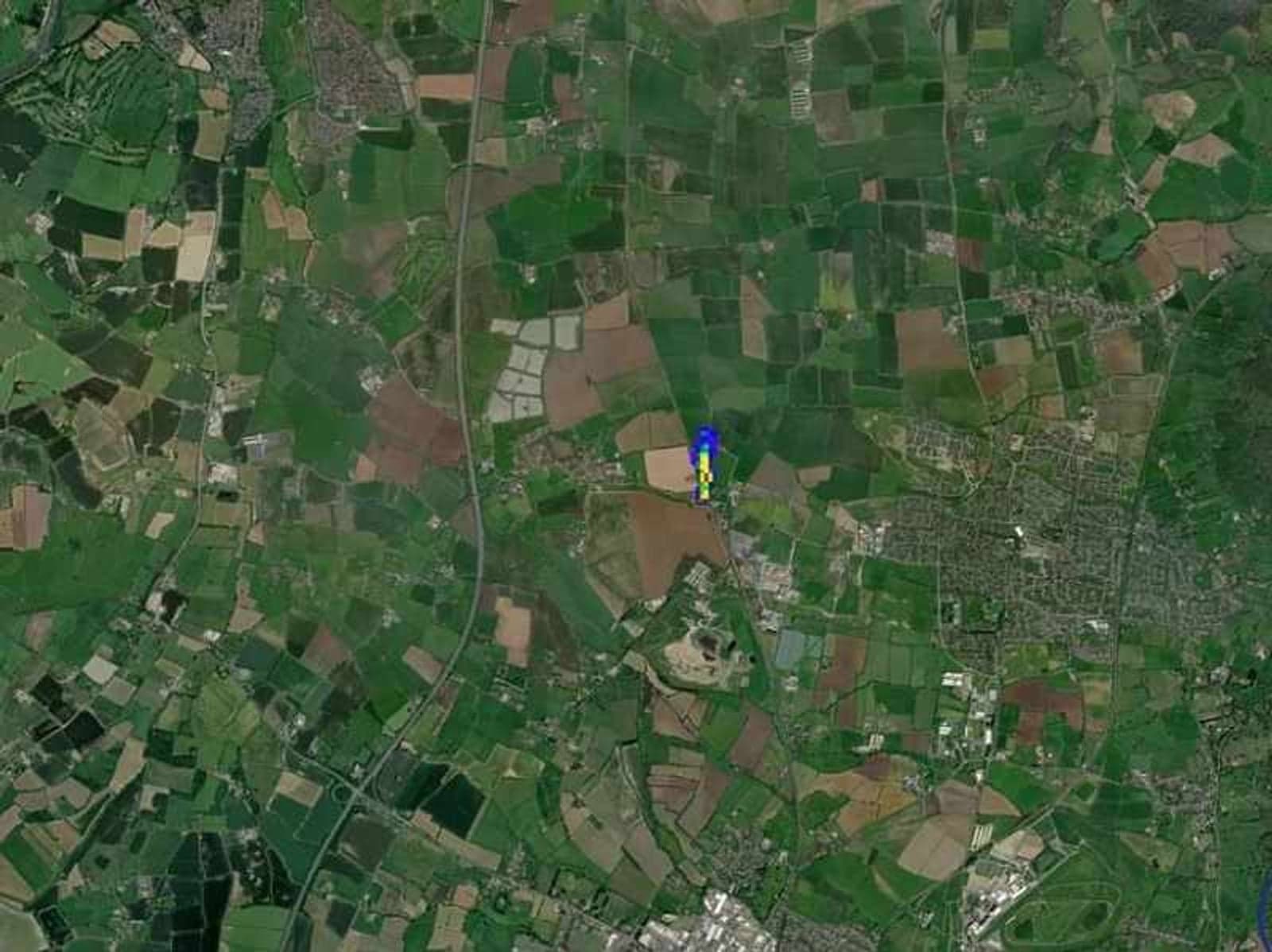
The first orbital sensor able to pinpoint carbon dioxide emissions from individual industrial facilities, such as power plants, was successfully launched from Vandenberg Space Force Base in California.
The sensor, known as Vanguard, was developed by emissions detection specialist GHGSat and will provide high-resolution CO2 data from individual sites.
GHGSat uses nine satellites to make over two million facility measurements annually, on and offshore, providing data to NASA, ESA and the United Nations.
The company is now using its space-proven technology to change how emissions are monitored, thereby providing greater support to decarbonise hard-to-abate sectors and power plants.
The Vanguard satellite
GHGSat explains that unlike the public CO2 satellites currently operating in orbit, Vanguard can hone in on individual targets and accurately attribute emissions.
Have you read?
Space-based solar potential endorsed by UK researchers
Framatome shoots for the stars with new space division
This will allow operators of industrial complexes and power plants to access emissions data, supplementing Continuous Emissions Monitoring Systems (CEMS) in place, and providing independent verification to improve Environmental Social and Governance reporting.
Stephane Germain, CEO at GHGSat, said: “With regulators, investors and the public increasingly holding companies to account, for both their direct and indirect emissions, there is little doubt that better CO2 data is needed.
"Trusted, independent data will help incentivize industry to manage its emissions effectively. It will ensure that climate policies are well-founded. Above all, it will help all of us stay on track to achieve Net Zero by 2050.”
Vanguard was launched into space on board SpaceX's Falcon 9 during the Transporter-9 mission via Exolaunch. The GHGSat sensor payloads were built by ABB in Canada and integrated into satellites designed, built and operated by Spire Global.
GHGSat satellites circle the planet in a sun-synchronous polar orbit c.500kms above the Earth’s surface. They follow a north–south trajectory, passing over - or near - the Earth's poles, completing a full orbit in about 90 minutes.
EU toughens up on emissions
The launch of Vanguard is accompanied by news that the European Parliament and Council reached a provisional agreement on a new EU Regulation to reduce energy sector methane emissions in Europe and in global supply chains.
According to the European Commission, the agreement will oblige the fossil gas, oil and coal industries to enforce greater measuring, monitoring, reporting and verifying of their methane emissions in an effort to realise European Green Deal and net zero targets.