Home
/
How the Lombardy Energy Cleantech Cluster is tackling the transition through collaboration
How the Lombardy Energy Cleantech Cluster is tackling the transition through collaboration
Yusuf Latief
Posted on: 25 November 2024
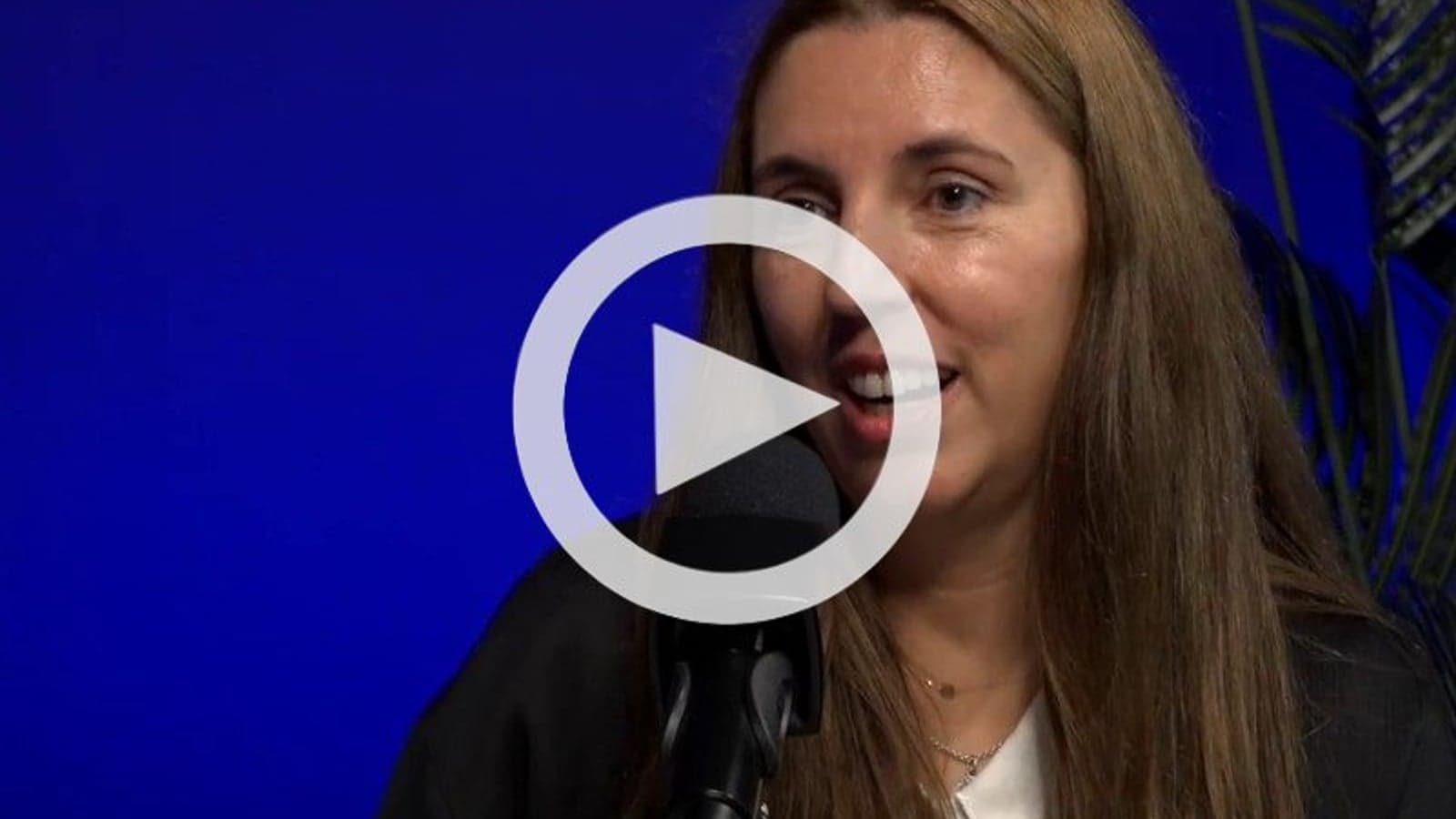
In an exclusive interview during Enlit Europe, Carmen Disanto, Cluster Manager of the Lombardy Energy Cleantech Cluster (LE2C), discusses the technologies involved in the cluster and the key challenges they have been experiencing.
In an exclusive interview during Enlit Europe, Carmen Disanto, Cluster Manager of the Lombardy Energy Cleantech Cluster (LE2C), discusses the technologies involved in the cluster and the key challenges they have been experiencing.
The Lombardy Energy Cleantech Cluster - made up of approximately 100 businesses, 15 entrepreneurial associations and non-profit organisations, nine universities and research centres, five public administration bodies, four banking institutions and two press organisations – aims to create synergies between the industrial and energy sectors in Italy.
No small task, their work revolves around six key tech areas. Disanto explains:
“We work mainly with six sectors…smart energy systems, that includes all the power, so all the energy production, [not only] renewable but also distribution – smart grids, storage and so on.
“Another sector is green buildings, and for green building I mean nearly 0 emission houses [considering] not only the building itself but also the heating and cooling, solar pv and so on.
“Sustainable manufacturing, digitalisation, circular economy…clean air and water and energy nexus. For water and energy nexus we include not only water to produce energy like hydropower, but also energy to have a better quality water, so anything connected to weather management.”
More from Enlit Europe:
Why the new EU Commission and US administration will not slow gas tech
Eurelectric chief: Four ‘I’s for the incoming EU European Commission
As with any sector that involves innovation, which is especially so in the case of the Lombardy cluster, challenges amount.
For Disanto, starting from infrastructure, these challenges have been diverse:
“You have to consider that in Italy the major investment in infrastructure has been done in the late 50s, 60s and 70s so now [its] very, very old.
“Consider bridges. Our bridge are very old so we have to rebuild…but [to] come back to energy issue, sector coupling needs new infrastructure because we are working on something new that doesn’t exist with mature technology.”
According to Disanto, because of the innovative nature of their work, there are multiple issues to consider, such as enhancing grid infrastructure, a task that cannot be done solely by companies because of the major investments needed.
“…the major investments must be done by the municipality and most of all government, the Italian government.”
Watch the rest of the interview with Disanto to learn more about the Cleantech Cluster, the key role players as well and how the cluster has made an impact on decarbonisation.