Biomethane key to decarbonising Italy's hard-to-abate sectors
Pamela Largue
Posted on: 25 October 2024
Biomethane can play a significant role in achieving Italy's clean energy objectives and has great potential to help hard-to-abate sectors decarbonise.

Biomethane can play a significant role in achieving Italy's clean energy objectives and has great potential to help hard-to-abate sectors decarbonise.
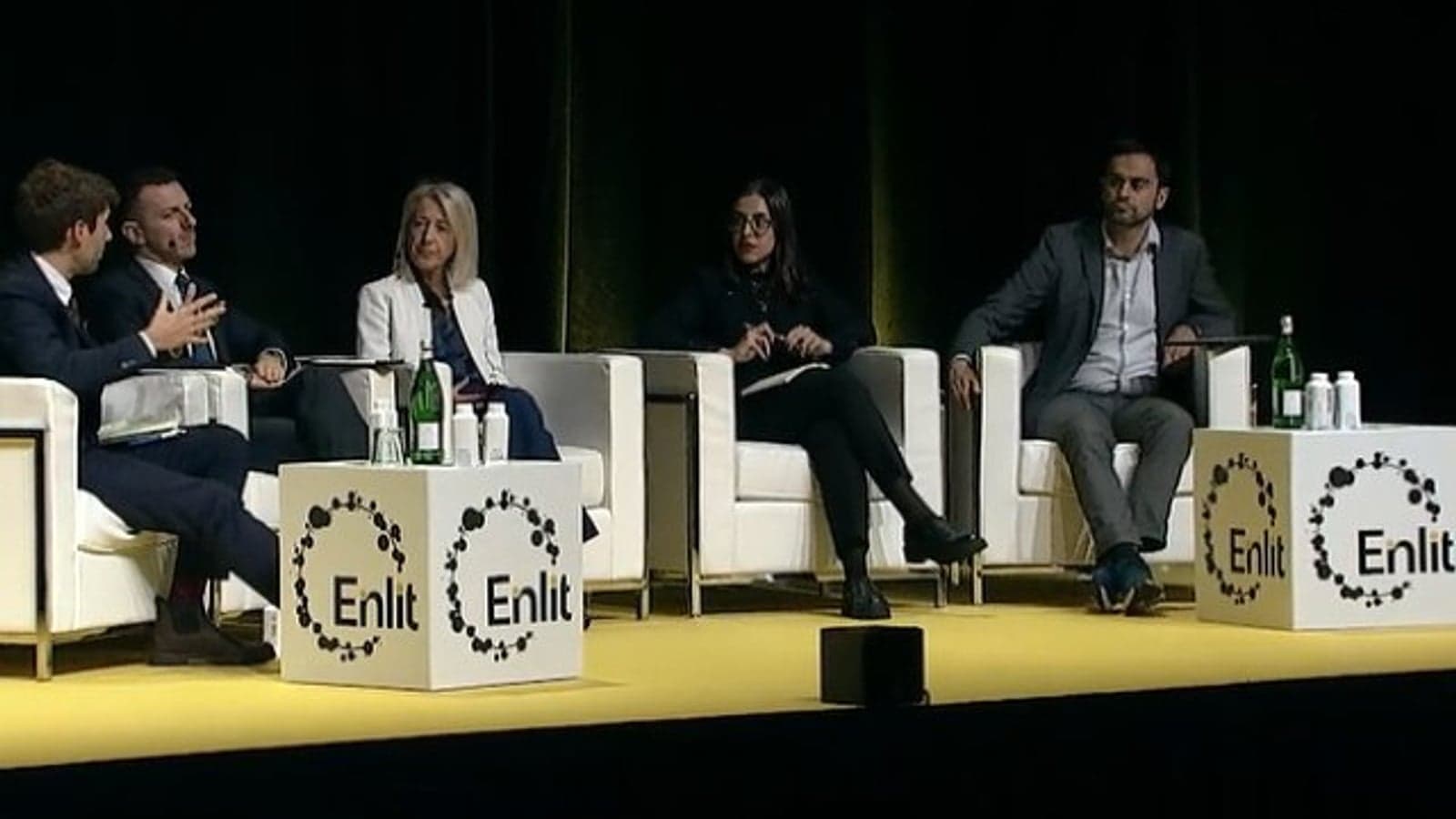
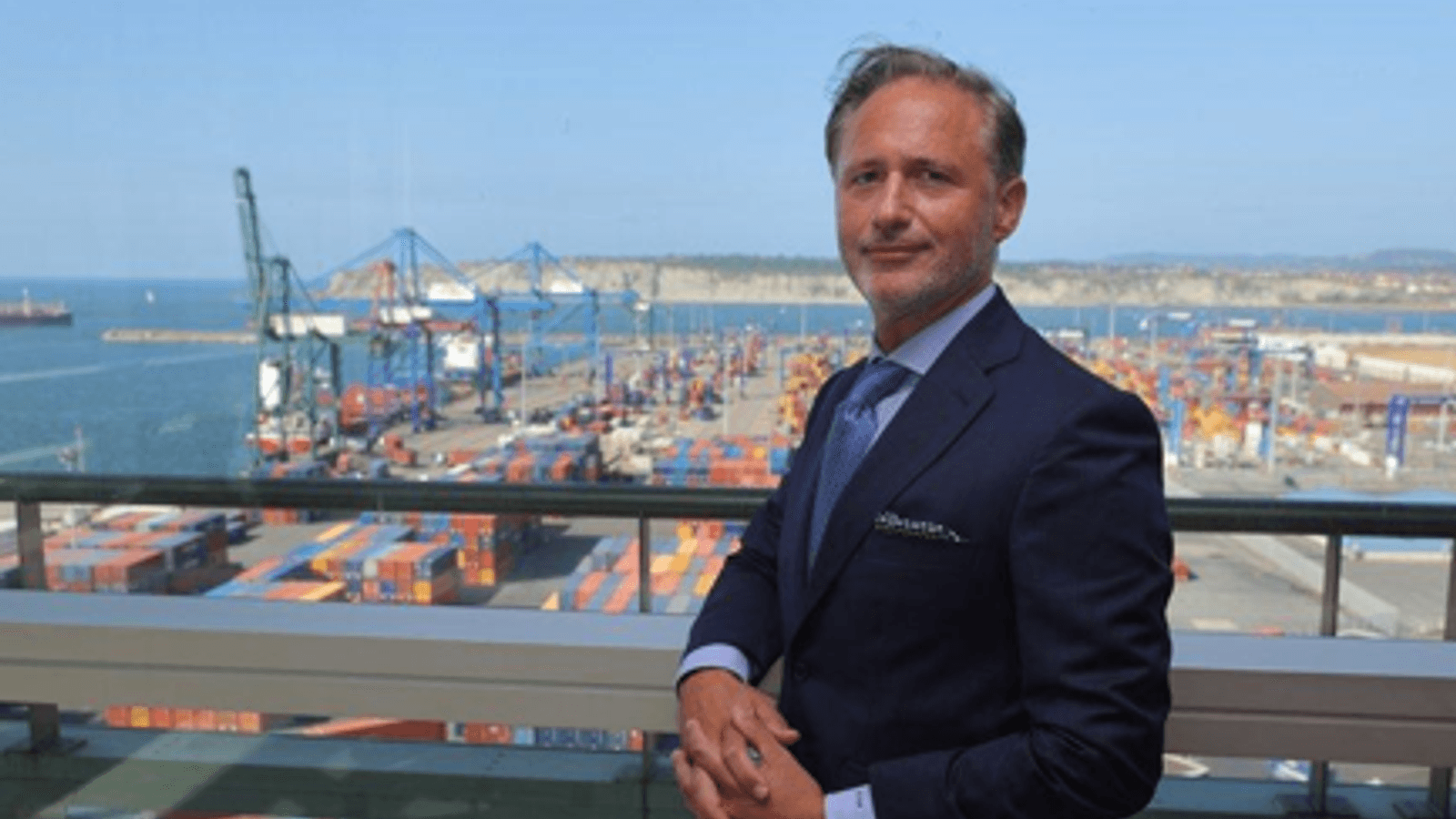
That was the message from Claudio Sanna, chairman of the Elevion Group Italy, at Enlit Europe, where he spoke about Italy's rapidly growing biomethane market.
"Italy is among the top three countries in Europe in terms of planned biomethane investments to 2030, according to EBA," said Sanna.
In Italy, there are currently approximately 2,260 biogas production plants, with an installed capacity of 1,455MW and an output of around 2.5 billion cubic meters, making the country the fourth-largest worldwide, after Germany, China, and the US.
Italy's biomethane production, emphasised Sanna, will be key to decarbonising hard-to-abate sectors, and the country's Guarantees of Origin (GO Mechanism) will be key to making this happen.
Guarantees of Origin (GO) represent one of the main incentive systems enabling investments in renewable energy facilities.
"GO will bring value to the market for end users and hard-to-abate sectors, if we can substitute the gas for biomethane."
Have you read?
Octopus CEO Jackson puts his family at heart of energy transition plea
How Ukraine is evolving its energy system by building grid resilience
It’s time for utilities to evolve for the new energy customer says AGL’s Jo Egan
Italy has been expanding the scope of the GO since 2021, said Sanna, and the system now includes biomethane as well.
In the March 2024 auction GOs were offered for the first time for biomethane in transport (non-exportable) to operators admitted to competitive procedures.
This year, said Sanna, the first commercial contracts in Italy have been signed and the Italian government is expected to introduce new incentive measures to promote the use of biomethane in energy-intensive industries.
This will take the form of power purchase agreements and offering a regulated electricity price for energy-intensive companies that commit to developing new renewable energy capacity.
There is great potential to scale and according to Claudio, the only way we can create that scale is to address the top three pressing issues: Encourage sectoral integration; Ensure feedstock quality and availability; and ensure coherent incentive schemes and a unified EU biomethane market.
Sanna is encouraged by the increasing social acceptance and the growing interest from end users.
However, he believes there is a great deal of work needed to develop the supply chain and encourage investments.
Related tags
Latest content
+1
How the Lombardy Energy Cleantech Cluster is tackling the transition through collaboration
In an exclusive interview during Enlit Europe, Carmen Disanto, Cluster Manager of the Lombardy Energy Cleantech Cluster (LE2C), discusses the technologies involved in the cluster and the key challenges they have been experiencing.
- Yusuf Latief
- 25/11/2024