How to achieve attractive business models for energy storage – EASE
Yusuf Latief
Posted on: 11 June 2023
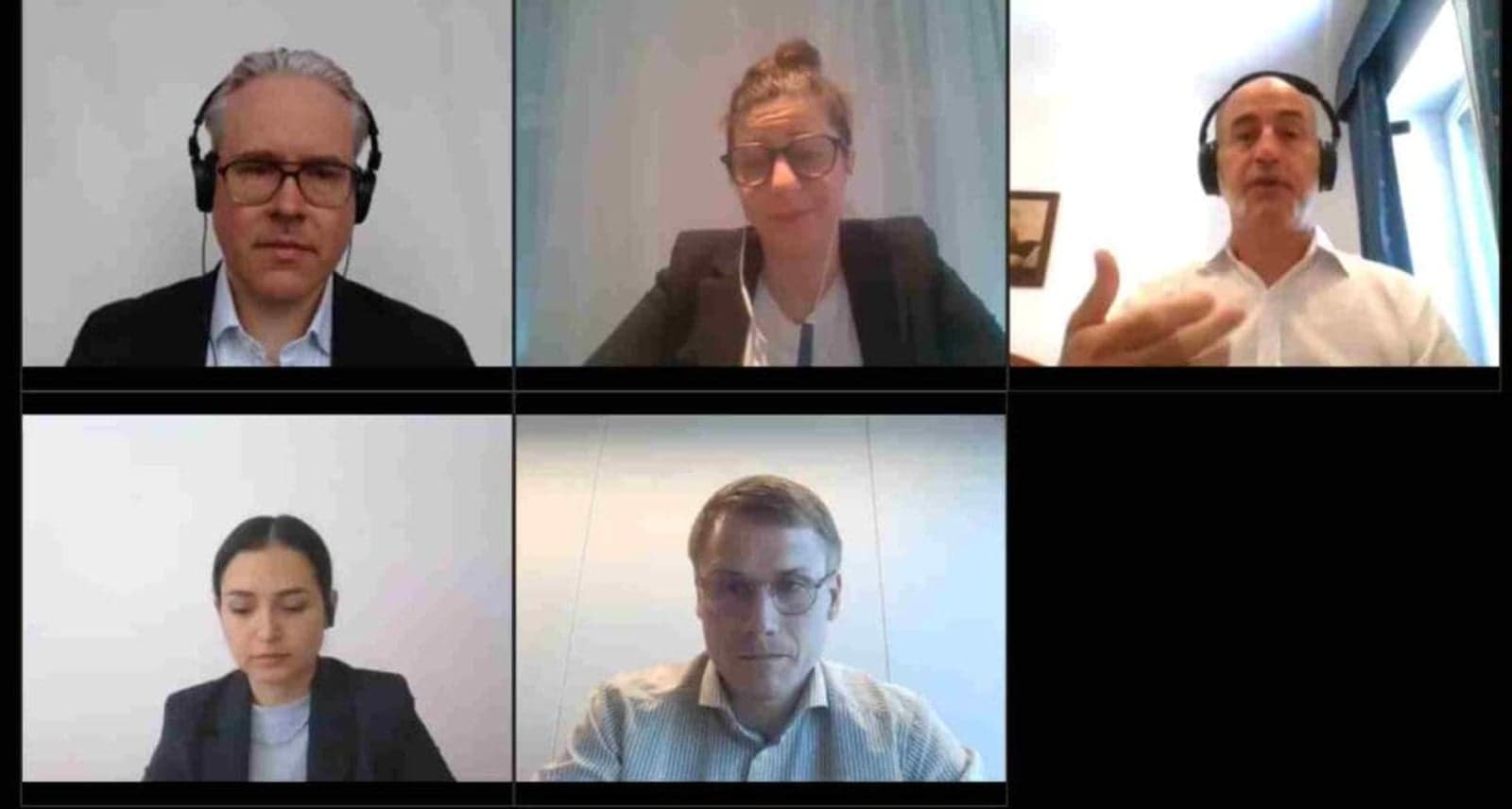
Experts spoke today in a webinar hosted by EASE on the different storage technologies and the business models that they might inspire.
"Every system in Europe is different – it’s a jungle to be in."
The place of long duration energy storage within the energy matrix is undisputed; it provides relief for the grid during peak hours of demand and has demonstrated a significant potential source of revenue.
Experts spoke today in a webinar hosted by the European Association for Storage of Energy (EASE) on the different storage technologies and the business models that they might inspire.
For Bjarke Buchbjerg, Kyoto Group CTO, the complexity of the storage business case represents a significant departure from the “simple” way of looking at the energy system that the old era of fossil fuel generation and transmission boasted.
With the energy transition, we now have to “develop [a system] that takes everything into consideration.” A feat not so simple, especially in Europe, when we acknowledge that “every system in Europe is different – it’s a jungle to be in.”
Have you read?
Hybrid renewable power plants won’t cure grid congestion – study
Masdar signs 2GW renewable energy plus storage deal in Uzbekistan
And in the face of this, the webinar presenters and moderator Patrick Clerens – the secretary general of EASE – discussed that “there’s not one single silver bullet for a storage device with revenue.” However, there are revenue use cases that continue to prove true.
Speaking on the case of thermal storage and how it has shown a profitable use case for industrial applications was Dr Robert Pfab, Carbon Clean Technologies COO:
“The first important thing to realise when considering a storage-focused business model, is that in many areas companies have already made an undertaking to decarbonise their production.
“Some of these are on a relatively midterm timetable; some of them are unfortunately a little bit longer. But what we’re starting to see is that there is a strategic drive of many companies to decarbonise. One side of this is, of course, related to ESG and governance, but when you go down into the actual business models that can be applied, we need to distinguish between two different areas.”
The first area he mentions is the industrial side – constructing nearby or on-site a renewable generative source, the type depending on the given geography, and using the produced renewable electricity alongside thermal storage to decarbonise.
Through this, consumers “completely strip out of their business” all of the fossil fuel costs otherwise associated with energy.
“What they replace this with is essentially investment in the capital costs required for constructing the [renewable site] and energy storage.”
Market conditions for these types of investments have, arguably, never been more lucrative, he adds as, for example, “the current price of photovoltaics has really plummeted over recent years and businesses can achieve substantial savings.”
Exclusive: Kadri Simson reveals urgent next steps to accelerate energy transition
The second application he refers to is that of grid operation, where the energy storage system – in this case, thermal – is actively used on the grid.
“Purchasing power ideally at the lowest price every day or week and providing that energy to the industrial process and continuous supply of heat,” is one way of using such storage tech for revenue generation, while alleviating the grid.
On top of that, Pfab adds how “additional services can be layered on the electricity market, such as the secondary control reserve to reduce the overall cost of energy.”
When these types of solutions are then being implemented by large consumers, immense savings are generated regarding fuel and CO2 emissions, while simultaneously allowing for the generation of an additional revenue stream.
“When we pool all these factors together, I think we can generate for a host of European countries, very attractive business models for operating energy storage systems.”

Related tags
Latest content
+1
Project TradeRES – New market designs for green European power system: preliminary findings
TradeRES is an EU-finded project with the objective of developing and testing an innovative electricity market design that can meet society’s needs in a near 100% renewable power system.
- Guest/partner contributor
- 15/05/2024