How to address critical energy system challenges – A macro perspective
Guest/partner contributor
Posted on: 8 February 2023
Based on his nearly 50 years of experience within the energy industry, Dr Hemmat Safwat presents a brief guide to addressing our most pressing energy challenges.

According to independent energy expert Dr Hemmat Safwat, in our efforts to balance achieving energy security, decarbonisation and economic growth, we are facing several energy challenges that need to be addressed urgently and systematically to ensure a sustainable outcome.
Safwat highlights seven main challenges disrupting the energy system, including:
- Fossil fuel electrical generation plants must be reduced to decrease the threat of climate change.
- Heavy consumption of fossil fuels needs to be reduced to prevent the early depletion of the world's fossil resources.
- The electrical power systems, which form the backbone of the electrical supply, must be revamped and optimized to allow multi-directional electrical flow.
- With the growth of intermittent renewable energy, more energy storage needs to come online, short/long duration storage types must be optimized, as well as the distance between the location of the power plant and the use point(s).
- The selection of the power plant location must optimize the economies of the transfer of the generated energy to the points of use and balance the environmental impact. Distributed Generation offers some advantages attained from proximity to the loads but generally is limited in capacity due to different constraints.
- Expanding nuclear power generation should be approached carefully as they eject large amounts of heat (because of the lower efficiency for the steam cycles they use) and despite the fact they do not emit CO2, the radioactive waste they produce has a long life - hundreds of years if not thousands.
- To support transportation – aviation, marine and land applications, the drive for decarbonisation with switching to electrical and wider use of batteries.
Further, with the importance of securing clean water amid the scarcities many countries face, Safwat notes that the water-energy nexus must be maximized with energy-efficient desalination processes. Sea Water Reverse Osmosis (SWRO) has developed considerably in the last years resulting in much less electrical consumption compared to the energy consumption of evaporative desalination.
Based on his nearly 50 years of experience within the energy industry, Safwat presents a brief guide to addressing these energy challenges.
Energy conservation must be a top priority
On the consumer side what can be satisfied by low temperature heating e.g., domestic hot water or winter space heating should be covered to the maximum extent by solar water heaters.

Households should avoid unnecessary wasting of electricity so home appliances including air conditioning equipment should be energy efficient.
In households, smart appliances and digital controls provide means to optimize use and operation of appliances leading to electricity savings. The same should apply in commercial and industrial facilities.
Buildings must be designed to minimize air conditioning loads, e.g., architectural – avoiding excessive windows, orientation to minimize solar loads, and use of appropriate building materials to minimize heat loss and heat gains as appropriate.
Also of interest
Decarbonising energy consuming assets
Renewables + energy efficiency + demand response = the new transition equation
On the supply side, fossil electrical generation plants should utilize high efficiency cycles. Fuel cell power plants hold some advantages because of higher efficiency compared to thermodynamic cycles. The optimization of the capital and operational costs should be a main objective, factoring sustainability, and environmental considerations.
Striving to minimize auxiliary loads consumed in the power plant is a must. This is a key consideration in renewable power plants as the dispersed energy received (low intensity e.g., radiation kW/m2) appropriate means e.g., to make up for lost energy in the plant more PV panels need to be deployed.
In power plants, the unit start-up and fast load change characteristics play an important role in the design of the power plant being a base load, cycling or peaking type. With the increase of renewable energy (mainly dependent on nature), the characterization of a power plant in these terms takes on a different nature.
Decarbonisation: Minimising fossil fuel usage
It is clear that because of the high CO2 emissions of coal and fuel oil, natural gas is now the preferred fossil fuel for power plants. The transport of natural gas through pipeline systems has served many countries well.
If Liquid Natural Gas (LNG) is considered, it requires appropriate infrastructure (liquefaction at the natural gas source, transport via LNG ships and LNG re-gasification at or close to receiving terminal).
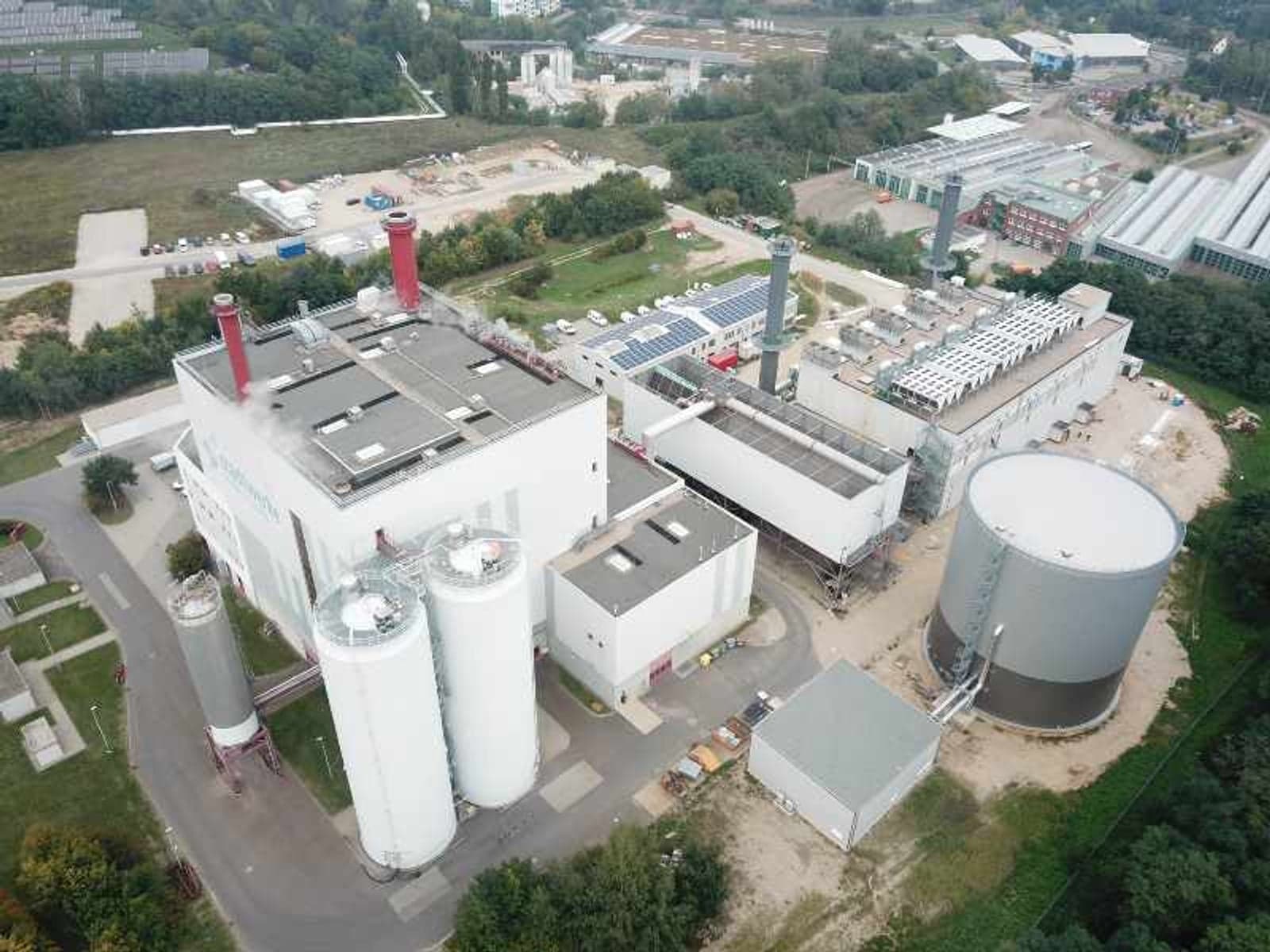
Now that we have a global agreement to reduce CO2, countries with the largest CO2 emissions must take measures to minimise/eliminate the use of coal/oil in industrial or power plants/transport means.
In a transitional minimum period, limited operational times could be allowed after agreeing to rules and monitoring schemes.
Efforts to reduce energy usage must be a target for all countries and penalties for CO2 emission must be enacted globally.
Projects for the storage of CO2 for potential uses have had limited demonstrations to date. If such schemes prove to be economical, CO2 storage may have a small contribution in diverting some quantities of CO2 away from the atmosphere.
Eni decarbonises natural gas plant with Mitsubishi CCUS technology
Increasing the role of renewable energy
As we drive towards minimising the role of fossil fuels, the world must continue to expand applications of hydro, wind, and solar power plants.
The reality will dictate in the immediate future a mix of resources that include renewable energy and a diminishing fossil type (primarily natural gas). Innovations will lead to technologies that could harness renewable resources with higher efficiencies and lower capital costs, with new materials opening new possibilities.
Evolutions in engineering, project management, quality and health & safety would yield improvements in the construction of new power plants, as well as better operation.
Due to the intermittent nature of renewable energy, digital control systems for solar and wind plants will play a significant role.
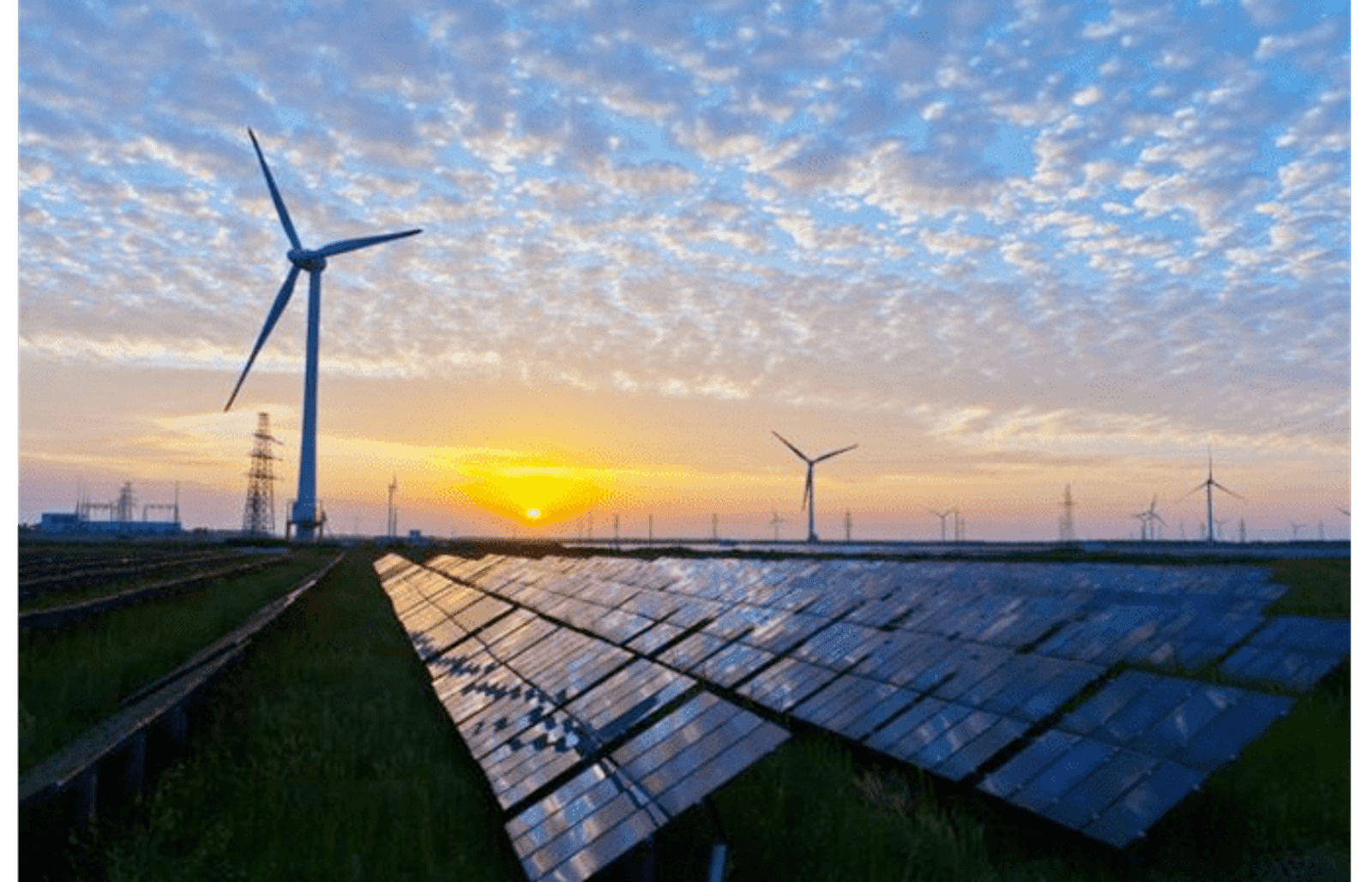
Referring to distributed generation, rooftop solar PV and to a limited degree wind applications provide several advantages and will gain wider deployments as more qualified installers become available in different localities.
Invariably, renewable energy generation with large capacities, whether hydro, wind or solar PV require large areas. Such sites are mostly located far from the load centres. An emerging promising trend is to generate energy in the Middle East and Africa of relatively high resources and transport the generated energy to Europe. This trans-continent transport of energy takes on a new dimension for global cooperation.
Digitalisation
The nature of the electrical system has changed drastically with the increased renewable energy sources connected to the grid.
To cope with electrical energy flows in the different parts of the three subsystems (generation, transmission and distribution) that now are not really separated as before, the new regime requires the installation of a large number of digital sensors that feed signals to more complex control systems to regulate electrical flows together with the appropriate metering sensors to enable billing.
How Elia Group is driving grid innovation
The metaverse: what is it and why does it matter for the energy sector?
Digital electricity billing now takes into consideration energy generated by the user. Besides its extensive applications in the modern electrical system, it is used in adjusting the modes of operation of the subsystems. Digital controls take pronounced roles in the control of the various internal/auxiliary systems in power plants and substations and SCADA systems.
Optimum operation of the grid through digitalisation will support increased adoption of renewable energy. Hence, digitalisation is a twin factor to the decarbonisation measures referred to earlier.
Mismatch between supply and demand and the role of electricity storage
The setup of the electrical grid constitutes aggregations of users and generation plants in an integrated system with residential, commercial, and industrial users having different demand patterns and load behaviour.
As some fossil fuel power plants are phased out and intermittent operating renewables are added, we will face significant differences between the daily demand versus the possible generation. To cope with the mismatches, the grid operator would resort to scheduling operation of the generation of the units in the system - the new dispatching has a different nature than the dispatching under the old regime of operating an electric grid.
Other means to meet mismatches is through energy storage systems, battery, or hydro storage. More recently, there is a strong interest in hydrogen energy storage.
Batteries and hydrogen

Research and development of batteries and materials is progressing to overcome the challenges that have generally impeded the desired wide deployment of batteries in electrical systems.
These challenges include:
- the effect of the high temperature of the battery environment causes degradation and results in decreased battery life and
- the deep discharge of the battery leads to shorter lifetime of the battery.
The development of electronic control systems is receiving attention. The control of a) the battery banks / battery stacks that optimize the operation of the battery system and b) regulates the operation of various functions and modes of operation to support the grid requirements at any time.
The battery size in electric storage to support electrical supply for minutes or several hours remains an economic obstacle in wider applications, but good progress has been achieved.
The location of the battery storage set in the electrical system (within the generation plant, at substations in the transmission or distribution subsystems) requires careful analysis of the topography of the electrical system. In some instances, the battery system is deployed to provide or assist part of the ancillary functions required for the enhancements of operational characteristics.
Pumped hydro storage and compressed air storage schemes have been deployed to support relatively large storage of electrical energy with different supply and demand times, in some instances on a daily or seasonal basis.
More about hydrogen
Rotterdam fuels its own energy transition with hydrogen
Energy Transitions Podcast: Lessons from a Danish hydrogen pilot project
The concept of a hydrogen (H2) economy has been around for decades, the argument being that burning H2 rather than hydrocarbons (fossil fuels), avoids the emission of CO2.
The growth of renewable energy in the last two decades, and in particular the significant increase in the production of electrical energy from solar (PV) and wind, led to renewed interest in H2. The green hydrogen concept involves the electrolysis of water to produce H2 (and O2 to be marketed for other industrial uses) using electrical energy produced from renewable resources. Green H2, compares to blue H2 produced in a variety of industrial facilities (e.g., chemical/fertilizers).
The green H2 will need to be transported through pipelines to the points of use. For pipeline transport of the green H2 a major challenge is faced in finding a material for the pipeline walls that can withstand the reactions of H2 with steel rendering the walls to be brittle.
While research continues in search of such material, mixing of green H2 with natural gas has been applied with 25% H2 in natural gas systems having been achieved. The advantage of utilizing the existing natural gas pipeline infrastructure is obvious. However, impacts on components such as valves and compressors need to be investigated while attempts to increase the H2 ratio in the mix continue.
The other form of transport is LNG, through Liquified Hydrogen LH2.
Related content
Pioneering e-methanol plant planned for Denmark
Power R&D is currently experiencing an unprecedented sense of urgency
The technology of liquefaction of green H2 is building on the insights of LNG production and storage in tanks and the movement of the tanks storing the LH2 (on ships) to supply points for regasification at terminals and using the re-gasified H2 in a specially engineered power plant with fuel systems and/or components capable of withstanding the characteristics of H2.
Safwat believes the industry is in an early stage of a process that will see green hydrogen completely replace fossil fuels. Nevertheless, while we try to overcome the various challenges associated with hydrogen-carrying systems, in a similar way to other previous technologies e.g., nuclear energy, R&D and innovations are enablers which he hopes will result in breakthroughs in the near future.
In the meantime, we need some fossil plants that would operate on natural gas. We must strive to get green hydrogen to reach economically viable levels, since ultimately we need to meet the sustainable target for realizing economic development.
Electrical vehicles
For land transport, electrical vehicles (EVs), will bring avoidance of the emissions from fossil fuel-driven vehicles (trains, buses, trucks, and cars), assuming the electrical energy from the grid used in charging the cars come from renewable sources.
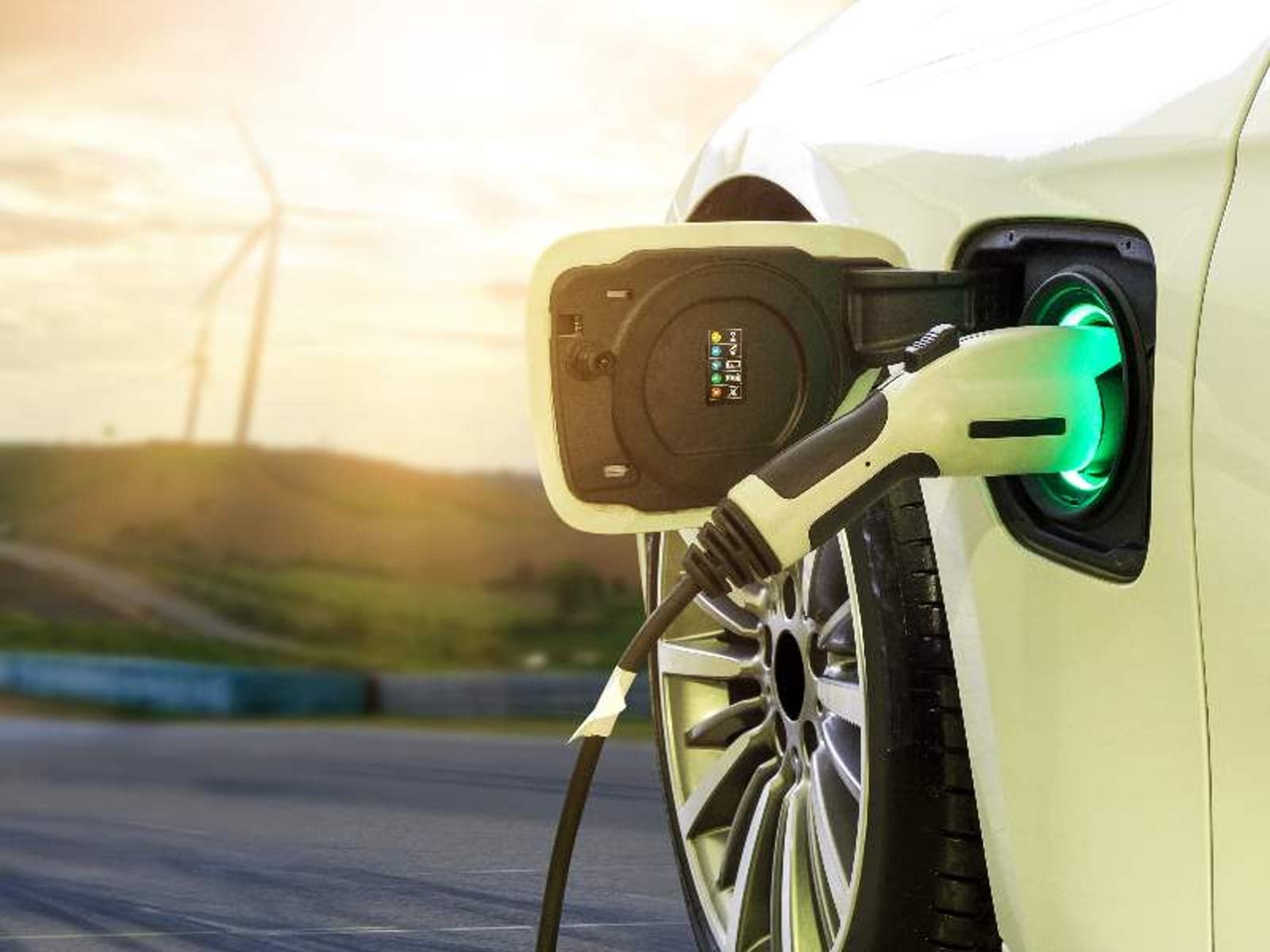
Research and development of batteries are essential to produce light batteries, with long life and digital control systems to facilitate the functioning and operation of EVs deserve further attention.
The economy of the production of parts and subassemblies of EVs will drive EV acceptance by the public.
In marine transport, LNG is gaining ground and replacing heavy fuel oil.
For aviation, improved light fossil fuel with derivatives from biofuels are gaining wider use and provide promising results in the reduction of emissions to the atmosphere.
We see many manufacturers of gas turbines and stationary internal combustion engines developing these types to burn hydrogen. This is a good approach and we shall see how the electrical approach fairs against the H2-powered engines. The H2 proponents see advantages in reduced weights compared to the batteries, but H2 safety measures for wider public usage need to be addressed.
Balancing act
The world is facing an unprecedented balancing act for securing the supply of energy while maintaining economic growth and striving to meet decarbonisation goals.
This balancing act in electrical systems is impacted by how we optimize the use of energy resources, i.e., the type of generation assets that are deployed, where they are situated and how the transmission and distribution subsystems are optimized and protected.
We need to increase our understanding of what electrical system changes need to be made and turn that understanding into actionable insights that ultimately individuals and enterprises can deploy. This will lead to reduced energy input required to achieve a positive impact on levels of efficiency, decarbonisation and energy security.
Dr Safwat notes that integration and harmonising the application of different technologies provide excellent opportunities that would benefit the energy transition and advancements in manufacturing are essential in reducing costs.
The use of advancements in technologies such as Artificial Intelligence (AI) would lead to new enhanced approaches and will lead to further cost reduction and increased quality for products and services.
Further, financial incentives for emerging technologies are needed to accelerate the deployment of newly found technologies.
In a book published by Dr Safwat, Business Economics: Knowledge and Energy, the close relationship of the pair “knowledge and energy” in the activities of businesses is discussed extensively. Safwat points out the similarities of the nature of knowledge (data, technology, and innovation) to comparable terms in energy and introduces the premise of dealing with knowledge in the units of energy.
In this paper, building on the contents of the book, Safwat proposes several propositions to leverage knowledge in addressing the shortcomings (energy challenges) noted above.
Notes
- The context covered in this paper touches on key factors that have an appreciable effect on the current move of “Energy Transition”, which is gaining urgency due to the global warming phenomena that the world is encountering.
- Recently, Dr Safwat attended Enlit 2021 – Milano, ADNOC Oil & Gas Conference, Abu Dhabi Nov 2022, Enlit 2022 Frankfurt, and, World Future Energy Summit Abu Dhabi, Jan. 2023. He feels that the views and insights expressed in this paper coincide generally with the majority of the presenters and exhibitors of these important events.
- The Bibliography section below provides sources for relevant information.
Bibliography (Sample References)
- https://www.energy.gov (USA)
- https://commission.europa.eu/topics/energy_en (Europe)
- https://energy.ec.europa.eu/topics/renewable-energy/renewable-energy-directive-targets-and-rules/renewable-energy-targets_en (Europe)
- https://energy.ec.europa.eu/topics/energy-systems-integration/hydrogen_en (Europe)
- https://www.un.org/en/academic-impact/sustainability (United Nations)
- https://cop27.eg/#/ Climate Change Conference Sharm Elsheikh- Nov. 2022
- https://www.google.com/search?client=safari&rls=en&q=cop26+glasgow&ie=UTF-8&oe=UTF-8 Climate Change Conference Glasgow Nov. 2021
- https://www.irena.org (International Renewable Energy Agency)
- https://www.imf.org/en/Publications/fandd/issues/2022/12/beating-the-european-energy-crisis-Zettelmeyer (IMF). International Monetary Fund
- https://www.worldbank.org/en/home World Bank
- https://www.enlit.world (ENLIT)
- https://www.worldfutureenergysummit.com/ (World Future Energy Summit – Abu Dhabi)
- https://www.adipec.com Abu Dhabi International Petroleum Exhibition & Conference
- EES Electrical Energy Storage -Europe
- https://hydrogeneurope.eu (Hydrogen Europe)
- https://www.reuters.com/markets/europe/eu-approves-effective-ban-new-fossil-fuel-cars-2035-2022-10-27/ (EV)