How viable is e-mobility in Austria as a source of power grid flexibility?
Yusuf Latief
Posted on: 27 October 2025
Although a great asset for grid flexibility, securing a business model for EV fleet flexibility isn't so simple.
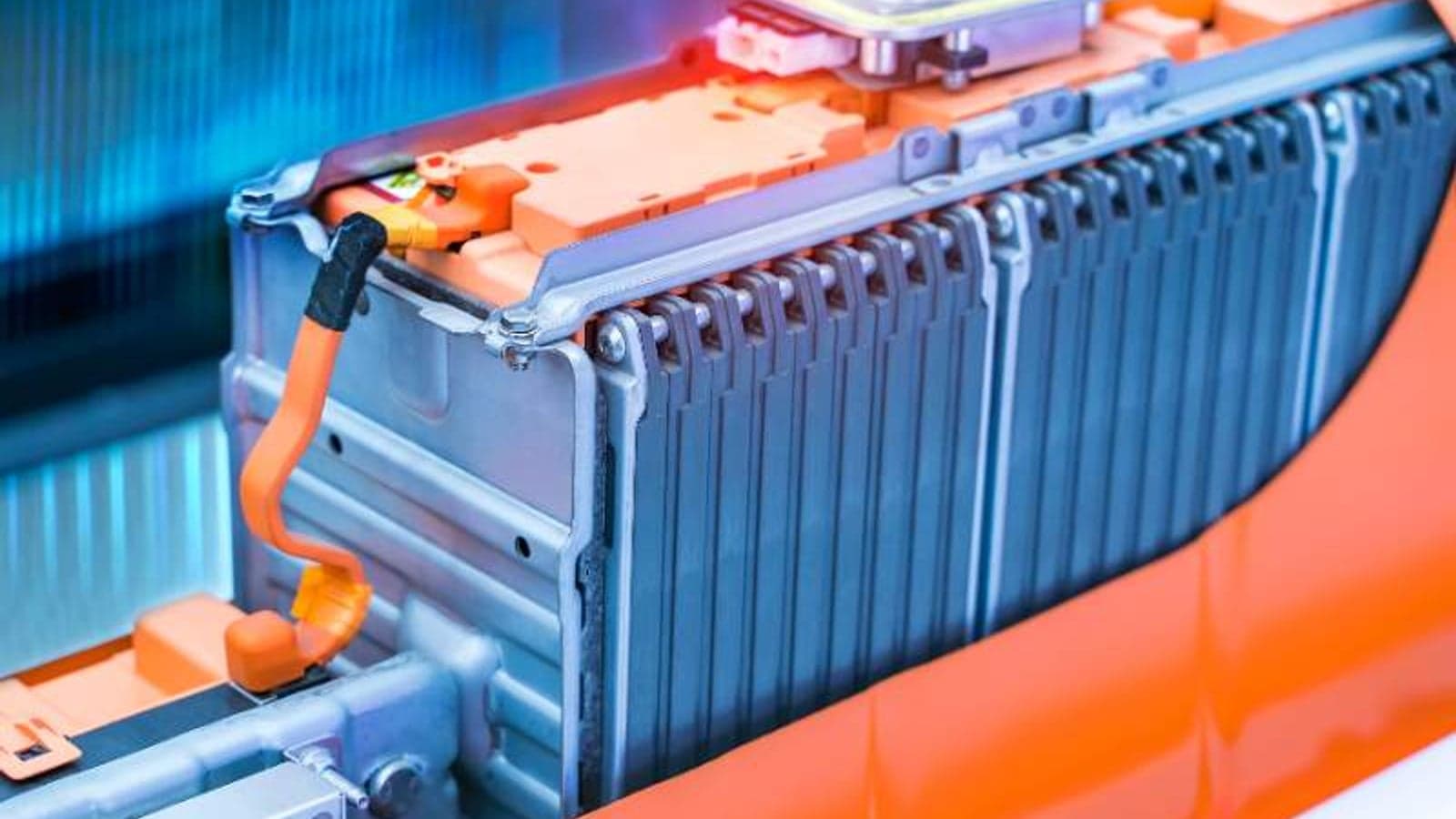
The use of EV fleets for flexibility is gaining interest, particularly as countries like Austria seek to bring clean technology online in droves. But how practical is it as a source of grid resilience, and what are the challenges in getting it off the ground?
When we think of Austria’s energy transition, the first thing that comes to mind is the country's renewable power generation capacity and potential, with around 56% of the national energy mix coming from pumped hydro.
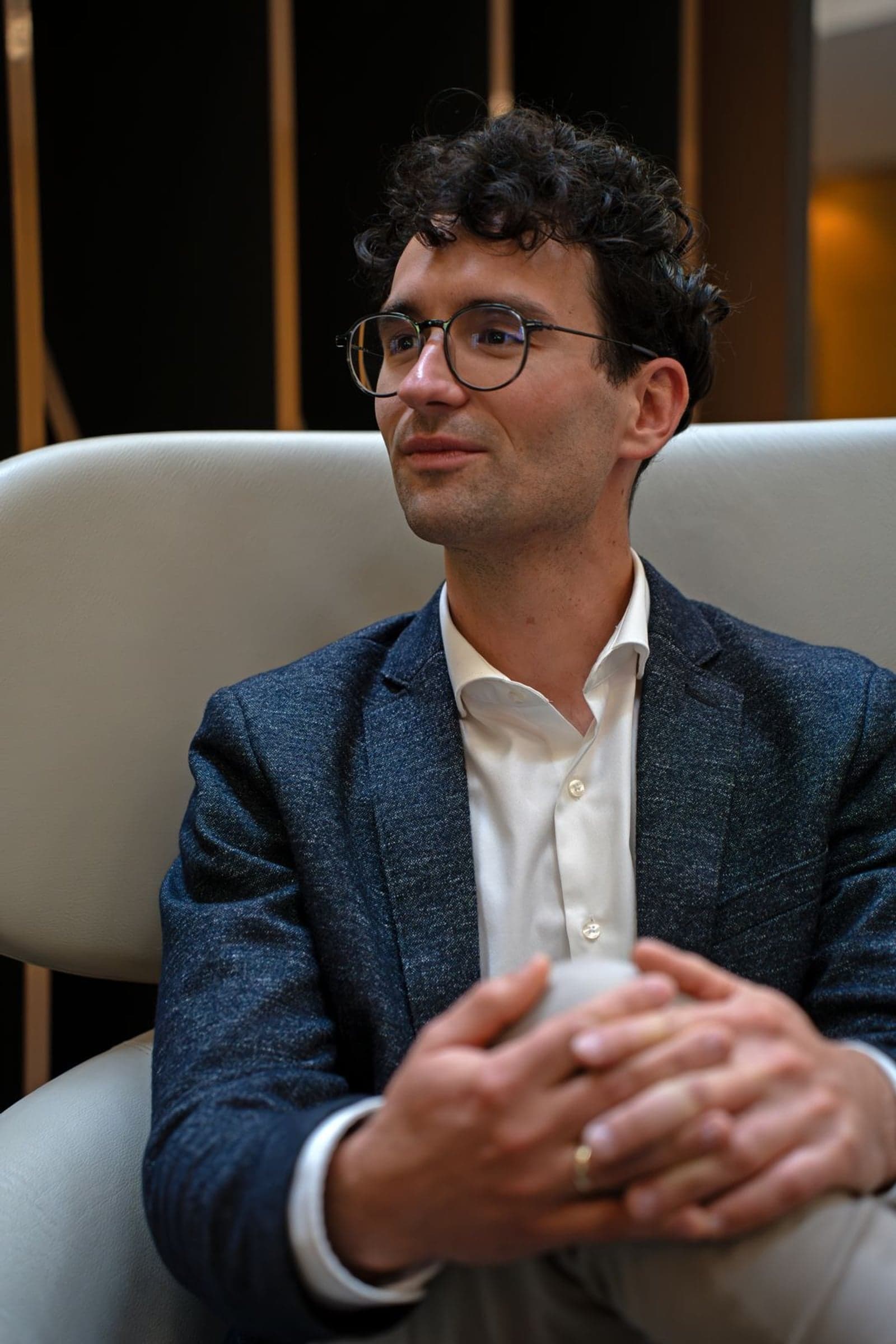
For Guntram Pressmair, partner and consultant with e7 Energy Innovation & Engineering, these pumped hydro and other renewable energy sources certainly inspired his career path. However, his work is now driven by technologies such as e-mobility and flexibility that can help advance the journey to net zero, as well as the complex challenges along the road.
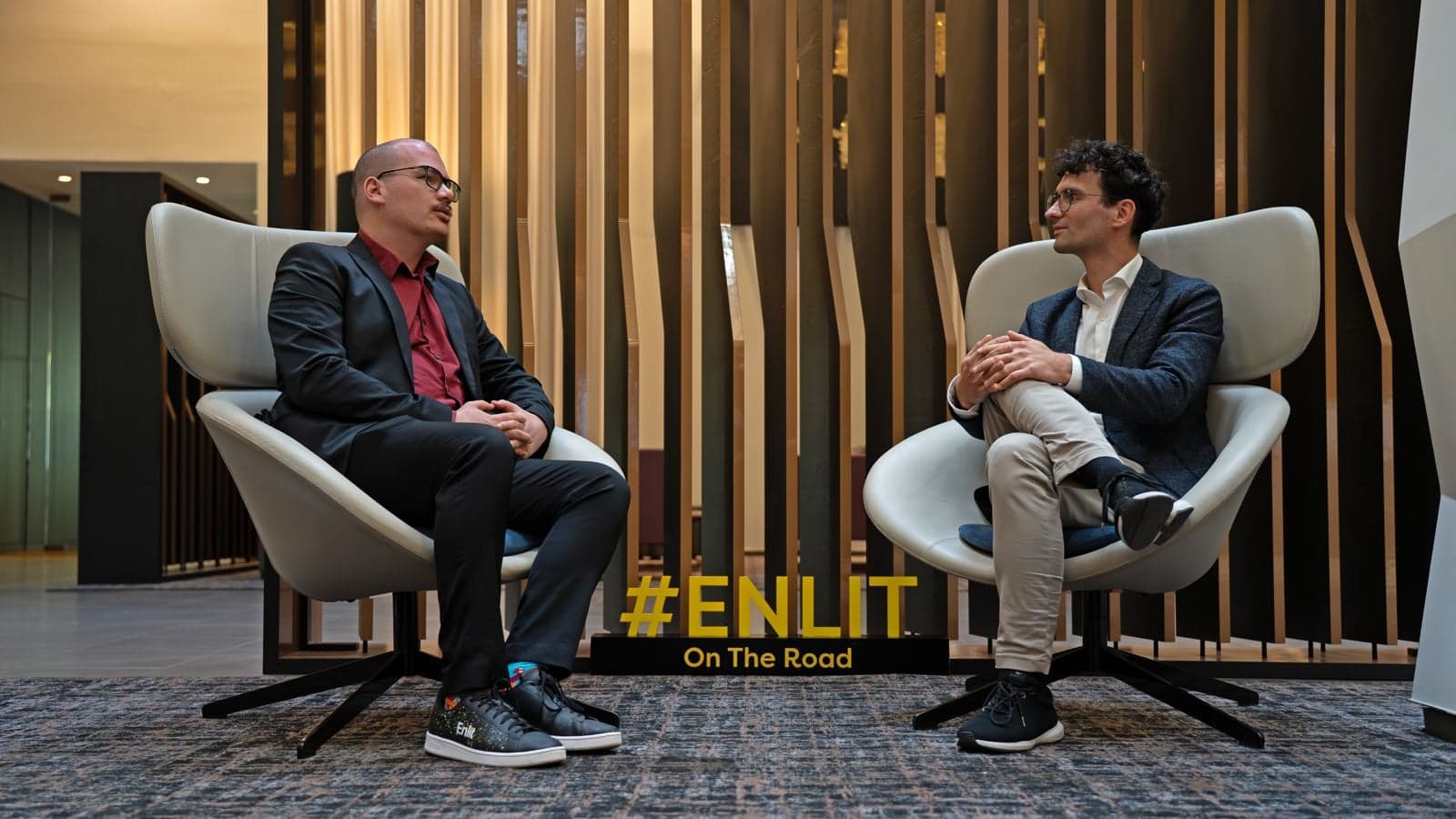
During Enlit on the Road Austria, I sat down with Pressmair to discuss how e-mobility flexibility is being tested in the country and what is holding it back.
Is there a sound business model in Austria for flexibility from technologies like EVs?
Not so far. We are a country with a lot of pumped hydropower, and that's a sound business model, considering ancillary services, mostly, but also volatile prices on wholesale markets.
I also see a lot of interest in bigger battery storage, but when it comes to decentralised, small, flexible assets like EVs, heat pumps or home storage, for example, there's still a lot to do.
We have a lot of ambitious people on the private side, for example, working within home energy management, but in general, the shortcoming is in incentives that can come from grid flexibility.
The regulatory framework doesn’t really have incentives for flexibility from these services. Although I think there will be some soon because we have the Austrian Electricity Industry Act in the pipeline, which is long-awaited.
The law is discussed every year at conferences, and the first draft was put out last year, but then the government collapsed. It was fully prepared, and the new government is now taking it on, although there's now another round of discussions and consultation.
More on e-mobility and flexibility:
How purpose shapes engineering in EV charging
Heavy duty EV trucks in Europe need grid investment to grow to €600bn by 2030
The rise of battery packs in resilience planning
What practical challenges have you observed when it comes to implementing flexibility through EV fleets?
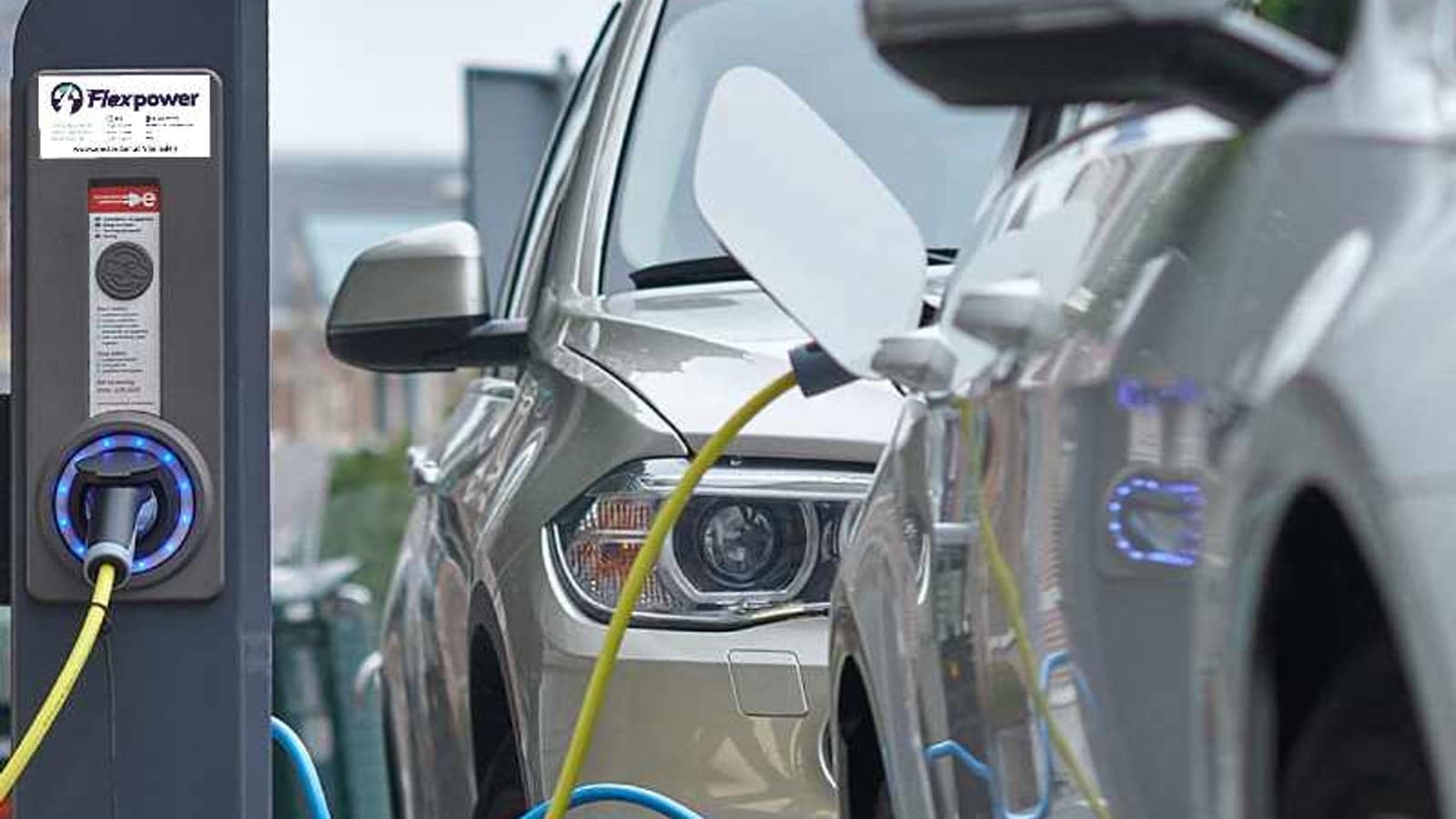
First of all, EV fleets are really a cool thing for grid flexibility. If you want to solve problems in the distribution system, you need small-scale assets and EVs. It’s the perfect example, because they are relatively big consumers, dispersed everywhere on the grid.
But coming back to challenges, it's all about the business model. Take, for example, a project like GAMES (Grid Aware Mobility and Energy Sharing), which investigated potential business opportunities from EV smart charging for shared vehicle fleets. In these types of centrally-managed fleets, there is one central manager and you don't need to talk to hundreds of EV owners to get your flexibility scheme started.
However, car-sharing fleets are quite efficiently booked, which means they are always on the road. Charging times are quite small, and this reduces your flexibility potential by a lot.
The key to getting flexibility out of EV fleets is really the idle times: how long the EVs are plugged into charging stations. If the EV fleet is efficiently used, with less idle time, it's quite small.
Because of this volatility, it was extremely profitable to do smart charging and bidirectional charging. But one year later, this wasn’t really the case.
For example, we had calculations with an EV car-sharing fleet in Zurich, where we did a model on how this could be done, optimising against volatile energy prices. In the end, we had less than €1 per car per month in revenues, which is quite small, because these cars were doing short-term travelling within the city, and had a lot of business.
But then we asked ourselves, what would be the best case? We thought of a typical single-family house in the countryside in Austria. Two cars, maybe a heat pump and PV being used for self-consumption - there we had revenues, or cost savings, of up to €160 per month. You see what the difference in results can be.
Then there is the challenge of price volatility. For example, in one case study, we studied prices from late 2021 and in another, we took prices from 2023 and from the beginning of 2024. A completely different picture, because of the price crisis in Europe after the start of the war in Ukraine.
Of course, gas prices went ridiculously high, and so followed the electricity prices. Because of this volatility, it was extremely profitable to do smart charging and bidirectional charging. But one year later, this wasn’t really the case. It's dependent on price volatility, and if you want to calculate certain business models, you need to assume that in maybe 5 to 10 years, there will be high volatility. But I'm not sure if this will ever happen, because we have a lot of other flexibility which will already take on this potential.
From other projects you’ve worked on, what are the standout examples of how e-mobility is being pushed in Austria?
Definitely through energy communities. Currently, there are about 5000 energy communities in Europe and Austria has been a frontrunner in terms of the regulatory framework.
One of my projects now is trying to combine energy communities with EV charging, aiming to create a workflow and digital interface where we can control the surplus and let the charging stations react to the surplus. In this way, we make the most out of the energy that is currently available in the energy community. It's quite a simple idea, but quite an ambitious technical solution.
We're also trying to do a lot of optimisation algorithms around that to make this possible.
It’s quite exciting and I think it’s something that in Austria we can test, because we have solid legislation, and this will also be something that we can showcase to other countries.
I see the passion of young people, and that makes me optimistic...
How might e-mobility contribute to system resilience?
To go back to what we did in GAMES, in the case study from Tel Aviv, Israel, we studied what would happen if we can control a big car-sharing fleet and make use of surplus energy from solar.
We modelled that there will be 50% solar in the system by 2050 and tried to look at how the EVs balance that. It turned out that we can, with 40,000 EVs - 7% of the whole car fleet of the city - consume about 5% of the surplus.
Unfortunately, to really have an impact on system resilience, it needs to be a huge fleet and perfectly coordinated. So we need to think in other dimensions.
If it's just a company offering its fleet for something that helps with behind-the-meter optimisation, it doesn’t really have much of an impact. To really have an impact on the system, you need much bigger numbers, which I think is something still to look out for in the future.
Looking ahead five to 10 years, what excites you the most about the power sector, both in Austria and globally?
The targets. They are tough and there needs to be a lot of brain power and work to get them done, but I see the passion of young people and that makes me optimistic. Talking to other young peers starting to work in the sector, you see all this passion and a lot of ideas.
For example, I've been part of the organising team with YESEurope, young leaders for energy and sustainability, which is a network for young professionals in the energy sector. We get people from all over Europe, young peers, exchanging thoughts, networking, while also having fun, doing workshops, professional workshops, panel discussions, everything.
And there I see a lot of energy, and that really inspires and gives motivation for new projects.
Even this discussion - going over these topics, discussing hurdles in regulation and unfeasible business models – you see the energy is really there, and it's inspiring.