COMMUNITAS: Applying eye tracking UX/UI to energy community tools
Guest/partner contributor
Posted on: 30 June 2026
COMMUNITAS applies eye tracking UX/UI research to improve the usability, trust, and adoption of digital tools for energy communities
Energy communities can empower citizens, municipalities and local organisations to become active participants in the energy transition.
However, digital tools create impact only when users understand their purpose, know what information they need to provide, and can correctly interpret the results. This is the adoption challenge addressed by COMMUNITAS: an EU-funded project developing an open one-stop-shop platform for community energy planning, participation and optimisation.
The platform integrates knowledge resources, investment planning, demand response and monitoring functions within a single digital environment. For energy professionals, this is where UX/UI becomes strategic: usability is not a cosmetic layer, but a condition for scaling innovation beyond expert users.
Task-based UX/UI testing with eye-tracking
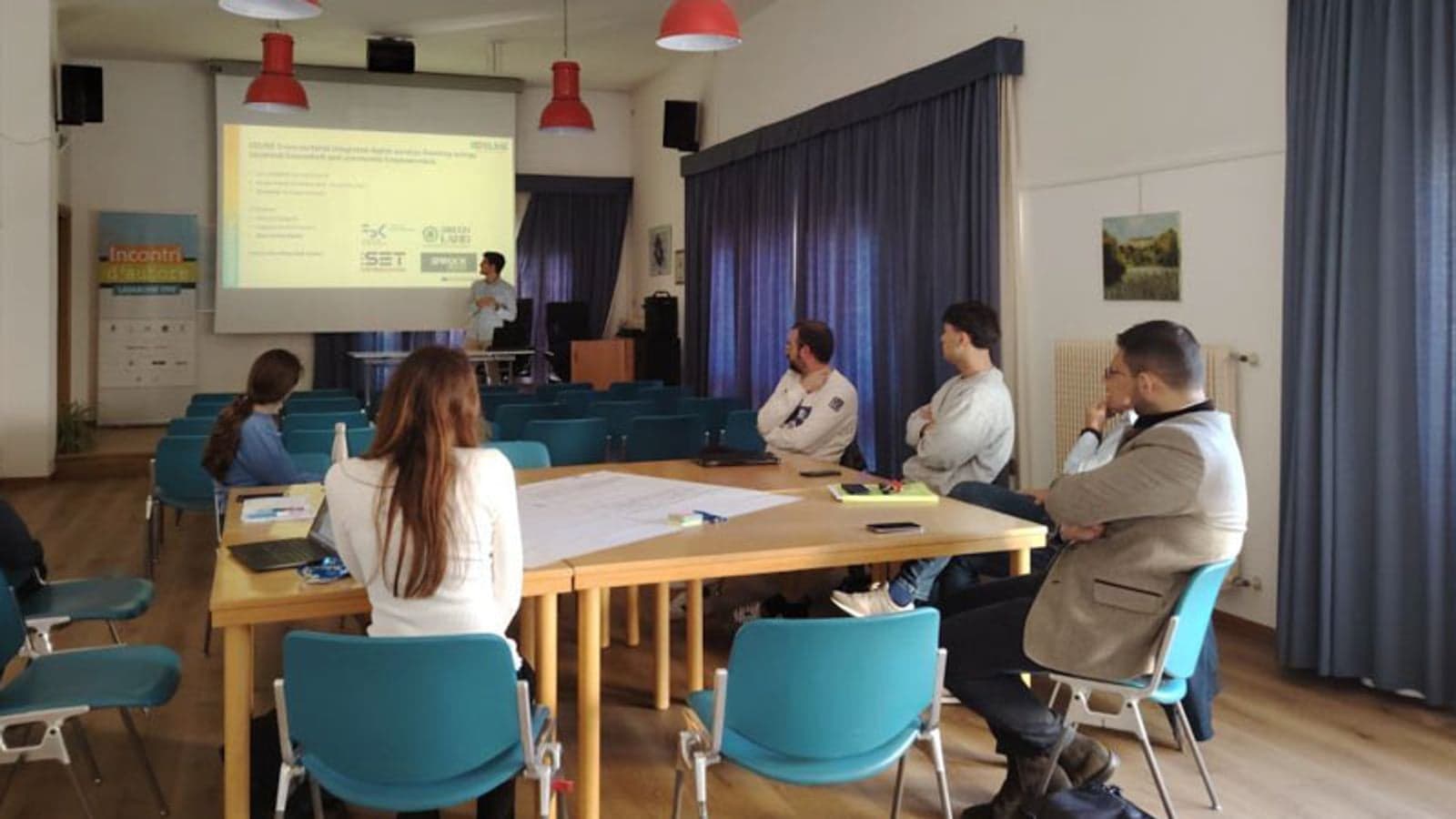
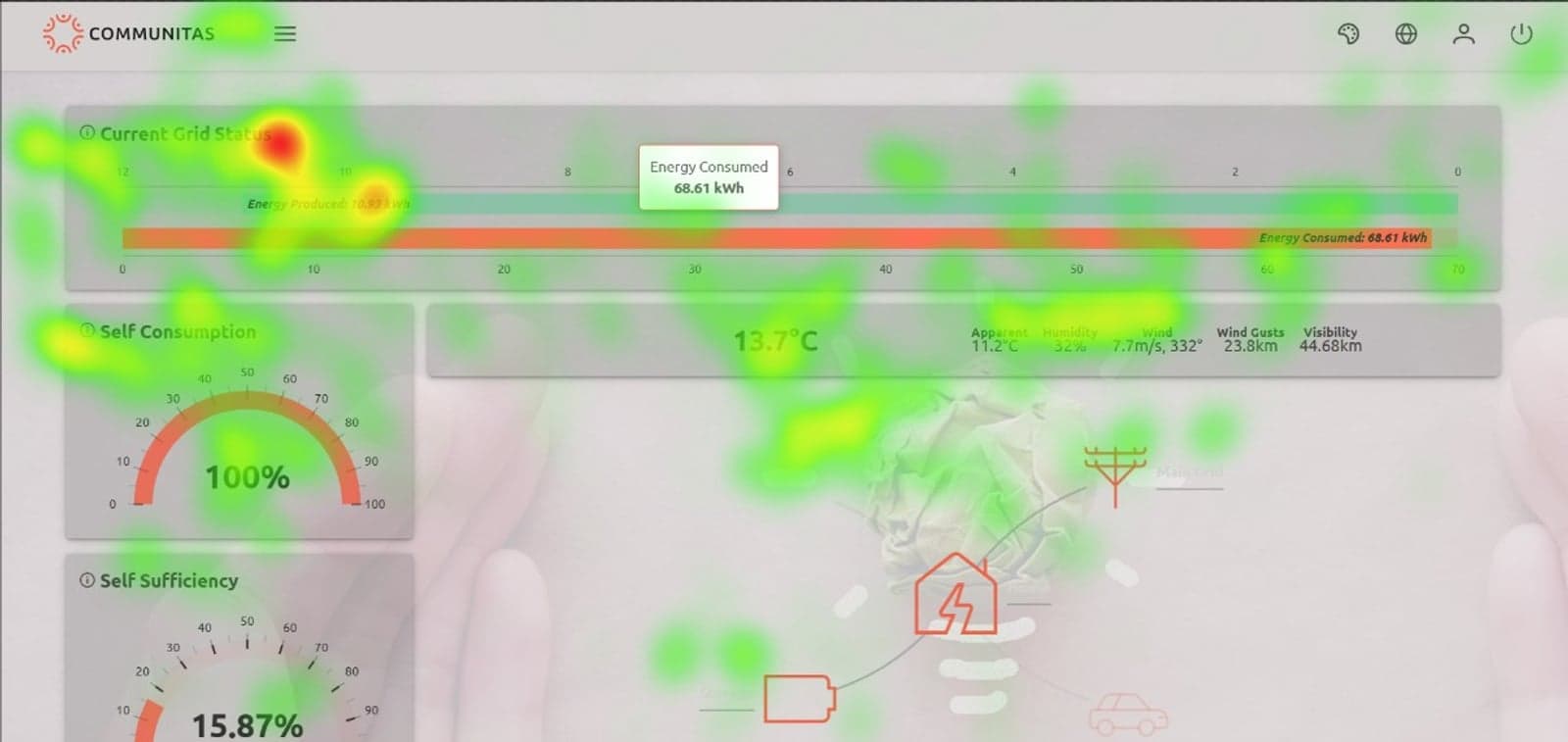
The COMMUNITAS validation approach combines moderated usability tasks, eye-tracking, short questionnaires and reflective interviews. During a session, users complete realistic tasks on the COMMUNITAS core platform and selected tools while a screen-based eye tracker records fixations and scanpaths.
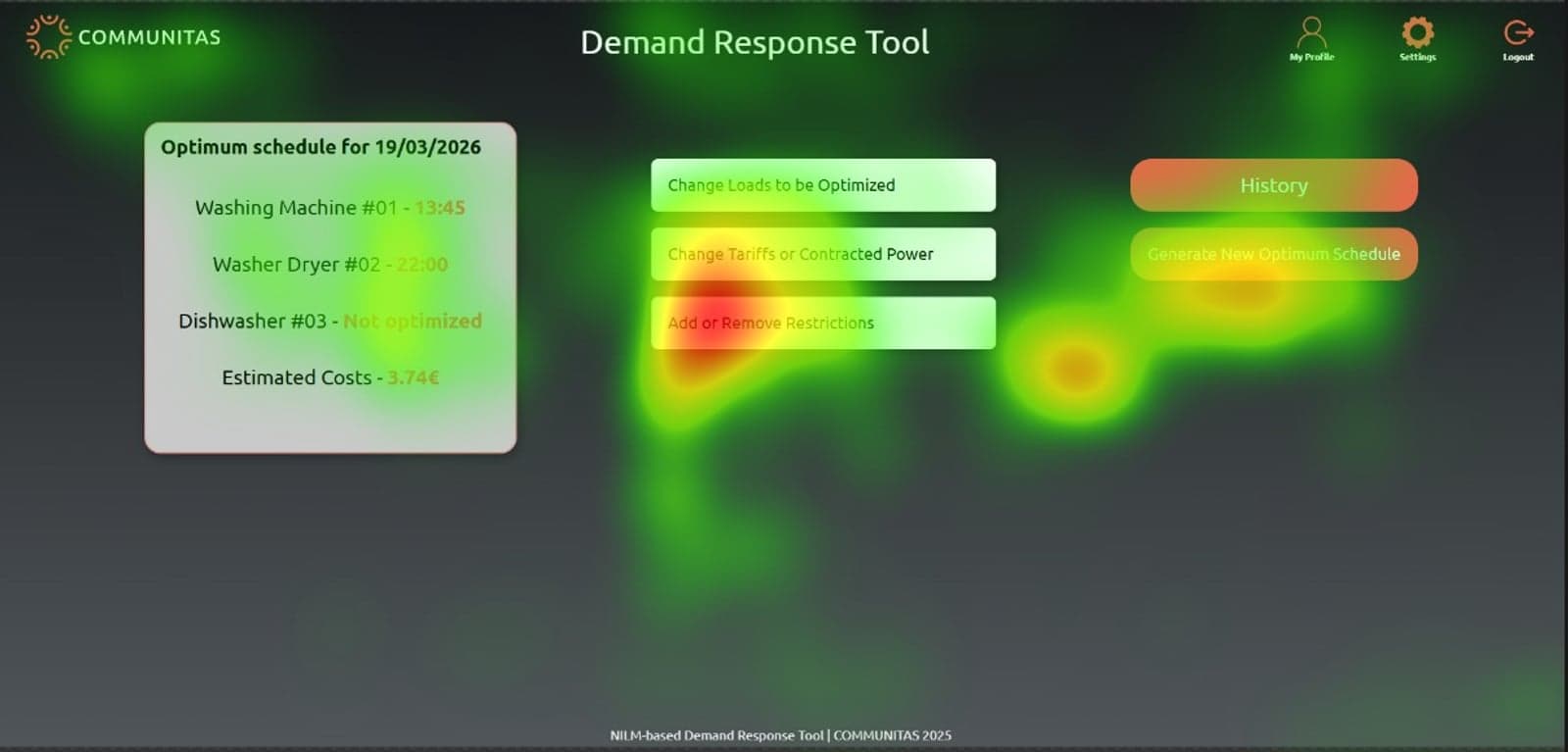
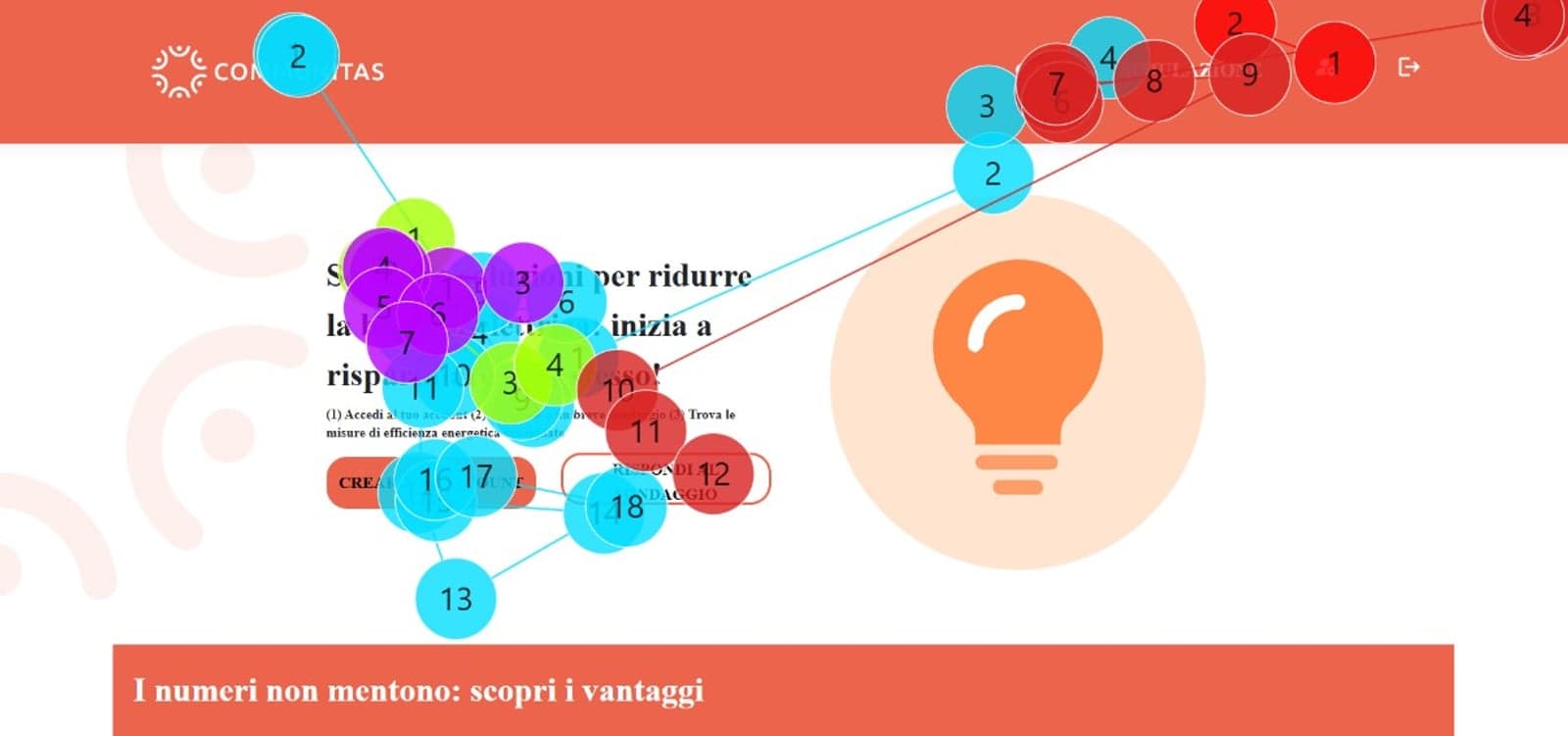
Heatmaps show which interface regions attract attention, while gaze plots reveal the sequence of attention during a task. These outputs are interpreted alongside users’ actions and feedback, avoiding the common mistake of treating gaze data as a stand-alone explanation.
This applied research approach is used by ASM Research Solutions Strategy when supporting complex digital platforms: maintain the method rigorous, but translate evidence into practical, sprint-ready recommendations.
What eye tracking reveals about COMMUNITAS tools
The first validation wave confirmed that the COMMUNITAS tools address a real need: they help users move from general interest in energy communities toward practical action.
The knowledge base supports orientation through legal, technical and administrative information. The investment advisor helps users explore possible investment scenarios. The demand response tool introduces flexibility and participation in energy markets. OPTIMEMS provides dashboard-based monitoring and optimisation. Together, these tools create a coherent pathway from learning to decision-making and operation.
Eye tracking added a crucial layer by showing where this pathway needs clearer signposting. On the main platform, users may recognise the overall value but still hesitate if entry points are not explicit. A visible 'start here' area for each tool - explaining purpose, required inputs and expected outputs - would reduce uncertainty and shorten the time to first success.
In the knowledge base, attention evidence supports the need for stronger search, clearer topic labels and country-specific structure. For non-expert stakeholders, this matters because community energy is always local: incentives, terminology and administrative steps differ by country and must be easy to find.
The investment advisor is especially important because it transforms curiosity into planning. Eye tracking can show whether users notice explanations, tooltips and input guidance before they begin a simulation. When they repeatedly move their gaze between fields and help cues, the interface is signalling that wording, grouping or examples need improvement.
In the demand response tool, trust depends on feedback. Longer computations should communicate progress, completion and next steps clearly; otherwise, users may assume the system is frozen or unreliable. For OPTIMEMS, the design challenge is to move from data visibility to decision visibility. Dashboards should not only display charts; they should help users decide what to compare, adjust, export or do next.
Roadmap: Evidence to action priorities
The resulting improvement roadmap is practical. First, strengthen trust through feedback mechanisms by introducing progress indicators, clear end states and confirmation messages.
Second, make navigation more self-explanatory through labelled menus, consistent interaction patterns and obvious clickable elements.
Third, reduce cognitive effort by using plain language, examples and in-context validation.
Fourth, improve readability through adequate contrast, appropriate font sizes and sufficient spacing, including for older users.
Finally, deepen localisation by structuring content around national rules, incentives and Energy Community practices.
These actions are not separate from the technical development of COMMUNITAS; they help ensure that technically advanced tools can be adopted by real communities with different levels of expertise.
Next steps
COMMUNITAS demonstrates how UX/UI research can accelerate the adoption of digital energy innovation. Eye tracking makes hidden usability barriers visible, revealing missed controls, weak information hierarchy, unclear guidance and insufficient feedback.
By acting on these insights, the project can make its one-stop-shop platform more intuitive for citizens, energy community managers and local stakeholders.
Readers can learn more about the project through the COMMUNITAS project website.
References
- Duchowski, A. T., 2017. Eye Tracking Methodology: Theory and Practice (3rd ed.). Springer.
- Holmqvist, K., Nyström, M., Andersson, R., Dewhurst, R., Jarodzka, H., & van de Weijer, J., 2011. Eye Tracking: A comprehensive guide to methods and measures. Oxford University Press.
- ISO 9241-11:2018. Ergonomics of human-system interaction - Usability: Definitions and concepts.
- Nielsen, J., 1993. Usability Engineering. Academic Press.
- Poole, A., & Ball, L. J., 2006. Eye Tracking in Human-Computer Interaction and Usability Research.
- COMMUNITAS project materials and ASM UX/UI validation documentation (internal project sources).
About the authors
Łukasz Wilczyński is Project Manager at ASM Research Solutions Strategy. He is a sociologist and UX/UI researcher experienced in Horizon Europe projects, eye tracking studies and user-centred validation of digital platforms.
Agnieszka Kowalska is Senior Project Manager and Head of the International Cooperation Department at ASM Research Solutions Strategy. She specialises in the development, coordination, and implementation of international R&D projects, including Horizon Europe programme. Her expertise includes project management, social research, international cooperation and evidence-based innovation activities.
This project has received funding from the European Union under the Horizon Europe Research and Innovation Programme (Grant Agreement no. 101096508). Views and opinions expressed are however those of author(s) only and do not necessarily reflect those of the European Union. Neither the European Union nor the granting authority can be held responsible for them.