Hybrid PPAs gaining popularity shows LevelTen analysis
Pamela Largue
Posted on: 27 July 2026
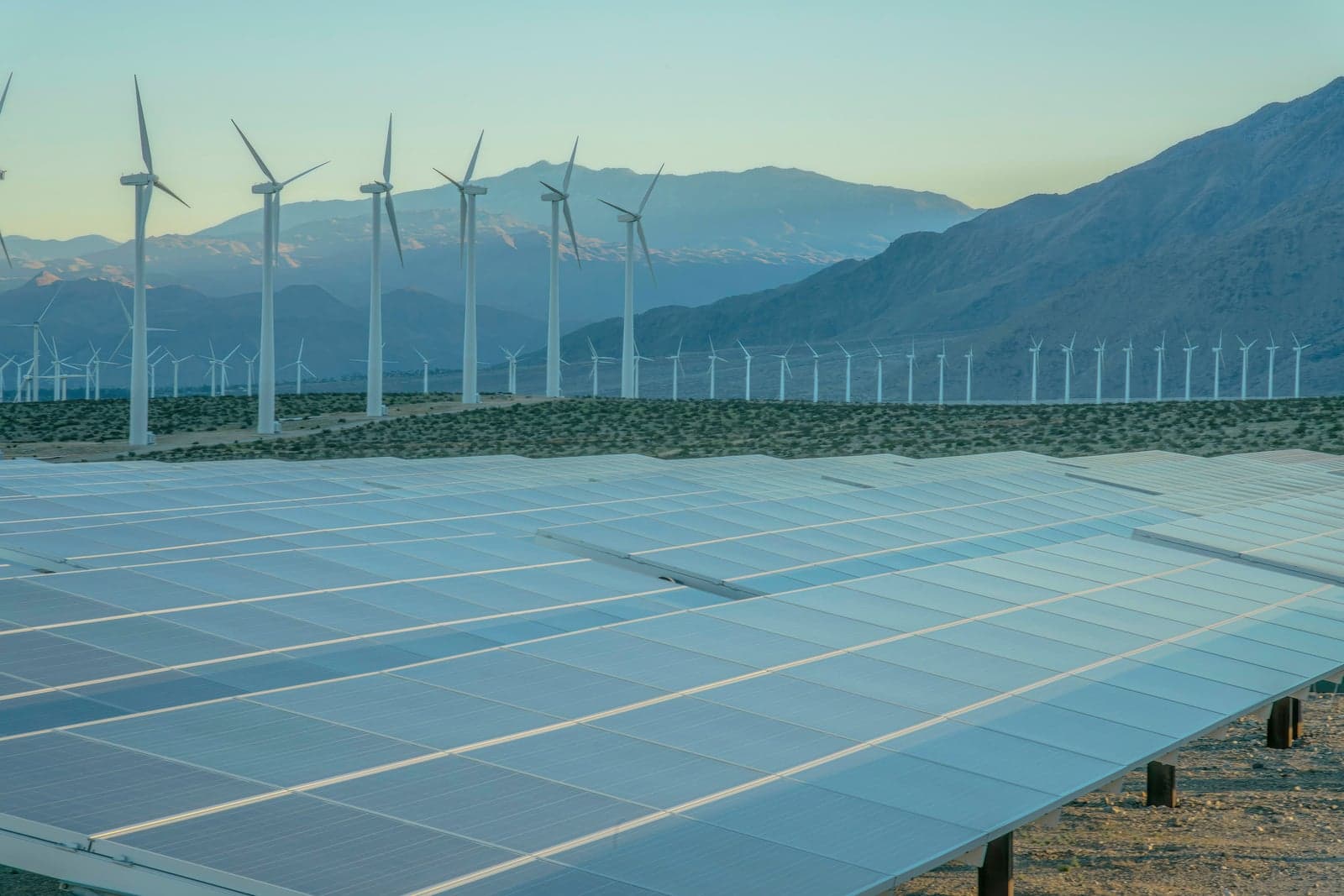
Hybrid PPAs are becoming more popular as Europe's solar market confronts increasing price cannibalisation and negative pricing.
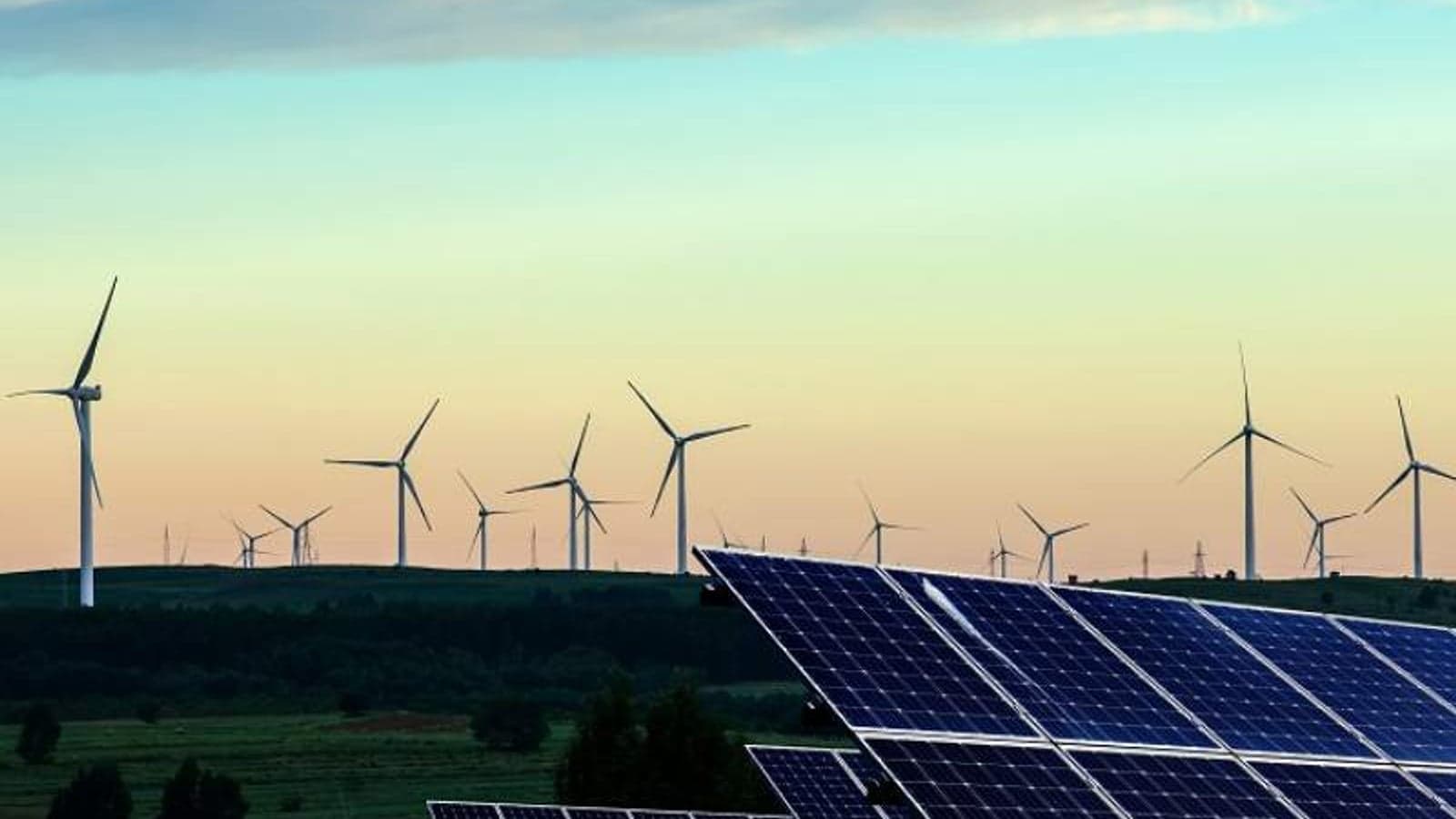
Hybrid renewable power purchase agreements are becoming more popular across Europe as developers turn to battery storage to combat falling captured prices and negative solar pricing.
This is one of the standouts from LevelTen Energy, which shows hybrid PPA offers more than doubled year on year in the second quarter of 2026, with Germany and Spain leading the shift.
The findings are found in LevelTen Energy's latest European PPA Price Index, which includes hybrid PPA data for the first time.
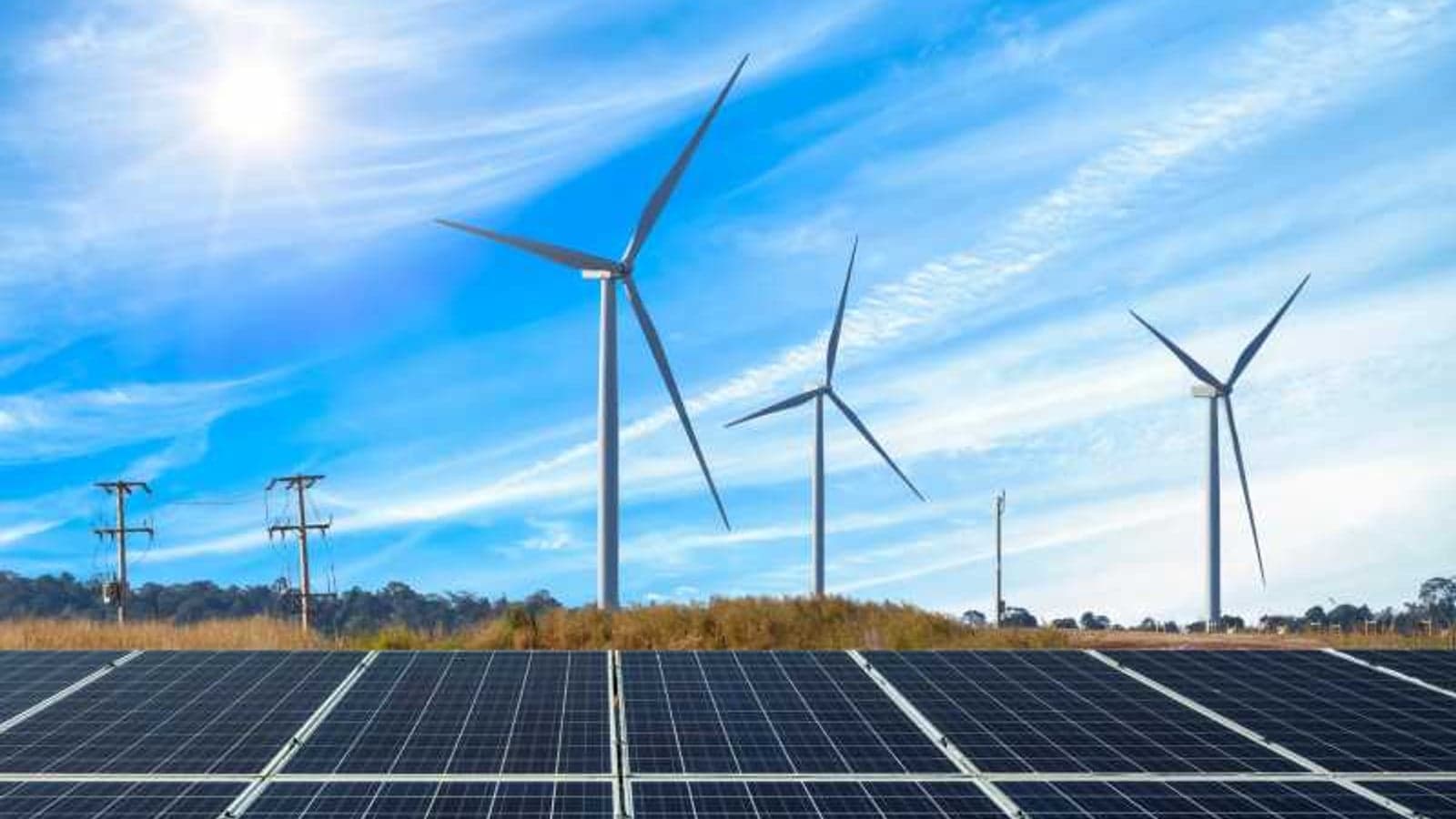
The report highlights how combining solar generation with battery storage is reshaping the European PPA market by improving project economics and offering buyers greater flexibility.
According to LevelTen, hybrid PPAs are priced 24% higher than standalone solar PPAs and 15% lower than wind PPAs. However, they can deliver significantly higher settlement values. In Germany, for example, adding battery storage to a solar project can increase captured values by as much as 80%.
As a result, many corporate energy buyers are increasingly opting for hybrid contracts over standalone renewable PPAs.
Germany and Spain have emerged as Europe's leading hybrid markets. Together they accounted for 29% of all hybrid PPA offers included in LevelTen's Q2 index. Hybrid projects also represented the dominant offer type in Bulgaria, Poland, Latvia, Greece, Lithuania and Portugal.
Pieter van der Meulen, country manager for Germany at LevelTen Energy Europe, commented on the report's findings: "As a country experiencing severe levels of cannibalisation and negative pricing, the market for hybrid PPAs in Germany is substantial.
Have you read?
Electricity demand accelerates despite market volatility
Why solar power's 3TW landmark is a global gamechanger
"We have seen particular traction for so-called Green BESS deals, in which the battery asset can charge only from a co-located renewable generation asset. These structures face far fewer regulatory hurdles compared to batteries with bi-directional access to the grid, while still providing significant added value for buyers."
Placido Ostos, director of European analytics at LevelTen Energy, added: "Storage provides many new product types which can alleviate market pressures, enhancing the value of a PPA for both buyers and sellers."
According to Ostos, they have seen rapidly-growing market traction for hybrid offers, "with the number of new hybrid offers in Q2 more than doubling year over year."
Solar price cannibalisation
The growing interest in hybrid PPAs comes as Europe's solar market confronts increasing price cannibalisation.
As more solar capacity comes online, oversupply during peak generation periods is driving wholesale electricity prices lower and further into negative territory, reducing revenues for standalone solar projects.
France, Germany, Spain and Poland all recorded more negative pricing hours during the first half of 2026 than in the whole of 2025, highlights LevelTen, intensifying pressure on developers to find new ways of improving project value.
"In markets with severe solar price cannibalisation, two things are occurring simultaneously," said Ostos. "The first is immense competition between projects, amid solar oversupply that is causing price cannibalisation. This leads to a second issue: solar PPAs face limited captured prices on the market, forcing developers to offer very low PPA strike prices to appeal to buyers. Both contribute to the downward price slide occurring in several markets."
The changing market dynamics were also reflected in PPA pricing during the second quarter.
European solar PPA prices rose by 2.8%, ending four consecutive quarters of decline. The increase was largely driven by Germany and Poland, where tightening global gas supplies pushed wholesale electricity prices higher.
Wind PPA prices, meanwhile, fell by 1.6%, marking a fifth consecutive quarterly decline.
"Although the European average price for solar rose this quarter, individual market trends diverge significantly," said Ostos. "This past quarter brought German and Polish price rises substantial enough to increase the European average, even while other markets declined."
Solar, wind, hydro and beyond – discover all the latest news, analysis and innovations from the world of renewables.