Hydrogen essential for UK's hard-to-abate industries states report
Power Engineering International
Posted on: 16 July 2025
Hydrogen UK has launched a report making a case for hydrogen to be strategically deployed to decarbonise hard-to-abate sectors.
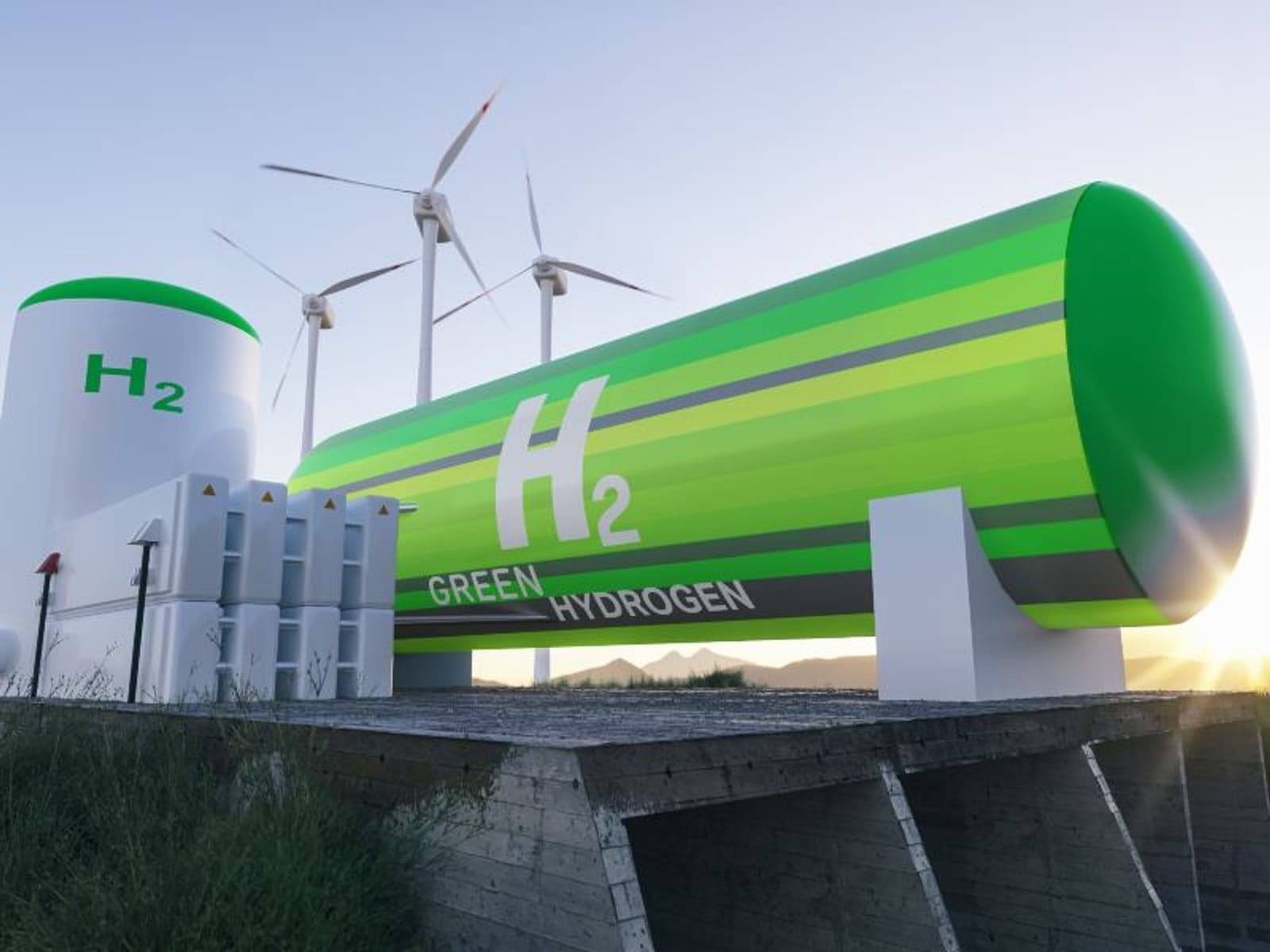
Hydrogen UK has launched a report making a case for hydrogen to be strategically deployed to decarbonise hard-to-abate sectors.
The report, Driving Demand, aims to dispel the myth that hydrogen is a silver bullet for every climate challenge.
Rather, it intends to spur action to stimulate hydrogen demand, matching the policy effort already invested in production.
“We don’t need hydrogen everywhere. But where we do need it, we need it badly,” said Clare Jackson, CEO of Hydrogen UK.
Have you read?
Novel green hydrogen reactor technology launched in Australia
Spain confirms support for five hydrogen ‘common interest’ projects
“This report is a call to get serious about demand. We’ve done a great job kickstarting production but now we need to consider the perspective of those that are going to be using hydrogen,” added Jackson.
The report identifies the sectors where hydrogen is not just useful but essential. These include:
- Foundational industries like chemicals, steel, refining, ceramics, cement, and glass, where high heat, flames, and continuous processes make electrification infeasible.
- Heavy transport, including non-road mobile machinery, and shipping, where battery range and refuelling times are impractical.
- Power generation and seasonal energy storage, to ensure grid resilience and balance, and an alternative to diesel and HVO off-grid.
- Aviation, particularly through sustainable fuels made from hydrogen and CO₂.
Despite growing interest from offtakers, the report identifies four persistent barriers:
- Economics: Long-term contracts, high upfront costs, and insufficient carbon pricing disincentivise investment.
- Policy uncertainty: Delays and inconsistency in government strategy undermine confidence.
- Infrastructure gaps: Lack of hydrogen transport and storage creates risk for industrial users.
- Technology readiness: Businesses are willing but want to see hydrogen working in real-world conditions.
To break the stalemate between supply and demand, Driving Demand calls on the UK Government to:
- Publish a refreshed Hydrogen Strategy that places offtakers at the heart, with clear demand-side priorities and use-case clarity.
- Introduce industrial and transport demand-side incentives, including DEVEX and CAPEX support, sector-specific mandates, and R&D funding to support the switch to hydrogen.
- Prioritise hydrogen infrastructure, including pipelines, refuelling stations, and storage to support dispersed industrial clusters.
- Stimulate market creation through low-carbon product standards (e.g. steel, concrete, cement) and use the weight of public procurement to create guaranteed demand.
- Support a technology-neutral approach, letting businesses choose between electrification and hydrogen, based on site-specific needs.
“The era of hydrogen as a catch-all solution is over,” said Jackson. “But for heavy industry, freight, shipping, power and storage, hydrogen isn’t a ‘nice to have’, it’s mission critical. We now need smart policy to turn plans into reality.”