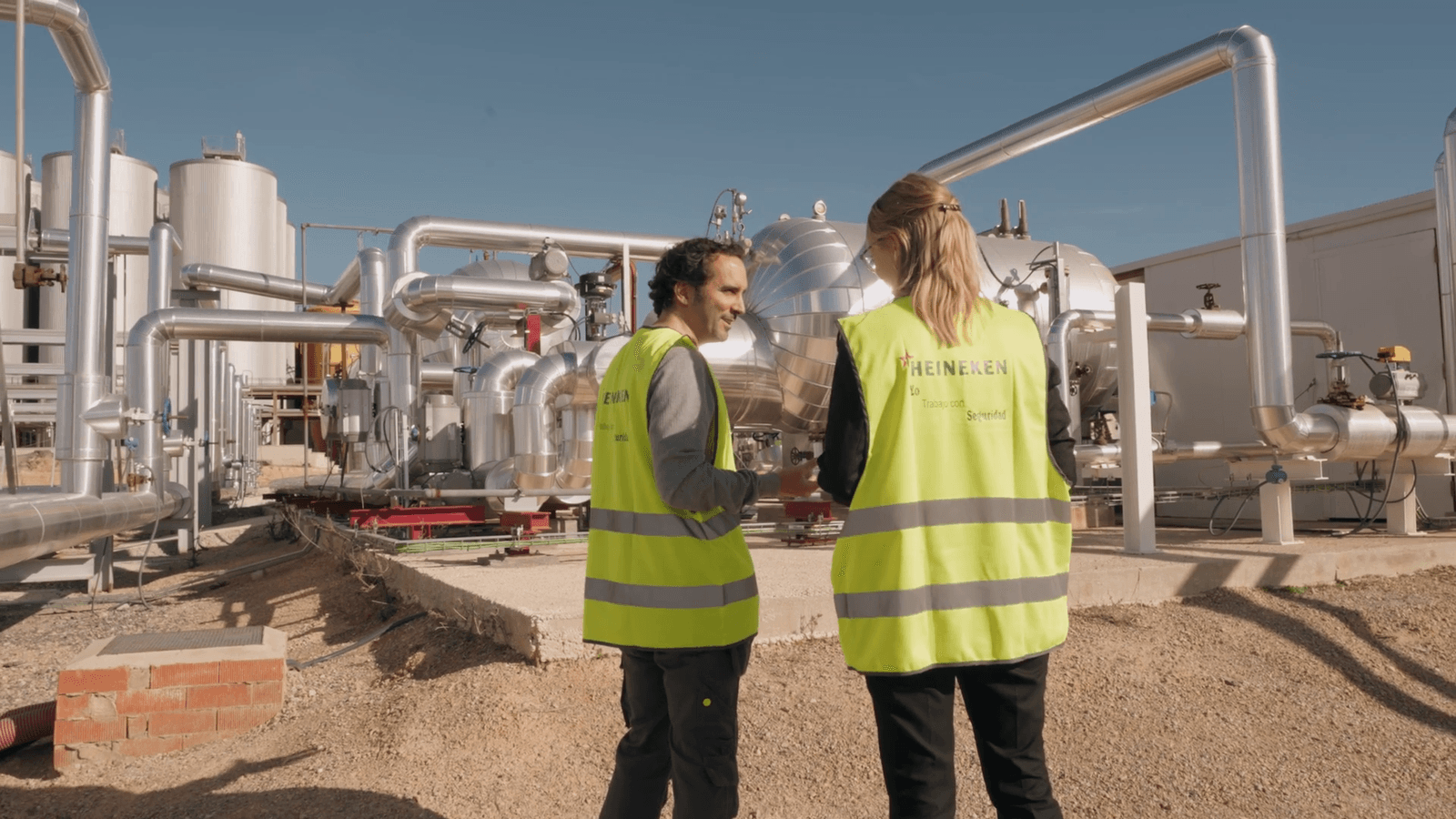
Industrial electrification: Europe's competitiveness key
Pamela Largue
Posted on: 4 June 2026
Explore Eurelectric's report on unlocking success and overcoming barriers in industrial electrification projects in Europe.
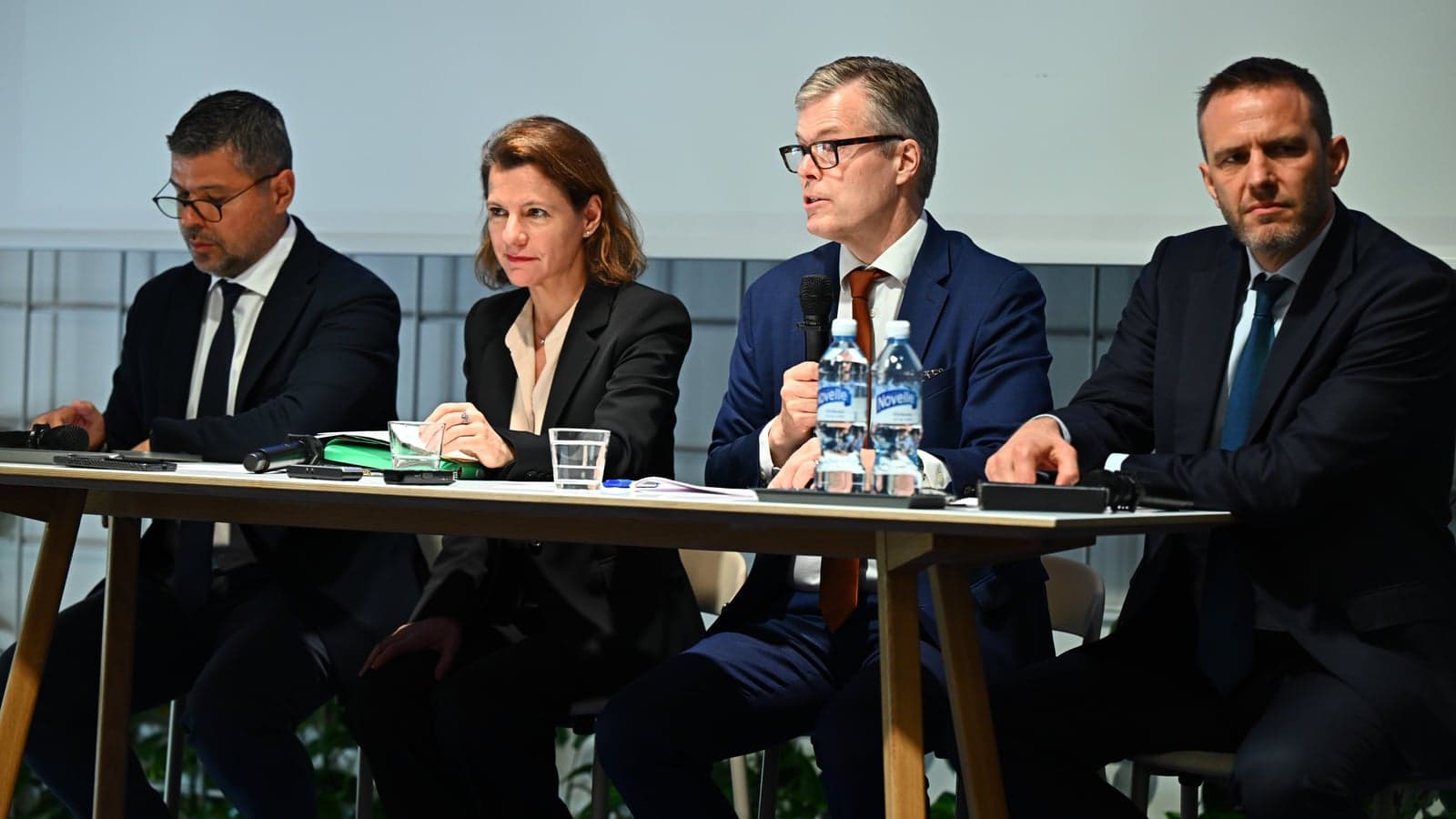
Europe must rapidly accelerate industrial electrification if it is to remain competitive, resilient and secure in an increasingly fragmented global economy.
This was the message from speakers at Eurelectric's Power Summit, where the electricity association launched a new report called Power Couples.
Developed by Eurelectric and Accenture, the report, Power Couples: Enhancing Industrial Competitiveness Through Electrification, examines what makes industrial electrification projects successful and what continues to hold them back.
According to Eurelectric, the report identifies five replicable models for integrated industrial partnerships, referred to as power couples, that jointly optimise demand, low-carbon power supply, infrastructure and flexibility.
Opening the summit, Eurelectric Secretary General Kristian Ruby linked Europe's future competitiveness directly to its ability to harness domestic clean electricity.
"We are facing a crucial moment to stand up for what is truly European and for that we need a clear answer to foreign energy dominance: that answer is European electric power," he said.
Against a backdrop of geopolitical tensions and increasingly fragile supply chains, Ruby argued that electrification has become a strategic necessity.
"Industrial strength is of essence… and we must stay competitive on the way to climate neutrality," he said, adding: "We want decarbonisation, not deindustrialisation."
The report centres on the concept of ‘Power Couples’, a concept that sees industrial actors coordinate investment, infrastructure and flexibility needs.
Eurelectric explains: “In a Power Couples model, one load anchors long-term clean power, another shifts demand when prices spike, a third provides fast balancing, and all participants share infrastructure, risk and system value through mechanisms such as long-term PPAs, heat as a service, energy as a service, waste heat offtake, flexibility revenues and blended public-private financing.”
Have you read?
How the energy-economics nexus is driving the energy transition
E-NERGY Cluster returns to the EU Energy Projects Podcast ahead of EUSEW 2026
Electrification as foundational
Markus Rauramo, Eurelectric’s President and also CEO of Finnish energy company Fortum, framed electrification as central to Europe's economic and geopolitical future.
According to Rauramo, states that invested early in electrification are already benefiting from increased resilience, describing it as "a competitiveness and security strategy".
"Clean electricity is no longer just a part of the solution, it's the foundation of Europe's strength, energy security and path to climate neutrality."
To accelerate deployment, Rauramo highlighted four priorities: affordability and customer focus; making projects investible and bankable through predictable offtake and stable market design; faster grid connections and anticipatory grid investments; and stronger governance through embedding electrification targets into European planning frameworks.
"The opportunity that lies before us is significant, but so is the responsibility. Europe has the capability to lead the global energy transition, what is required now is delivery together," he said.
Catherine MacGregor, CEO of Engie, echoed the report's central conclusion that electrification is no longer a technology challenge but a scaling challenge.
"Electrification is a competitiveness lever, the technologies are here but now we need to develop them at scale," she said.
MacGregor outlined several conditions required for successful deployment, including aggregated demand that creates system-level investment signals, improved access to long-term market instruments, timely infrastructure development, effective risk-sharing across value chains and business models that recognise wider system value.
She also stressed the importance of providing targeted support to industries and maintaining affordable electricity for industrial users.
"Industries need access to the lowest price electron," she said.