How a Swedish waste-to-energy plant is making carbon capture work
Pamela Largue
Posted on: 2 July 2025
Filbornaverket, a Swedish waste-to-energy-plant with an ambitous carbon capture project, could hold the key to ensuring Helsingborg is climate-neutral by 2030.
Filbornaverket is more than a Swedish waste-to-energy plant. Thanks to an ambitious carbon capture and storage project, it could hold the key to ensuring Helsingborg is climate-neutral by 2030.
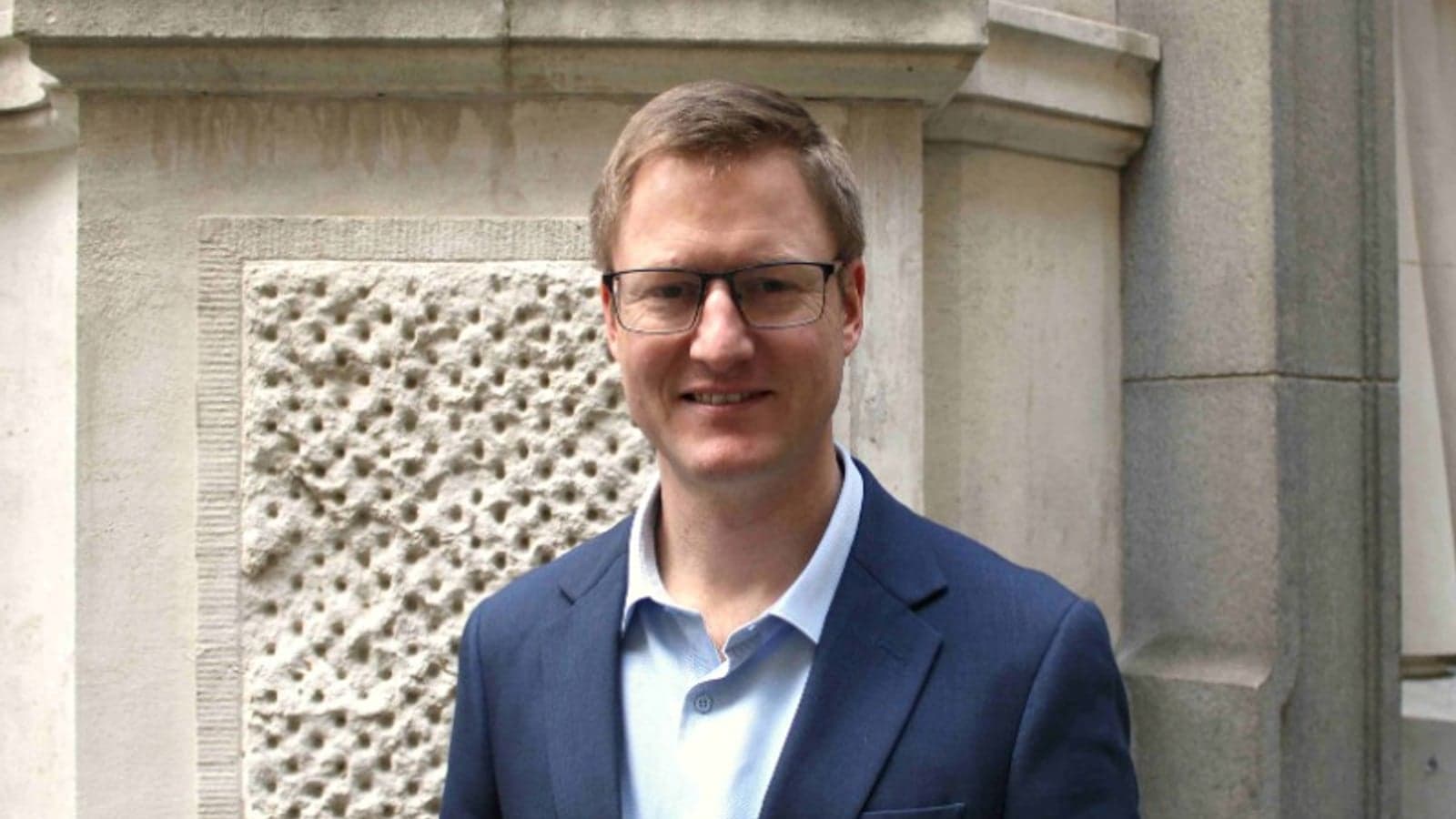
Enlit on the Road visited the plant in Skåne County in the south of Sweden to speak to Stefan Håkansson, CEO of plant owner and operator Öresundskraft, about why this project matters now more than ever, and how they are ensuring it's commercially viable.
Håkansson is convinced the project will deliver in terms of decarbonisation targets and stressed the time to start is now.
“...We don't have time to wait. We need to accelerate CCS, and we can,” said Håkansson.
The business case for CCS
CCS projects are notoriously complex and costly, though.
The EU-funded CCS initiative carries a projected cost of €273 million and has received a €60 million grant from the EU Innovation Fund as one of the highest-scoring applications in its history, according to Håkansson.
More about Sweden's energy transition:
Advancing e-mobility through electric road innovation
Is Sweden ready for a nuclear revival?
To ensure a sound business case for CCS, Håkansson referred to the importance of income generated in two key ways:
- Avoiding EU ETS Costs: Capturing fossil-based CO₂ eliminates the need to purchase emissions allowances.
- Selling Carbon Removal Credits (CRCs): Capturing biogenic CO₂ produces validated credits that can be sold on the voluntary carbon market.
Håkansson emphasised that standardisation and modularisation will help keep costs down and scale the technology:
“We already, from the start, looked into how we want to design each part… so that we can make it commercially viable.”
Have you read?
How carbon capture tech can boost Europe’s industrial competitiveness
What have carbon capture and the Ford Motor Company got in common?
Circularity at the heart of Filbornaverket's CCS project
Håkansson explained that at Filbornaverket, waste is viewed as a resource rather than a liability.
While the plant incinerates waste - half biogenic and half fossil-based - metals, energy and heat are recovered, creating a circular loop.
“We take in the waste, incinerate it, and reutilise the metals in the ashes. All the energy goes back to the people who generated the waste—closing the loop in a great way,” says Håkansson.
This model currently supports Helsingborg’s district heating and electricity, but CO₂ emissions remain. Capturing and storing those emissions will ensure the city can achieve net zero, potentially achieving negative emissions.
Also of interest: A Swedish formula for European industrial competitiveness
“Capturing the CO₂ from the chimney and storing it brings out a negative part where we actually are extracting natural CO₂ from the atmosphere and starting to eat up a little bit of that debt we have to Mother Earth.”
The Filbornaverket CCS project will capture 200,000 tonnes of CO₂ annually. The project will involve the following phases:
- Separation – CO₂ is separated from flue gases using an amine-based process;
- Compression and transport – The CO₂ is then chilled and compressed for shipment to long-term storage;
- Storage – Finally, it is stored underground or beneath the seabed, where it eventually mineralises into a stable crystalline form.
Collaborate to detoxify
While Håkansson is convinced that the technical and financial aspects of the project make it viable, he believes collaboration and openness ultimately determine success.
“We need many partners to conclude this work…You need open books, you need transparency, you need trust.”
He is confident that Filbornaverket can pave the way for similar facilities across Europe, providing a blueprint not only for decarbonisation, but also for "detoxifying society". It's a strategy that allows the municipality to reclaim value from waste and enables citizens to live a zero-carbon lifestyle.
“We are cleaning up our society by using the technology of CCS for waste incineration. That’s really what we need to do in many, many more places.”