Introducing SINNO Toolkit: Empowering green energy storage systems
Guest/partner contributor
Posted on: 30 October 2023
SINNO Toolkit, a part of the SINNOGENES Horizon Europe project, is designed to offer a holistic approach to managing storage technologies
The landscape of electrical power systems is rapidly evolving, driven by the increasing integration of variable renewable energy sources (VRE), like wind and solar power. This transformation is set to continue as the costs associated with these resources decrease, and regions across the world strive to enhance their energy grids with greater renewable energy capacity.
At the heart of the energy transition lies the pivotal role of energy storage. SINNO Toolkit, a part of the SINNOGENES Horizon Europe project, is designed to address these challenges by offering a holistic approach to managing a diverse range of storage technologies, bridging the gap between established solutions and cutting-edge innovations in the energy storage sector.
However, higher integration of VRE results in a greater demand for flexibility within the power system, both in terms of short-term grid services and longer-term capacity for shifting and meeting peak demand.
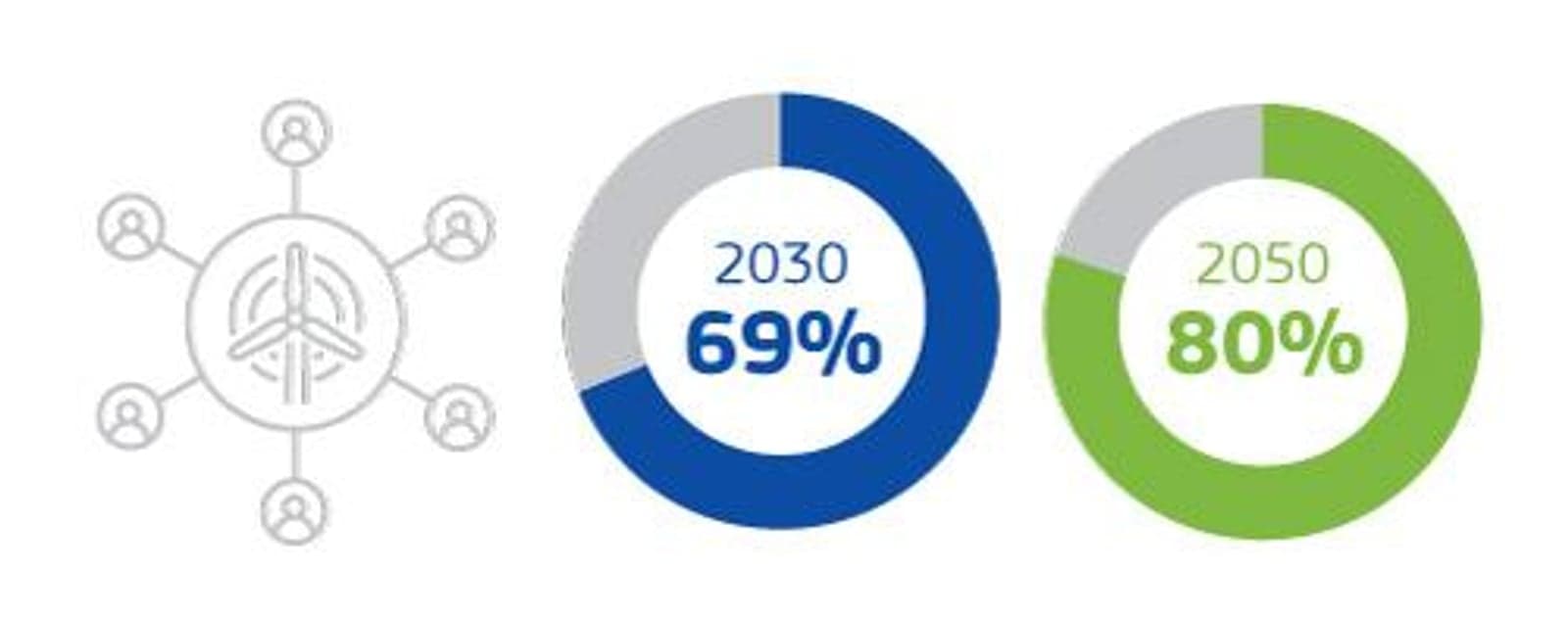
Energy storage plays a vital role in delivering this essential flexibility and stability required for the future European Union's electricity network, aiming to achieve renewable energy shares of approximately 69% by 2030 and 80% by 2050 (from 37% in 2021).
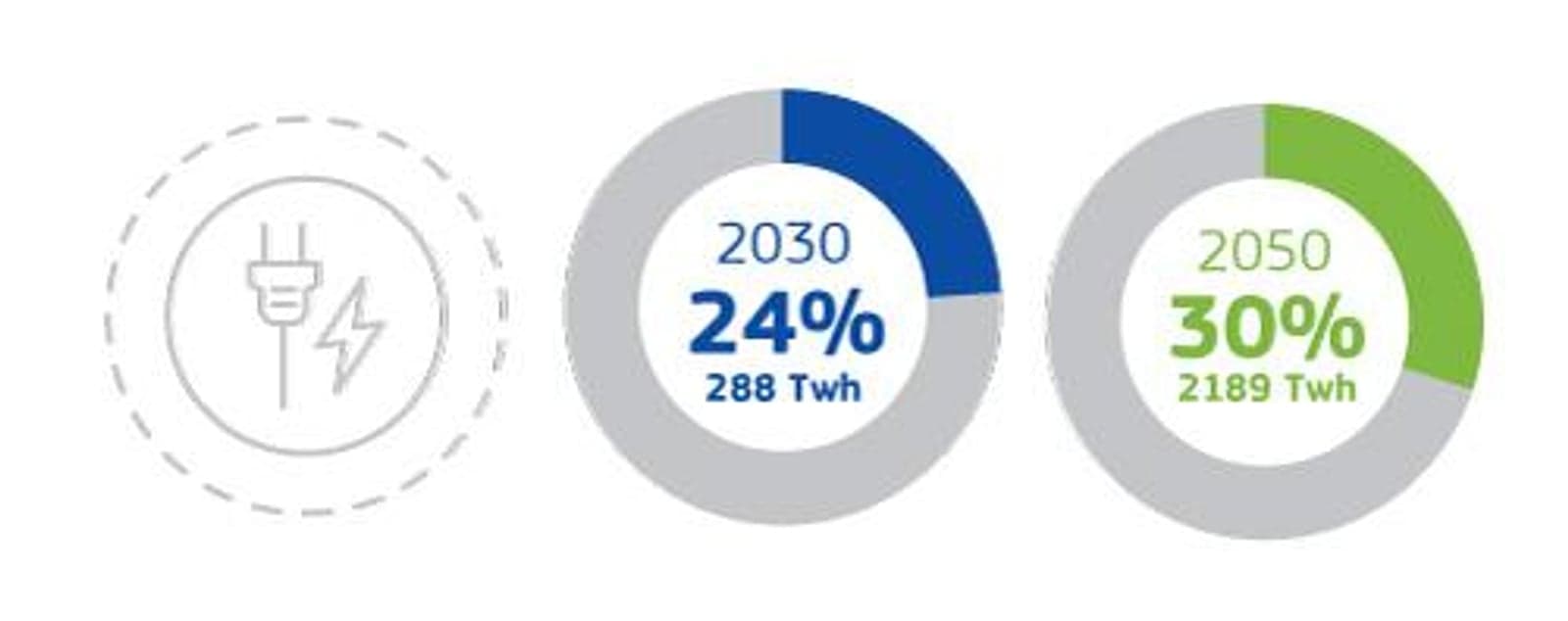
EU's electricity system will increasingly demand flexibility, rising to 24% (288 TWh) in 2030 and 30% (2,189 TWh) by 2050, compared to 11% in 2021.
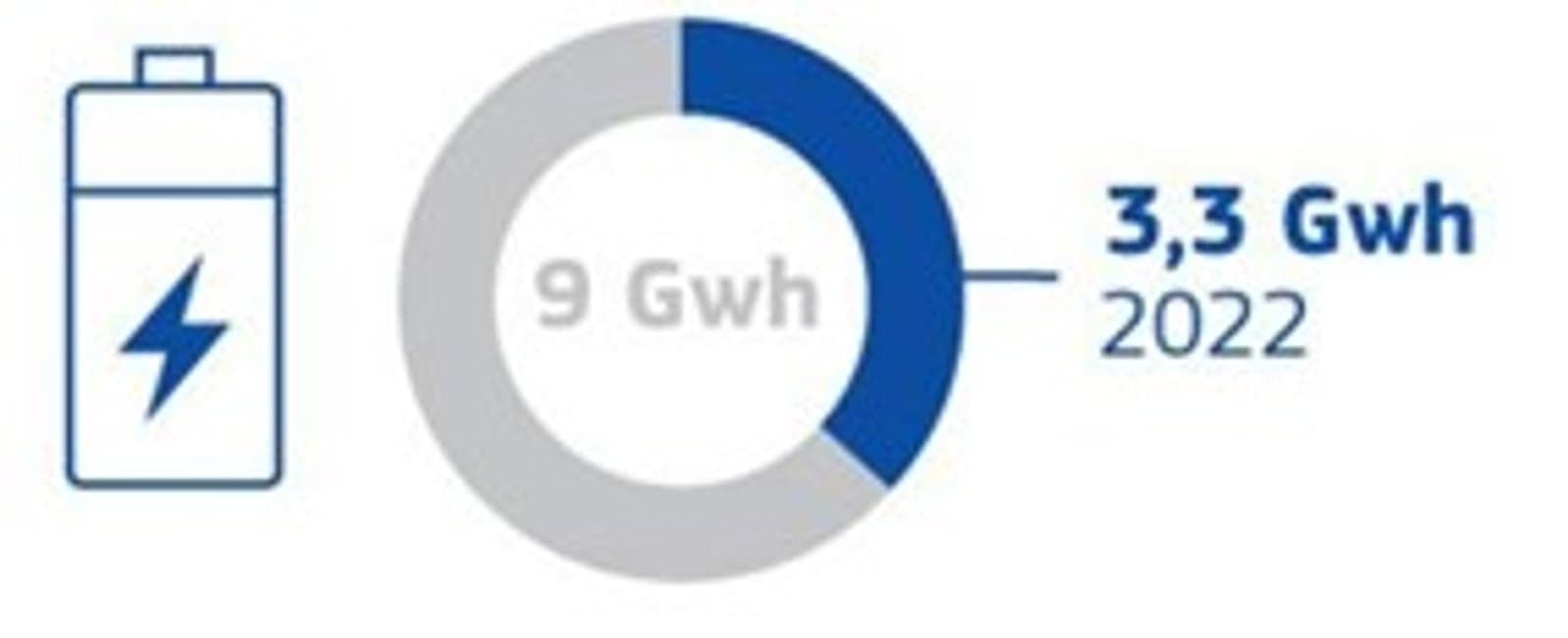
European energy-storage markets are growing, with 2.8 GW (3.3 GWh) added in 2022, totaling over 9 GWh.
Globally, the International Energy Agency (IEA) predicts a 56% growth in installed storage capacity, surpassing 270 GW by 2026. Studies indicate potential EU energy storage capacities of over 200 GW by 2030 and 600 GW by 2050, up from around 60 GW in 2022, mainly from pumped hydro storage.

SINNOGENES in a nutshell
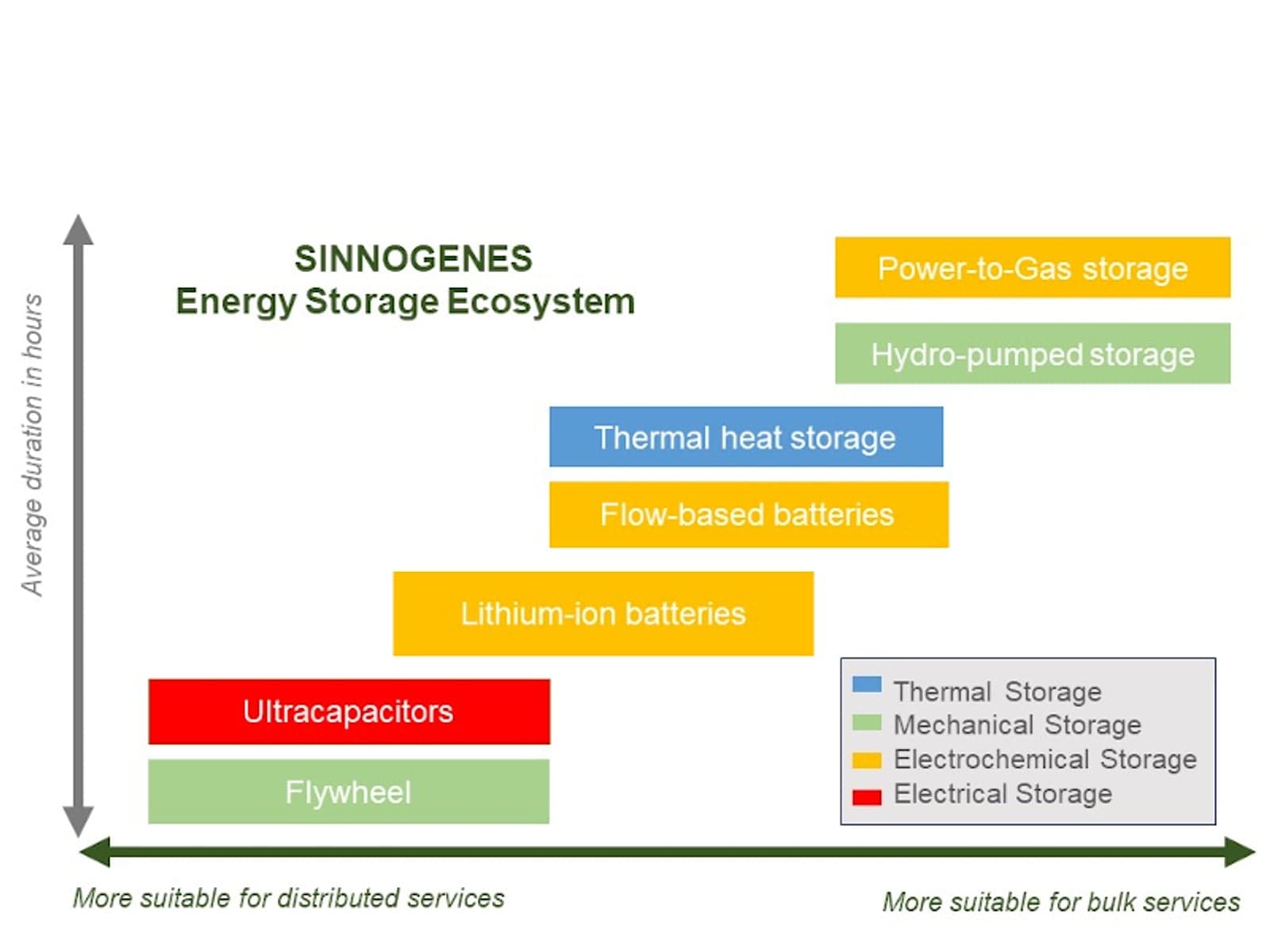
SINNOGENES Horizon Europe project aims at designing, developing and applying a toolkit (SINNO Toolkit) that offers a complete approach in the management of a spectrum of storage technologies covering a plethora of sectors and applications, encompassing both widely adopted and commercialized options like hydro-pumped storage and lithium-ion, as well as emerging technologies that are still in the research and development phase, such as power-to-gas, which is considered a potential source of low-cost, long-duration energy storage. These technologies exhibit significant diversity in terms of their operational features and technological maturity, factors that will significantly influence their respective roles within the power grid (Figure 1, above).
Storage Technology
Mechanical energy storage: Such systems either store energy in the kinetic energy of a spinning mass (flywheels) or by forcing a mass or volume against a potential (e.g., by pumping water uphill in the case of hydro-pumped storage). These systems generate electricity by converting the kinetic energy back into electricity or by allowing the mass or volume to work in the direction of the potential (e.g., allowing water to flow downhill).
Thermal energy storage: Electricity can be used to produce thermal energy, which is stored in a thermal energy storage unit until it is needed (e.g., generation of electricity from geothermal energy).
Electrochemical energy storage
Batteries: These systems use a series of reversible chemical reactions to store electricity in the form of chemical energy. Lithium-ion is a mature energy storage technology with established global manufacturing capacity (used for short-duration high-cycling applications) with various chemistries like Nickel Manganese Cobalt (NMC), Nickel Cobalt Aluminum (NCA) and Lithium Iron Phosphate (LFP) emerging. Flow batteries offer extended durations, deep discharge without damage, and long-life cycles, suitable for load following or peaking. Though they have higher upfront costs than lithium-ion, their longer lifespan lowers lifetime costs. Flow batteries are safer and less reliant on rare materials, though they tend to be larger due to lower energy and power density.
Power-to-gas: Hydrogen energy storage involves producing, storing, and converting hydrogen back to electricity. Large-scale hydrogen production relies on water and electricity, with electrolysis as the mature method, efficiently splitting water into hydrogen and oxygen (72%-82% efficiency). This flexibility helps balance supply-demand and use surplus renewable electricity. Solar or wind plants can directly power electrolysis. Stored hydrogen is used for electricity via combustion or fuel cells, but round-trip efficiency is around 40%-50%.
Electrical energy storage: Such systems typically refer to supercapacitors and superconducting magnetic energy storage, both marked by exceedingly fast response times and high-power capacities with relatively low energy capacities. Supercapacitors, also known as ultracapacitors (high-capacity capacitors) store energy by static charge and are useful for power quality applications, as they can frequently charge and discharge at high currents for short durations; thus, they are not used for long-term energy storage but rather sustain power gaps for up to 60 seconds with quick recharging capabilities. When paired with electrochemical devices in hybrid energy storage systems, they have been shown to improve the efficiency and lifetime of the battery components.
SINNO Toolkit: Sectors and Applications
In SINNOGENES participating 27 partners from Portugal, Spain, France, Belgium, Luxembourg, Germany, Greece, Italy, Cyprus and Switzerland. It includes 6 demonstration sites in 5 different European countries (Figure 2). The proposed SINNO Toolkit will be tested in different environments and demand sectors (industrial, residential, services, agricultural, maritime, mobility), leveraging cross energy carrier integration potential, via coupling electricity with heat and hydrogen storage.
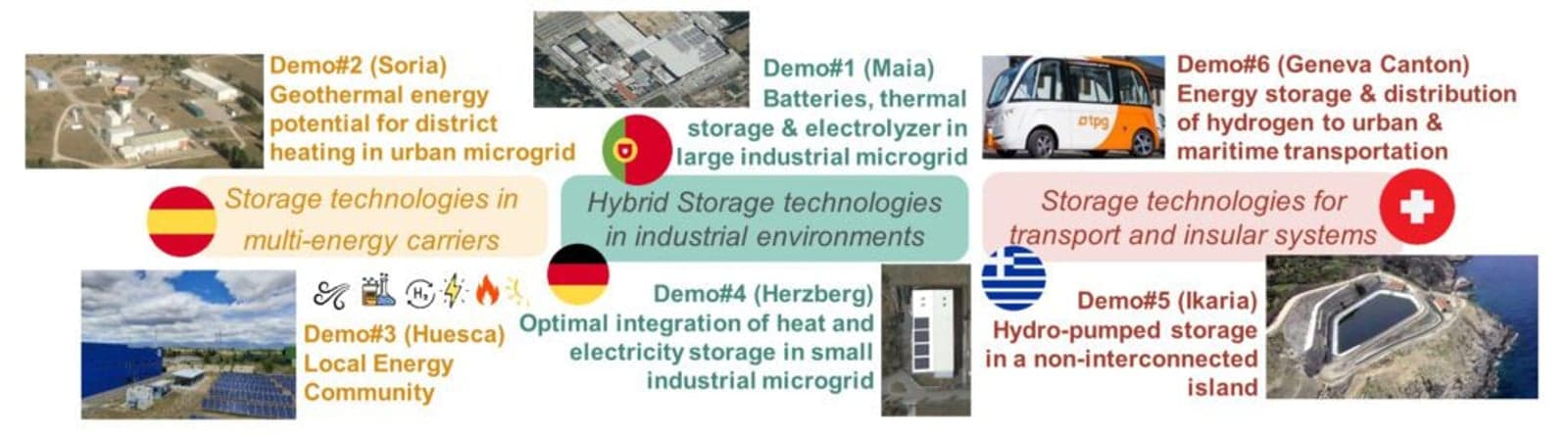
SINNO Toolkit: A batch of integrated energy management tools and digital services for energy storage technologies covering short-term (intra-day, real-time), Medium-term (Day-ahead to Week-ahead) and Long-term (Planning) time horizon, through a broad portfolio of:
- Flexibility services (e.g., frequency regulation, black start, voltage support, congestion relief, etc.) and demand response.
- Applications on field and simulation studies:
- Planning and operation of energy storage systems locally.
- Management of hybrid storage technologies to provide flexibility services to energy system operators.
- Increasing operation efficiency of the heating and cooling system via energy sector coupling.
- Planning of interconnections between remote areas (e.g., islands, outermost regions with insufficient grid capacity and unstable or long-distance connections to the main grid) via large-scale energy storage.
- Integrating energy storage in the transport network.
- Resilient operation of industrial microgrids and energy community, leveraging renewable energy resources, thermal energy and hydrogen storage.
Regulation & Market Design: Promoting storage flexibility, lowering costs and curtailment
The European Commission has recently released energy storage recommendations aligning with its Electricity Market Design proposal. These guidelines stress storage's role in system flexibility, cost reduction and sector electrification towards a reduction in the energy generation’s environmental footprint, underpinning a decarbonized and secure EU energy system. EU countries are urged to consider storage's unique features in tariffs, ease permitting, and optimize network usage. The recommendations also tackle revenue predictability, behind-the-meter storage, island flexibility, R&D, and data transparency. A 35-pageStaff Working Document offers in-depth insights into the EU's storage framework, addressing barriers, opportunities, and best practices.
SINNOGENES is continuously analyzing the existing regulatory framework regarding the technical requirements and specific flexibility policies (reduced energy cost, tax reduction) for the provision of those services, as imposed by the European and national regulatory framework (e.g., network codes, such as the recently published Technical Guideline for the Connection of Electricity Storage Modules to the Hellenic Electricity Transmission System) of each country member and will disseminate the results of this analysis to the relevant policy makers providing feedback in the context of stakeholder consultation process.
This project has received funding from the European Union’s Horizon programme under the Grant Agreement No. 101096992