Is solar + storage South Africa’s golden ticket out of darkness?
Pamela Largue
Posted on: 23 May 2023
With the country short 6000MW, South Africa is facing an existential challenge due to the problem of unmet power demand.
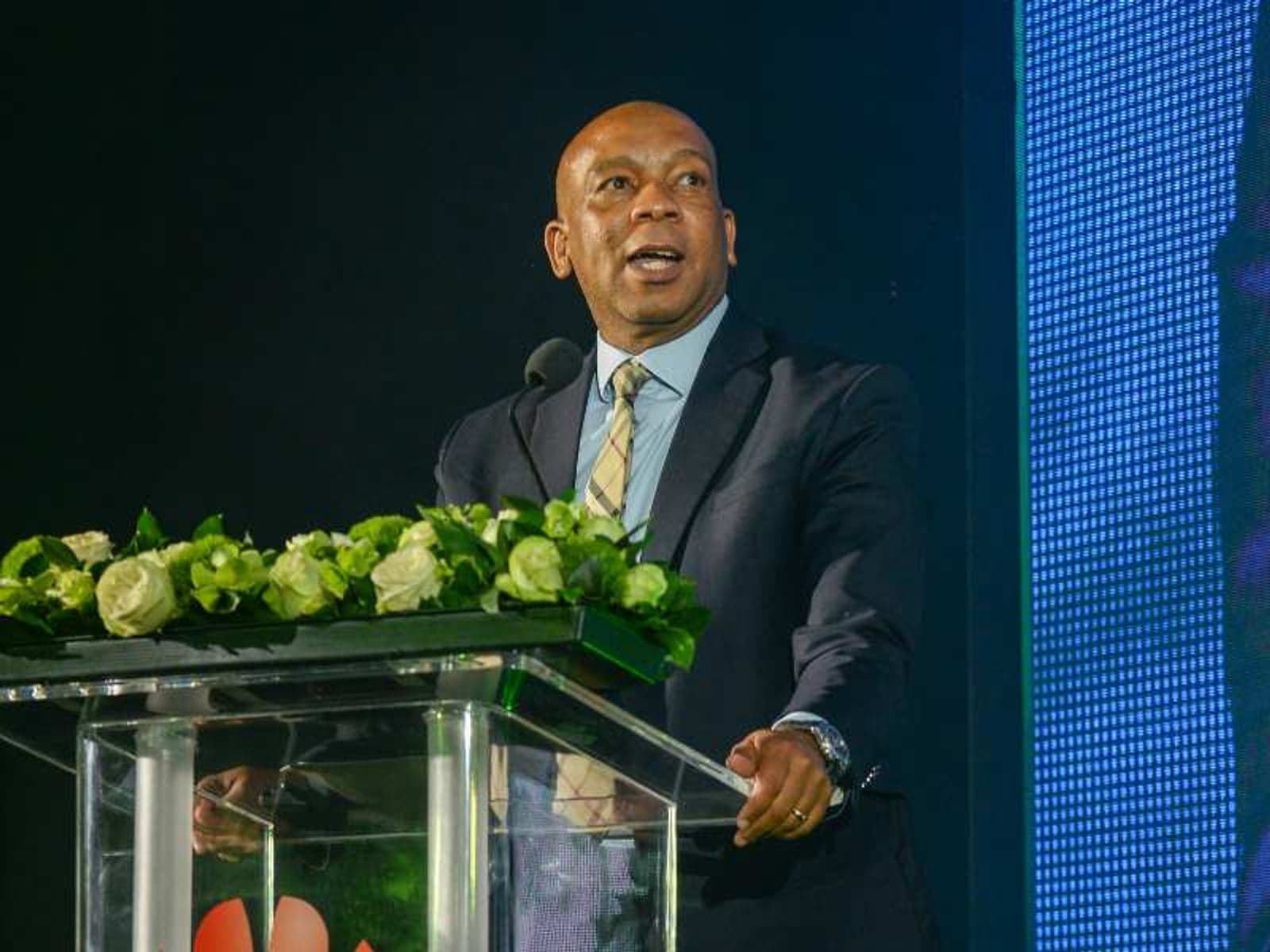
South Africa is facing an existential challenge due to the problem of unmet power demand. With the country short 6000MW, it’s never been more important to galvanize private sector participation and transform the electricity sector to ensure energy security.
But how will the country transform its electricity sector and what are the solutions to what the government has deemed a state of emergency?
It appears as if solar and energy storage will be critical, backed by a healthy dose of political will, effective partnerships with the private sector and technology that can provide the digital backbone for effective energy transition.
At least, that is according to South Africa’s Minister of Electricity Dr. Kgosientsho Ramokgopa, who addressed attendees of the Solar Show Africa 2023 and the Huawei Fusion Solar Forum held in Johannesburg, South Africa.
Have you read?
South Africa’s energy crisis explained in five quotes from the state utility’s leadership
The Minister was commenting on the country’s dire power situation, a period of widespread national blackouts (loadshedding) that began in 2007. Ramokgopa was appointed as the country’s first Minister of Electricity in February 2023, a position created by South African President Cyril Ramaphosa to coordinate efforts to end loadshedding.
State-owned utility Eskom has blamed the energy crisis on insufficient generation capacity, however, aging coal-fired power plants and a lack of effective infrastructure maintenance also resulted in unplanned outages and breakdowns that put the power system under extreme pressure.
“[Loadshedding] is the single most preeminent challenge facing the country and it is undermining the growth prospects of our country,” said Ramokgopa. “Loadshedding is devastating all aspects of our lives…and that’s why we are taking every action possible in order to resolve the loadshedding problem.”
Ramokgopa stated some of the more urgent actions needed to address the situation.
He spoke of the need for private sector participation and blended financing options, a pipeline of bankable projects and, importantly, the technology to exploit that project pipeline.
“The South African government is looking for blended financial facilities for the funding of alternative energy installations, making it more accessible to more people.
"At the same time, the government will also broaden the flow of participation by upskilling people in the technology of renewable energy systems.”
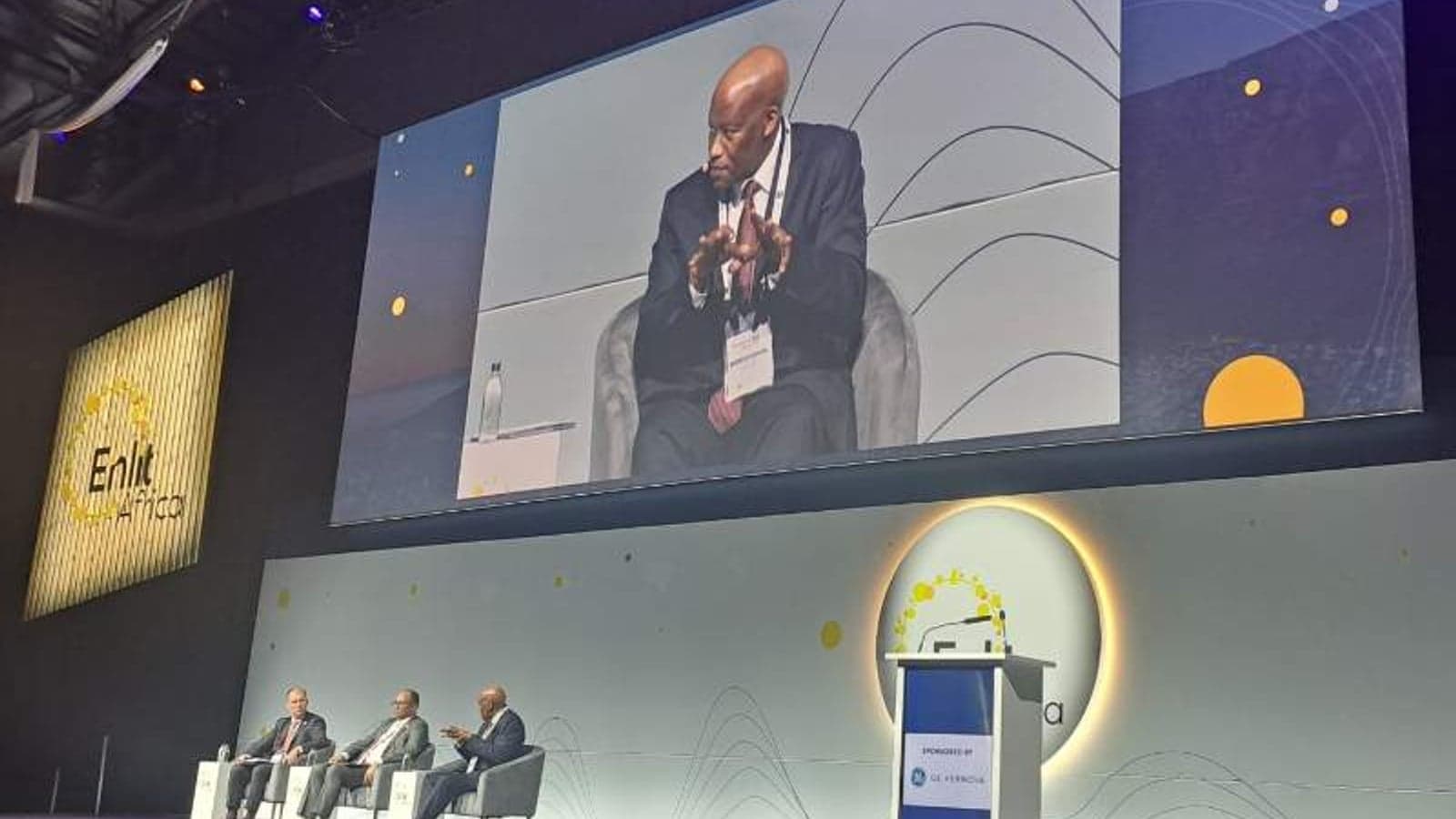
Enlit Africa: Shedding light on solving an energy crisis
Ramokgopa also emphasized the need to accelerate procurement of new capacity and unleash the power of businesses and households through investment in rooftop solar.
The aim of government is to implement policy instruments that can turn consumers into prosumers, a process the Minister suggests could ultimately solve load shedding.
Feed-in tariffs coupled with effective demand-side management and improved grid stability to support future bid windows were also highlighted as critical to solving the power crises.
Market trends: Solar + storage
It was clear throughout the Minster’s presentation that decentralised solar power coupled with energy storage are considered essential to South Africa’s energy security, a sentiment that was echoed in the Fusion Solar Forum hosted by Huawei alongside the Solar Show Africa.
In South Africa, the high cost of electricity together with the introduction of tax incentives on solar panels is driving market growth. This coupled with the record amount of loadshedding experienced in 2022 (more than 3,773 hours) is spurring the off-grid market at an unprecedented pace.
Thus far, 2023 has seen approximately 106 days of loadshedding causing South Africa’s residential and C&I sectors to consider all solutions available to keep the lights on.
Most areas in South Africa average more than 2 500 hours of sunshine per year, and average solar-radiation levels range between 4.5 and 6.5kWh/m2 in one day. This makes South Africa's local solar resource one of the highest in the world and makes solar and energy storage a logical go-to to increase secure power supply.
One of the more popular off-grid solutions, Huawei suggests, includes smart PV, energy storage, inverters, backup power and optimizers - a smarter power system that includes options to optimize power generation, manage demand and usage when tariffs are lowest and that allow for bidirectional power flow back to the grid.
According to Huawei, the amount of inverters shipped to Africa in 2022 rose by 87% with energy storage solutions shipped up 70%. This indicates an important trend according to the technology company, that the continent is moving towards off-grid solar and storage solutions.
Smarter, digitalised solutions front and centre in South Africa
According to Chen Guoguang, President of the Huawei Smart PV Product Line, as South Africa looks to replace coal with renewable resources, grid stability will become a priority and grid-forming technology will become an increasingly important part of all new PV.
It’s therefore safe to say that digital technology will prove essential to solving the country’s energy crisis, as well as facilitating the green energy transition.
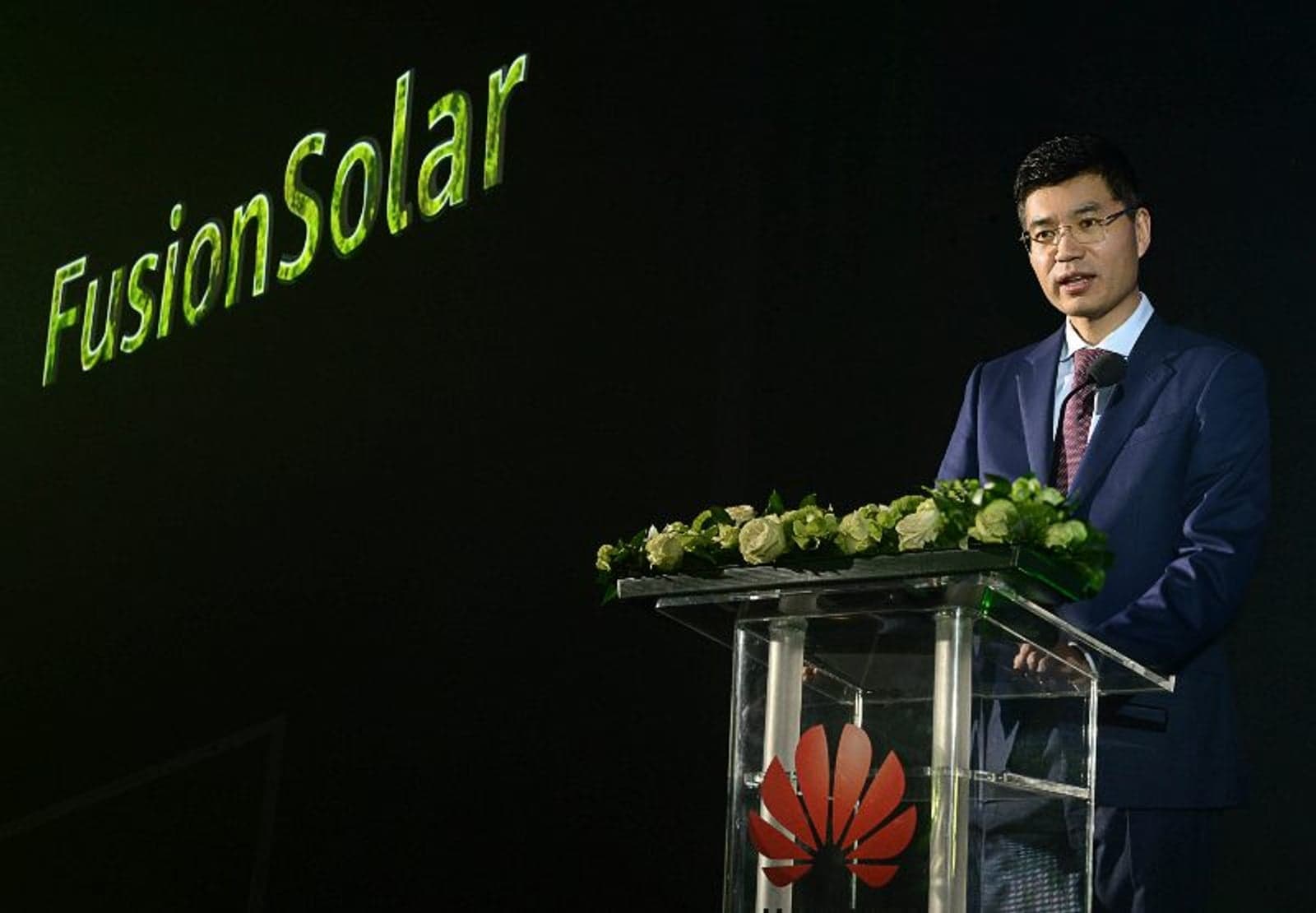
To answer the growing need for digital solutions, Huawei is increasing its R&D focus to improve off-grid applications by doubling its R&D investment in 2023.
Leo Chen, President of Huawei Sub-Saharan Africa, said that the urgency of Africa’s own transition is being accelerated by power shortages and rising energy prices. “With a heavy investment in R&D, we’ve developed the most comprehensive set of technologies in ICT, and this forms our unique advantage.”
He said that the company is focusing on R&D to integrate digital technologies in the fields of power electronics, thermal management, power storage, and Cloud and AI. The aim is to support an increasingly efficient and more intelligent solar industry in South Africa and Africa at large.
South Africa is clearly experiencing challenging times as it faces significant power supply deficits and a need to transition away from coal. However, there are solutions and technology on the table to make a tangible difference to security of supply and there are private sector participants, such as Huawei, willing to offer support and go the distance on the country’s journey to a brighter future.