Home
/
Is the EU Clean Industrial Deal meaty enough to feed industry’s appetite for competitiveness?
Is the EU Clean Industrial Deal meaty enough to feed industry’s appetite for competitiveness?
Pamela Largue
Posted on: 31 March 2025
Faustine Delasalle| CEO of Mission Possible Partnership| suggests the outlook for Europe’s industrial landscape is rather bleak despite the Clean Industrial Deal.
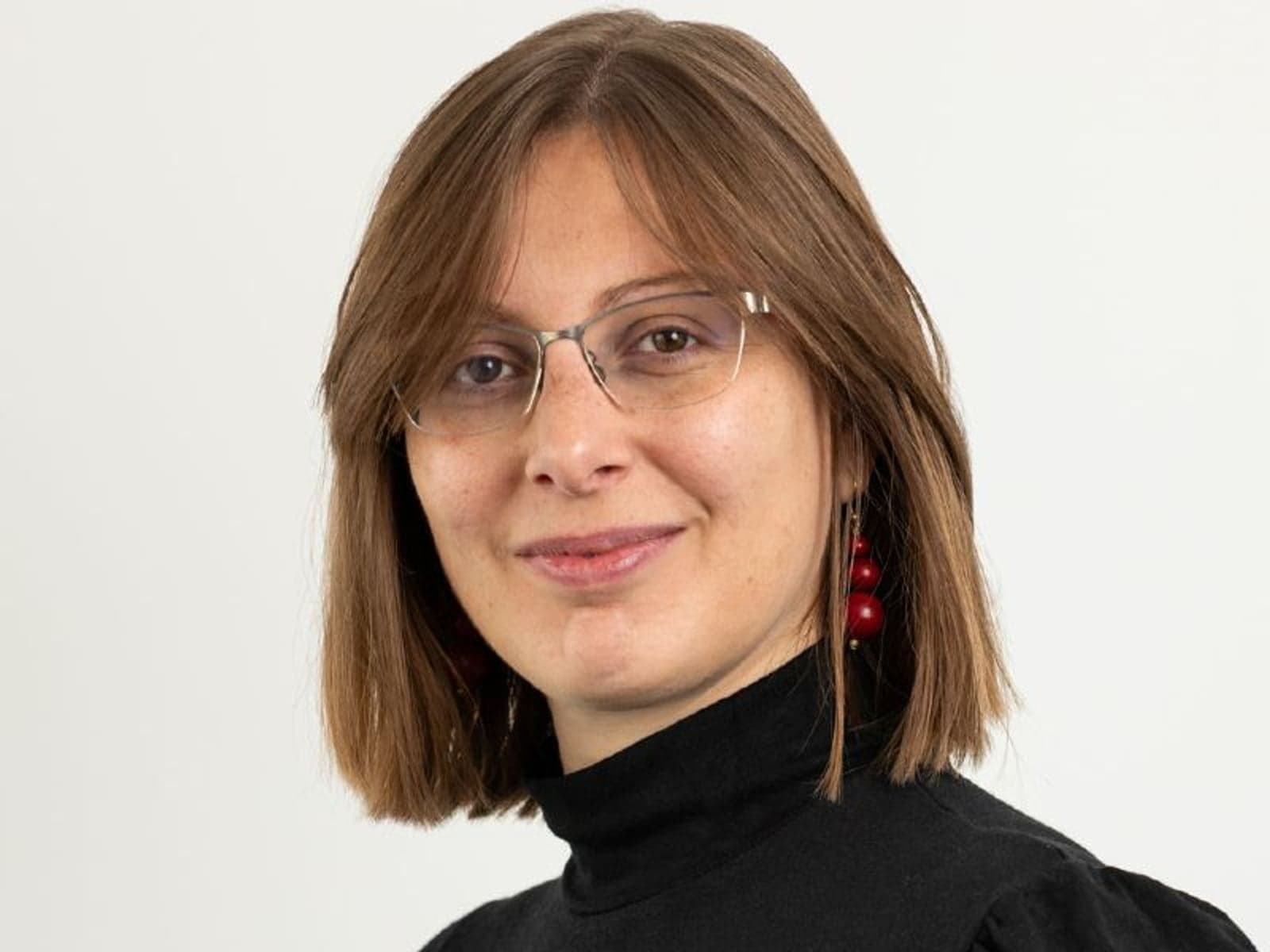
Faustine Delasalle, executive director of Industrial Transition Accelerator and CEO of Mission Possible Partnership, suggests that the outlook for Europe’s industrial landscape is rather bleak despite the Clean Industrial Deal.
Europe’s industry has long been struggling to remain competitive due to high energy prices, especially gas, and unfair competition from other producers around the world, says Delasalle.
And it’s this lengthy struggle that causes Delasalle to suggest that the long-anticipated Clean Industrial Deal has come rather late.
The clock is ticking
Delasalle believes that the energy crisis caused by the Russia-Ukraine conflict has made the European industry more fragile more quickly.
Besides the fragile state of industry, she is also concerned about the climate perspective.
“We are running against time to invest in clean industry at scale.
“It takes time to build industry… and if we want commercial-scale, clean industrial plants to be up and running in the early 2030s, investment decisions need to be taken in the next 12 months – we are running against the clock.”
With the clock ticking, industry is feeling the pressure now. The Clean Industrial Deal has brought about “a sigh of relief that its finally on the horizon,” said Delasalle, but speedy and strategic implementation are needed to realise what the Deal has to offer.
Have you read?
Electrification key to decarbonising heavy industry says Coolbrook CEO
Clean Industrial Deal gets reality check at European decarbonisation summit
She is chiefly concerned about the possibility of fragmentation and a lack of pace in terms of implementation.
“Right now, the text which is good…remains very blurry the type of policies to create those markets and how ambitious those policies will be in the short term – that is something that is still to be shaped...”
What exactly are the meat and potatoes of the Clean Industrial Deal?
Delasalle describes several aspects of the deal which really deliver what is needed and also mentions some which will need work to be realised.
In terms of the “no brainer” items being brought to the table, she said, these include developing circular economy, reshoring industrial activities, ensuring greater sovereignty of industrial base and revitalising local economy.
There’s also a lot included in the Clean Industrial Deal aimed at reducing energy costs for energy intensive industries, which is critical because industries have been facing very high costs of fossil fuels.
Delasalle also lauds the Deal’s focus on creating lead markets for clean commodities. Stimulating demand for clean commodities is critical she stressed, as you can’t invest in new clean industrial plants if there is no demand for the clean products they produce.
“Developing demand through policy is a critical piece of the puzzle that we were missing… and is finally embedded in the industrial deal.”
However, despite these meaty elements which will be sure to satisfy some requirements, there are also some hurdles to be overcome.
Firstly, said Delasalle, industry needs a lot of renewables at low cost to decarbonise. However, she is not convinced that abundant, cheap, renewable energy is something Europe can deliver.
“What worries me on that front is that Europe might not be best positioned around the world to produce cheap abundant clean energy,” referring to other countries around the sun belt that would be better situated in this regard.
Ultimately, Delasalle does not believe that Europe can fully solve the issue of reducing energy costs completely.
“I don’t think unfortunately that the European industry will ever at home benefit from energy cost that are as low as what the Middle East, north Africa or India can offer…”
Also of interest: Mission Possible: Tracking Europe’s industrial decarbonisation
Leading with Europe’s strengths
Delasalle explained that Europe needs to focus on what it does best, like develop and produce clean technologies, and form partnerships with other countries that can support with clean energy production.
She compares it to a trade-off. Rather than producing everything in Europe with more expensive energy, rather produce some products in other countries where the renewable energy is cheaper.
“…[There] are other models where you accept that some pieces of your industry, the most energy intensive processes do go offshore…and you keep in Europe the pieces that are less energy intensive…That reflection on what are the pros and cons from a political perspective hasn’t really been thought through by policy makers…”
Partnerships are the answer
European industry has a fairly large pipeline of clean industrial projects. But these projects are not moving to Final Investment Decision, said Delasalle, because of structural issues like energy costs and the lack of lead markets.
Now, the Clean Industrial Deal should focus on unlocking the existing project pipelines with the understanding that “European technology leadership is fading,” giving countries like China and India the chance to capitalise on the opportunities Europe is unable to.
The fact is that Europe now needs to partner with other regions that can supply clean energy to European industries and can provide bigger markets, she said.
And these partnerships are not only beyond Europe’s borders, but within them too.
Delasalle called for leading businesses across the value chain to join forces, as more industry voices will ensure more political support for these ambitious goals to be met.
“I am confident we will get there,” she says adding a note of slight pessimism, “ [it's] whether Europe can move fast enough to strengthen its clean industrial base before other countries around the world jump on that opportunity and out-compete European players.”
Related tags
Latest content
+2
Reclaiming energy sovereignty: the EU’s strategic response to a fragmented global order
Alexandra Garatzogianni, EUSEW digital ambassador, explains why energy sovereignty is vital for strengthening Europe’s resilience, advancing innovation and securing strategic leadership in a geopolitically volatile world.
- Guest/partner contributor
- 01/07/2025