Italian centralised storage receives €17.7bn injection
Power Engineering International
Posted on: 22 December 2023
The European Commission has approved a €17.7 billion Italian scheme for a centralised electricity storage system.
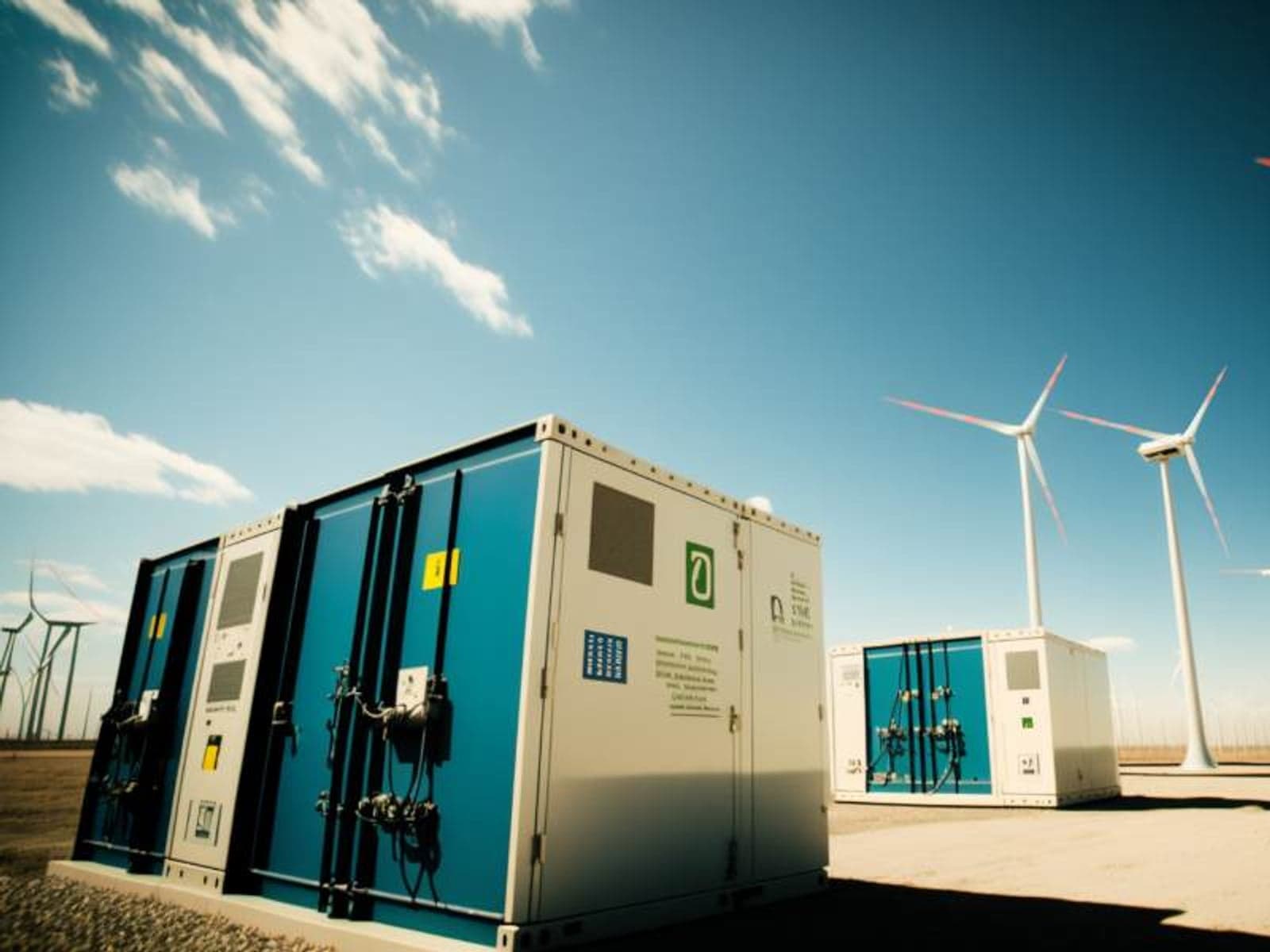
The European Commission has approved a €17.7 billion ($19.5 billion) Italian scheme to support the construction and operation of a centralised electricity storage system to integrate renewable energy sources into the country's electricity system.
Approved under EU state aid rules, the Italian scheme will support the construction of electricity storage facilities with a joint capacity of more than 9GW/71GWh and will run until 31 December 2033.
The measure aims to facilitate the integration of renewable energy sources in the Italian electricity system, curbing supply-demand gaps resulting from the intermittent nature of renewable production.
The system will allow storage of excess electricity at times of overgeneration and to use it at times of scarcity, thereby reducing RES curtailment and the need to produce additional electricity through programmable but polluting power plants.
Under the scheme, the aid will take the form of annual payments covering investment and operating costs to electricity storage developers.
Have you read:
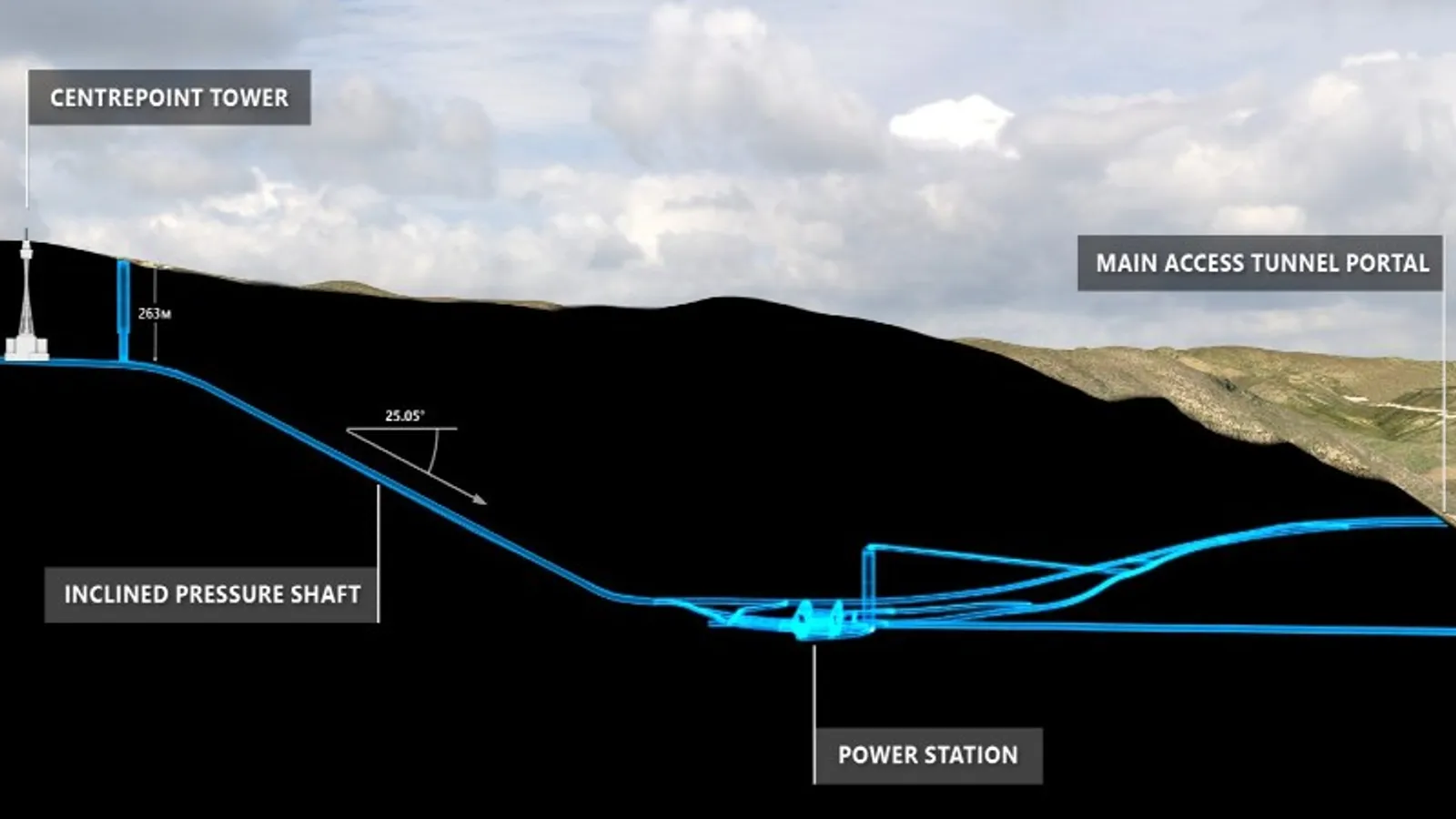
Tunnel work restarted for Snowy 2.0 pumped storage project
ABB and Gravitricity partner on gravity energy storage systems
The beneficiaries will be selected through a bidding process, where storage developers will compete based on offers relating to the lowest amount of aid requested per offered capacity volume.
The scheme will be open to all technologies meeting the performance requirements set by the Italian TSO and approved by the Italian Energy Regulator.
The list of eligible electricity storage technologies will be revised every two years to reflect technological developments. Currently, eligible technologies include electrochemical lithium-ion storage, as well as hydro pumped storage plants.
As part of the measure, a new ‘time-shifting trading platform’ will be set-up, whereby storage capacity will be pooled and offered to third parties in the form of standardised time-shifting products.
The beneficiaries of the measure will be required to make available the storage assets on this platform. The TSO will then assign physical storage assets to execute the standard time-shifting contracts, optimising the use of available storage assets.
This platform will enable RES producers to use the storage assets supported by the measure to directly shift their electricity production from times of overgeneration to times of scarcity.