JET delivers last plasma experiment
Jonathan Spencer Jones
Posted on: 5 January 2024
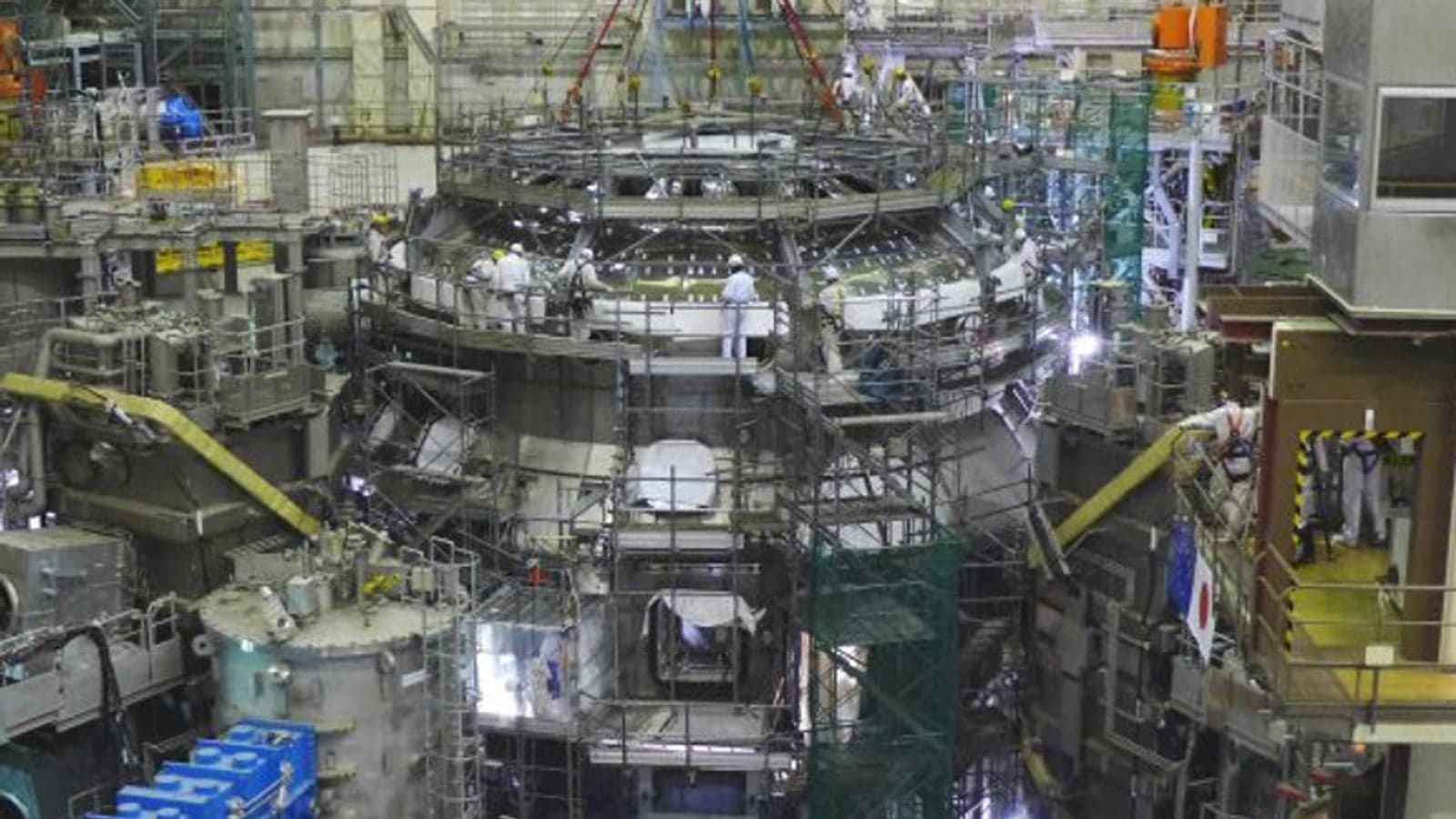
After over 40 years of operation| the Joint European Torus (JET) at the UKAEA’s Culham site near Oxford has performed its final experiment.
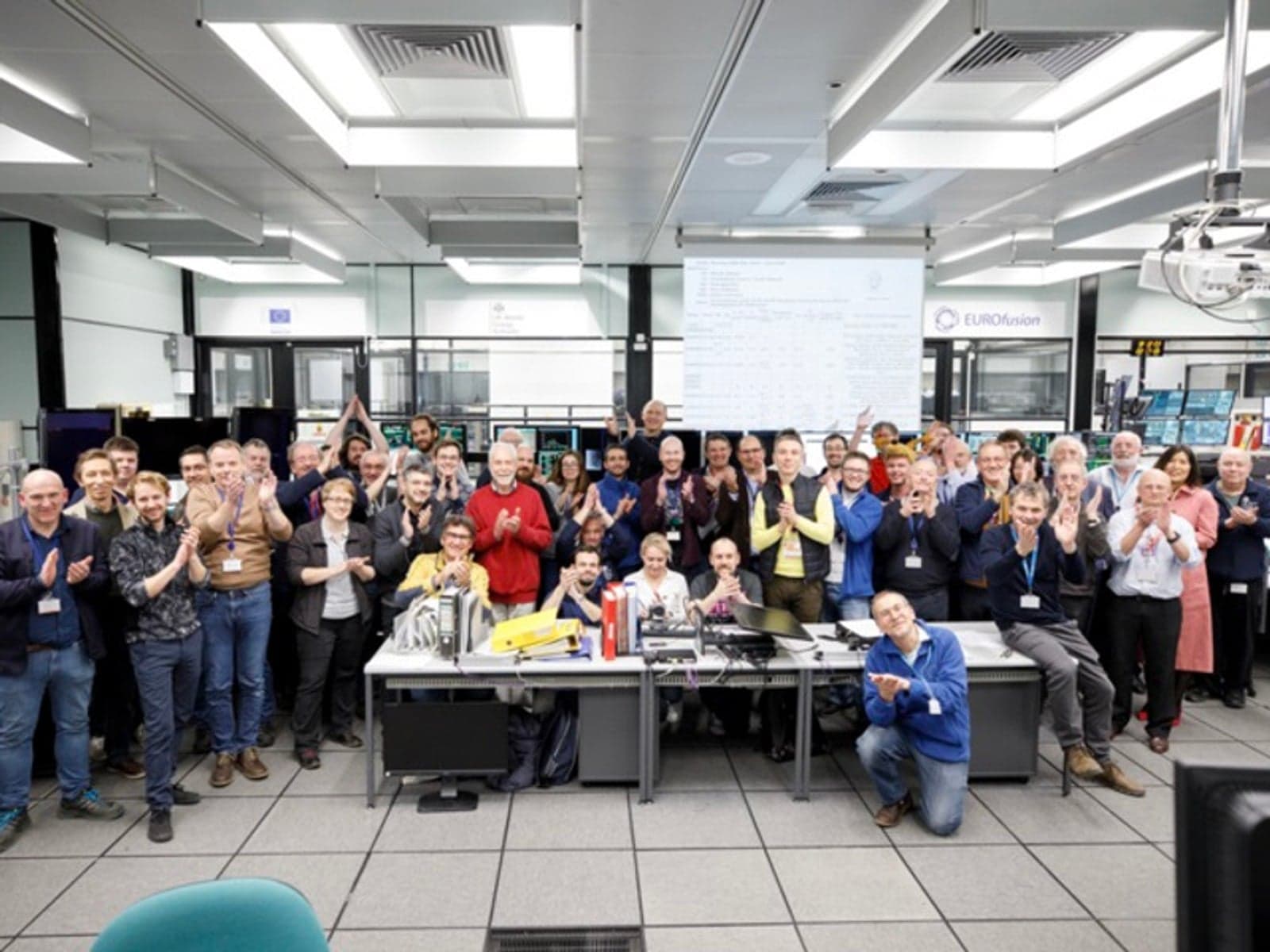
After over 40 years of operation, the Joint European Torus (JET) at the UKAEA’s Culham site near Oxford has performed its final experiment.
Pulse number 105,842, which was delivered on December 18, 2023, while being the last also marked a ‘first’ by firstly attempting an inverted plasma shape before deliberately aiming electrons at the inner wall with the goal to improve understanding of beam control and damage mechanisms.
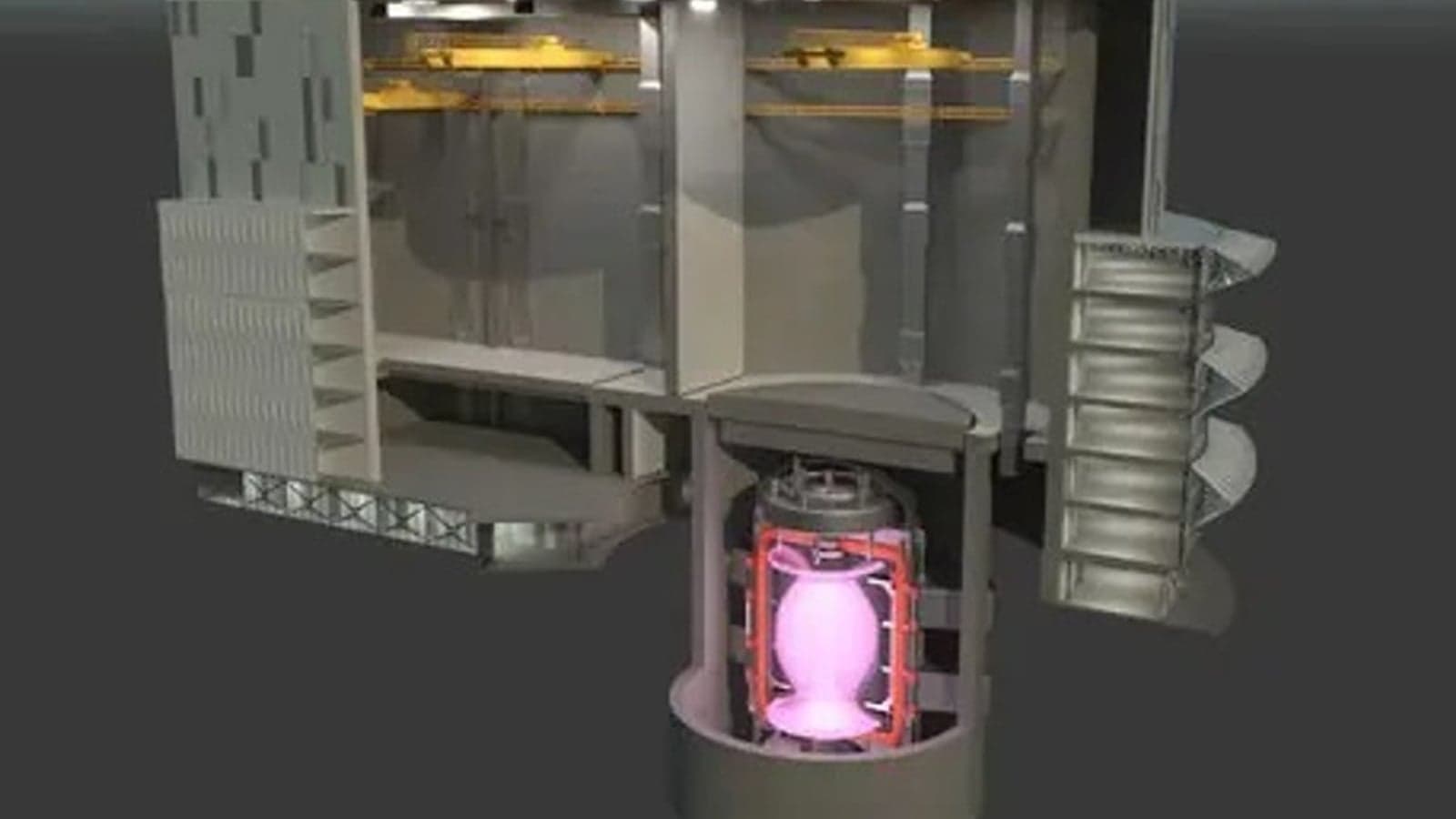
The findings of this and other earlier experiments will support the development of JET's successor, the international ITER project, as well as the UKAEA’s STEP (Spherical Tokamak for Energy Production) programme to deliver a prototype fusion plant in the UK ca 2040.
“This is the final milestone in JET’s 40-year history,” said UKAEA CEO Professor Sir Ian Chapman of the final plasma experiment.
Have you read?
UK updates fusion energy strategy with £650m package
Energy Transitions Podcast: Why fusion energy is the ‘vaccine of climate change’
“Those decades of research using JET by dedicated teams of scientists and engineers have played a critical role in accelerating the development of fusion energy.”
JET was conceived in the early 1970s to offer a joint European approach to fusion development and began operation in June 1983.
Of a tokamak design using a magnetic field to confine plasma in the shape of a torus and long considered the best candidate for commercial scale fusion, JET has been at the forefront of advancing plasma physics and fusion systems and materials serving as a research facility for up to 350 scientists from across the region annually.
It was the first device to produce controlled fusion power with deuterium and tritium in 1997 and in that year also achieved a world record for fusion power.
Laser-based tritium diagnostic
Although the final experiment is past, useful findings from JET will continue to emerge.
For example, in early December 2023, the development of a laser-based method to release and measure tritium trapped in the machine was reported, which will help to inform the management and operation of tritium in such tokamaks.
The new technique is based on fast heating of the tiles within the tokamak with a high-powered laser, which causes rapid expansion and evaporation of the gases, including tritium, retained in the tile surface deposits and that can then be identified and measured using mass spectrometers.
However, the control of the laser targeting is extremely challenging, with a laser beam path 35m long that can deliver 100 laser spots spaced 3mm apart along a snake-like path in just two seconds.
Repurposing and decommissioning
JET also will continue to provide benefits during the next phase of its life cycle of repurposing and decommissioning, which is expected to last until around 2040.
For example, some of the assets may be repurposed for fusion or other applications, while the decommissioning should shed new light on areas such as detritiation, characterisation and sustainable disassembly.
Chapman has promised the next 15 years of JET are set to be just as exciting as the last 40.
"We have an enormous opportunity to repurpose what is probably a billion's worth of assets. And for the first time we will decommission a deuterium-tritium machine in a sustainable way, which will prove the sustainability of fusion and which is integral to getting it to market."