Making the water sector smarter
Jonathan Spencer Jones
Posted on: 18 September 2025
In an exclusive interview Fred Royan, VP Sustainability and Circular Economy at SWAN, talks smarter water management in an era of increasing water scarcity.
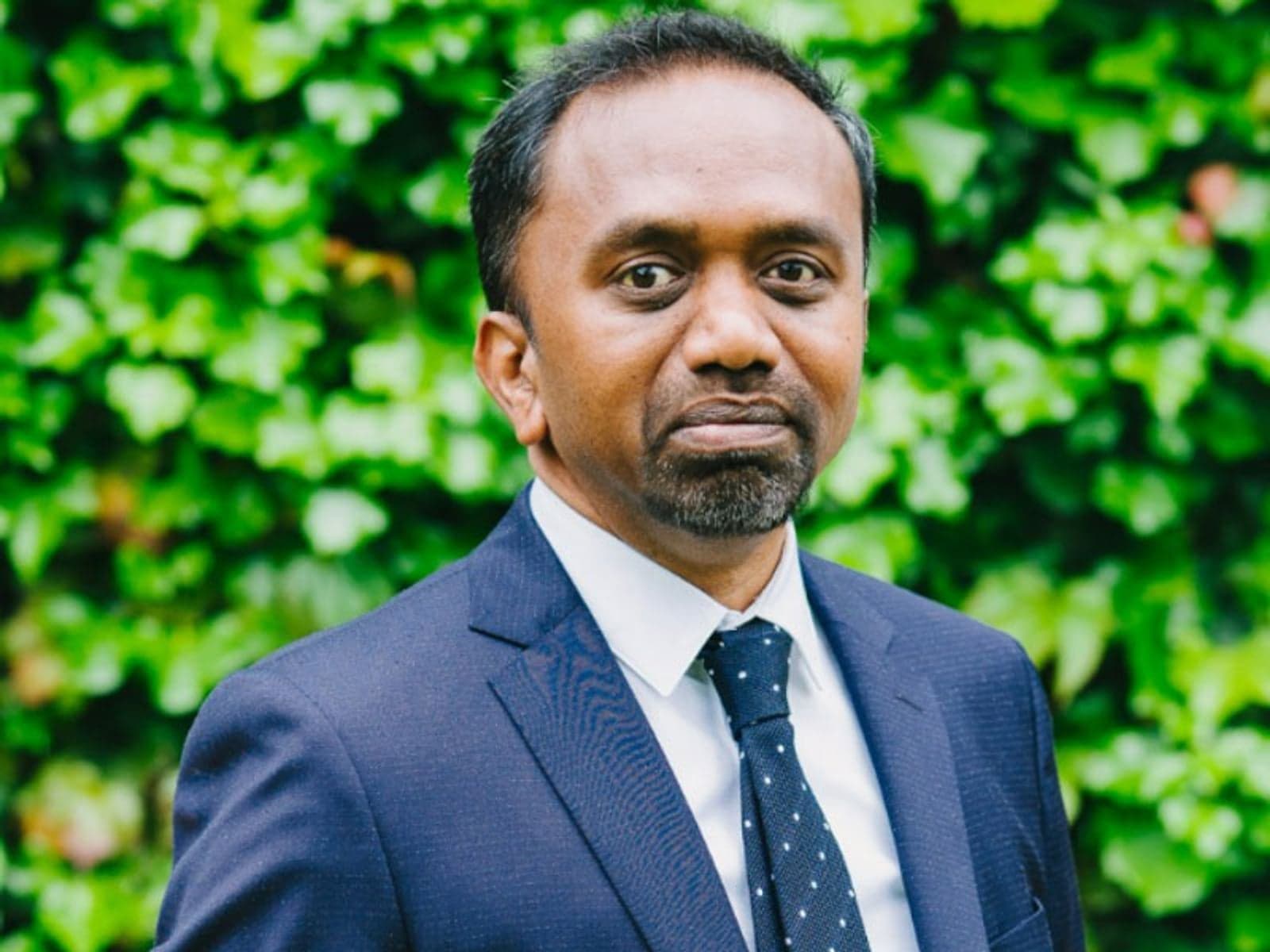
In an exclusive interview Fredrick Royan, Global Practice Area Leader of the Sustainability and Circular Economy Practice and Chair of the Advisory Council at SWAN, talks smarter water management in an era of increasing water scarcity.
Water has been universally regarded as a ‘right’ and at least in the most developed countries its availability has been generally taken for granted.
Unlike electricity, which has long been metered, water being metered is a more recent invention with many jurisdictions still unmetered, and the infrastructure is almost exclusively underground so that losses through leakage can easily go unnoticed.
But this is fast changing with a growing population and changing climate patterns, with warmer weather leading to increased evaporation and drought and then intense rainfall causing flooding and pollution and the inability of aquifers to refill.
“The challenges are in getting the water at the right place at the right time and at the right price,” says Royan.
Also of interest
Europe Energy Briefs: Europe’s energy-water nexus
Getting that balance depends on location. For example, in Europe most countries have full access to water and sanitation, whereas in emerging markets such as India – of which Royan is particularly familiar as his native country – access is a top issue, with most cities having intermittent supply.
Added to that, water security is emerging as a challenge in Europe, Royan says, stressing that whereas two decades ago only the Mediterranean region was considered water scarce, now many regions of Europe and for example parts of the UK on occasion face the threat of water shortages and non-sanitary restrictions.
In the UK, this has led to a scenario of going from just over a third of properties being metered for water a decade ago, to all properties having smart water meters by 2035 and the widespread use of network monitoring and management technologies for pressure and leakage.
Join the smart water conversation at Enlit Europe
Circularity in water
The three ‘Ps’ of sustainability – people, planet, profit – are well known, but Royan has, with the increasing prevalence of digital in the water utility environment, created a six-P framework for the sector comprising policies, products, processes, personas, partnerships and platforms.
“Anything to do with sustainability and circularity starts with policies,” he comments.
“For example, wanting to be net zero as a water utility is a policy. Then to get the ball rolling on the policies is to develop new products and services and these in turn need processes such as business models.”
But the product and process goals cannot be delivered by policies alone and people are essential, as are partnerships across the sector.
“It is very important to understand the different personas across a company. But sustainability is such a convergent space that a single organisation is unable to tackle it to its full extent. So it's a perfect opportunity for companies to come together and form partnerships.”
Then finally platforms and technologies such as digital twins enable measuring, verifying and reporting on progress towards achievement of the policies.
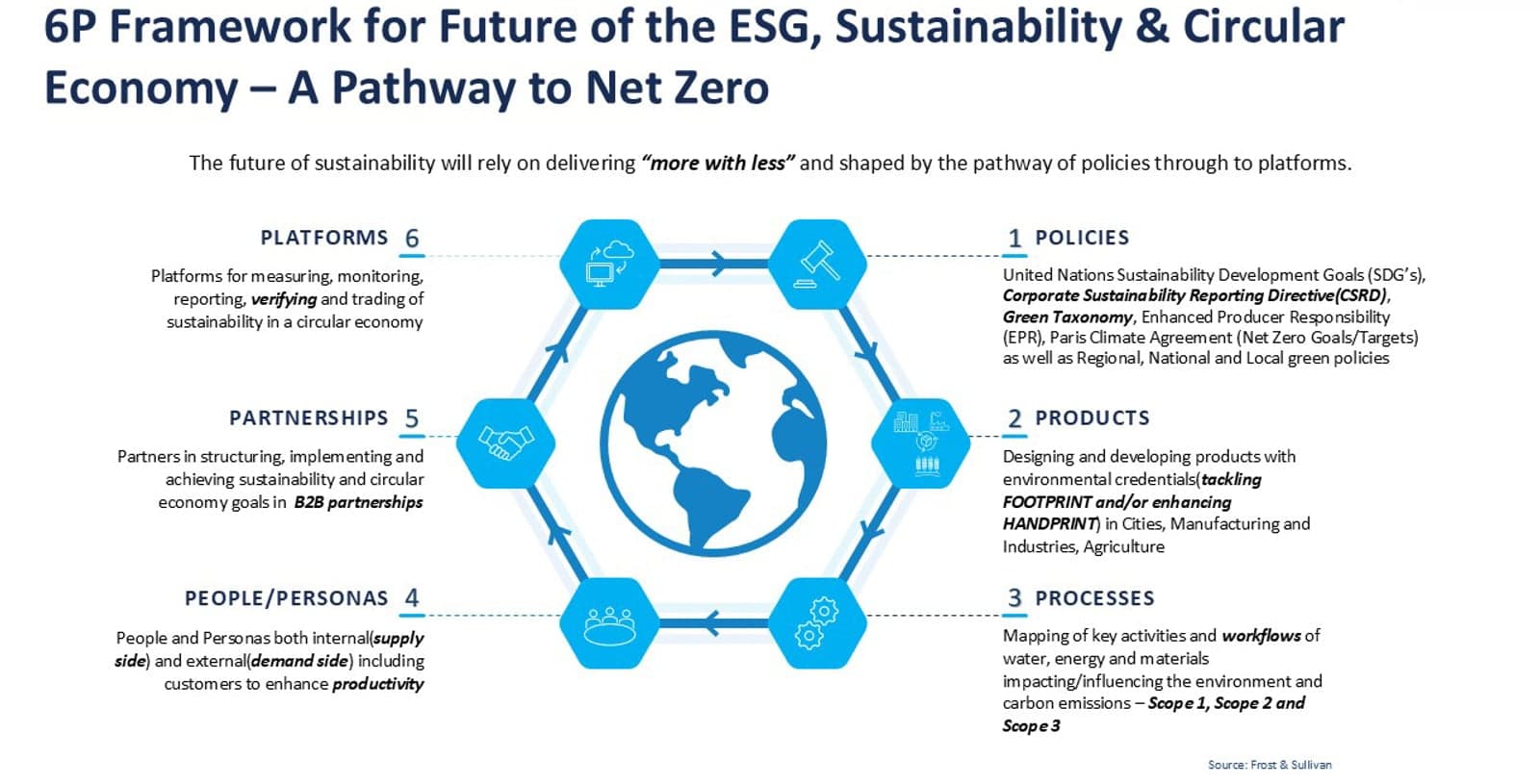
“I see the six Ps playing a crucial role, because once one reaches the platform level, then the data will support future policy evolution.
"In the past policies often weren’t backed by data because it wasn’t available, but now with the platforms in place, we will be able to fine tune policies to the extent to be able to address niche problems in the water sector.”
Steps to a smarter utility
Turning to the ‘smart’ space, Royan says that one of the biggest topics currently is high energy prices having a significant impact on water utilities in Europe and strengthening the case for the use of digital solutions.
“We have seen significantly increased interest in digital twins, for example,” he says, noting this is occurring not only with the largest water utilities but also among the thousands of small and medium-size utilities.
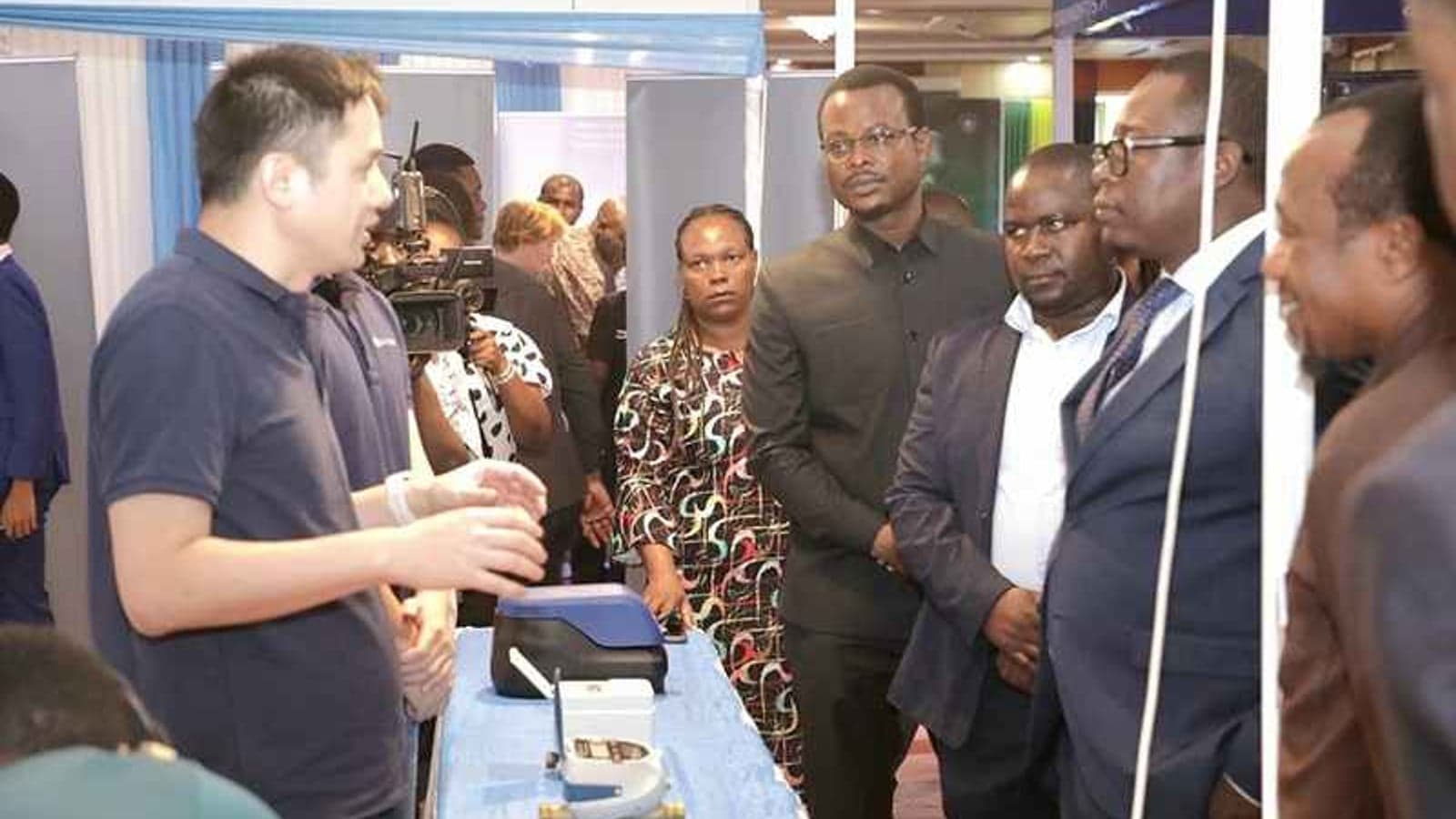
Another area of growing activity he mentions is smart water metering, commenting that in Spain and Portugal, significant progress has been made with EU funding, and in Sweden, projects are emerging, while in the UK every water utility is now installing smart meters.
“This is an excellent step,” he says, adding that the next challenge is for these smart meters to deliver the desired outcomes in terms of influencing customer behaviour in terms of their water usage.
“It hasn’t happened with the smart meters in energy so it’s going to be a big challenge.”
Other needs he mentions going forward are energy efficiency in the light of the high energy costs, standardisation and interoperability among products and solutions, and people with the necessary skillsets and levels of productivity.
“If you look at water utilities across the UK, they've increased their investment plans significantly but they're struggling with the people and the question is how to upskill them and give them the necessary tools to improve their productivity.”
Challenges for smart technology deployment
Expanding on the challenges for water utilities to become smarter, Royan mentions finance as the number one.
“Utilities always have multiple priorities and lists of tasks they need to accomplish with limited funding,” he says.
“But with energy efficiency becoming a number one driver, the deployment of smart solutions that can significantly increase the energy efficiency and move the dial on energy costs are moving up the priority order.”
As an example, he mentions the use of smart pumps for pumping water, while another is smart sewers with a focus on monitoring solutions for alerts to potential problems and to better manage sewer overflows.
“The level of investment planned in smart sewers in the UK is unprecedented and comes after several of the utilities have seen multi-million pound fines for overflows,” Royan explains.
Water use and reuse
As part of the water security drive, leak detection has emerged as a key issue for water utilities, with such losses averaging around 30% in many locations, among them the UK.
Royan says that some countries have managed to get the levels down to single digit figures below 10%, but he suggests the main challenge in the UK is the ageing infrastructure.
“It will continue to see investment and will take some time, but the difficulty is that with all the investment needs, there is only so much that can be allocated to non-revenue water. But the UK utilities have targets and aim to be around 15% by 2030.”
Alongside leak detection there is the target to reduce per capita water consumption from the 150 litres a day and more that is common in many countries – in the UK down to 122 litres a day by 2038 and 110l litres a day by 2050 – and Royan says that the data being gathered with the smart meters should shed some light on progress towards that.
Indeed the level could be lower, he suggests, mentioning the ‘50L Home’ initiative, which is focussed on advancing ‘whole home’ innovations for domestic water management and use to enable a daily per capita consumption of 50 litres.
Such a target may not be as unattainable as appears at first sight. A pilot recently reported by the 50L Home Coalition in Los Angeles, with retrofitting of homes with water and energy saving appliances and fixtures, the indoor water use was reduced to 87l/day – about half the average usage for homes in the city.
“This initiative is coming out with some very interesting solutions and for example one is starting to see the reuse of grey water for non-consumptive uses in the home.”
And this brings the conversation back to the circular economy and its role in the water sector.
“I see it as an important paradigm and it’s not just about the water but also the green energy to operate water systems and the other resources associated to its use, such as those out of a waste water plant,” says Royan.
An example is the production of green hydrogen or other biofuel from waste water, such as is being advanced by Welsh Water in its HyValue project.
“With smart technologies and sustainability and circularity, I think we should be able to tackle water security to a significant extent.”
Fredrick Royan is the Global Practice Area Leader of the Sustainability and Circular Economy practice at Frost & Sullivan. He is the current Chair of the Advisory Council at the Smart Water Network (SWAN) Forum and has been analysing the global water market for over 20 years. He led the launch of the Smart Water Programme in 2010 and has since focused on shaping the Global Water Research Programme around digital transformation. He has a Masters in Environmental Protection and Management from the University of Edinburgh secured as a Centenary Chevening Scholar and has also been conferred the Frost & Sullivan Fellowship.