Masdar and ADNOC sign decarbonisation agreement with Microsoft
Pamela Largue
Posted on: 6 November 2024
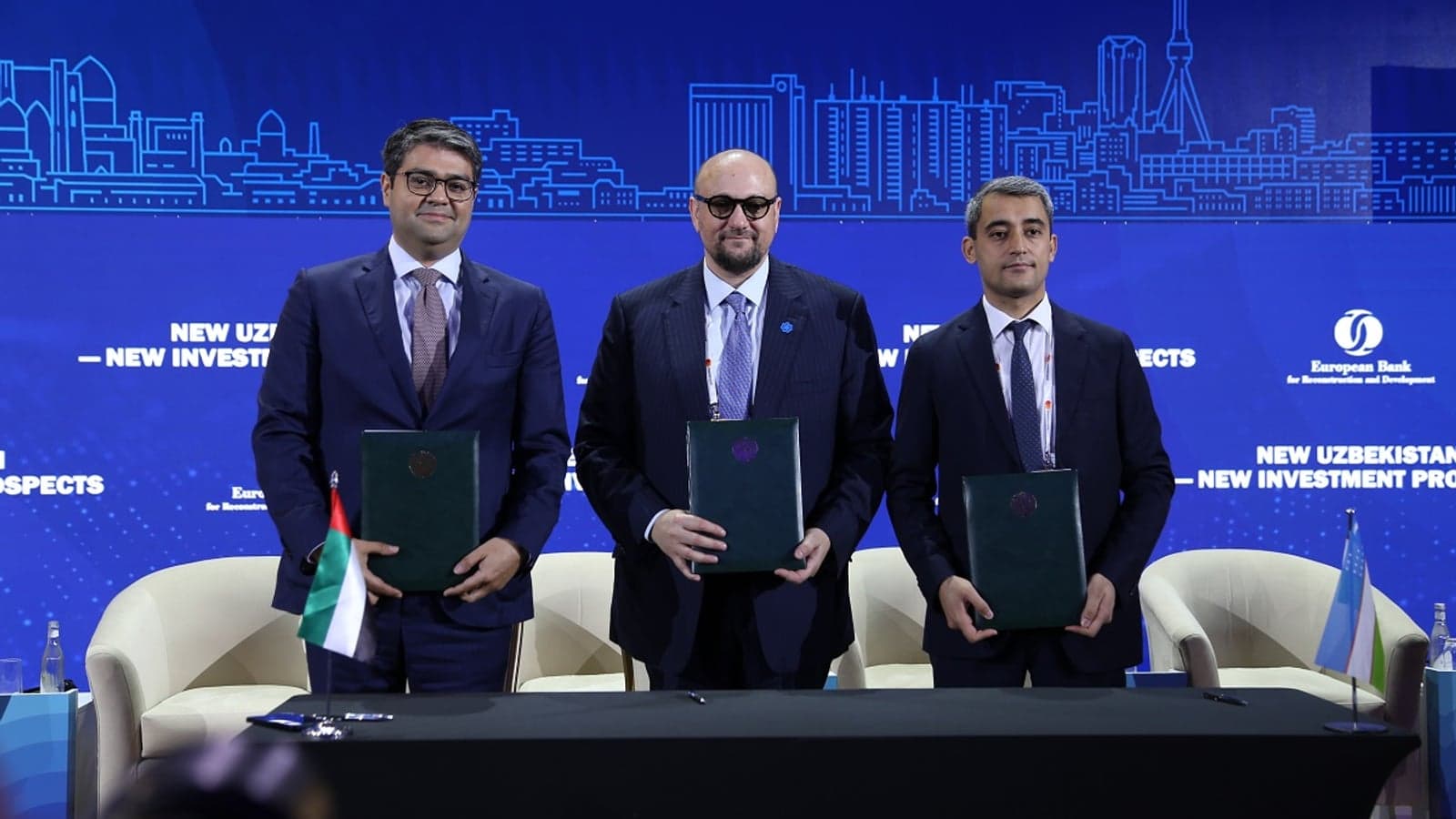
Masdar and ADNOC have signed an agreement with Microsoft on a range of AI and low-carbon initiatives in the UAE and further afield.
Masdar and UAE-based oil company ADNOC have signed a Strategic Collaboration Agreement with Microsoft on a range of artificial intelligence (AI) and low-carbon initiatives in the UAE and further afield.
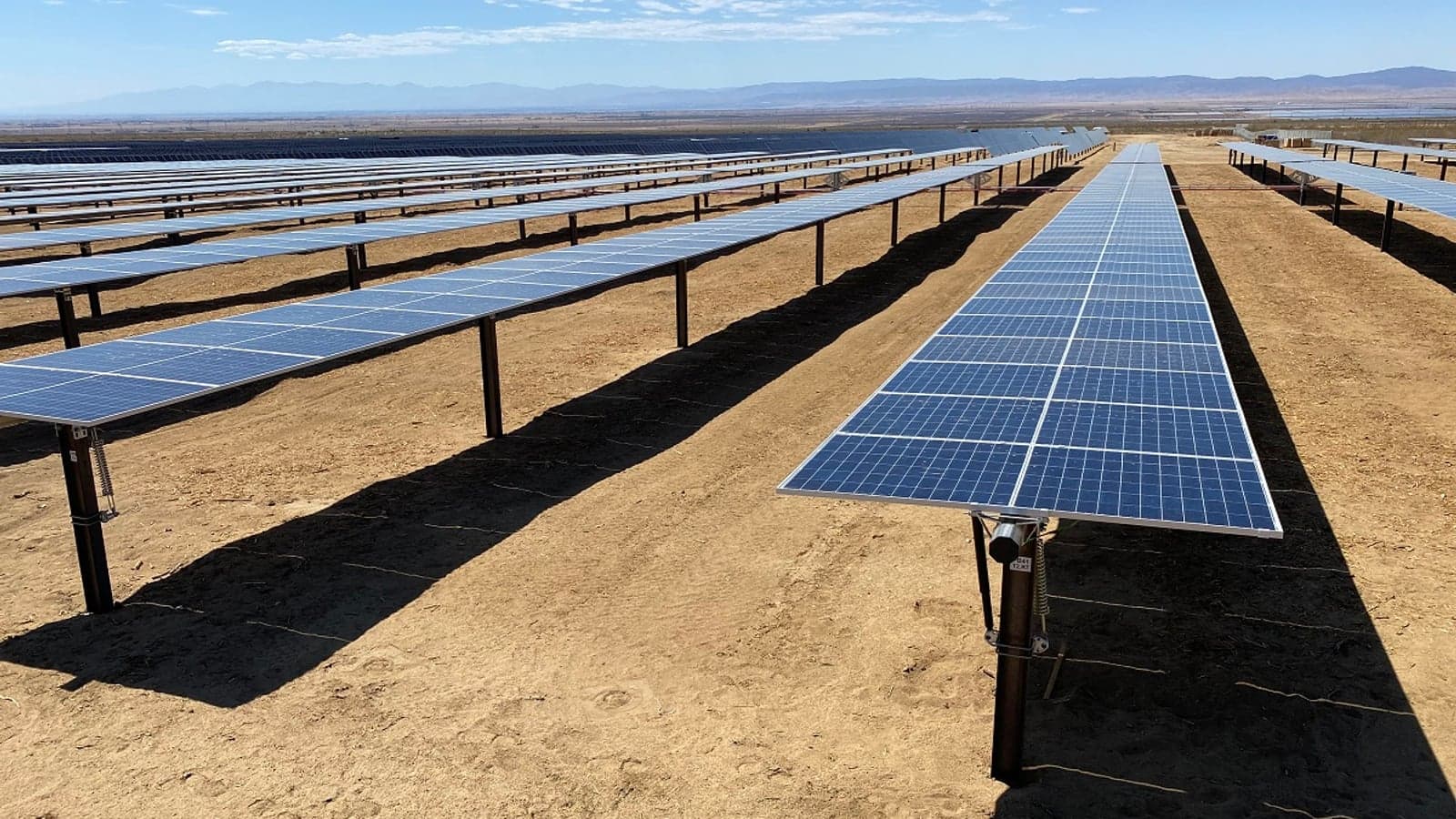
The agreement will see the partners evaluate opportunities to power Microsoft's data centres with renewable energy, as well as develop opportunities to advance carbon capture and low carbon hydrogen and ammonia.
ADNOC plans to use the partnership to accelerate the deployment of AI across its operations to reduce emissions and enhance operational efficiencies. According to Masdar, AI solutions deployed thus far allowed the company to abate 1 million tonnes of CO2 between 2022 and 2023.
Have you read?
How AI is ‘bending the curve’ on energy transition innovation
‘I am a translator between worlds’ says Mr Fix-It of innovation and AI
The agreement follows the release of the Powering Possible: AI and Energy for a Sustainable Future report, co-authored by ADNOC, Masdar, and Microsoft. The paper outlines key areas for collaboration between the energy and technology sectors to accelerate the transition to a net-zero energy system.
One of those key focus areas is to invest in AI for the energy transformation with a focus on tripling the availability of renewable energy, building grid resilience, reducing methane emissions, and utilising carbon capture and storage – a goal supported by the agreement signed this week.
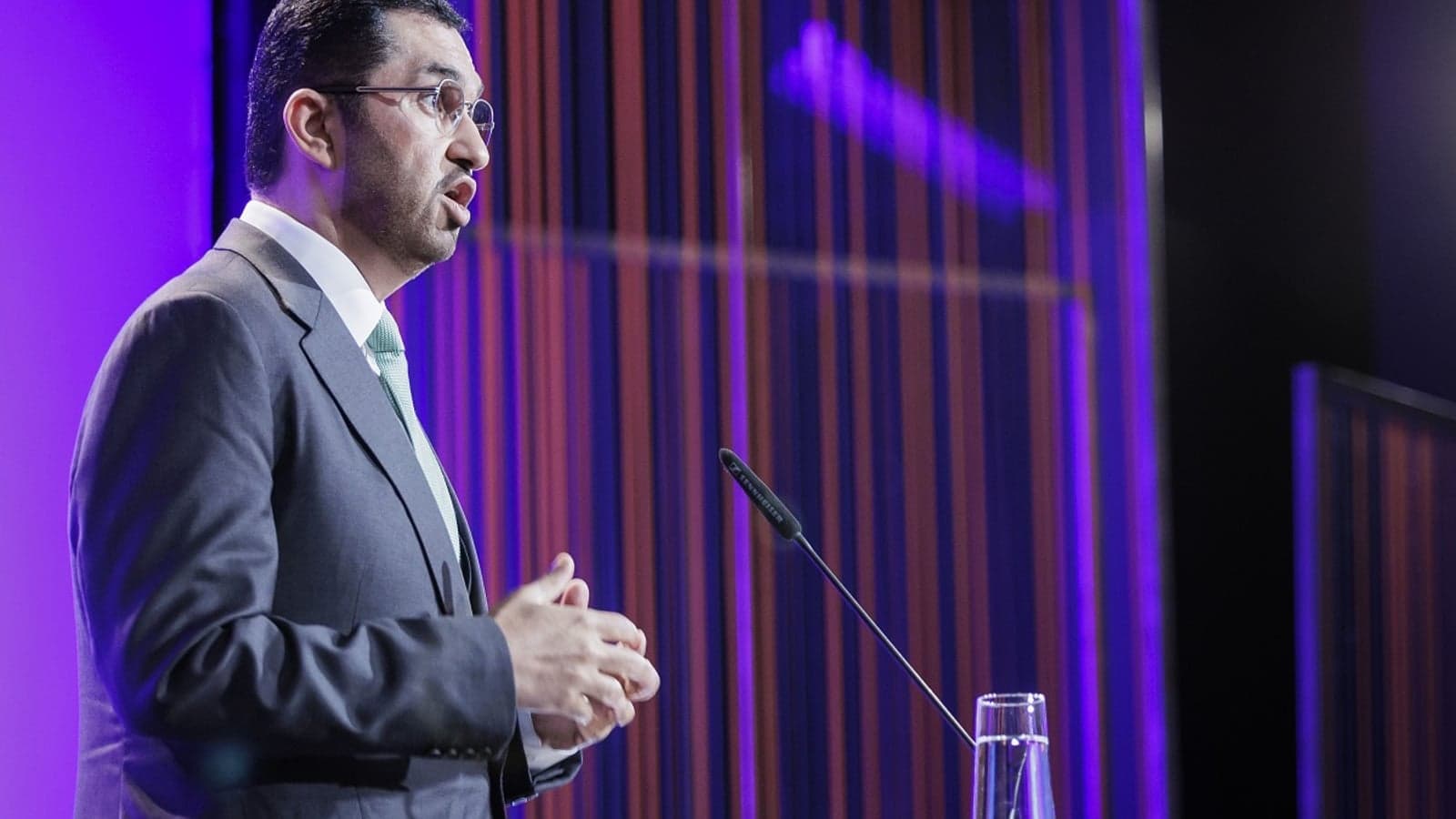
His Excellency Dr Sultan Ahmed Al Jaber, ADNOC CEO and Chairman of Masdar, commented in a statement: "By collaborating to solve AI’s near-term challenges, we can also unlock AI’s long-term benefits across the energy value chain – helping to secure a sustainable and prosperous future for generations to come."
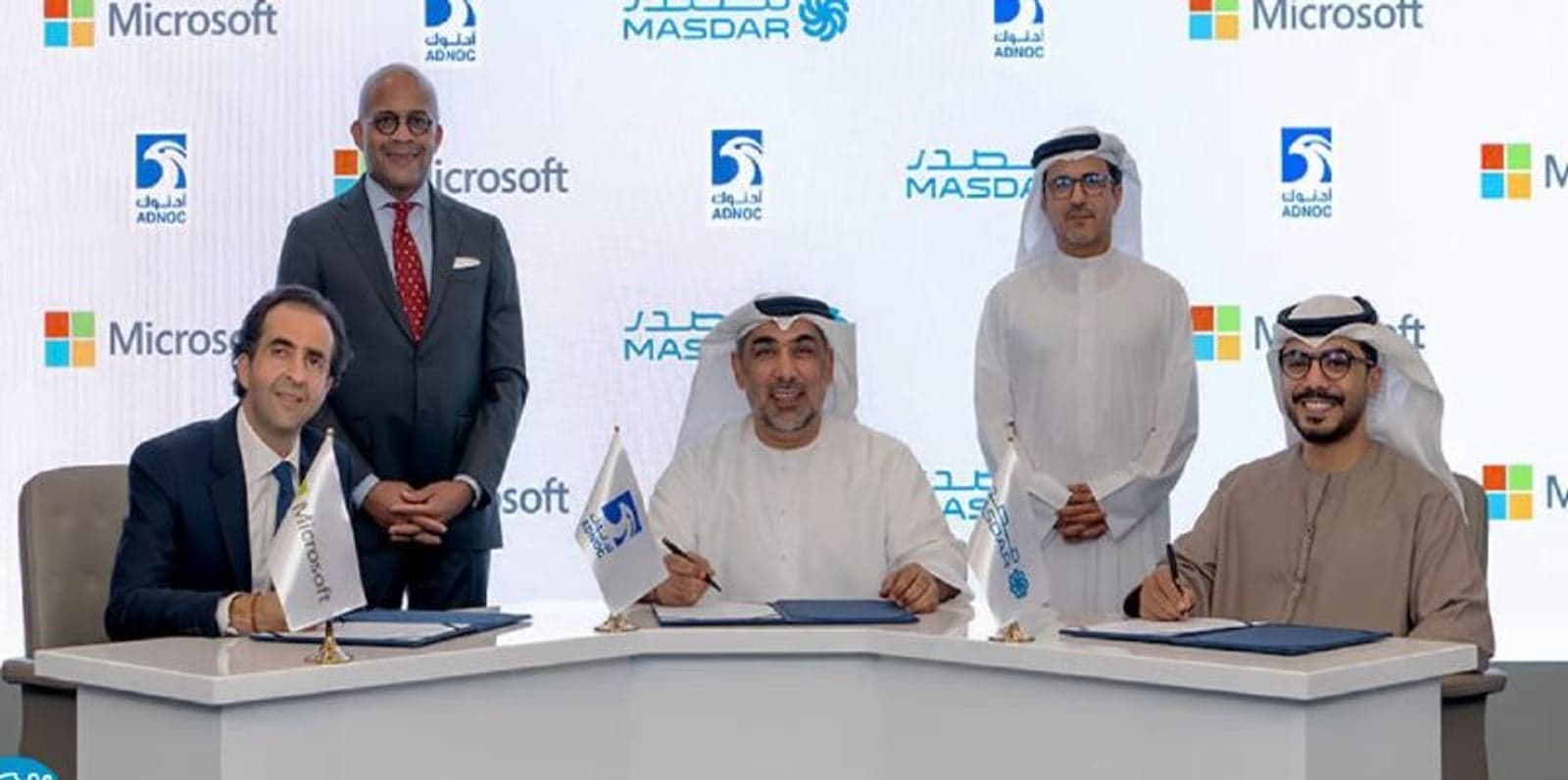
Brad Smith, vice chair and president, Microsoft added: "This new era calls on us to do two things at once: meet the AI moment while transitioning to a more sustainable economy. In a world that will need more electricity, not less, it's imperative that we generate more carbon-free energy to power AI and use that very same technology to increase capacity, optimise transmission, and expand energy access to communities around the world. This isn’t a journey any of us can take alone. It requires working across technology, energy, science and policy sectors to find solutions and accelerate our collective progress."