Microgrids market worth $206bn by 2031 – report
Enlit Editorial Team
Posted on: 22 September 2022
The global market for microgrids will increase by 11.3% between 2021 and 2031 resulting in an increase in revenue generation from $63.5 billion to $206.1 billion.
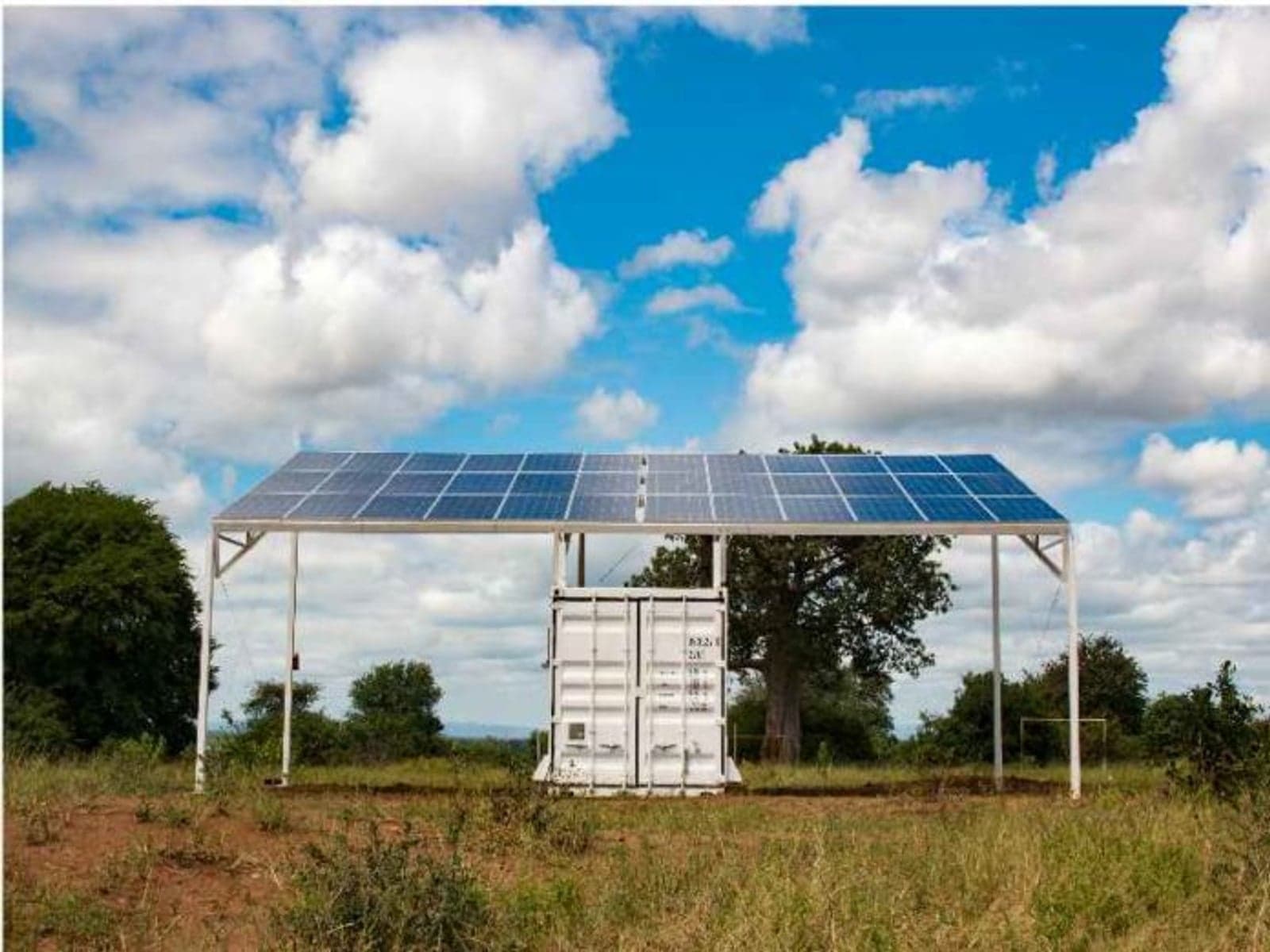
The global market for microgrids will increase by 11.3% between 2021 and 2031 resulting in an increase in revenue generation from $63.5 billion to $206.1 billion, according to a new report released by Transparency Market Research.
According to the study, factors driving an increase in the adoption of microgrids include:
The inability of grids to meet growing energy demand
The study states that continued increases in energy demand are resulting in the failure of traditional power grids to maintain energy reliability and security. As a result, energy companies, governments and communities are turning to microgrids.
The increase in demand for energy and consumption is due to factors such as growth in population and an increase in industrialisation and urbanisation.
Also of interest
IRENA boss Gielen finds positivity amid energy crisis gloom
Integrating renewable energy sources into the Dutch grid
The US Energy Information Administration predicts global energy consumption to rise by approximately 56% by 2040.
Energy reliability and resilience during harsh weather events
Due to climate change, harsh weather conditions disrupting grid operations are expected to continue to increase thereby pushing communities and energy companies to deploy microgrids that enable them to leverage distributed energy resources as reliable sources of power, according to the statement.
On-site microgrids are being installed to ensure power security for police stations, hospitals, pharmacies, petrol stations and grocery shops in the event of earthquakes, floods, or tornadoes.
Industry 4.0
Advancements in technologies such as monitoring systems, system engineering and relays are enabling independent power producers and utilities to leverage the microgrid concept to generate new revenue streams by participating in energy flexibility and demand response mechanisms.
Sustainability targets
The study has identified a growing trend in the use of microgrids to integrate renewable energy capacity as part of efforts by utilities and energy firms to achieve sustainability targets.
Addressing renewables fluctuations
Microgrids supplement macrogrids by handling power inconsistencies from regional renewables and provide additional services to bulk power systems and sensitive loads. As a result of all of these benefits, product usage is increasing across a wide range of applications, including community and utility, commercial and industrial, campus and institution, defense and military, and remote islands. In the next few years, this is projected to open up lucrative sales opportunities in the global microgrids market.
Grid modernisation
Decentralisation, digitalisation and decarbonisation concepts have resulted in an increase in the deployment of microgrids as the market seeks to modernise their operations with changing business models.
For instance, microgrids enable firms to avoid constructing new transmission and distribution infrastructure and to reduce energy transmission losses. Microgrids enable the supply of capacity to meet local demand using adjacent sources.
The global market is expected to be driven by breakthroughs in renewable energy technologies during the forecast period.
Transparency Market Research predicts the Asia Pacific will dominate the market owing to factors such as low electrification rates, increased demand for power, and poor grid connectivity.
Find out more about the study.
Related tags
Latest content
+6
The energy sector must lead Europe's industrial strategy says head of Enel Grids
"The energy sector is not just another industry within Europe’s industrial strategy; it is the enabler that underpins the entire European economy," says Gianni Vittorio Armani, Head of Enel Grids and Innovability.
- Enlit Editorial Team
- 15/10/2024