New Scottish blade could bring down the cost of tidal energy
Power Engineering International
Posted on: 25 October 2023
A state of the art tidal turbine blade has been manufactured in Scotland by design engineers from the University of Edinburgh.
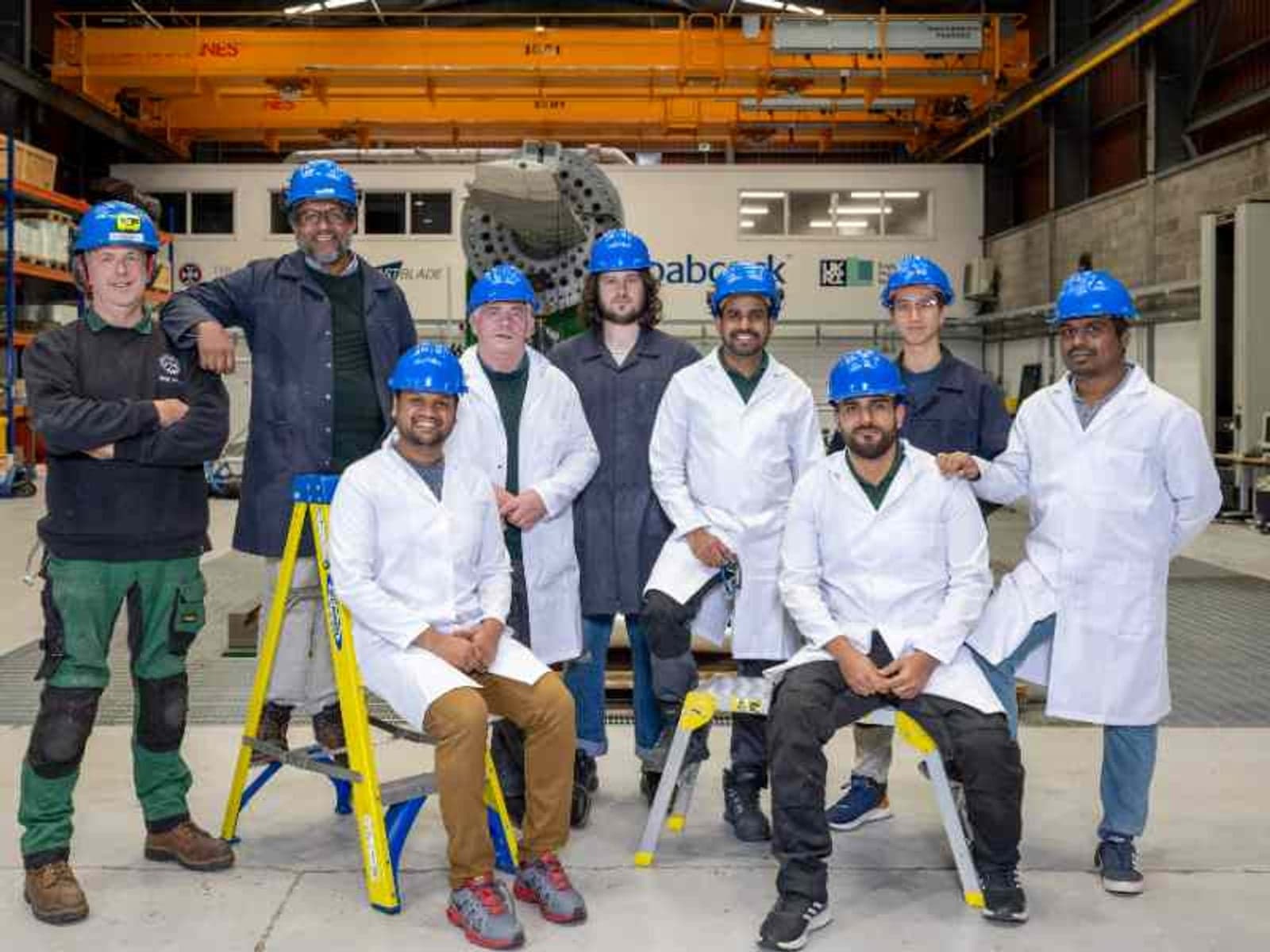
Design engineers from the University of Edinburgh have manufactured a tidal turbine blade more cheaply, an achievement that could reduce the levelised cost of tidal energy.
The engineers say the new structure reduces the amount of materials necessary bringing down the weight, volume and, crucially, the cost of manufacturing the blade.
The team is part of Edinburgh Innovations, the university's commercialisation service and is based at FastBlade the world’s first rapid testing facility for tidal turbine blades.
FastBlade leader Dr Eddie McCarthy, of the University of Edinburgh’s School of Engineering, said that the project shows the team's ability to manufacture tidal blades at a reasonable size and at speed.
He said, “We have found a faster, cheaper route to manufacture than the usual tidal blade fabrication process, based on an altered design – we hope the combination of improved design and optimized manufacturing process will contribute to reducing the levelised cost of energy (LCOE) of tidal stream energy, with the long term goal of matching LCOE of offshore wind.”
Have you read?
Orbital Marine selected for EU’s EURO-TIDES project
Underground infrastructure completed for US wave energy test facility
Currently, the UK contract price for tidal stream energy is around £178 ($216) per MWh, compared to £65 ($79) for offshore wind, and the high generation cost is a barrier to the development of tidal energy - potentially the missing piece of a year-round, renewable energy grid.
Lead design engineer Professor Dilum Fernando said: “This is the first time this type of structure has been used in blade manufacturing. Its monolithic structure eliminates the weaker adhesive joints found in conventional rotor blades, which will make it more resilient to tidal stream conditions.”
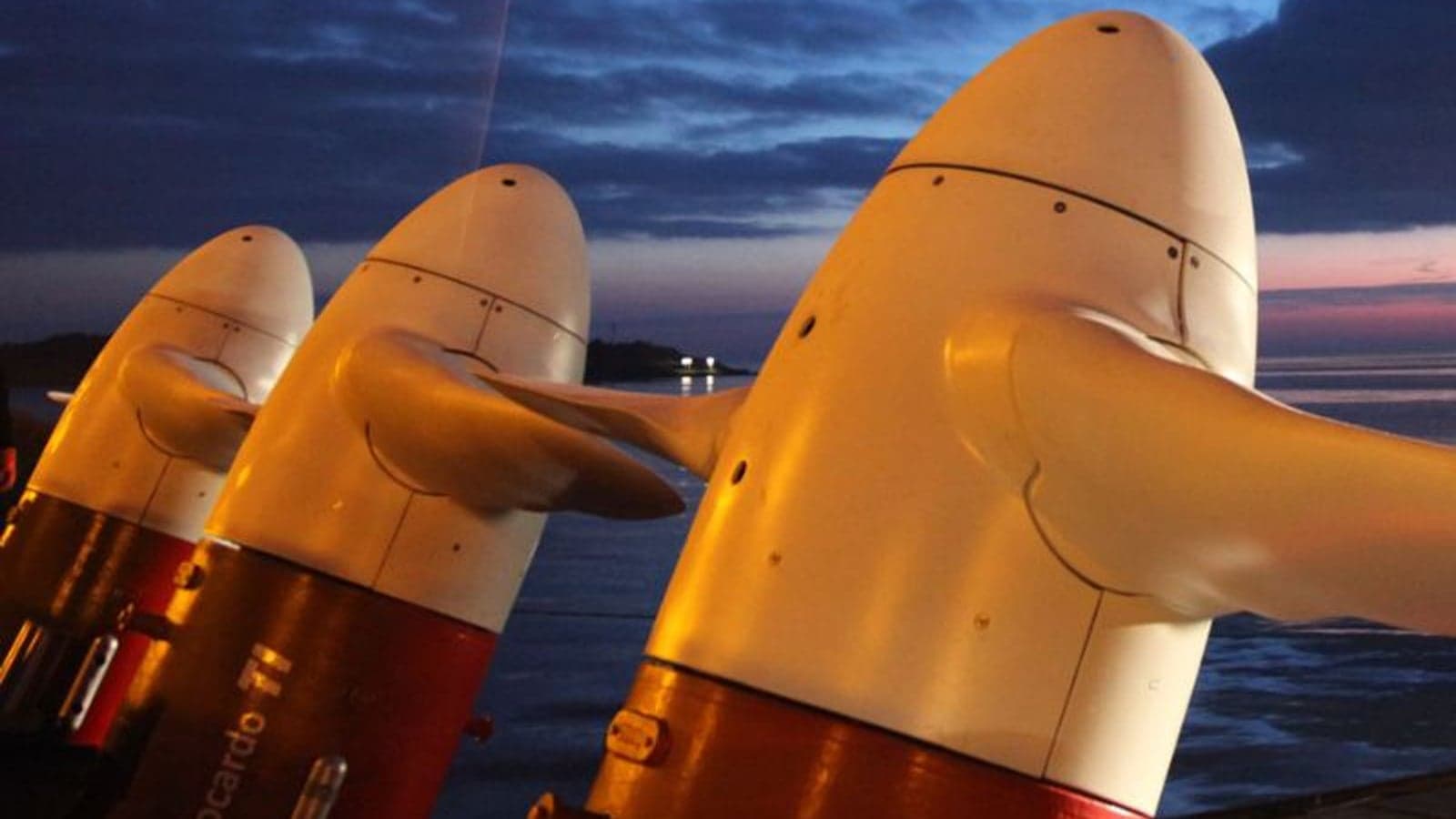
The blade was manufactured with Tocardo Turbines for tidal energy technology company QED Naval as part of the European Tidal Stream Industry Energiser Project known as TIGER, in a service agreement brokered by Edinburgh Innovations.
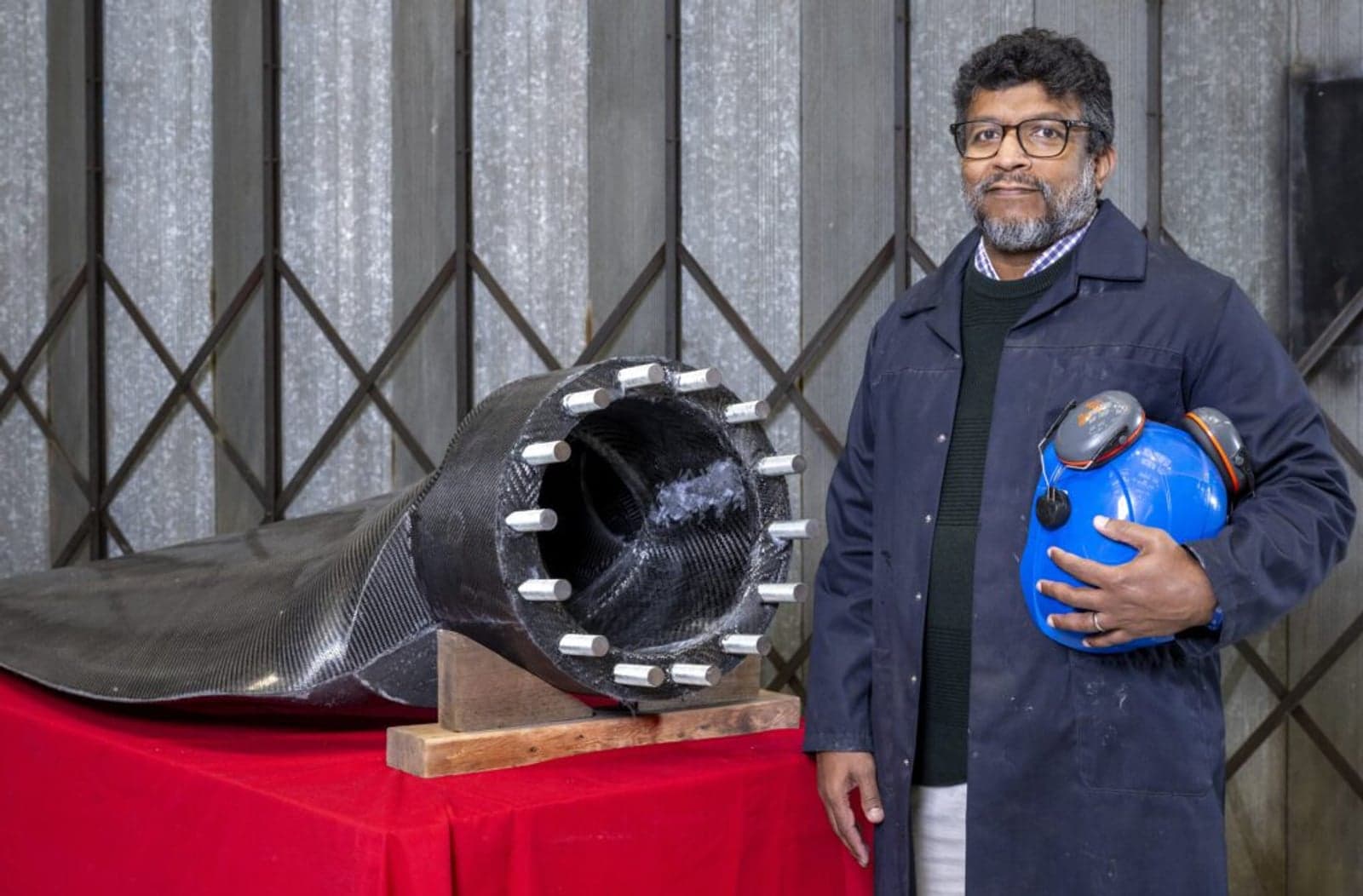
Jeremy Smith, managing director of QED Naval said, “We have deliberately demonstrated the design tools, processes and build method on our smaller T1 blade design, using a 6.3m rotor diameter, but we will be pulling these through into our T3 blades up to 14m rotor diameter. This work, and its part in the EU Interreg TIGER Project helps showcase cost savings and the benefits of tidal energy.”
Ian Hatch, head of business development for the College of Science and Engineering at Edinburgh Innovations, added: “A recent report found that tidal stream energy could provide more than 6GW of energy to the UK grid by 2050, providing a significant baseline power source for our future electricity grid."
Dr McCarthy added: “A team of 13 worked on this project, providing researchers and students with real exposure to tidal blade manufacturing and developing rare skills in this important area for the Scottish and UK economy, as well as for the future of global sustainable energy.
The four completed blades have been deployed in QED’s Subhub tidal platform, currently undergoing sea trials in Langstone Harbour on the south coast of England, and the University of Edinburgh team is looking for funding to carry out detailed testing of a fifth blade at FastBlade.