Next-gen supercomputer to advance fusion science in Japan
Jonathan Spencer Jones
Posted on: 18 November 2024
Japan's National Institutes for Quantum Science and Technology and National Institute for Fusion Science have ordered a next-generation supercomputer system from NEC Corporation.
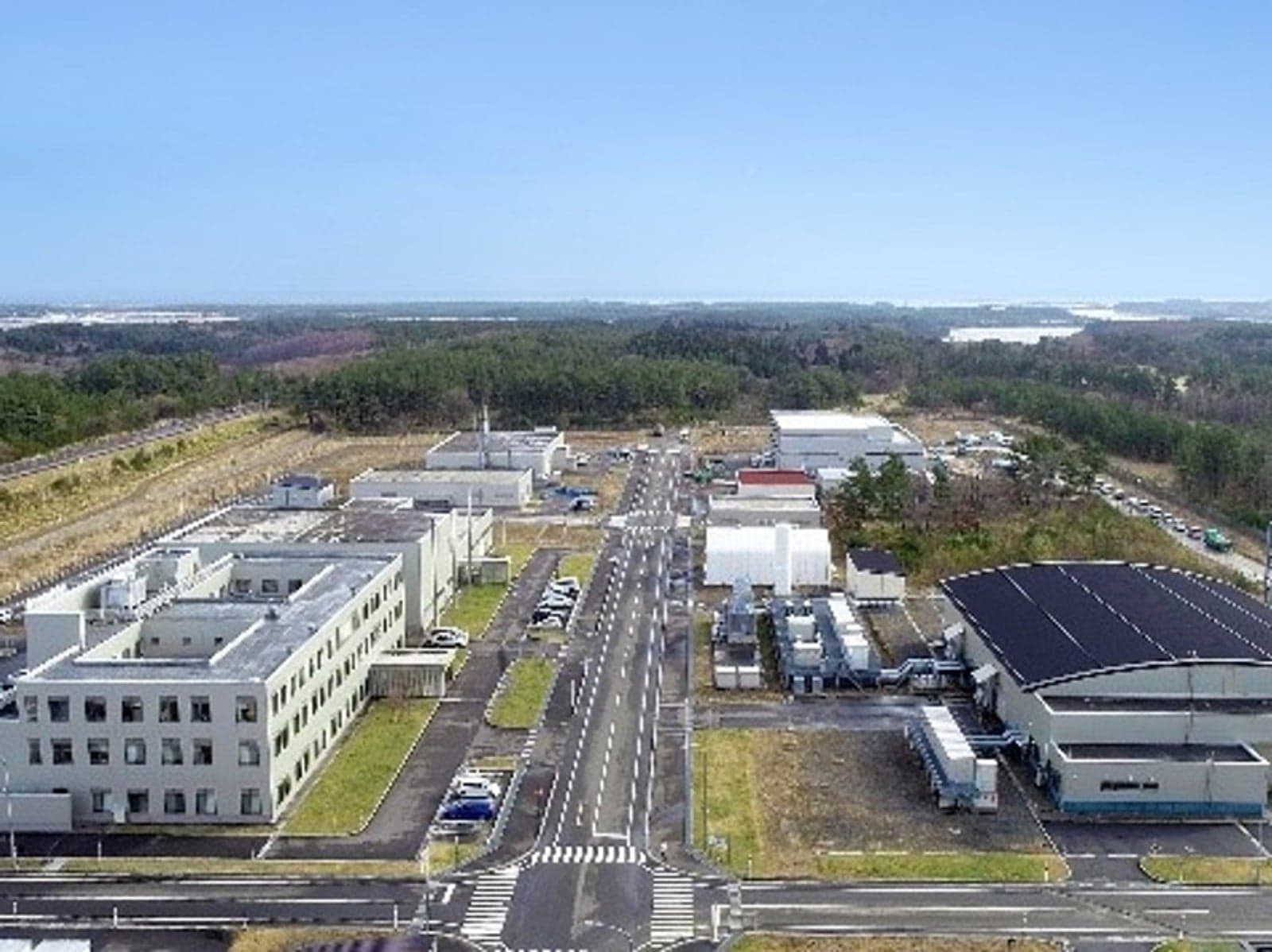
Japan's National Institutes for Quantum Science and Technology and National Institute for Fusion Science have ordered a next-generation supercomputer system from NEC Corporation.
The new supercomputer, due to be operational from mid-2025, is planned to have a performance approximately 2.7 times that of the combined performance of the two current generation supercomputers at the two institutes.
Featuring a multi-architecture with the latest CPUs and GPUs and with large storage capacity and a high-speed network, the system is planned to be used for various research and development in the field of fusion science research.
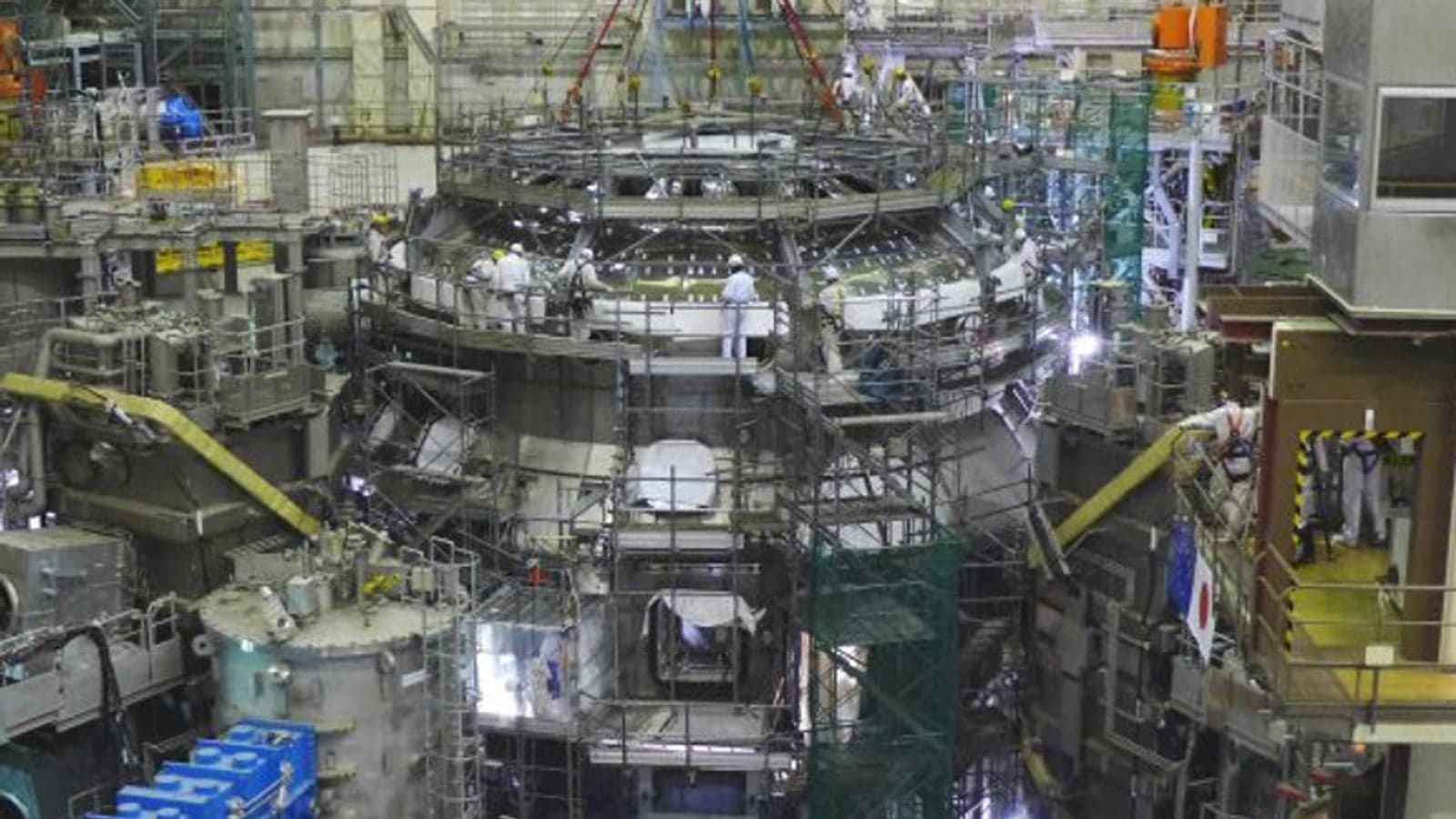
Specific programmes include precise prediction of experiments and creation of operation scenarios in the international ITER project, the Europe-Japan Satellite Tokamak (JT-60SA) project and for the design of DEMO reactors.
Have you read?
Total investment in fusion industry tops $7.1bn shows FIA
Energy Transitions Podcast: Why fusion energy is the ‘vaccine of climate change
The DEMO project, the next step on from ITER, promotes large-scale numerical calculations for R&D to accelerate the realisation of a reactor that contributes to carbon neutrality.
In addition, the Institutes plan to conduct numerical simulation research using the supercomputer for multi-scale and multi-physics systems to broadly accelerate research on the science and applications of fusion plasmas.
As an inter-university research institute, universities and research institutes nationwide will have opportunities for collaborative research using the state-of-the-art supercomputer.
Specifics of the new supercomputer include consisting mainly of 360 NEC LX 204Bin-3s and 70 NEC LX 401Bax-3GAs, with total theoretical performance of 40.4 petaflops of computing power – these LX series developed by combining the high density packaging technology and high efficiency cooling technology that NEC has developed over many years in the development of supercomputers.
The storage environment from DataDirect Networks is planned to have a total capacity of 42.2PB.
Japan’s National Institutes for Quantum Science and Technology is under the National Research and Development Agency and the National Institute for Fusion Science is part of the National Institutes of Natural Sciences under the Inter-University Research Institute Corporation.