Nidec Conversion and Rolls-Royce to power a 582MWh BESS in Lithuania
Yusuf Latief
Posted on: 15 February 2026
The BESS order, Rolls-Royce’s largest, gets Nidec’s Conversion Power Unit to ensure flexible integration for utility-scale projects.
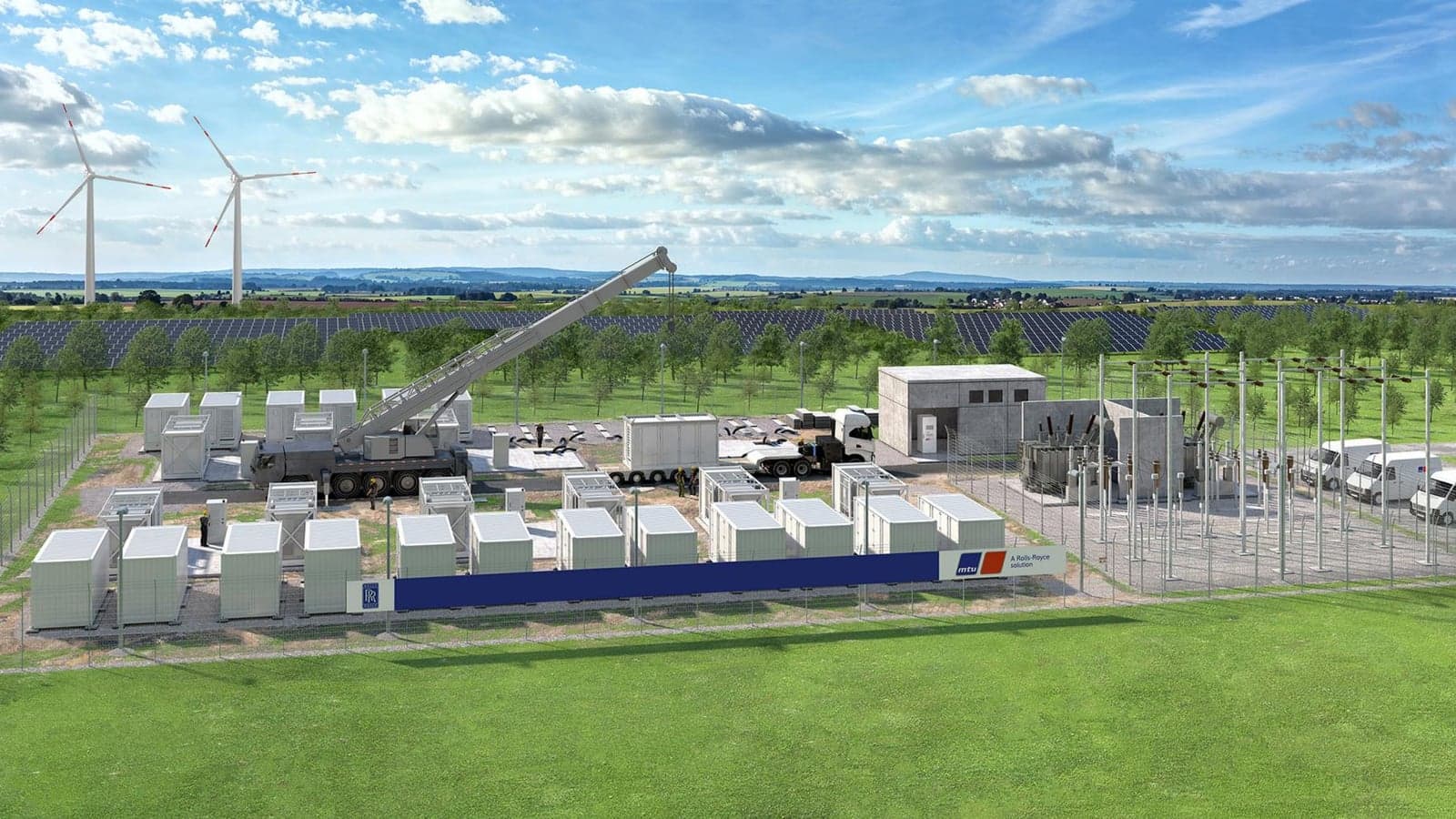
Multinational power conversion and energy storage company Nidec Conversion will supply its power units to one of the most significant energy storage initiatives in the Baltic region: Ignitis Group’s BESS project in Lithuania, totalling 291MW/582MWh across three strategic sites.
The 291MW/582MWh project, led by Ignitis Group and integrated by Rolls-Royce’s Power Systems division, represents a major milestone in Lithuania’s energy transition.
As part of the programme, Nidec Conversion has supplied its state-of-the-art Power Unit, a compact, high-performance system now part of the architecture of these BESS facilities.
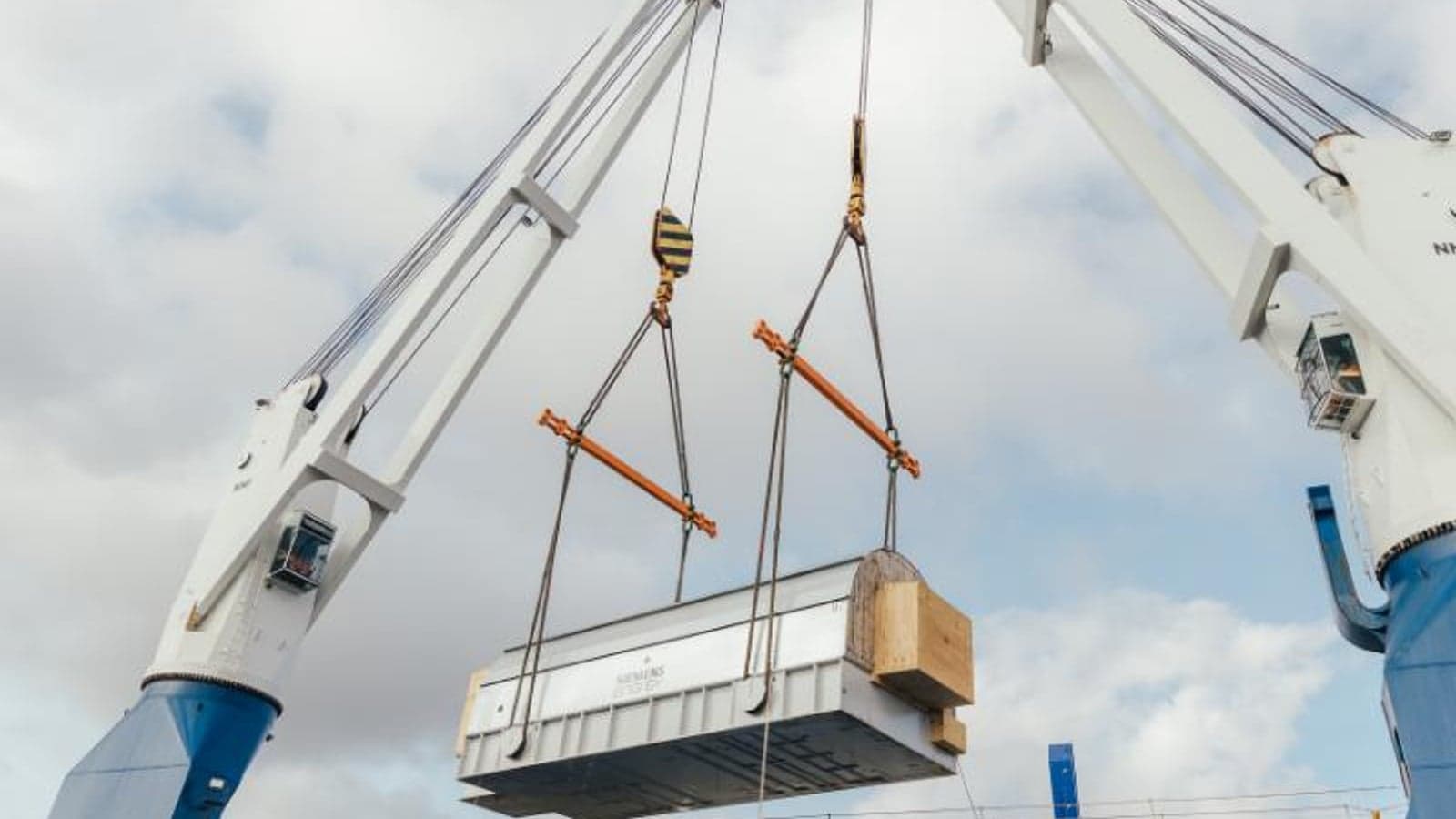
Nidec Conversion’s Power Unit is composed of a skid-mounted system that integrates a Power Conversion System (PCS) cabinet, a transformer, and Medium Voltage (MV) switchgear.
According to the company in a release, this all-in-one design ensures reliable, flexible, and efficient integration for utility-scale projects.
The company also boasts the tech for being compact in size, offering high power density and low noise levels, making it suitable for space-constrained or sensitive environments.
Commenting in a release was Dominique Llonch, President of Nidec Energy and President and CEO of Nidec Conversion:
“We are honoured to support one of the largest BESS projects in Lithuania with our advanced Power Unit technology.
“This collaboration with Rolls-Royce Power Systems demonstrates our commitment to enabling a secure, sustainable, and resilient energy system, while reinforcing our role as a trusted partner in the global energy transition.”
The battery system
In July 2025, Ignitis Group, a major Lithuanian state-owned, renewable-focused utility company, started the construction of the BESS, which consists of three battery energy storage parks around wind farms Kelmė and Mažeikiai, as well as the Kruonis Pumped Storage Hydroelectric Power Plant.
The project marks one of the first utility-scale BESS for Lithuania, storing surplus electricity and sending it back when the demand increases, helping to balance the system and ensure reliable electricity supply.
The total investments into the parks amount to around €130 million ($154.2 million).
At the time, Ignitis CEO Darius Maikštėnas commented on the growing proportion of renewable energy in the country, which necessitates battery tech, so as to guarantee reliable supply.
Said Maikštėnas: “They make the network more flexible, enable efficient use of green energy and help maintain stability even through heavy fluctuations.
“Battery energy storage systems are a key component of green transition as they will help integrate more green capacities, balance the fluctuations in power prices as well as reduce them.”
Commercial operations of the project are planned for 2027, with equipment and integration services rolled out by Rolls-Royce Solutions GmbH.
Battery storage systems are a central component of our strategy. We are proud that our technology is helping to ensure a secure power supply in Lithuania.
In September 2025, Rolls-Royce announced the order of their mtu EnergyPack, which they called their largest battery order ever for their Power Systems division.
So said Andreas Görtz, President of Sustainable and Mobile Power Solutions at Rolls-Royce Power Systems: “An important component of the Rolls-Royce solution is the mtu EnergetIQ Manager, which was developed in-house and is tailored to our battery systems.
“This intelligent control system not only manages the three battery parks, but also the connected wind farms and controls both power supply and storage.
“Battery storage systems are a central component of our strategy. We are proud that our technology is helping to ensure a secure power supply in Lithuania.”
The information and generation control systems of the BESS will be protected against remote access from countries identified as posing a threat under Lithuania’s National Security Strategy.
Increasing BESS integration in Lithuania
Battery energy storage systems are becoming an important component of energy infrastructure as they allow for a more efficient utilisation of generated energy.
The technology can store the electricity received from the network and directly from power plants, including wind and solar farms. They work on a similar principle to batteries used at home, just at a much bigger scale. The stored energy is returned to the network when it is needed the most or in case of lower power generation.
This is where their strategic importance in the system lies: they allow for a more efficient operation of the energy system, help balance the fluctuations in power generation and consumption and decrease the reliance on reserve fossil-fuel-fired power plants. They also make the electricity supply more resilient to short-term fluctuations in power generation and consumption.
Their major feature is their ability to integrate wind and solar capacities more efficiently as power generation windows sometimes do not coincide with peak demand.
Also of interest:
ContourGlobal opens 500MWh BESS project in Bulgaria coal plant
How intelligent flexibility can make renewables more profitable
Rolls-Royce to build UK's first small modular reactors
For Lithuania, especially, the technology has seen a growing importance.
For example, in October, the country’s power grid operator Litgrid announced that the country’s first commercial battery storage system joined the electricity balancing market, the Butrimonys battery park, which was developed by Green Genius.
The full trading and optimisation service on the balancing and wholesale markets was provided by Capalo AI, seeing the system provide manual frequency restoration reserve (mFRR) and automatic frequency restoration (aFRR) balancing services. This enables the storage devices to be charged from the grid when there is excess electricity in the transmission system and discharged when there is a shortage.
Said Donatas Matelionis, Head of the System Power Operations Department at Litgrid: "As Lithuania seeks to generate all the electricity it needs from renewable sources, the demand for balancing services is growing, so we are developing the energy balancing market and encouraging new participants to join.
“The growing technical capabilities of balancing services allow for the integration of larger amounts of renewable energy resources and a reduction in balancing costs. We are delighted with the first commercial battery in the balancing market and eagerly await other projects.”
On Ignitis’ project, so noted Dučinskas: “These systems benefit both the system and the people.
“They do not draw attention but ensure that electricity supply is always constant. For energy infrastructure, this is a step forward because you no longer have to choose between clean and reliable energy.
“Both these aspects can now go hand in hand, quietly and sustainably.”