OCI and NortH2 develop hydrogen economy in the Netherlands
Enlit Editorial Team
Posted on: 4 April 2022
OCI has announced a partnership with NortH2 to develop the first integrated green ammonia and methanol value chains.
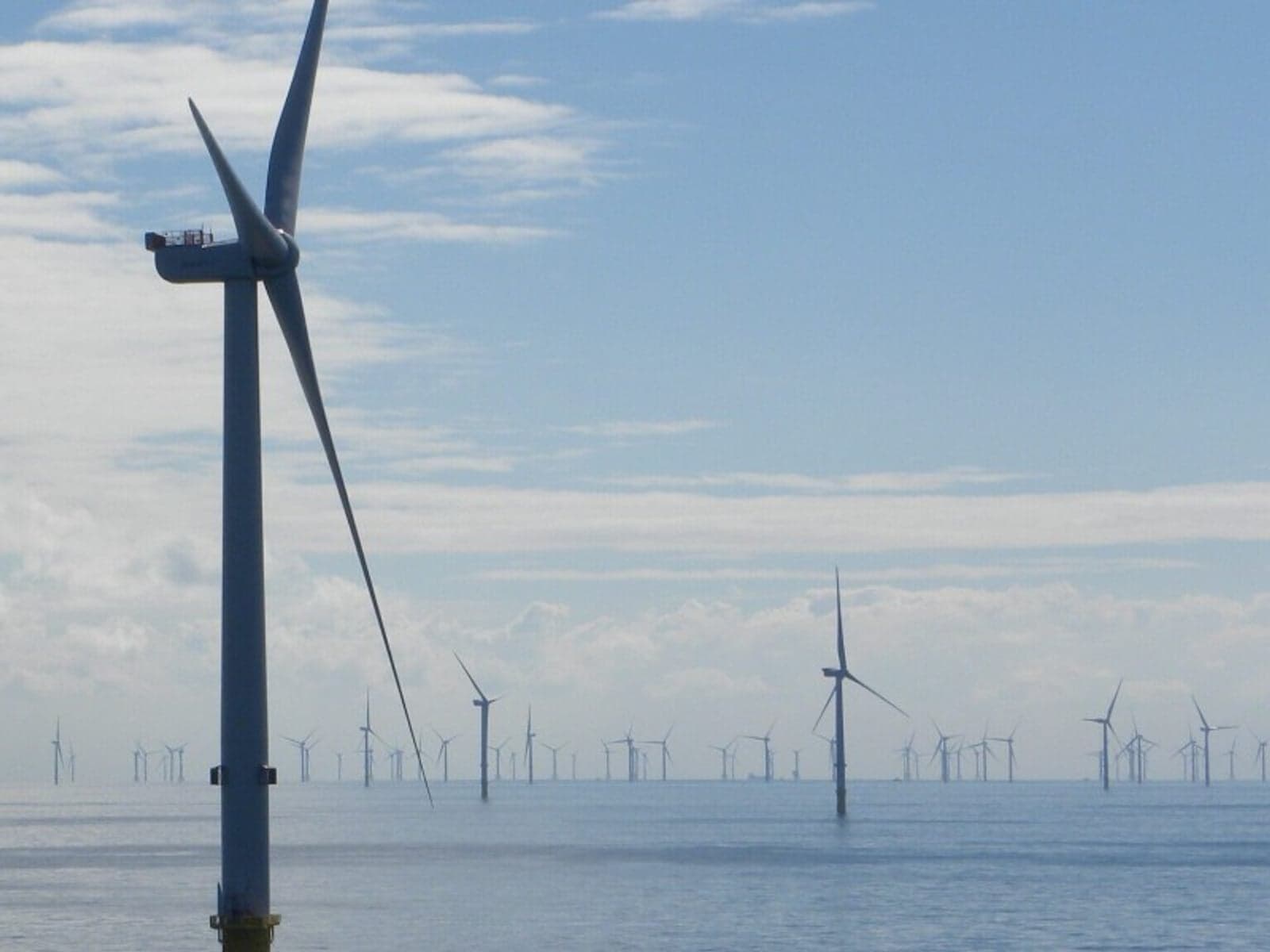
OCI has announced a partnership with NortH2 to develop the first integrated green ammonia and methanol value chains through large-scale green hydrogen supply. The supply will go from NortH2 to OCI's plans in the Netherlands.
OCI, a global producer and distributor of hydrogen-based products, is partnering with NortH2, a large-scale offshore wind-to-hydrogen electrolysis project in the Eemshaven area. During its current feasibility phase, NortH2 consists of Equinor, RWE, Shell and Gasunie with the support of Groningen Sea Ports. Eneco, a sustainable energy company, will also join the consortium as an investment partner.
Eneco, Shell, Equinor and RWE have the ambition to continue together after the joint study phase and produce a large-scale supply for the industry of up to 4GW by 2030.
Joining forces with NortH2 will provide OCI stable and large-scale supply of green hydrogen. .This will in turn allow the company to decarbonize its production processes and meet growing demand in the downstream value chain for renewable hydrogen.
Have you read:
KfW, Gasunie and RWE’s new LNG terminal to strengthen German resilience
HyDeal España renewable hydrogen initiative launches
Namibia’s green hydrogen to be verified on blockchain
The switch to green hydrogen
With approximately 50% of global hydrogen production used as feedstock in ammonia and methanol production, the switch to green hydrogen will be technologically straightforward and relatively fast.
OCI’s production assets are strategically located to connect to the NortH2 project and the planned hydrogen pipeline backbone of Gasunie in the Netherlands.
The impact can also be significant. Using 1GW of NortH2’s green hydrogen in OCI’s production processes would correspond to 900,000 tons direct CO2 reduction per year. This would constitute a significant 4% of the 2030 climate targets set for the Dutch industry.
Ahmed El-Hoshy, Chief Executive Officer of OCI N.V., elaborated in a statement on the collaboration, describing it as, “a critical partnership that helps OCI, as a key enabler of the hydrogen economy, activate sustainable value chains for society and industry, create a positive impact on the environment, and simultaneously help reduce the country’s dependence on natural gas by using green hydrogen.”
El-Hoshy added, “Green ammonia and methanol production is a logical starting point to develop a green economy in the Netherlands and Europe as it creates a wide range of green products helping create sustainable value chains of food, fuels and consumer goods.”
Contribution to green sustainable food, fuels and consumer goods
Methanol and ammonia are used as building blocks in a wide range of sectors and products such as transportation, furniture, clothing, healthcare and cosmetics, automotive and windmill blades.
Ammonia is also used to make agricultural fertilisers and green hydrogen-based fertilisers are crucial for decarbonizing the food chain.
Ammonia and methanol are also emerging as the next generation clean fuel in shipping. Wind-based green hydrogen, used as input for ammonia and methanol production, can enable zero-carbon and fully green value chains.
2030 goals and policies
The European Commission and the Dutch government have set ambitious goals to reduce emissions by 2030 using green hydrogen.
Large-scale production and use, as planned by both NortH2 and OCI, can significantly contribute to reaching those goals.
Domestic production of ammonia and methanol can be preserved and greened. This extends to environmental concerns as well as economic and geopolitical interests of The Netherlands, such as job retention and energy independence.
Investments solely by industry will not be enough to realize these ambitions, as governmental policies enabling large-scale production and green hydrogen use are urgently needed.
Examples include the swift allocation of offshore wind plots for hydrogen production and the short-term scheduling of an award mechanism allowing for combined offshore wind-hydrogen development.
Policies are needed to jumpstart the industry, create sustainability certification mechanisms for green end products and close the value gap between fossil fuels and green hydrogen.
Scaling the transition
The letter of intent, on which the partnership is based, is an important development for the hydrogen economy. Ammonia and methanol’s versatility means that they can also be shipped anywhere in the world to power transportation, communities and industry.
“Ammonia and methanol are the most effective green hydrogen carriers,” stated El-Hoshy.
“That is why OCI is accelerating the production of green ammonia and methanol to become one of the largest producers of clean hydrogen fuel and feedstock technology in the world. We are scaling the world’s transition to hydrogen and the clean economy.”