Optimising energy storage assets for a more flexible grid
Pamela Largue
Posted on: 14 July 2026
In this Energy Transitions podcast, Henri Taskinen of Capalo AI unpacks how AI optimises battery storage for smarter trading and stronger, more flexible grids.
As battery energy storage systems become an increasingly critical part of the energy transition, the conversation is shifting from simply deploying more assets to ensuring they are used as intelligently as possible.
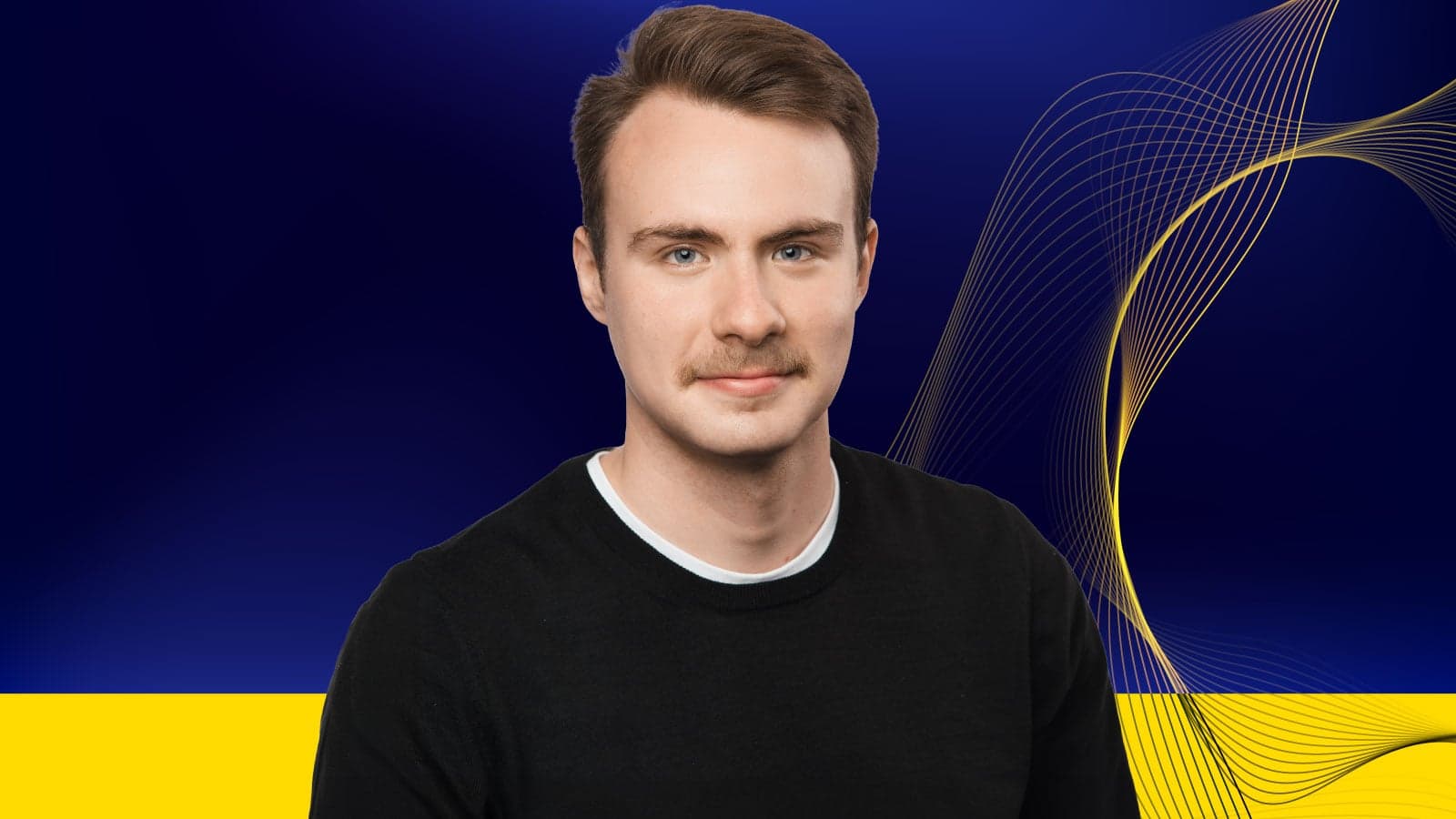
In this episode of the Energy Transitions podcast, Pamela Largue speaks with Henri Taskinen, CEO and co-founder of Capalo AI, about the sophisticated optimisation and trading strategies that are unlocking the full value of battery storage.
He focuses in on how AI, forecasting and advanced algorithms enable storage assets to respond dynamically to changing market conditions, as well as why intelligent optimisation is becoming essential to project bankability.
In this episode of the Energy Transitions podcast, you will learn more about:
- What battery energy storage optimisation means and how asset traders maximise both grid value and commercial returns;
- How batteries earn revenue by participating in multiple markets, from energy arbitrage to ancillary and grid balancing services;
- Why intelligent optimisation can make or break a battery investment, significantly affecting project revenues and returns;
- How battery operators balance profitability with asset longevity, taking into account degradation, cycling limits and manufacturer warranties;
- Why hybrid renewable are becoming the next major growth area for energy storage;
- What makes a battery storage project bankable, including the role of optimisation providers, revenue guarantees, floor agreements and tolling structures.
LISTEN NOW
Latest content
+2
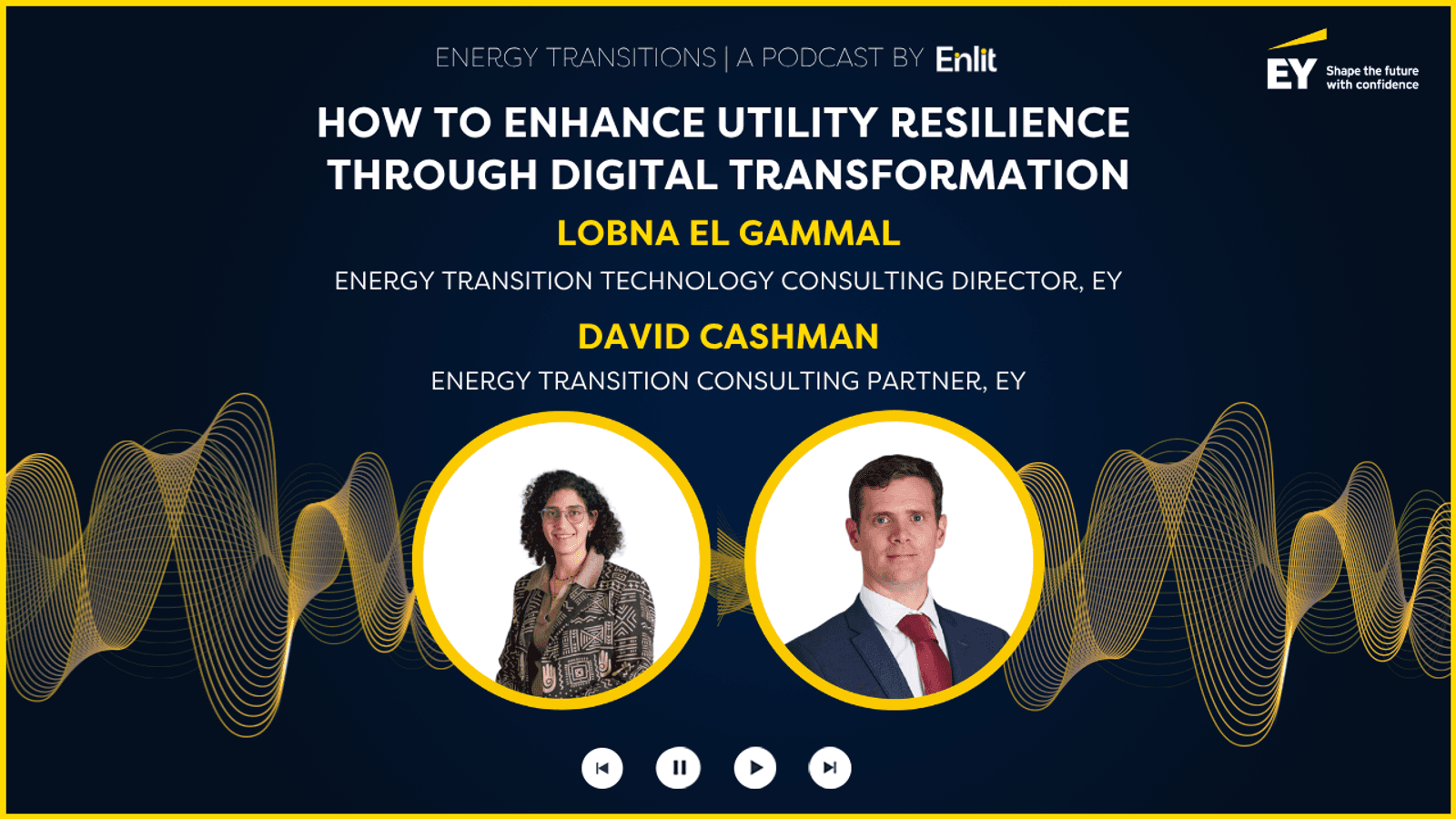
How to enhance utility resilience through digital transformation
In this Energy Transitions podcast, Lobna El Gammal and David Cashman of EY talk about how utilities can maximise preparedness for major events, the role digital technologies can play, and why there is no time to waste in doing so.
- Enlit Editorial Team
- 14/04/2026