Decarbonising Europe’s data centres with AGISTIN
Guest/partner contributor
Posted on: 10 July 2026
The AGISTIN project is combining advanced storage technologies and smart grid interfaces in order to transform data centres into flexible, low carbon energy hubs.
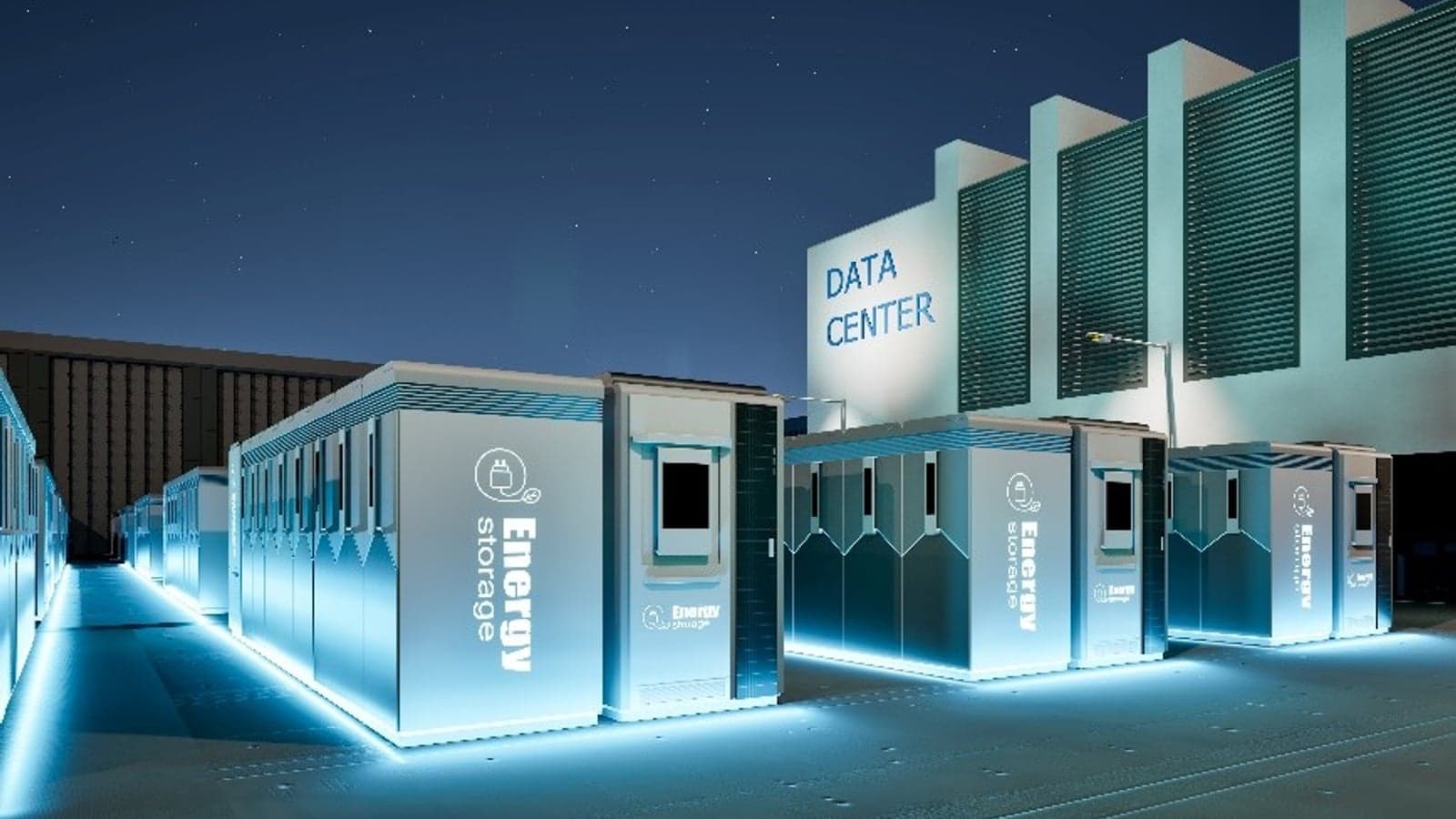
Europe’s digital infrastructure is expanding rapidly, with data centres emerging as one of the fastest-growing sources of electricity demand.
According to the International Energy Agency (IEA), global data centre electricity consumption could reach approximately 115TWh by 2030. Without intervention, this growth risks undermining EU climate targets while exacerbating grid congestion, connection delays and system instability.
In parallel, the European Commission is preparing a data centre energy efficiency package, including a European labelling framework to improve transparency on energy use, water consumption and sourcing practices. At the same time, initiatives such as EPRI’s DC Flex highlight the potential for data centres to evolve from passive energy consumers into active participants in energy systems.
Against this backdrop, the Horizon Europe AGISTIN project (Advanced Grid Interface for innovative STorage INtegration) aims to accelerate industrial decarbonisation by integrating advanced energy storage solutions at the grid interface. Data centres provide a compelling use case for AGISTIN’s approach, given their scale, flexibility potential and growing role in Europe’s energy landscape.
Multi-technology approach
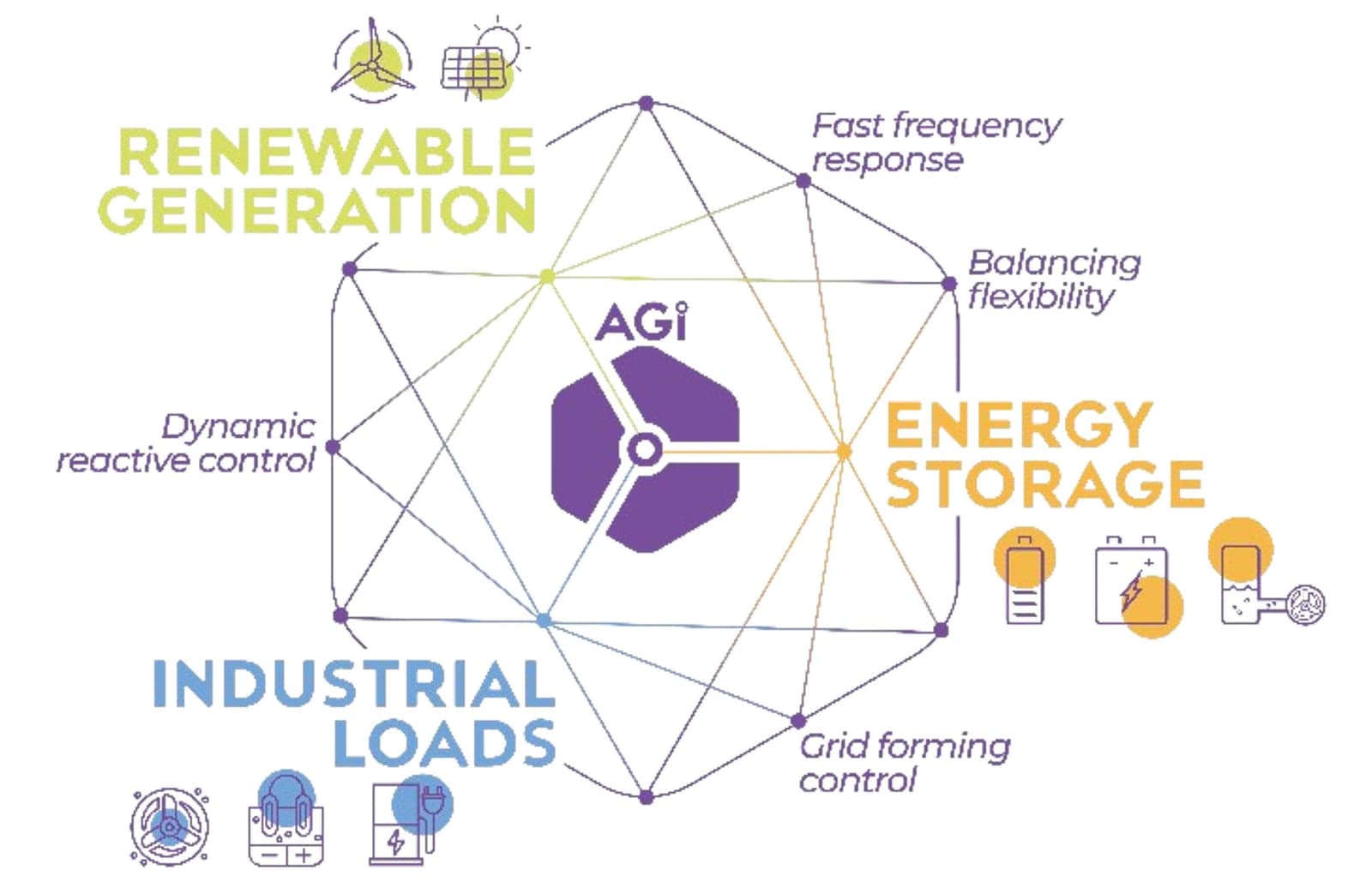
AGISTIN adopts a multi-technology, system-level approach to energy storage integration, focusing on three key pillars.
First, the project enables DC-coupled renewable integration by allowing renewable energy sources such as solar PV to connect directly to storage and loads. DC architectures reduce conversion losses and improve overall system efficiency, which is particularly relevant in data centre environments where power quality and efficiency are critical.
Second, AGISTIN integrates innovative storage technologies across multiple vectors. Electrochemical storage (such as batteries) provides fast-response flexibility services; thermal storage optimises cooling processes, one of the largest energy demands in data centres; and hydrogen-based storage enables long duration energy balancing and supports sector coupling.
Third, the project develops advanced grid interfaces capable of delivering grid forming capabilities, fast frequency response and black-start functionality. These capabilities allow data centres to actively support grid stability and resilience, rather than acting solely as energy consumers.
Finally, these solutions are validated through two pilot demonstrations involving industrial partners, including Shell, Geyser Batteries and TecknoCEA. These real-world applications test integrated systems combining renewables, storage and advanced grid interfaces, assessing scalability, reliability and economic viability.
Results and discussion
Preliminary results and demonstration activities show significant potential for AGISTIN solutions in data centre applications.
A key benefit is the reduction of grid connection constraints. By integrating on-site renewable generation and storage, data centres can reduce their reliance on grid capacity, helping to alleviate congestion and accelerating connection timelines.
In addition, higher renewable energy utilisation is achieved through DC-coupled systems and integrated storage. This increases self-consumption of locally generated renewable electricity, reducing carbon emissions and exposure to energy price volatility.
AGISTIN solutions also enhance grid stability. Data centres equipped with advanced grid interfaces can provide ancillary services, including frequency regulation and voltage support. This transforms them into active contributors to grid reliability.
Bridging innovation and regulation
The rapid growth of data centres presents both a challenge and an opportunity for Europe’s energy transition. Without innovation, increasing electricity demand risks straining grids and slowing progress towards decarbonisation targets. Through advanced energy storage integration and smart grid interfaces, data centres can become key enablers of a clean, flexible and resilient energy system.
The AGISTIN project demonstrates that combining DC-coupled renewables, multi-vector storage solutions and advanced grid functionalities can accelerate industrial decarbonisation, reduce infrastructure constraints and strengthen grid resilience.
However, several regulatory challenges remain. Current grid codes are not fully adapted to hybrid AC/DC systems or integrated storage solutions. In addition, the role of large energy users in providing flexibility services is not yet fully recognised in many regulatory frameworks.
Greater alignment between TSOs, DSOs and industrial stakeholders will be essential to unlock the full potential of these technologies. In addition, to scale these solutions across Europe, coordinated action is required across technology development, policy and market design.
For more information on AGISTIN, visit the project website.
About the author
Gianluca Lipari is a project manager at EPRI Europe, where he works on advancing innovation in the energy sector. His expertise lies in coordinating cross-border projects and supporting the development of digital and sustainable energy solutions across Europe.
Related tags
Latest content
+6
EU Energy Projects Podcast: How the EU plans to support AI in the energy sector
The strategic roadmap for digitalisation and AI in Europe’s energy sector is one of the key documents due from the European Commission in 2026. DG Energy's Stavros Stamatoukos explains the inner workings.
- Jonathan Spencer Jones
- 21/01/2026