ORNL creates glass shell for gas testing in molten salt reactors
Power Engineering International
Posted on: 9 August 2024
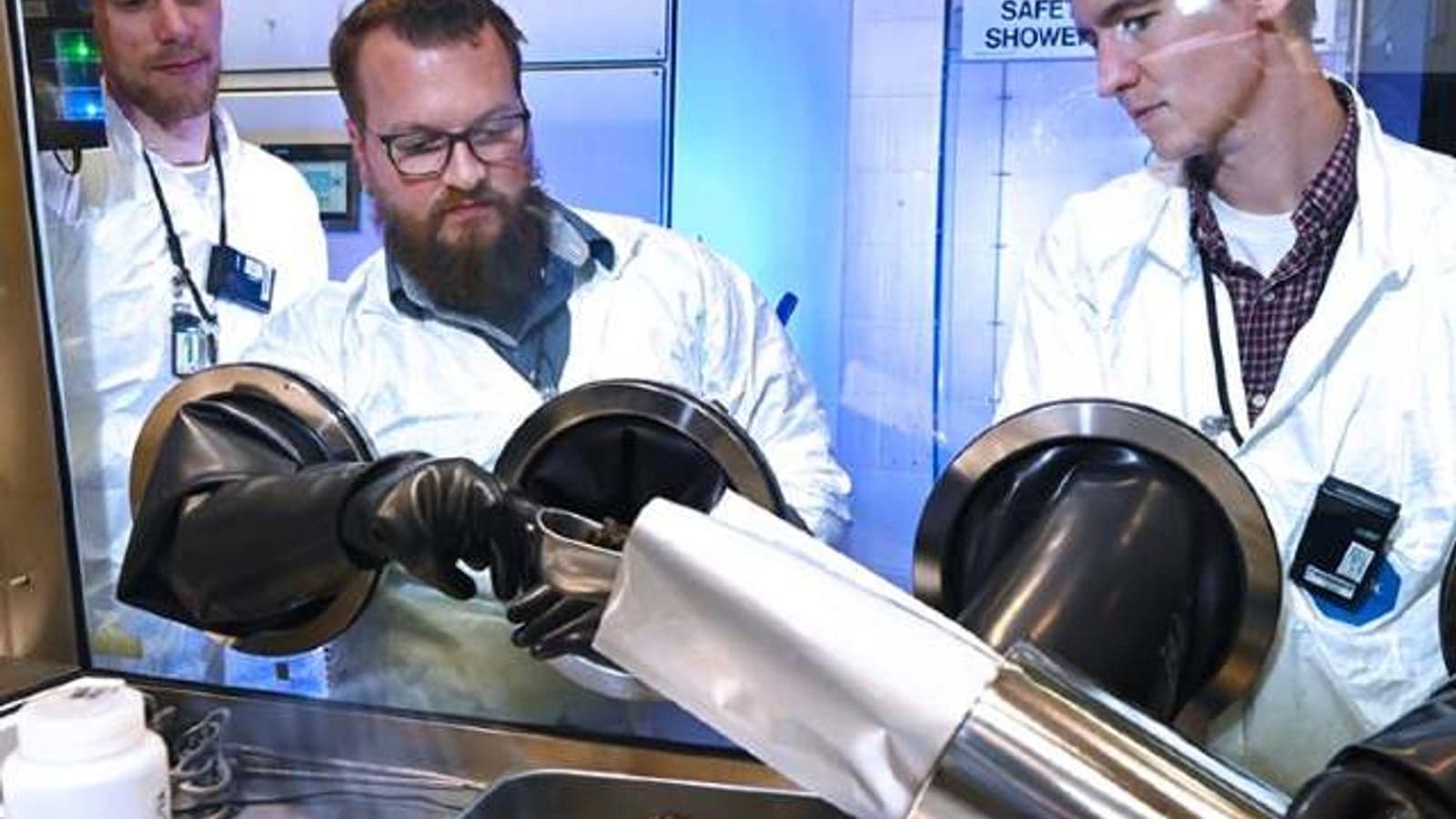
Oak Ridge National Laboratory (ORNL) has created its 'first-ever' custom glass test cell to observe how gases behave inside a molten salt reactor.

Oak Ridge National Laboratory (ORNL) has created its 'first-ever' custom glass test cell to observe how gases behave inside a molten salt reactor.
The test cell will be used to observe the "complex chemistry" that can occur in molten salt-fueled reactors, ORNL said, and its data will be used to help verify existing computer codes and modeling software to better predict the reactors' overall performance.
Molten salt reactors (MSRs) are still under development, but could be commercialised "early next decade," ORNL said. Some MSR designs are intended to operate on liquid fuel, with fissile materials directly dissolved into a molten salt solution that can also cool the reactor.
Have you read?
New AI tool could change how nuclear plant workers solve problems
BWXT enters agreement to further develop Wyoming microreactor
However, the nuclear and chemical reactions that result can cause gases to bubble out of the molten salt, which runs the risk of impacting reactor neutronics and thermal-hydraulic performance, ORNL said. The new glass test cell is meant to help researchers better understand this behavior.
The glass test cell can hold up to one litre of liquid molten salt. The ORNL team injected small helium and krypton bubbles into the cell to observe how they moved. ORNL said this experiment allowed researchers to observe and measure gas bubble velocity, size distribution and interactions with neighboring bubbles using high-speed cameras.
“Understanding gas generation and transport in molten salt reactors is essential to optimizing their performance and safety,” said Daniel Orea, ORNL’s lead R&D associate. “This unique glass test cell allows us to overcome certain engineering challenges caused by the high temperature and composition of salt and its two-phase liquid glass system.”
The research project was supported through the US Department of Energy’s Molten Salt Reactor Program that works to accelerate the research, development, and deployment of molten salt reactor technologies in the United States.
Originally published on power-eng.com