Pioneering wooden turbine blade prototype installed in Germany
Pamela Largue
Posted on: 3 May 2024
German wooden wind turbine blade manufacturer Voodin Blade Technology has announced the installation of its prototype 19.3-meter wooden wind turbine blades.
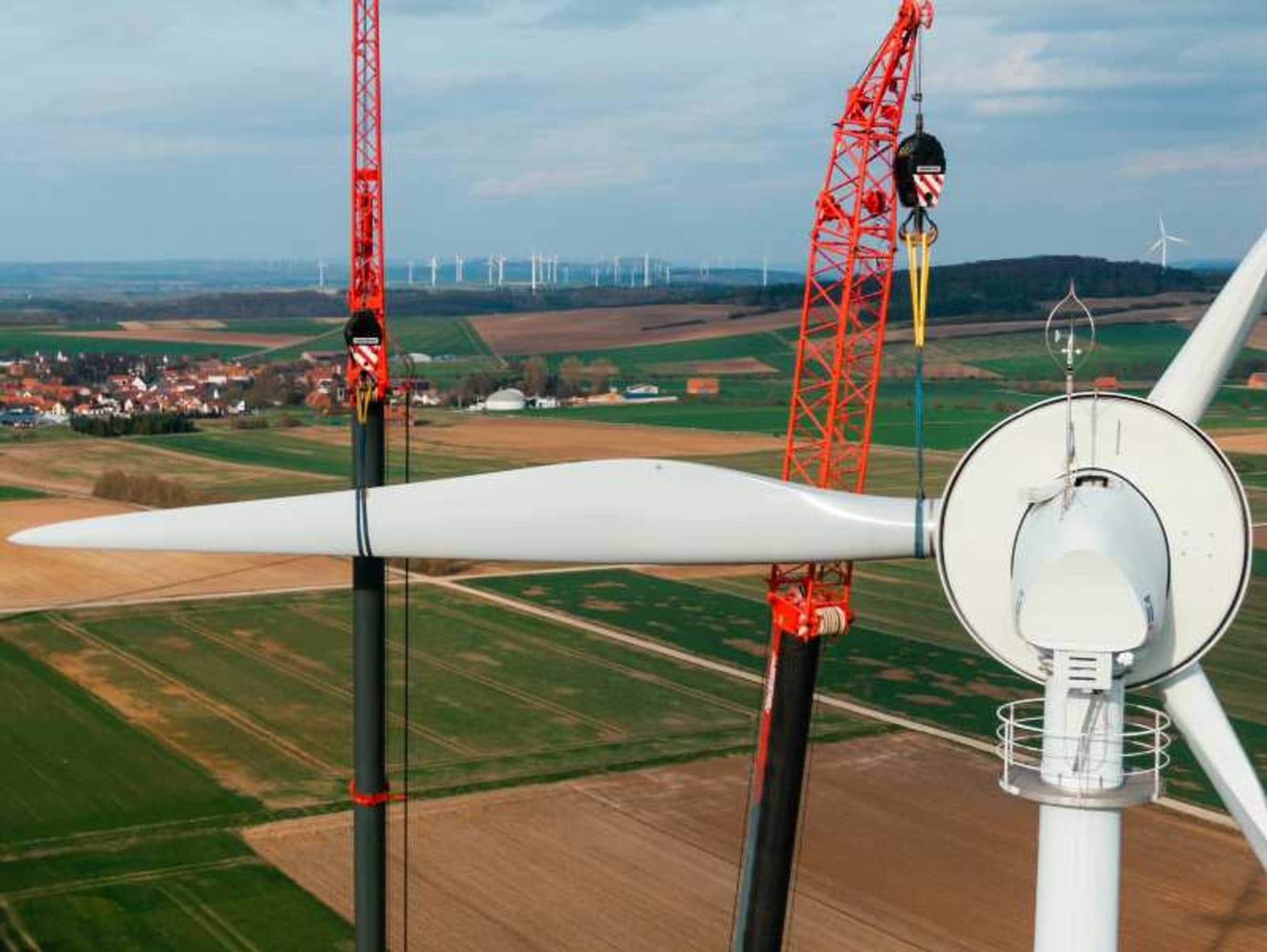
In an industry-first, German wooden wind turbine blade manufacturer Voodin Blade Technology has announced the installation of its prototype 19.3-meter wooden wind turbine blades.
The blades, installed on an existing wind turbine in Breuna, Germany, use laminated veneer lumber (LVL), a more sustainable option than currently used composite materials.
Besides offering noticeably better recycling of decommissioned blades, Voodin claims wood, especially LVL, is a more durable material, able to thrive in even the toughest conditions of onshore wind energy production.
Have you read?
NREL study shows path to easier recycling of solar modules
Sulzer acquires stake in plastic upcycling business
“We have conducted hundreds of laboratory tests during the past two years to perfect the blade material. According to all our tests, our blades are even more durable than the existing fiberglass blades, as they show fewer fatigue characteristics and are proven to endure all kinds of onshore weather conditions extremely well,” explains Jorge Castillo, co-founder at Voodin Blade Technology.
The expected lifecycle of wind turbine blades is approximately 25 years. While up to 90% of wind turbines are recyclable, the blades are currently not.
Today, wind turbine blades are made of fiberglass and carbon fiber bound together with epoxy resin, a material that is difficult and expensive to break down. Also, these materials cannot be reused, which means a great deal of waste when the blade is decommissioned.
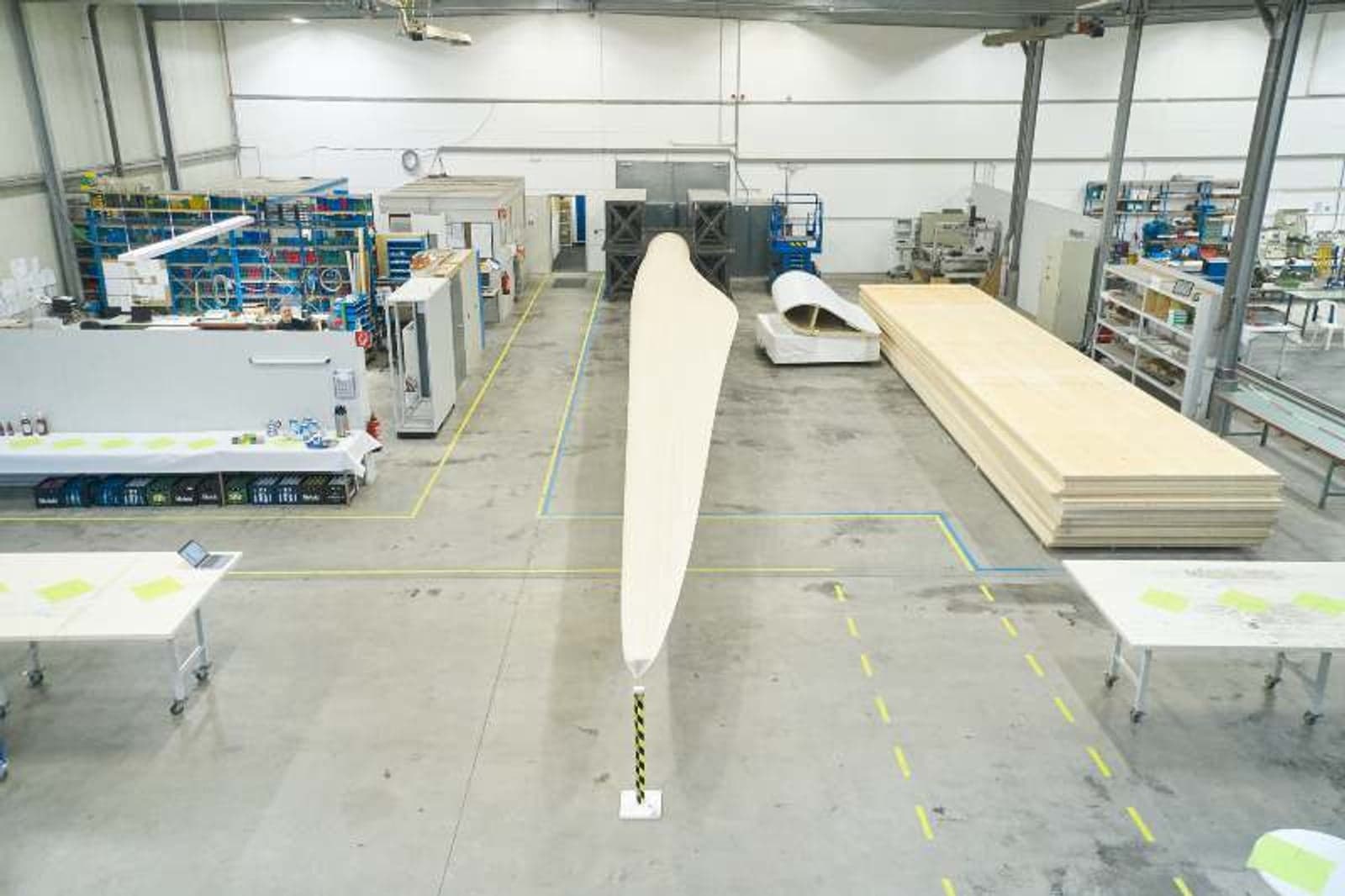
Using laminated veneer lumber (LVL) as a material is more sustainable than current materials and enables noticeably better recycling of decommissioned blades, a high level of automation, which is not possible with current materials, and more flexibility.
Voodin claims that using LVL lowers emissions of blade production by 78%, lowers cost by 20% and ensures a 100% biodegradable product.
“At the end of their lifecycle, most blades are buried in the ground or incinerated. This means that—at this pace—we will end up with 50 million tonnes of blade material waste by 2050. With our solution, we want to help green energy truly become as green as possible,” says Tom Siekmann, CEO at Voodin Blade Technology.
Voodin uses CNC milling machines that allow complex 3D shapes to be created. These machines increase the level of automation and can be used to manufacture any type of blade without a mold.
The company is building new prototypes, including 60-meter and 80-meter blades.
Sustainability trends
Improving circularity within the wind sector is increasingly a priority as many wind turbines begin to reach the end of their lifecycle.
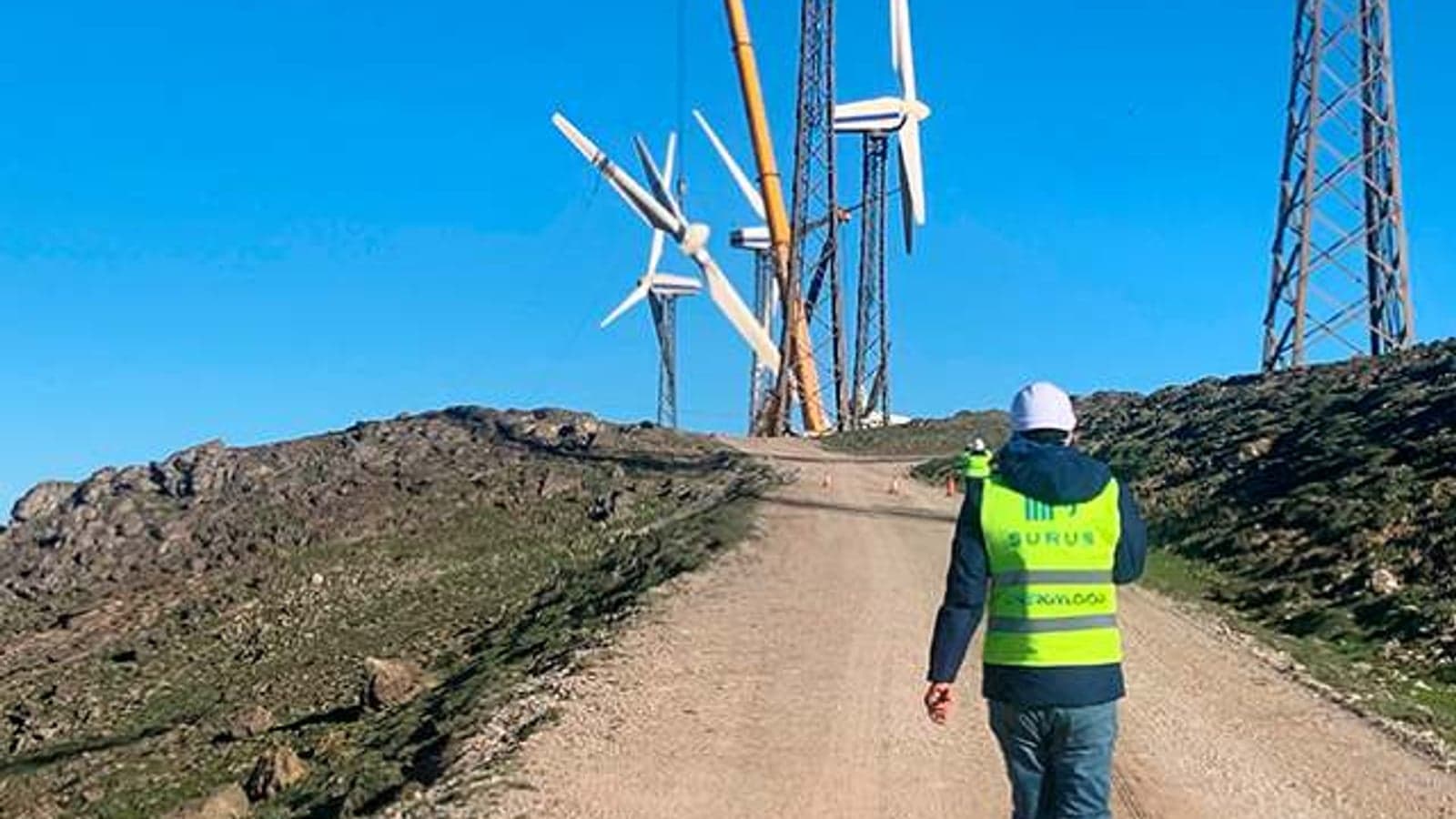
In 2023, EnergyLOOP and Iberdrola signed an agreement with Surus to provide a recycling solution for blades in wind farm repowering projects in Spain, where 66,000 turbine blades are being replaced.
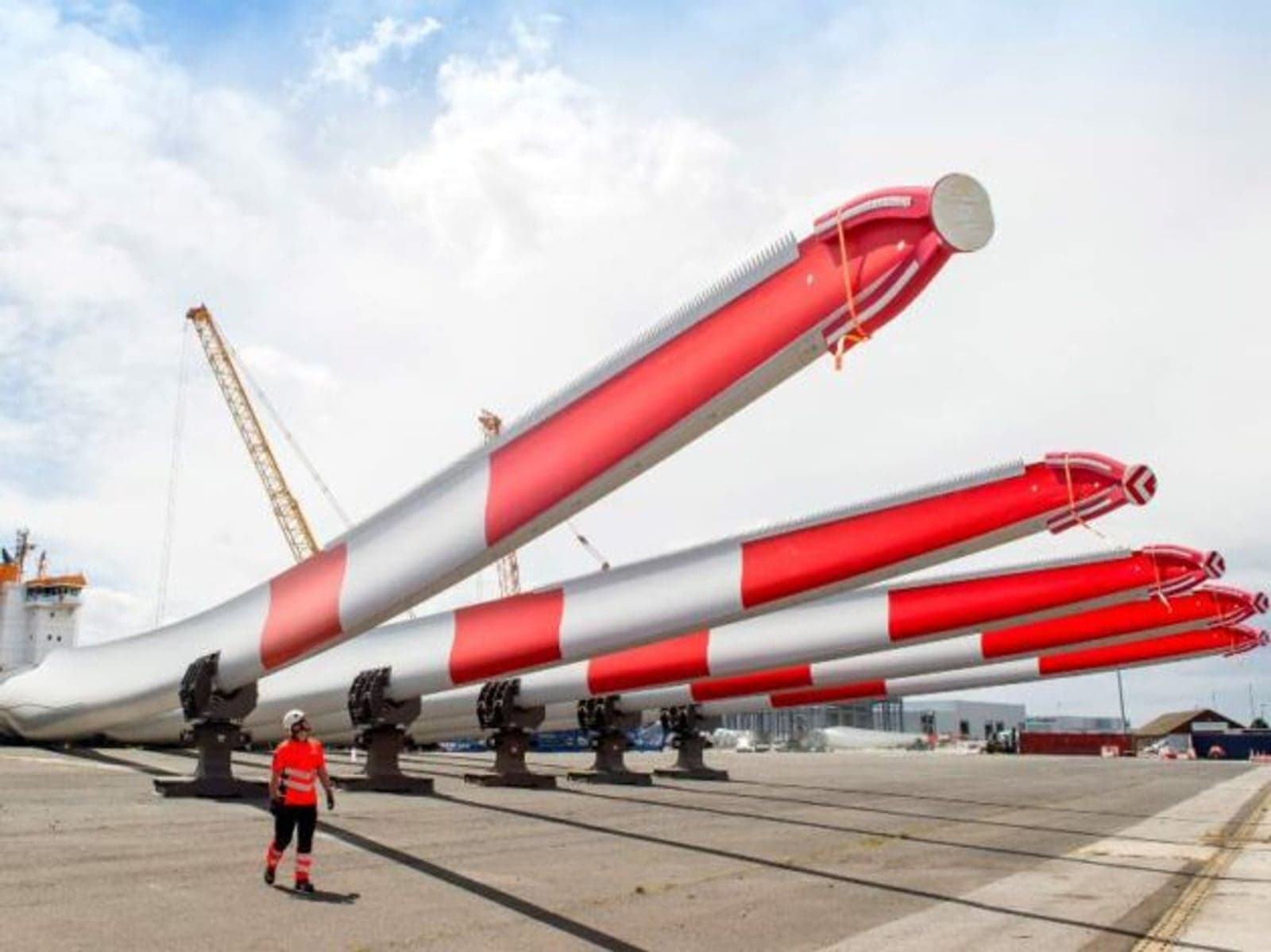
EnergyLOOP is scheduled to open its blade recycling plant this year.
Another company looking to increase sustainability in the sector is Siemens Gamesa with the launch of their RecyclableBlade technology. The company claims its technology allows full reclaim of the blade’s components. By using a mild acid solution the components can be separated into resin, wood and fibreglass etc., allowing for easier recycling.
Siemens Gamesa is aiming to have fully recyclable turbines by 2040.