Home
/
Project AGISTIN: Accelerating industrial grid decarbonisation with advanced energy storage integration
Project AGISTIN: Accelerating industrial grid decarbonisation with advanced energy storage integration
Guest/partner contributor
Posted on: 15 April 2024
The AGISTIN project is developing new forms of energy storage that meet grid needs for short-duration flexibility and stability, reduce the impact of new, large demand on the grid, and reduce costs for large grid users.
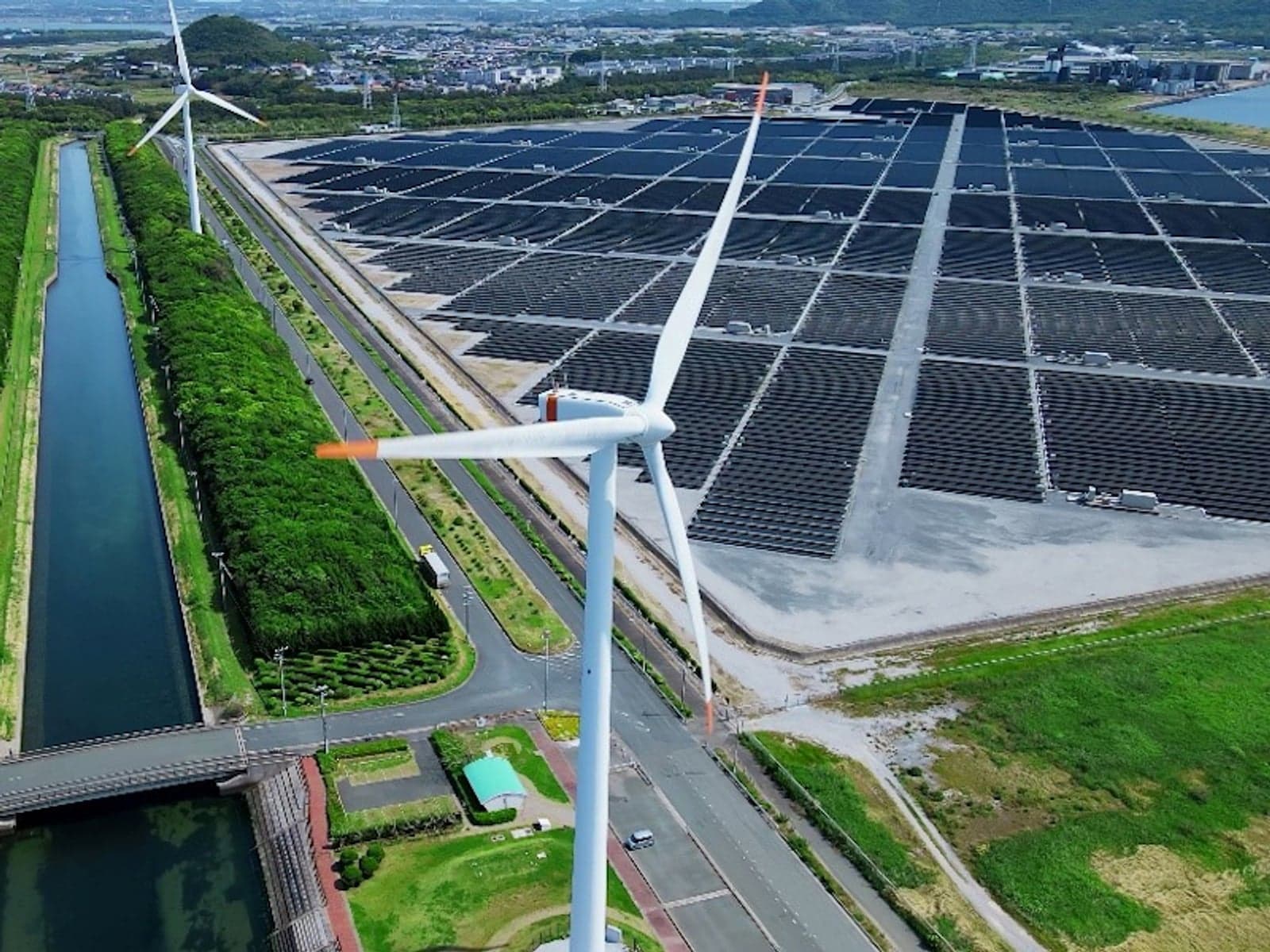
The Advanced Grid Interface for Innovative Storage Integration (AGISTIN) project is developing new forms of energy storage that meet grid needs for short-duration flexibility and stability, reduce the impact of new, large demand on the grid, and reduce costs for large grid users.
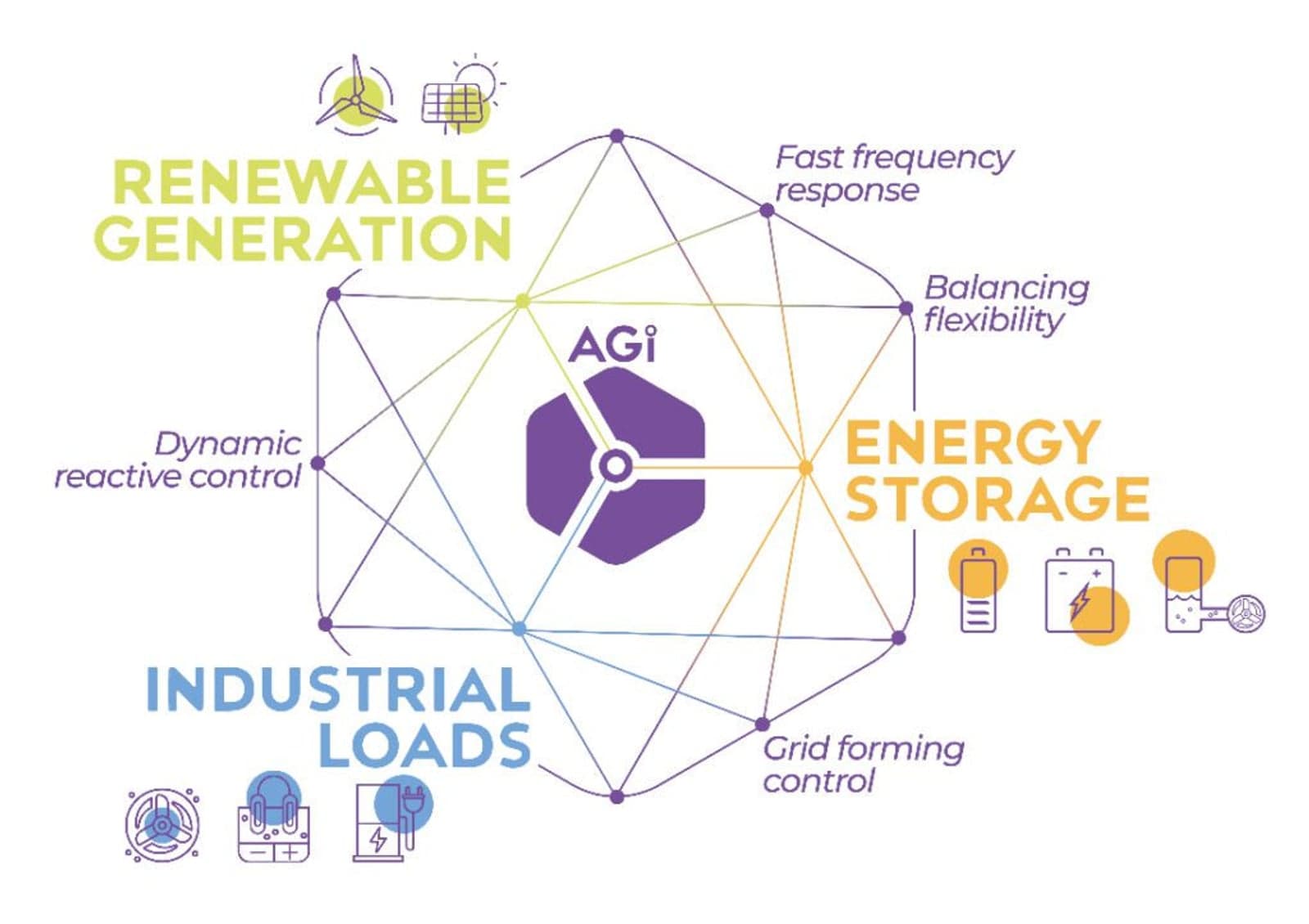
A new advanced grid interface is being designed to integrate energy storage at the physical interface between the grid, industrial processes and renewables, implementing system-supporting sector coupling.
Europe is on a mission to produce more renewable energy to be carbon neutral by 2050. At the same time, new forms of electrical demand are emerging, putting the grid under pressure. In European grids such as Ireland, Germany and the Netherlands, issues within the grid development, grid access, network congestion, operations with low inertia grids, human capital and supply chain are challenging the decarbonisation goals.
In this scenario, energy storage will become an increasingly important technology to ensure continued grid stability and reliability. And while energy storage technologies already exist, new advanced storage integration methods are needed to resolve issues for grid users and operators, thus helping energy companies rapidly deploy renewables.
Project tests and demonstrations
The AGISTIN project concepts will be demonstrated through two demonstrations and three test activities centred around renewable hydrogen electrolysis, irrigation pumping, and fast EV charging.
The German laboratories will test the design’s controls and functionality on a fast-charging application for electric vehicles, and on an electrolyzer application using a dynamic grid emulator. The Spanish laboratory test will validate the concept on a pumping system before implementation in a real irrigation system.
The refined design will then be implemented in two field demonstrations: the Spanish demonstration pilot will investigate the potential of using irrigation systems as an energy storage medium; the Dutch pilot will demonstrate the use of energy storage and advanced control to maximize the use of distributed energy resources in a renewable hydrogen generation facility.
Find out more about European energy projects:
EU Projects Zone
EU Projects directory
EU Energy Projects Podcast and Newsletter
Enabling industry grid users to rapidly deploy renewables
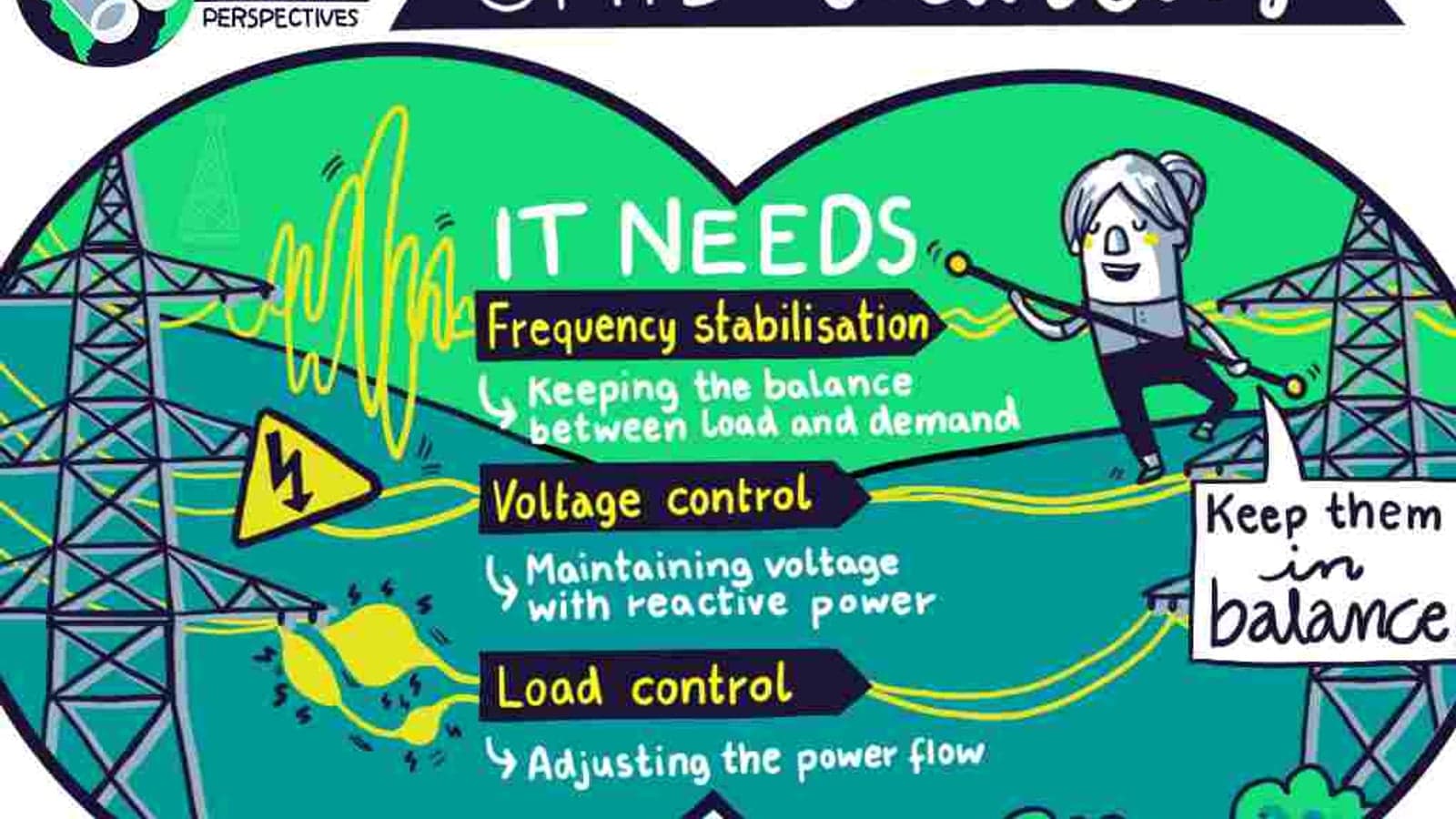
The project will provide advanced grid services such as grid forming control, fast frequency response and balancing flexibility. These will support grid operators when managing low inertia grids and reducing curtailment of renewables. Furthermore, it will reduce pressure on grid connection capacity and grid reinforcement requirements to account for and support new renewables and industrial demand.
The outcomes of the project will enable industrial grid users to economically integrate significantly more on-site renewables than traditional integration approaches.
But AGISTIN benefits go beyond reducing costs and supporting industrial users to manage energy storage with on-site renewables. By accelerating the adoption of widescale renewable energy sources by industrial grid users will avoid delayed electrification and decarbonisation of society, resulting in a reduction of Mt of CO2 avoided per annum, which will benefit society at large. It will also support the energy system's resilience using improved technologies to control and stabilize the energy system under difficult situations.
The results and findings of the project will provide input for network code drafting groups, policy makers and standards developers.
AGISTIN is supported by the European Union’s Horizon Europe program by 7.9 million euros. The consortium consists of 14 members from nine countries, including storage and power electronics providers, industrial grid users, a grid operator, an engineering consultancy, research institutes, universities and an energy storage association. It runs from 2023 to 2026.
Learn more about the project by visiting the AGISTIN website and follow us on social media.