Project SUSTENANCE: Finding a bottom-up approach to grid challenges
Areti Ntaradimou
Posted on: 2 December 2024
Areti Ntaradimou finds out how project SUSTENANCE addresses some of the European grid’s critical challenges through stakeholder collaboration.
Areti Ntaradimou finds out how project SUSTENANCE is addressing some of the European grid’s critical challenges through collaboration with multiple stakeholders.
The European Union’s energy landscape is rapidly evolving, with a growing focus on sustainability, technological innovation, and the integration of renewable energy sources.
One key challenge is ensuring that the energy grid can meet the diverse and growing demands of its member states while simultaneously accommodating new energy technologies.
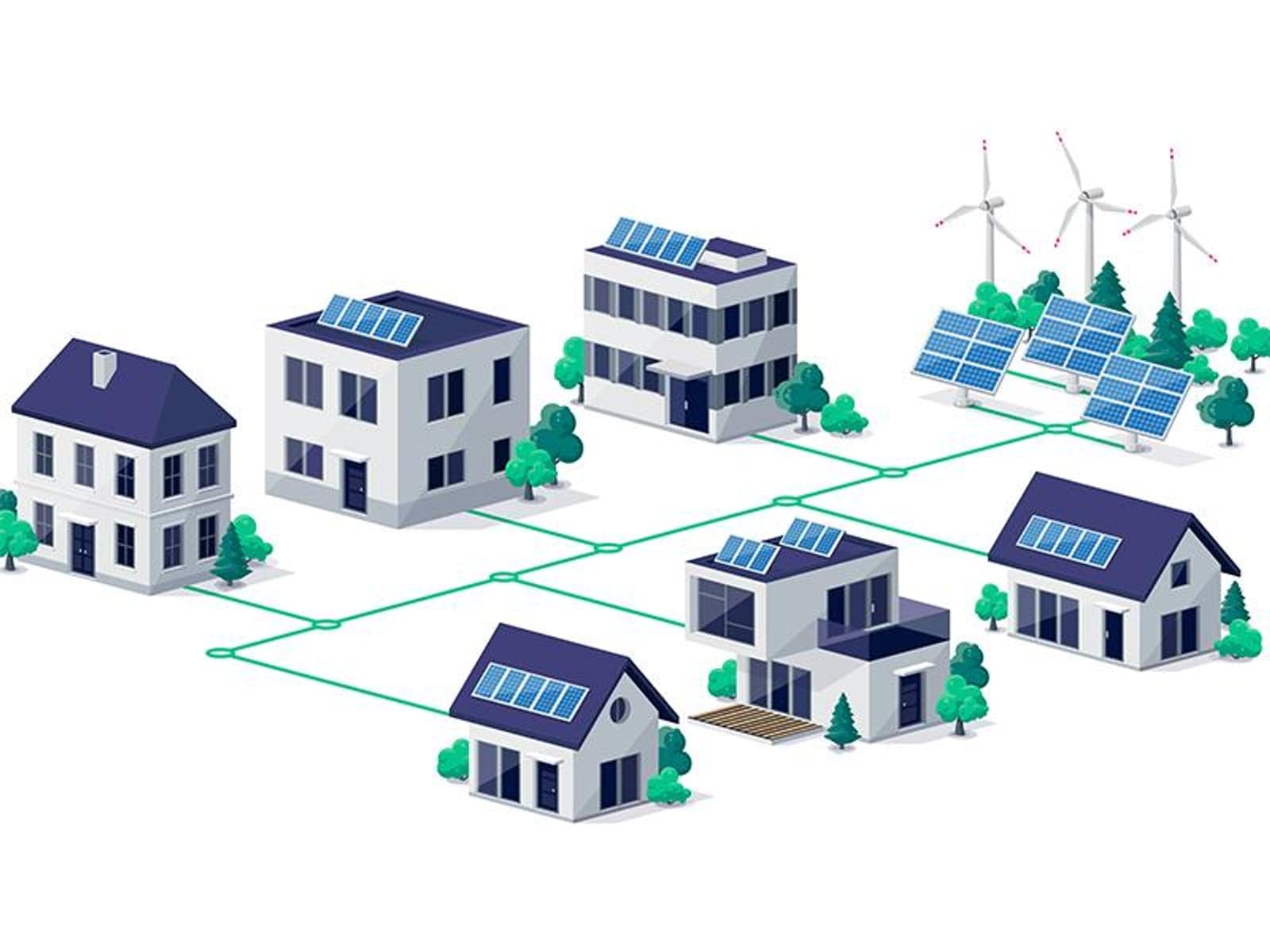
Project SUSTENANCE addresses these challenges by exploring innovative solutions, fostering collaboration among stakeholders, and overcoming regulatory barriers. It focuses on the decarbonisation of local energy systems by integrating renewables into optimised multi-energy systems for private households, taking into account the economy, user comfort and energy efficiency as well as interaction with the grid.
One central goal of project SUSTENANCE is enhancing the flexibility of the European energy grid. As renewable sources like solar and wind become more prevalent, the grid must adapt to their intermittent nature.
This is where the concept of demand response comes into play. Birgitte Bak-Jensen, the project’s coordinator, explains that the project “is aggregating the demands of different customers … so it can provide flexibility both to the overall balancing of the grid, by acting on the day-ahead market, but also so it can create better capacity limits on the local grid.” This approach not only supports energy communities but also assists distribution system operators (DSOs) in mitigating grid congestion problems.
The project also addresses the critical need for demand response flexibility, which is crucial for balancing supply and demand in real time. By optimising energy use at the local level and integrating renewable sources into the grid, the project contributes to a more resilient and efficient energy system. This is particularly important in the EU, where energy communities are gaining traction and empowering citizens and local authorities to take control of their energy needs.
More about Project SUSTENANCE:
EU Energy Projects Podcast: Empowering energy consumers with Project Sustenance
Project SUSTENANCE: Optimised flexibility for private households
Collaboration between stakeholders
The success of the project is based on effective collaboration between a wide range of stakeholders including research institutions, universities, local utilities, DSOs, municipalities, and private companies. This collaboration ensures that the project benefits from a broad spectrum of expertise and resources, enabling it to effectively address complex challenges.
Bak-Jensen highlights the importance of involving citizens in the development process: “We take care of the heat, the transportation, and everything in the area based on the wishes of the customers. In this way they are very much involved in the development.”
By prioritising the needs and preferences of local communities, the project fosters a sense of ownership and engagement among citizens, which is essential for the initiative’s long-term success and sustainability.
This bottom-up approach ensures that the technical solutions developed by the project are not only innovative, but also practical and aligned with the expectations of the communities they serve. It also facilitates the integration of these solutions into the local context, making them more likely to be adopted and utilised effectively.
One significant hurdle in implementing innovative energy solutions across the EU is its patchwork of differing regulatory frameworks.
As Bak-Jensen notes: “The main difficulties are the regulation in the different countries and the setup.” Despite the EU’s efforts to create a unified energy market, local regulations often differ significantly, making it challenging to implement a one-size-fits-all solution.
SUSTENANCE tackles this issue by developing concepts that can be adapted to different regulatory environments. The project creates a framework that can be applied to various settings, whether it is a microgrid in India or a local energy community in Europe. Bak-Jensen explains that “adaptability is crucial for ensuring that the project’s solutions can be replicated across diverse locations with varying regulatory requirements”.
Versatility across sites
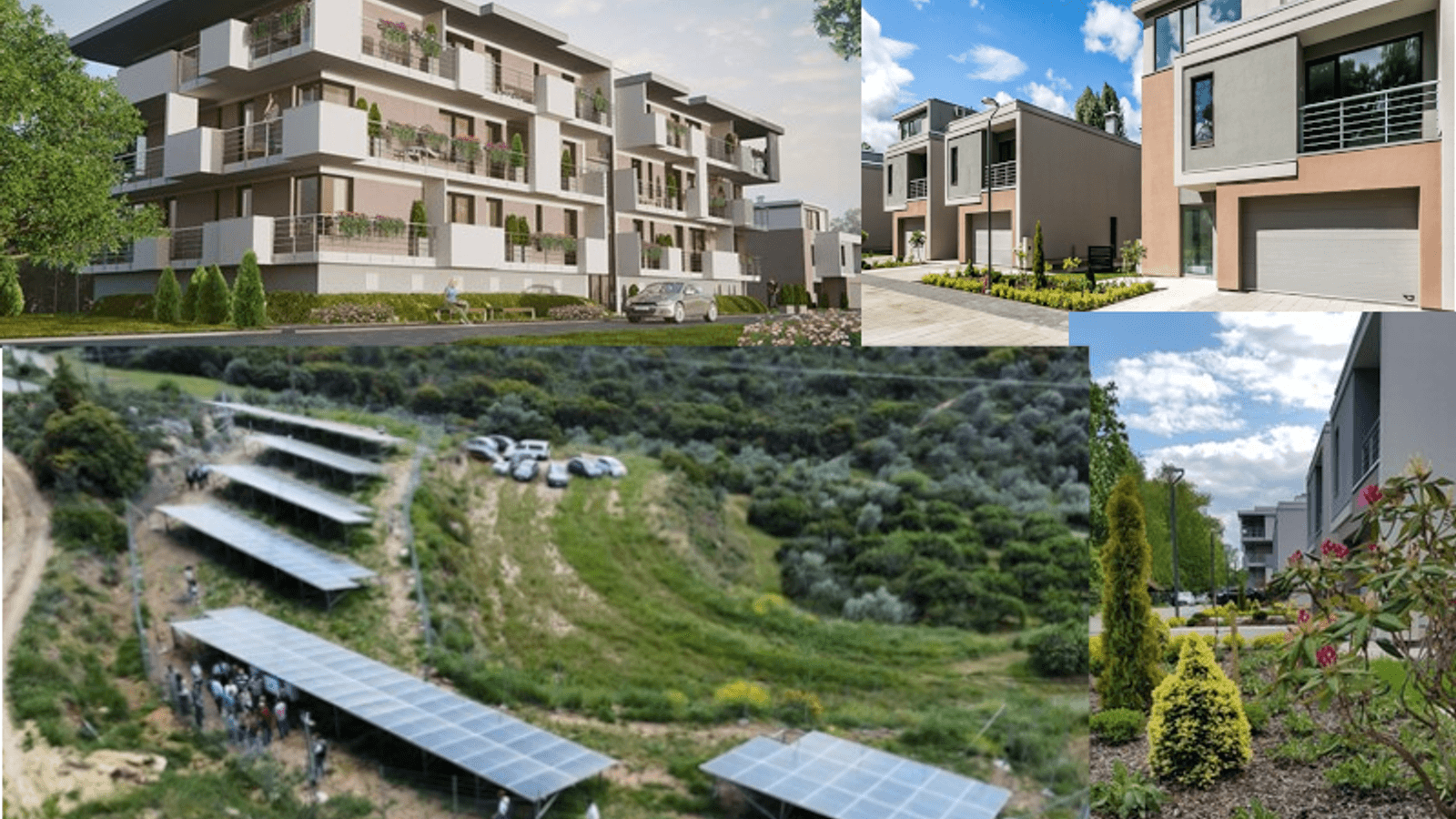
In fact, one of the project’s unique aspects is its ability to demonstrate versatility across multiple sites in different countries. The project has conducted demonstrations in the Netherlands, Poland, Denmark, and India, showcasing how the same technological concepts can be applied in diverse contexts. Despite the differences in regulation, climate, and energy infrastructure, the project has successfully implemented its solutions in each location.
Have you read:
Project DECODIT: Bringing the energy transition home
The REFORMERS Project: Balancing centralised and decentralised power systems
The key to this versatility lies in the project’s focus on maximising selfconsumption of locally produced energy, particularly from photovoltaic (PV) systems. As Bak-Jensen explains, “The overall hierarchical control of when to use energy and how to schedule the individual demand is more or less the same, no matter if the heat pump is used for drying food products in India or for heating in Denmark and the Netherlands.”
This consistent approach ensures that the project’s solutions can be adapted to different settings without losing their effectiveness.
Paving the way for the future
At the core of the project are innovative technological concepts designed to facilitate the energy transition. The project focuses on developing smart energy management systems that optimise the use of renewable energy sources, storage solutions, and demand response mechanisms. These systems are supported by advanced forecasting models that predict energy production and consumption patterns, enabling more efficient energy use.
While the project leverages existing technologies like smart meters and SCADA systems, it also explores new concepts such as digital twins. These digital models of physical systems allow for real-time monitoring and optimisation of energy use, providing valuable insights into how energy systems can be managed more effectively. As BakJensen notes, “We are making forecast models to optimise the grid and know when to use energy directly from the PV or when to store it.”
Integration of these technological innovations into the project has not only improved energy system efficiency, but has also provided valuable lessons for future projects. By demonstrating how these concepts can be applied in different contexts, the project paves the way for the broader adoption of smart energy management systems across the EU and beyond.
Lessons learned
As project SUSTENANCE nears its conclusion, one key takeaway is the importance of involving local communities in the development process. By prioritising the needs and preferences of citizens, the project has achieved higher levels of user satisfaction and engagement, which are critical for the long-term success of any energy initiative.
The project also underscores the need for flexibility and adaptability in energy solutions. By developing concepts that can be tailored to different regulatory environments and local contexts, Project Sustenance has demonstrated how innovative energy solutions can be implemented successfully across diverse locations.
Finally, the project highlights the importance of collaboration among stakeholders. The involvement of research institutions, universities, local utilities, DSOs, and private companies has been instrumental in overcoming the challenges posed by different regulatory frameworks and in ensuring successful implementation of the project’s solutions.
Project SUSTENANCE’s success in demonstrating the versatility and effectiveness of its solutions positions it as a model for future European and global energy initiatives. And as Europe continues to pursue its ambitious energy transition goals, the lessons learned will undoubtedly play a crucial role in shaping the future of energy management and grid integration.
As the project draws to a close, the experience and the technological innovations it brings can offer a blueprint for other initiatives aiming to support the EU’s energy transition.
Related tags
Most popular
Join the community for freeAnd get access to all content
Related projects
SUSTENANCE
+8
1 July 2021 - 31 December 2024
View project