Partner contentDecarbonisation
Project SUSTENANCE: Optimised flexibility for private households
Guest/partner contributor
Posted on: 2 September 2024
The SUSTENANCE project focuses on decarbonising local energy systems by integrating renewables into optimised multi-energy systems for private households.
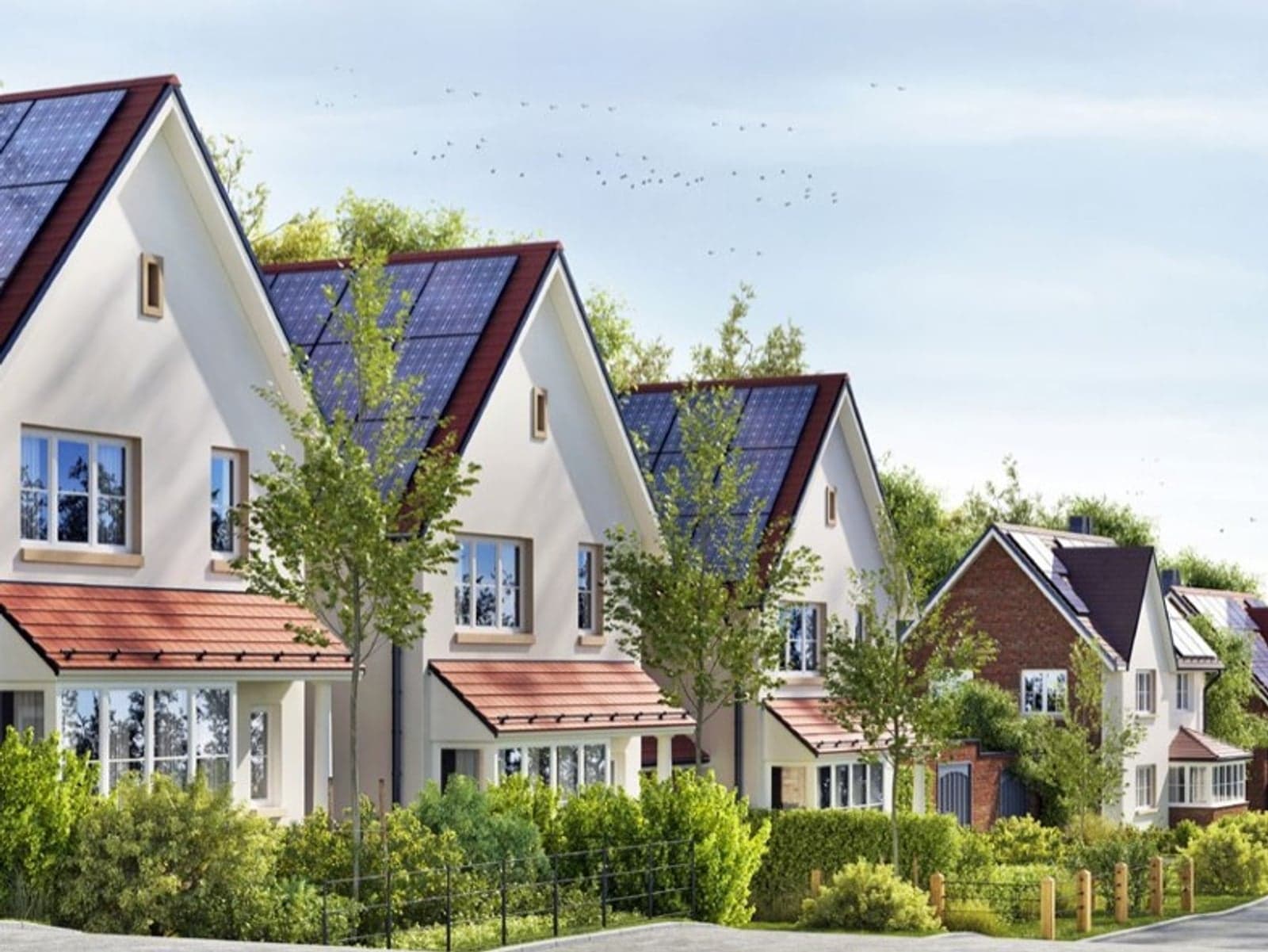
The SUSTENANCE project focuses on decarbonising local energy systems by integrating renewables into optimised multi-energy systems for private households.
With the huge integration of renewable energy, which fluctuates according to weather conditions, there is a specific need to adapt energy consumption according to production and provision for demand-side flexibility. Flexibility is essential not only for maintaining overall grid stability but also for preventing congestion in local grids.
These two aspects might appear to contradict each other, depending on the actual production and consumption profiles in the local area. However, flexibility can be provided by various contributors, including industry, agriculture, commercial buildings and private households.
SUSTENANCE – the solution
The SUSTENANCE project, with demonstration sites in Denmark, India, the Netherlands and Poland, has developed control methods for flexibility provision from private households, optimised to ensure consumer comfort, cost-effectiveness and high self-consumption, while simultaneously establishing flexibility provision to the local grid.
The cases considered include private households with solar PV production, heat pumps, thermal storage, electric vehicle charging, and in some cases electric batteries.
In India, there are three demonstration cases, of which two of the energy systems are microgrids, where flexibility provision and optimisation are made to ensure internal balancing and prioritisation of the energy utilisation within the microgrid.
Read about these case studies here
Impact of household optimisation
The impact of private household optimisation is shown directly at the demonstration sites in the four participating countries.
Denmark demonstration site
In Denmark, the demonstration sites are located in two small villages, including a total of twenty households. Both locations have had heat pumps and heat storage installed. Ten houses have been installed with PV panels and seven have EV chargers.
Neogrid has installed its Community Energy Management System (CEMS) in the houses, offering several options for control. For heat pump manufacturers the PriceOptimiser software allows the energy assets to be centrally controlled according to electricity price signals.
For service partners, a gateway and software are offered with data collection and analytical tools to help improve the technical operation of the energy assets.
PreHeat is an end-user service that optimises the temperature of the heating system/zones in line with weather forecasts.
Finally, Neogrid offers a system for aggregators enabling them to pool many assets to contribute to grid stability by providing more flexible operation of the assets.
Find out more about:
EU-funded energy projects
Netherlands Demonstrator Site
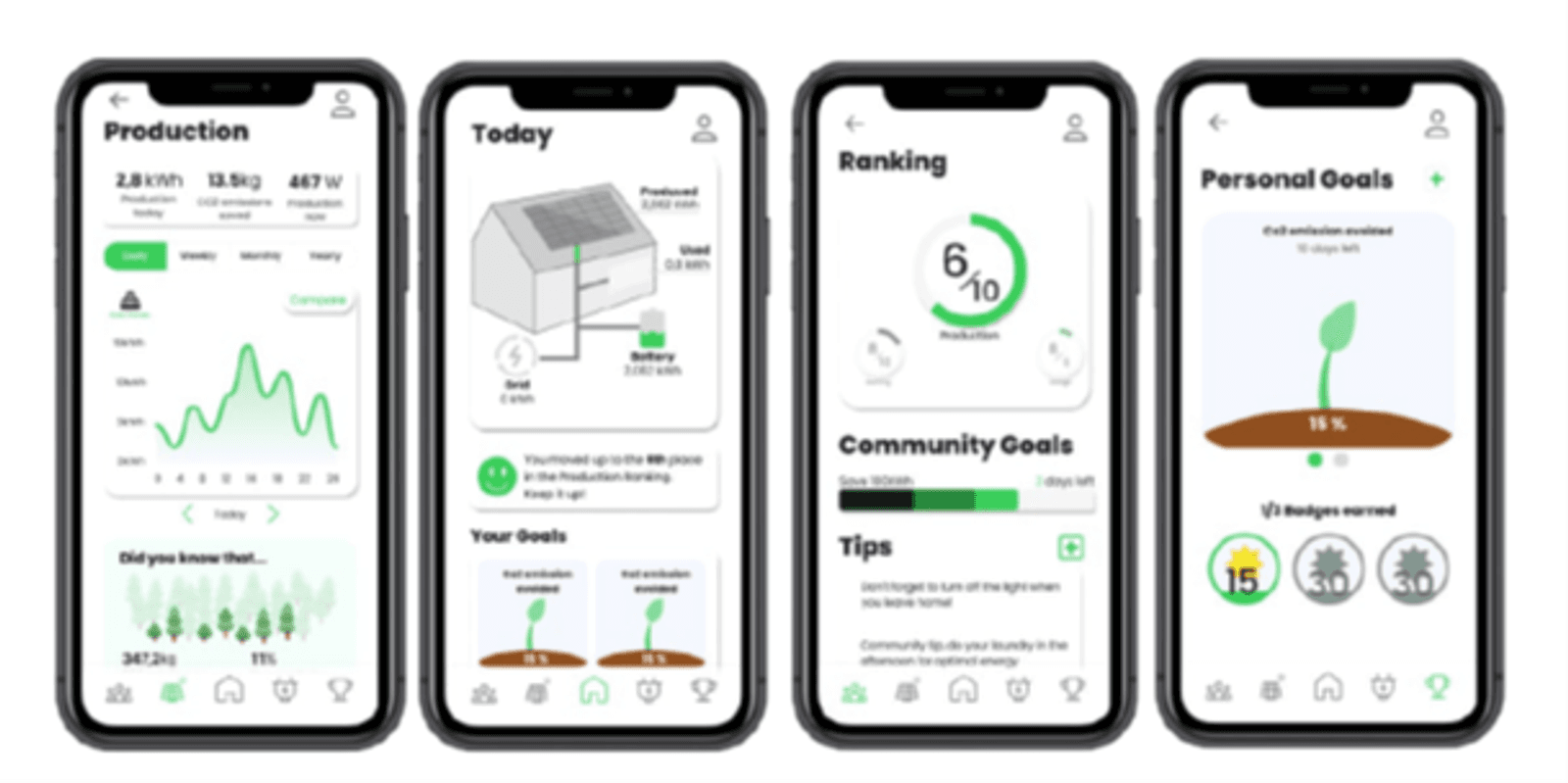
Two dashboards have been developed in the Dutch demonstrator to ensure user involvement in the demonstrator sites.
One of these dashboards displays data for the control of the household, with users able to see information on their actual levels of consumption and production within their house.
The second dashboard is related to EV charging (figure 1). Since the drivers have used the charging app, the Dutch researchers have seen a significant shift in charging loads, which are now more aligned with the production of solar PV power.
Poland demonstration site
In Poland, the site includes an 11-storey multi-family building in Sopot, with seven apartments on each floor.
For the demonstration, the building is equipped with heat pumps for the supply of hot water and a solar PV installation on the roof. An energy storage system is implemented to balance the energy use and EV chargers are installed to boost electromobility in the area.
Additionally, sophisticated measuring equipment, developed into a system by Stay-On, a Polish company and project partner, enables enhanced energy management, optimising the energy flows and providing information about the whole system and state of the devices on a newly developed dashboard.
India demonstration site
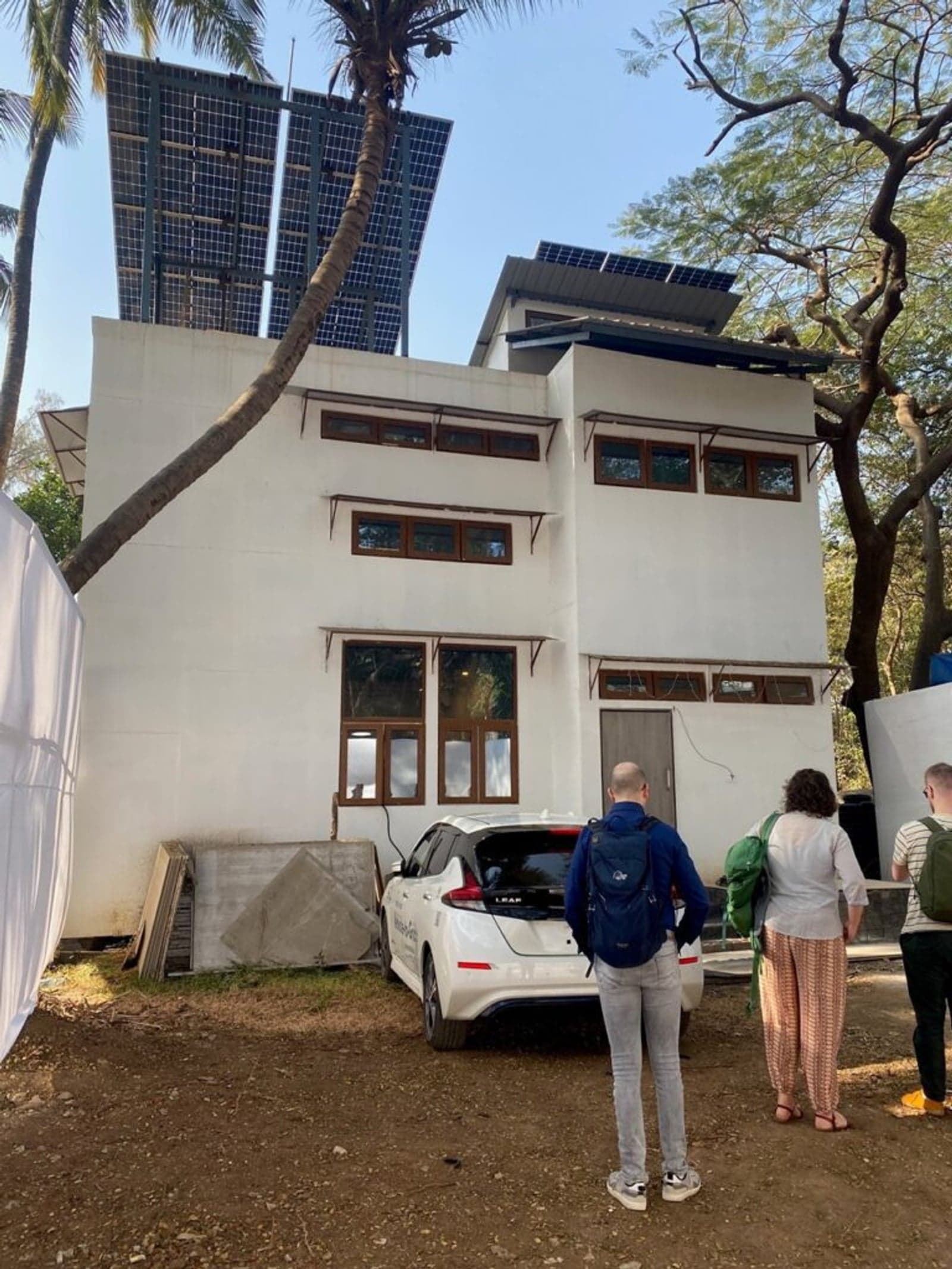
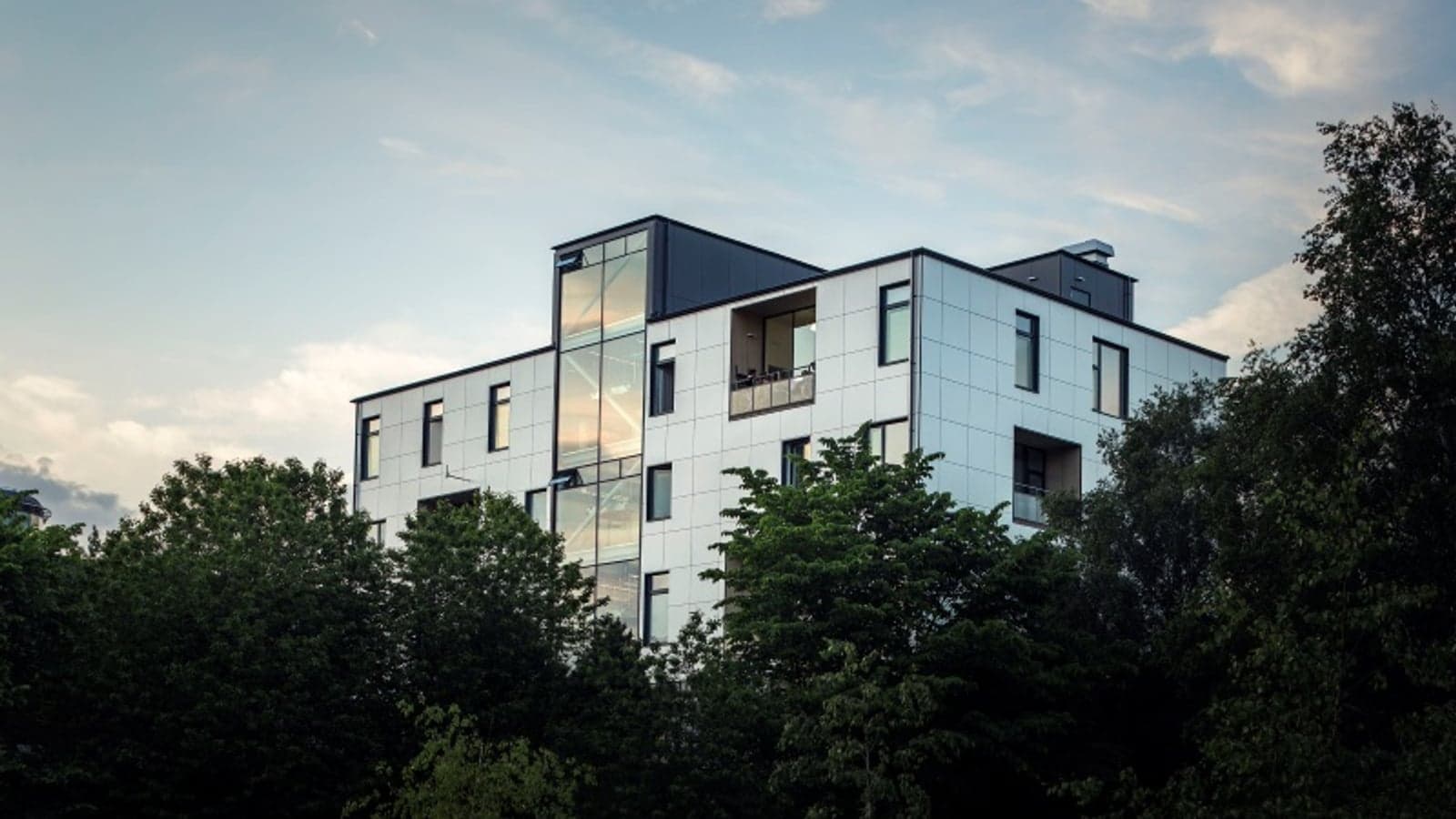
In India, the demonstrator is at the Shunya building on the Indian Institute of Technology Bombay’s (IITB) campus (figure 2).
The building is equipped with solar panels and battery energy storage as well as EV V2G facilities, allowing the battery storage from the EV to contribute to the overall energy management.
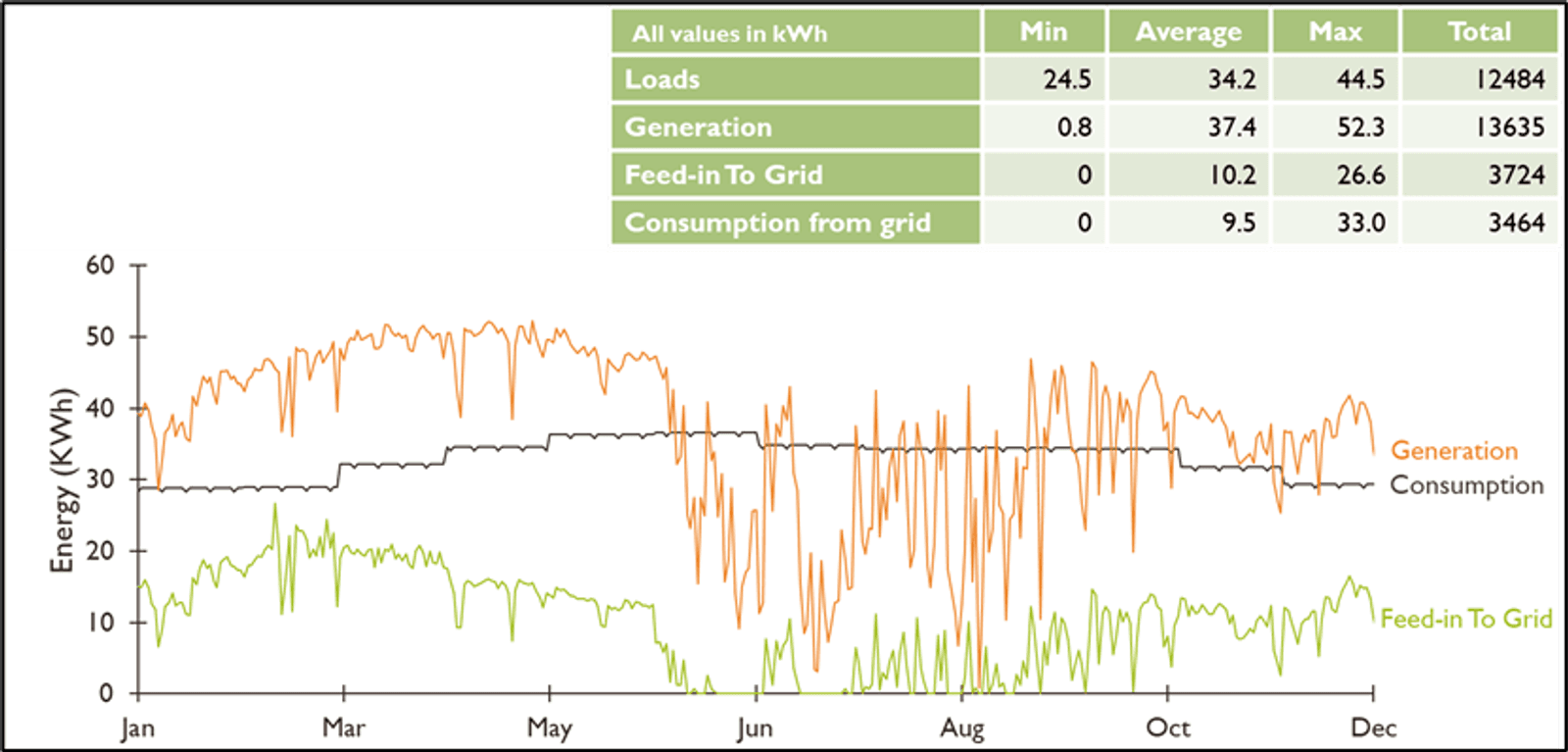
With this, the IITB researchers have achieved net zero electricity consumption in the building (figure 3).
SUSTENANCE outlook
Through the demonstrations in the SUSTENANCE project, it is proven that effective energy management can be achieved across a variety of private houses.
The benefits extend beyond the private customers, who experience good business cases, high satisfaction and reliable technical solutions. There is also significant commercialisation potential for the involved industries in the participating countries.
Additionally, the distribution system operators (DSOs) benefit from the flexibility provided by the households, which can increase grid capacity utilisation by at least 25% through scheduling active loads in the households.
Despite differences in the complexity of the houses and the regulations and market conditions in the four demonstration countries, the main concept of controlling the energy systems to optimise self-consumption and provide flexibility remains the same.
This makes the concepts developed highly replicable and capable of delivering impactful results globally.
About the authors
Birgitte Bak-Jensen is a Professor in Intelligent Control of the Power Distribution System at the Department of Energy, Aalborg University, Denmark. Her field of interest is mainly related to operation and control of the distribution network grid including multi-energy system perspectives, flexibility provision, power quality and stability in power systems as well as integration of dispersed generation.
Sebastian Bykuć is a team leader in the KEZO Research Centre Polish Academy of Science - Conversion of Energy and Renewable Sources. His recent research interests lie in the field of micro-CHP, ORC systems and heat storage as well as integration into energy systems, where he investigates energy storage concepts for renewables-based systems.
Learn more about the SUSTENANCE project and follow them on LinkedIN. Related topics and information can be found in the H2020 SERENE project.
Most popular
Join the community for freeAnd get access to all content
Related projects
SUSTENANCE
+8
1 July 2021 - 31 December 2024
View project
Latest content
+5
Compact thermal energy storage of the future: from the home to the workplace
The primary goal of the ThumbsUp project is to unlock the potential of compact thermal energy storage solutions at a building level in order to stimulate a decentralised approach to grid flexibility.
- Guest/partner contributor
- 05/06/2025