Putting solar power at the core of Europe’s energy system
Pamela Largue
Posted on: 20 December 2023
Jorge Martinez| Executive Director – Engineering| Construction & WHSEQ at Cero Generation| talks about solar power projects in Italy.
In an exclusive interview with PEI, Jorge Martinez, Executive Director – Engineering, Construction & WHSEQ at Cero Generation, talks about their team’s mission to drive net zero by developing solar power projects.
“Our mission is straightforward, we want to put solar at the core of the European energy system, and we are committed to developing our 25GW solar and storage project portfolio across Europe.”
Martinez and his team want to make a fundamental contribution to achieving a clean energy future through solar and battery storage, a common goal which, he states, has been in their DNA since day one.
And while developing these projects, close to their hearts is working with local communities to deliver all the benefits of solar to their respective provinces.
Project Pontinia
It was based on these goals of developing solar power while benefiting the community, that Cero Generation built the Pontinia project.
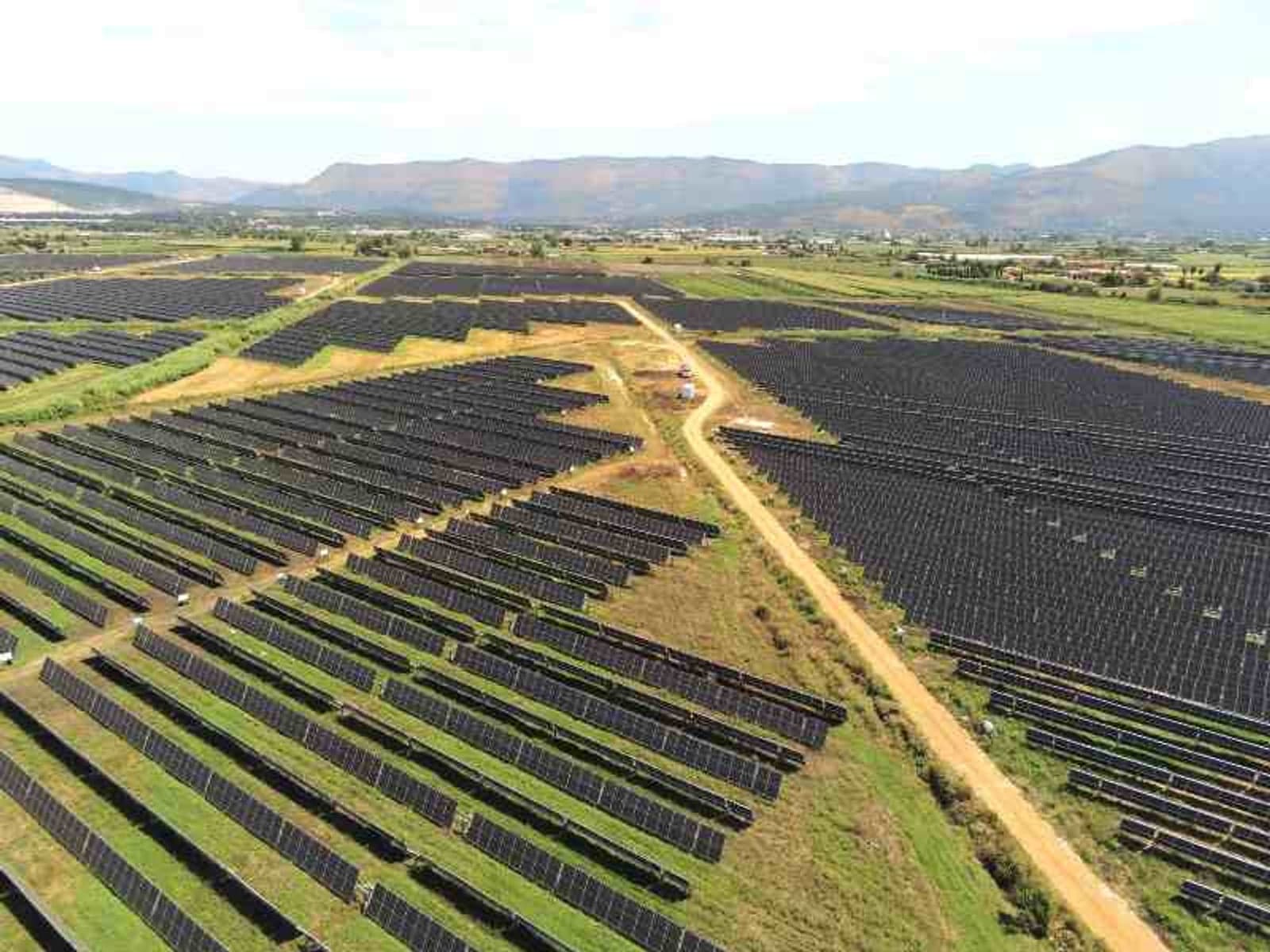
It’s a 70MW agrivoltaic project in the Lazio region of Italy. It will generate enough renewable electricity to power the equivalent of over 47,000 homes and avoid around 40,000 tonnes CO2 per year.
According to Martinez, agricultural activities were incorporated from the design phase. “We are taking advantage of approximately 65% of the land in order to produce crops of various types; grass, medical herbs, olive trees.”
Martinez talks about the size and impact of this bold project. “It’s the largest of our internal research projects and the largest agri-PV project operating in Italy, with the next biggest in the range of 60 megawatts.”
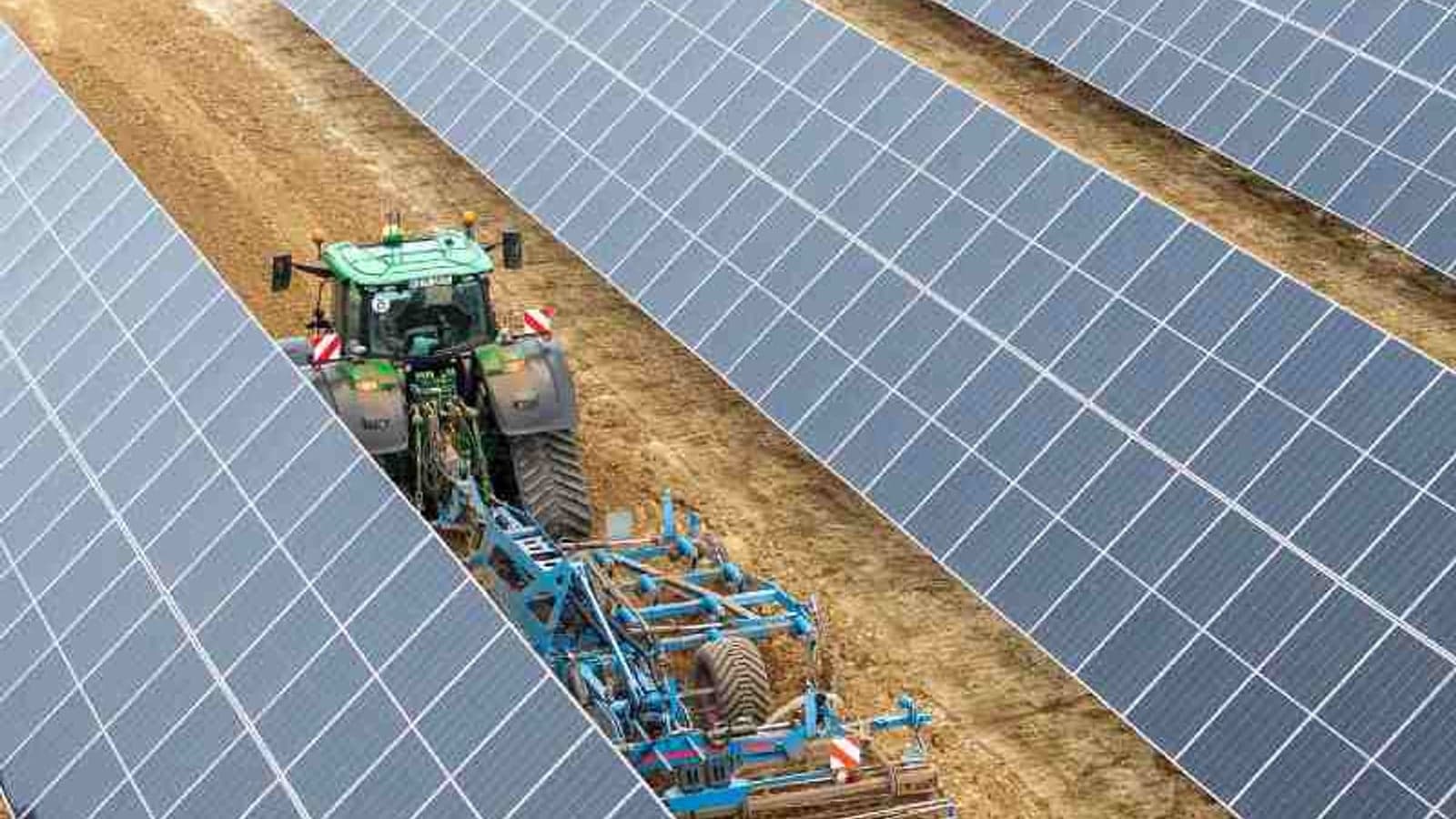
The project uses the latest technology, bifacial PV modules with single-axis trackers.
What also makes the project unique is its geographical presence. Said Martinez, “It’s one of the biggest projects in Latina Province, which is not as advanced as other provinces in Italy.
“Also, I would like to highlight that the land is very flat and from a technical perspective, the soils are extremely challenging, one of the most complex we have worked on.”
Cero had to work with suppliers to develop innovative solutions to overcome the soft soil and rainy microclimate, an element that made the project challenging, but equally rewarding, he said.
Have you read?
Landmark report offers best practices for floating solar developers
A promising future for perovskite solar cells
Agrivoltaics gaining more popularity
According to Martinez, these types of projects are becoming more popular as solar power is on the rise and it becomes necessary to make the best possible use of available land.
“We are solving a top global challenge, which is climate change, but we cannot afford to do it at the expense of creating other issues. We need to continue farming activity in the land, while producing green energy.”
And regulation is also coming to the fore to support this type of project, he said, showing authorities are aware of the benefits of combining solar and agriculture.
Martinez referred to the power purchase agreements signed with Heineken and Philips, a proud moment for the project.
“[PPA’s] are available to all industrial players that are leading their energy transition on site. And Cero is happy to help them to meet their decarbonisation targets.”
He explains that energy production for the purpose of self-consumption is an increasingly popular option for large consumers to green their operations.
Overcoming challenges
Martinez explained that there are challenges and opportunities unique to projects such as this one.
He referred specifically to financial and inflationary challenges and their impact on projects. “The financial environment right now with a high interest rate, these are not ideal conditions, as well as inflation, increasing capex etc.
“But the reality is that, as an industry, we will continue to navigate these challenges with the help of policy and regulations designed to accelerate the deployment of renewables.”
He adds that the goal and the help are clear for everyone.
“This market is continuously learning and evolving, but I think solar is a very good example of resilience…progressing and becoming the mainstream source of energy in many markets.”
Of course, he adds that massive investment in the grid is required to ensure the renewable energy can be connected, a hurdle that can be overcome with ongoing, transparent conversation.
Martinez is optimistic about the future despite these challenges.
He stressed that the focus must be on future generations and impacting communities in a positive way and that ultimately the energy transition will not only change the economy but will bring about a more stable political framework globally.