RADAR initiative to modernise how electric sector responds to power risk
Yusuf Latief
Posted on: 21 December 2025
The initiative comes in response to events such as the April 28 blackout in Europe, which demonstrated the fragility of the power system.
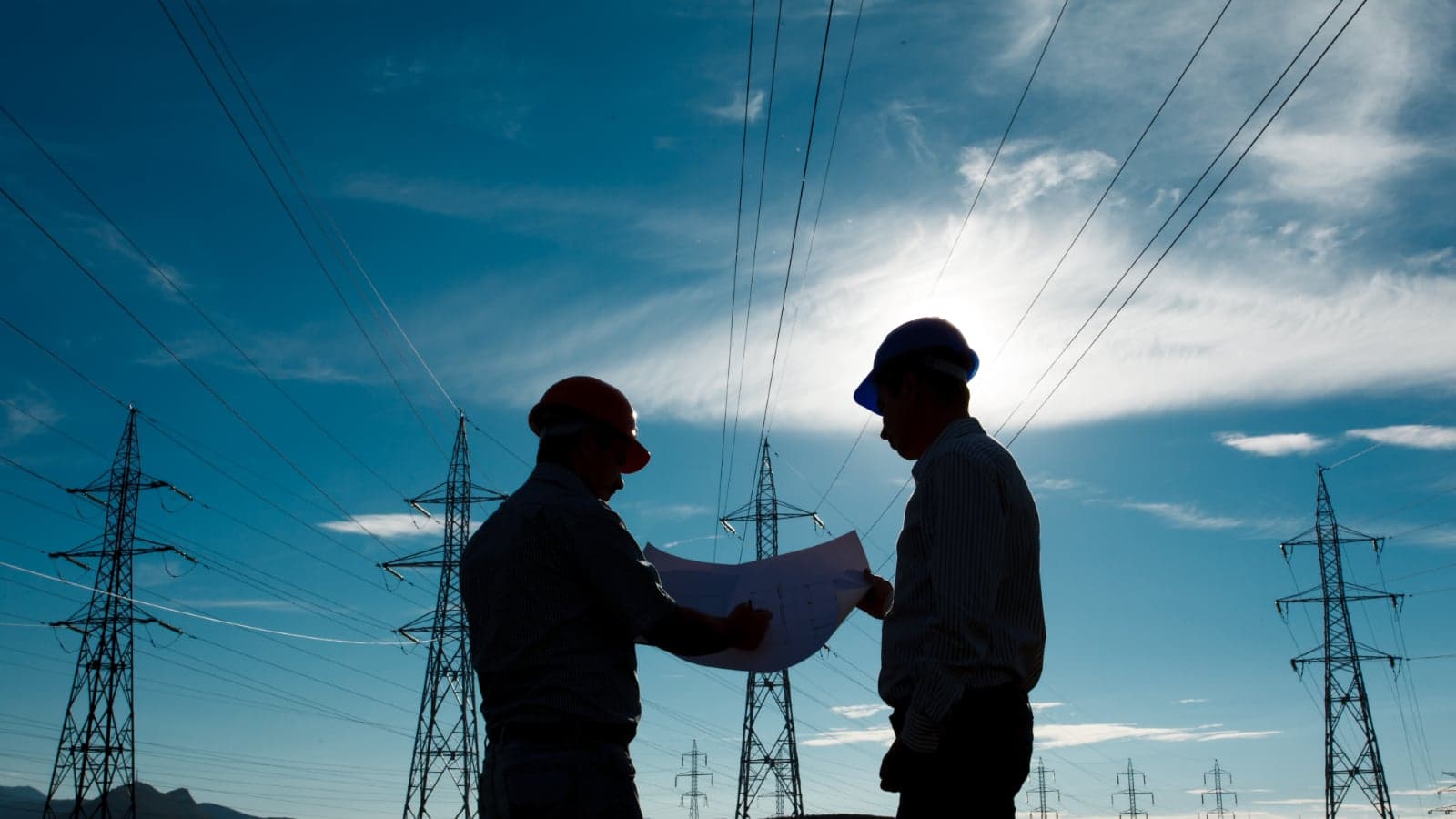
The global initiative, Rapid Adaptation of Grid Defense, Analytics, and Resilience (RADAR), has launched to modernise how the electric sector detects, anticipates, and responds to emerging risks.
The new global initiative will provide a scalable framework, advanced tools, and targeted training to help the sector strengthen grid resilience and reliability as increasing system complexity proves a pain point.
California’s Electric Power Research Institution (EPRI) announced the initiative’s launch, joined by founding members Duke Energy, Pacific Gas and Electric Company in the US, as well as international-based companies such as France-based RTE and Scottish and Southern Energy (SSE).
EPRI in a release cites the aftermath of the 2025 Iberian blackout as an example of how rapidly changing grid conditions can overwhelm traditional monitoring and control processes.
Over the next 15 years, the organisation adds, nearly every global power system is likely to undergo a dramatic transformation in generation and demand, with increasing levels of inverter-based and distributed resources. This is ushering in a new paradigm of highly dynamic grids, requiring next-generation control strategies, planning processes, and workforce training to maintain reliability.
Have you read?
Demand response and grid resilience: Key takeaways from summer 2025
Power the new energy future with AI to secure a more resilient grid
Why Europe is at a tipping point on grid resilience
Commenting in a release was Daniel Brooks, EPRI Senior Vice President of energy delivery and customer solutions: "The 2025 Iberian blackout highlights how increased grid complexity can drive fast changing grid conditions that can overwhelm legacy systems and processes.
"By working together, RADAR can accelerate frameworks for assessing vulnerabilities and the adoption of best practices and scalable solutions for resilient future grids."
Said Florent Xavier, RTE Director of R&D Partnerships, Valorization, and Transformation: "RTE is pleased to support the RADAR initiative, which addresses a critical challenge for all grid operators: anticipating and managing emerging risks in rapidly evolving power systems.
"As the growth of renewable resources increases, we aim to accelerate the development of next-generation capabilities for planning and operating a secure and resilient grid and promote the use of advanced, open source modelling and simulation tools. RADAR will help system operators reinforce grid resilience and maintain reliability, as inverter-based resources and new large-scale loads, including data centers, reshape grid dynamics."
This initiative enables us to act decisively to maintain grid reliability and security, which ensures customers receive consistent and dependable service.
Other expected key outcomes of RADAR will be to:
- Develop a practical blueprint and path that organisations can adapt into their own functional organisational design to ensure reliability amid rapid grid changes.
- Identify and address limitations, and demonstrate approaches to close gaps in current tools, data, and workflows to better manage the complexity of modern-day grids.
- Develop and implement training for utility personnel to address advanced topics in power system planning and operations.
"Customers depend on a reliable, secure grid to power their lives and businesses. As the global energy industry rapidly evolves, RADAR provides an essential platform to strengthen grid protection and deliver smarter analytics," said Nelson Peeler, Senior Vice President of Grid Strategy, Planning and Integration for Duke Energy.
"This initiative enables us to act decisively to maintain grid reliability and security, which ensures customers receive consistent and dependable service."
Grid resilience
System resilience in the face of increasing complexity alongside extreme weather has become a central priority for grid operators the world over.
Indeed, as cited by EPRI, the April blackout that hit Spain, Portugal and parts of France highlighted the fragility of the power system.
In Europe specifically, several initiatives have been announced to help bolster the resilience of the continent’s power system, such as the European Grids Package, which aims to strengthens physical and cybersecurity of cross-border infrastructure by integrating security considerations early in project planning.
According to the European Commission, the package also promotes ‘resilience by design’, improving transparency on ownership to avoid depending on foreign actors and providing support to security upgrades for existing assets.
Additionally, earlier this year in July, another initiative launched, the TSO Innovation Alliance, formed between eight major European TSOs to innovate on ‘Weather and Grid Resilience’ solution.
The alliance says how climate-driven events, storms, floods, heatwaves and wildfires are increasing in frequency and severity, placing new demands on grid operations and long-term planning.
Terna, RTE, Swissgrid, Elia Group, TenneT, Red Eléctrica and Amprion are the founding members of the alliance, tasking startups with finding innovative solutions to overcome the risks posed to the grid by increasingly extreme climate events, while integrating weather-dependent energy sources.
In October, the Innovation Alliance issued its first open call for solutions to help build a climate-resilient power grid.