Partner content
Reality check: What’s really going on in Europe’s energy transition
Enlit Editorial Team
Posted on: 4 March 2026
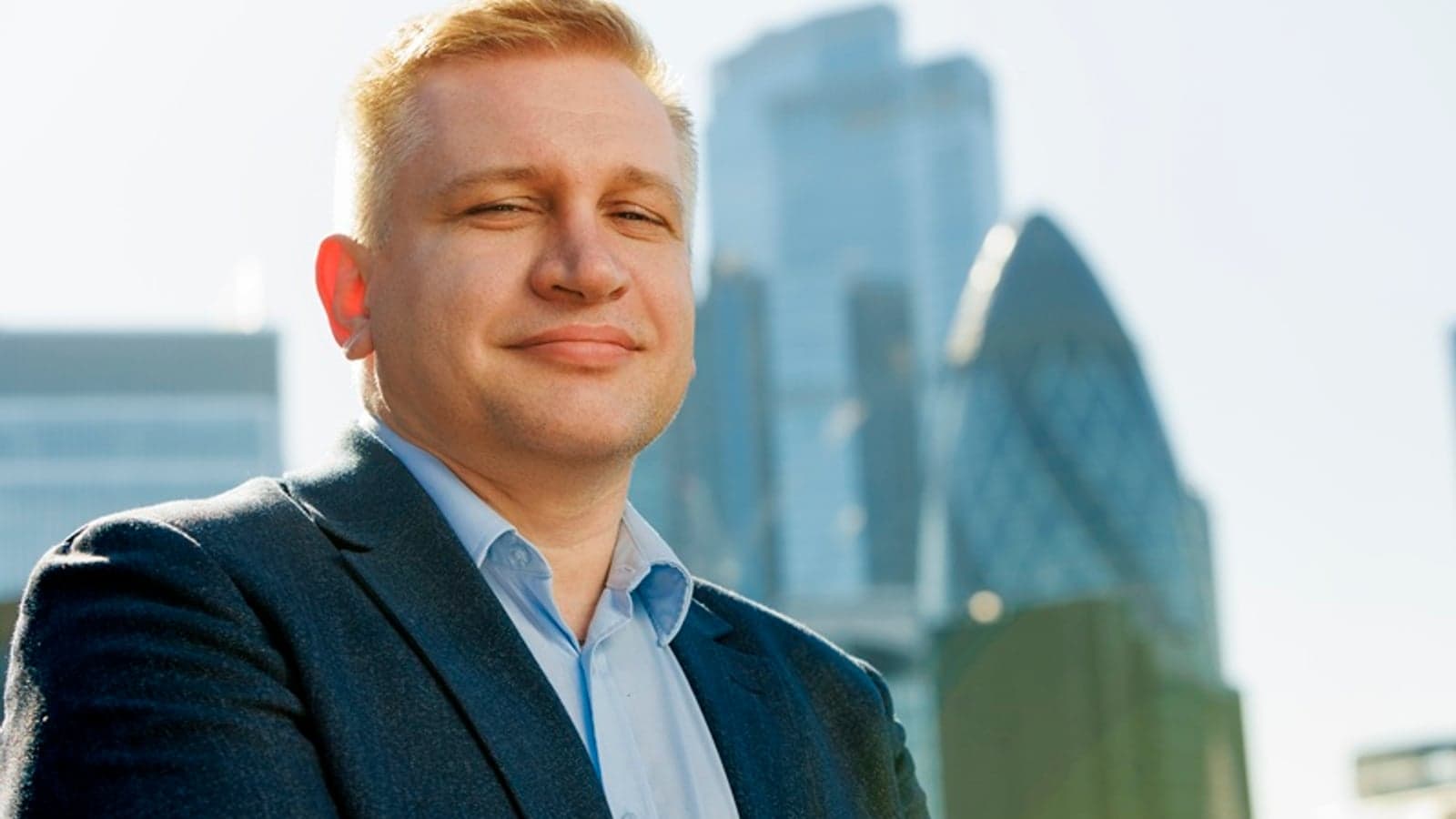
Europe’s energy transition is facing a reality check, says Wärtsilä Energy’s Louis Strydom. Spain curtailed 11% of renewable electricity in July 2025 due to grid constraints, while Germany extended gas plant subsidies beyond its 2035 clean power target.
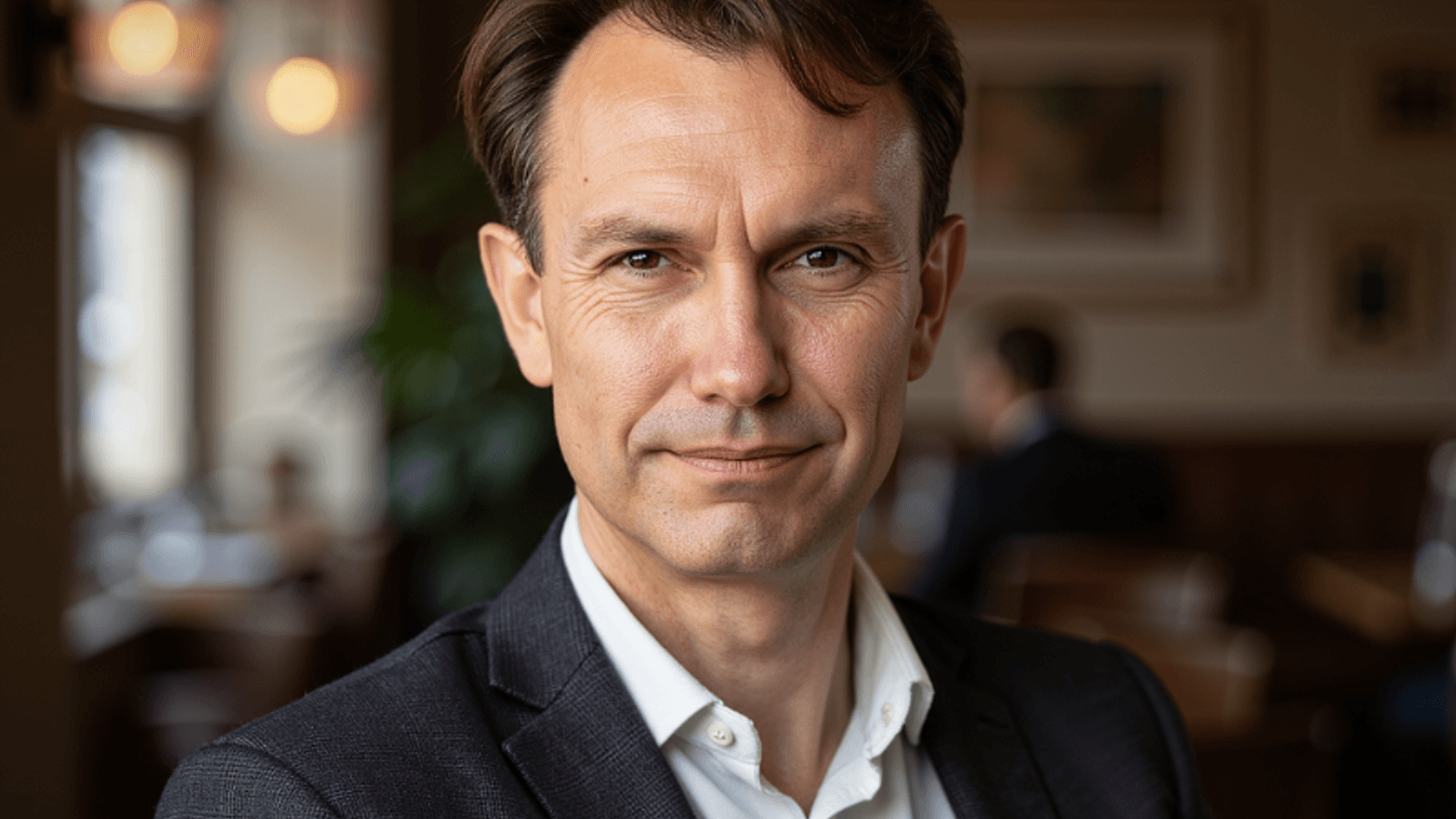
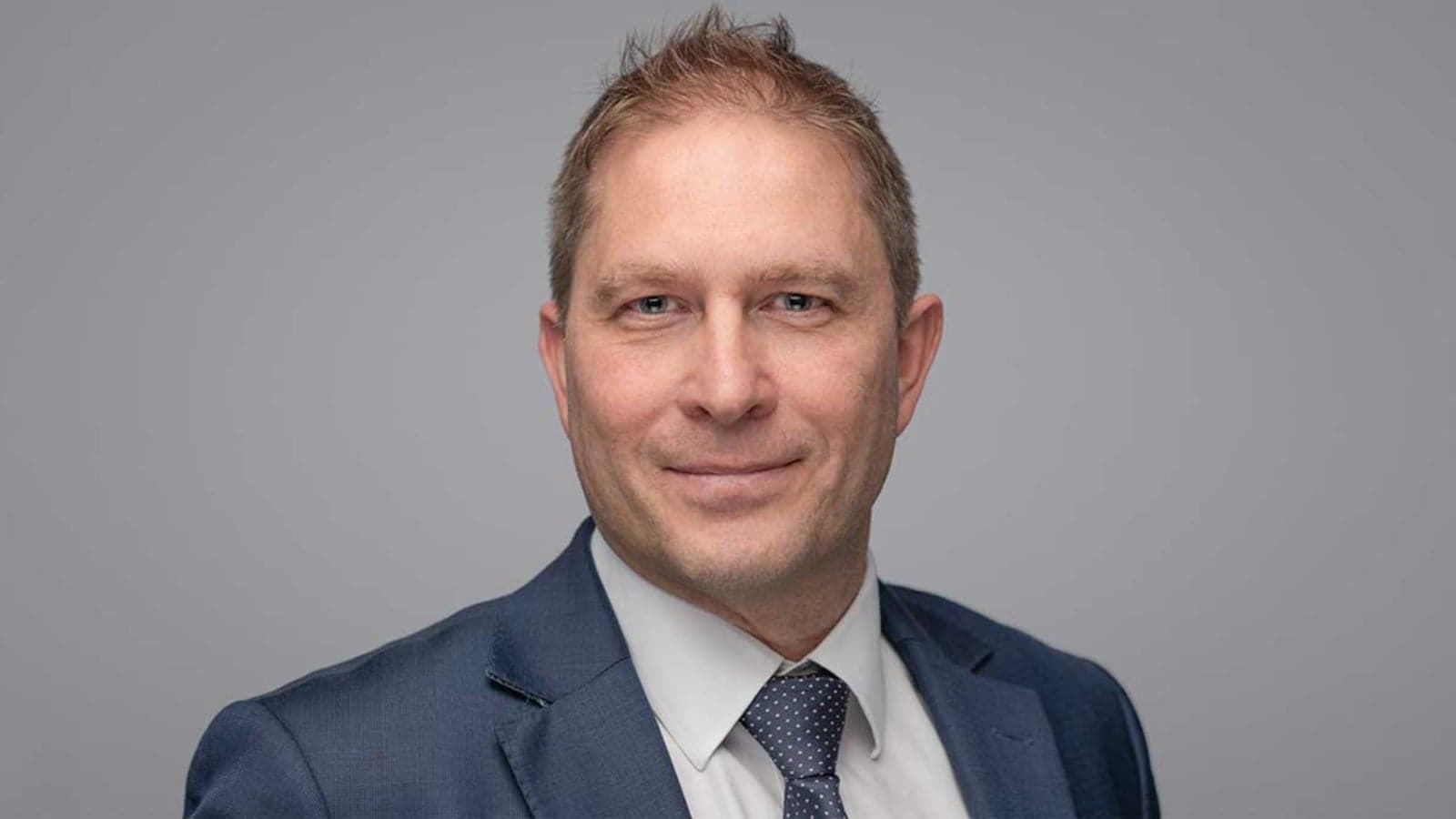
In an interview with Louis Strydom, Director of Growth & Development at Wärtsilä Energy, he notes that negative price hours are rising across multiple countries, and the aftermath of the Iberian blackout has exposed a deeper problem: Europe has been adding renewables without building the flexibility needed to support them.
According to Wärtsilä’s modelling, this is not a renewables problem, it is a system design problem. Their analysis shows that combining renewables, storage and firm flexible capacity could save Europe €65 trillion by 2050 while reducing CO₂ emissions by 21%.
System integration
Battery storage is expanding rapidly and plays a vital role in balancing the grid hour to hour. But multi day Dunkelflaute periods, like those seen in late 2024, demand firm and flexible generation that can start within minutes, provide inertia and frequency control, and ensure reliability at scale.
Recent curtailment levels in Ireland and Spain show why both batteries and flexible thermal capacity are required for an affordable, resilient energy system.
From a system-level perspective, Strydom stresses that battery storage is most effective when used for its intended purpose: "It is an incredibly fantastic technology, but it is a storage technology. It's not a generation technology. And when you try and make storage do all the jobs of generation, things go wrong and your system level perspective becomes unbalanced.
"So what you need to understand is, where can you optimise the storage use versus where you need the flexible generation response, from our perspective, what we can see is that the flexible generation with engines actually can do multiple jobs in the grid."
Flexibility isn’t an “either-or” choice. It’s about using the right tool for the job—and ensuring every renewable megawatt actually replaces fossil fuels instead of being thrown away.
Watch the full interview to explore Wärtsilä Energy’s vision for a flexible European grid.
More interesting insights: Wärtsilä Energy’s vision for a flexible European grid
**This interview was filmed in November 2025 at Enlit Europe in Bilbao, Spain.
Related tags
Most popular
Join the community for freeAnd get access to all content
Related companies
Wärtsilä Energy
Related members

Louis Strydom
Wartsila
Director, Growth & Development