Renewables overtake coal globally in ‘crucial turning point’
Kelvin Ross
Posted on: 7 October 2025
Data from consultancy Ember reveals solar and wind outpaced the growth in global electricity demand this year, causing a decline in both coal and gas.
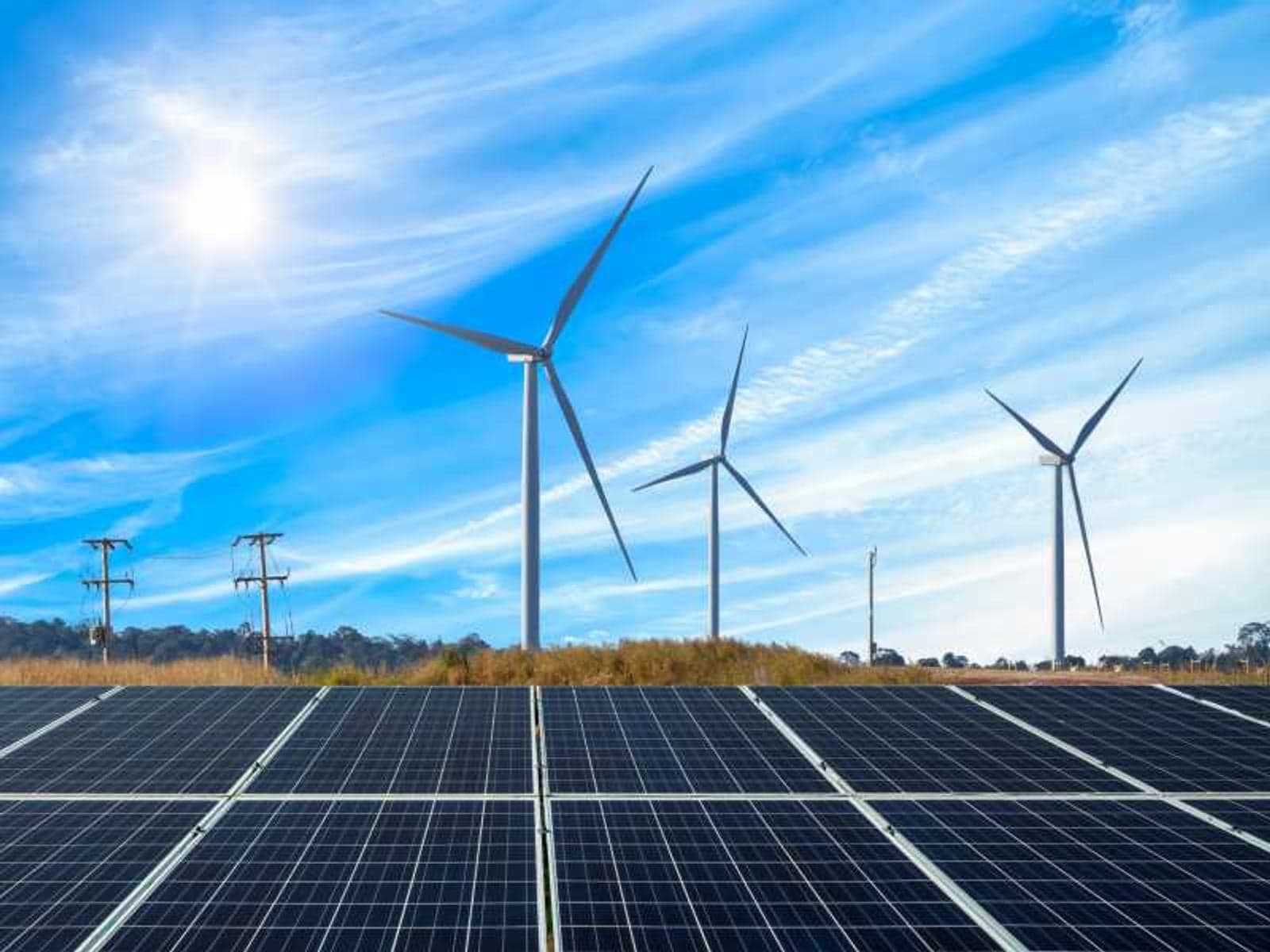
For the first time on record, renewables this year have generated more power than coal.
New data from consultancy Ember reveals solar and wind outpaced the growth in global electricity demand in the first half of 2025, resulting in a very small decline in both coal and gas, compared to the same period last year.
Renewables supplied 5,072 TWh of global electricity, up from 4,709 TWh in the same period in 2024, overtaking coal at 4,896 TWh, down 31 TWh year-on-year.
“We are seeing the first signs of a crucial turning point,” said Małgorzata Wiatros-Motyka, senior electricity analyst at Ember.
“Solar and wind are now growing fast enough to meet the world’s growing appetite for electricity. This marks the beginning of a shift where clean power is keeping pace with demand growth.”
Solar soaring
Ember found that global electricity demand rose 2.6% in the first half of this year, adding 369 TWh compared to the same period last year.
Some 83% of the rise was met by solar alone, thanks to record generation growth.
Solar and wind grew quickly enough to meet rising demand and start to replace fossil generation. Coal fell by 0.6% (-31 TWh) and gas by 0.2% (-6 TWh), only partly offset by a small rise in other fossil generation, for a total decline of 0.3% (-27 TWh). As a result, global power sector emissions fell by 0.2%.
Ember said the 0.3% (-27 TWh) drop in fossil fuel generation “was modest but significant, indicating that wind and solar generation are growing quickly enough that in some circumstances they can now meet total demand growth”.
Renewables exponential rise
The report adds that as the “exponential rise” of wind and solar continues, “they are likely to outstrip demand growth for longer and longer periods, cementing the decline of fossil generation”.
This rise was driven by the world’s four largest economies – China, India, the EU and the US – however, some are playing a bigger role than others.
China and India both saw fossil generation fall in the first half of 2025 as clean power growth outpaced demand. China remained the leader in clean energy growth, adding more solar and wind than the rest of the world combined, helping to cut China’s fossil generation by 2% (-58.7 TWh) in the first half of 2025.
In the same period in India, growth in clean sources was more than three times bigger than demand growth. However, demand was exceptionally low at 1.3% (+12 TWh), compared to the same period last year at 9% (+75 TWh).
Record India renewables
India’s record solar and wind expansion, combined with lower demand, drove down fossil fuels in the country, with coal falling 3.1% (-22 TWh) and gas 34% (-7.1 TWh).
But fossil generation rose in the US and the EU. In the US, demand growth outpaced clean power, driving up fossil generation. In the EU, weaker wind and hydro output led to higher gas and coal generation.
Emer said that “with half the world already past the peak of fossil generation, clean power can keep pace with rising electricity demand, but progress is uneven. In most economies, faster deployment of solar, wind and batteries could bring benefits.”
Sonia Dunlop, chief executive of the Global Solar Council, said the Ember analysis “confirms what we are witnessing on the ground: solar and wind are no longer marginal technologies—they are driving the global power system forward”.
“The fact that renewables have overtaken coal for the first time marks a historic shift. But to lock in this progress, governments and industry must accelerate investment in solar, wind, and battery storage, ensuring that clean, affordable, and reliable electricity reaches communities everywhere.”
Climate targets
Ember concludes that falling solar and wind prices offer governments an opportunity to set more ambitious targets and policies to speed deployment.
“Doing so would maximise the economic, social, health and environmental benefits of clean power, in addition to reducing carbon emissions and keeping climate change targets within reach”.
It adds that while half of the world is past a peak in fossil generation and “the tools to accelerate the transition are available… some emerging economies still face higher costs of capital and other capacity constraints”.
Support from mature economies, it says, particularly those with historic emissions, is crucial to overcoming these barriers and keeping the pathway to net-zero within reach.
Ember’s Wiatros-Motyka added: “As costs of technologies continue to fall, now is the perfect moment to embrace the economic, social and health benefits that come with increased solar, wind and batteries.”