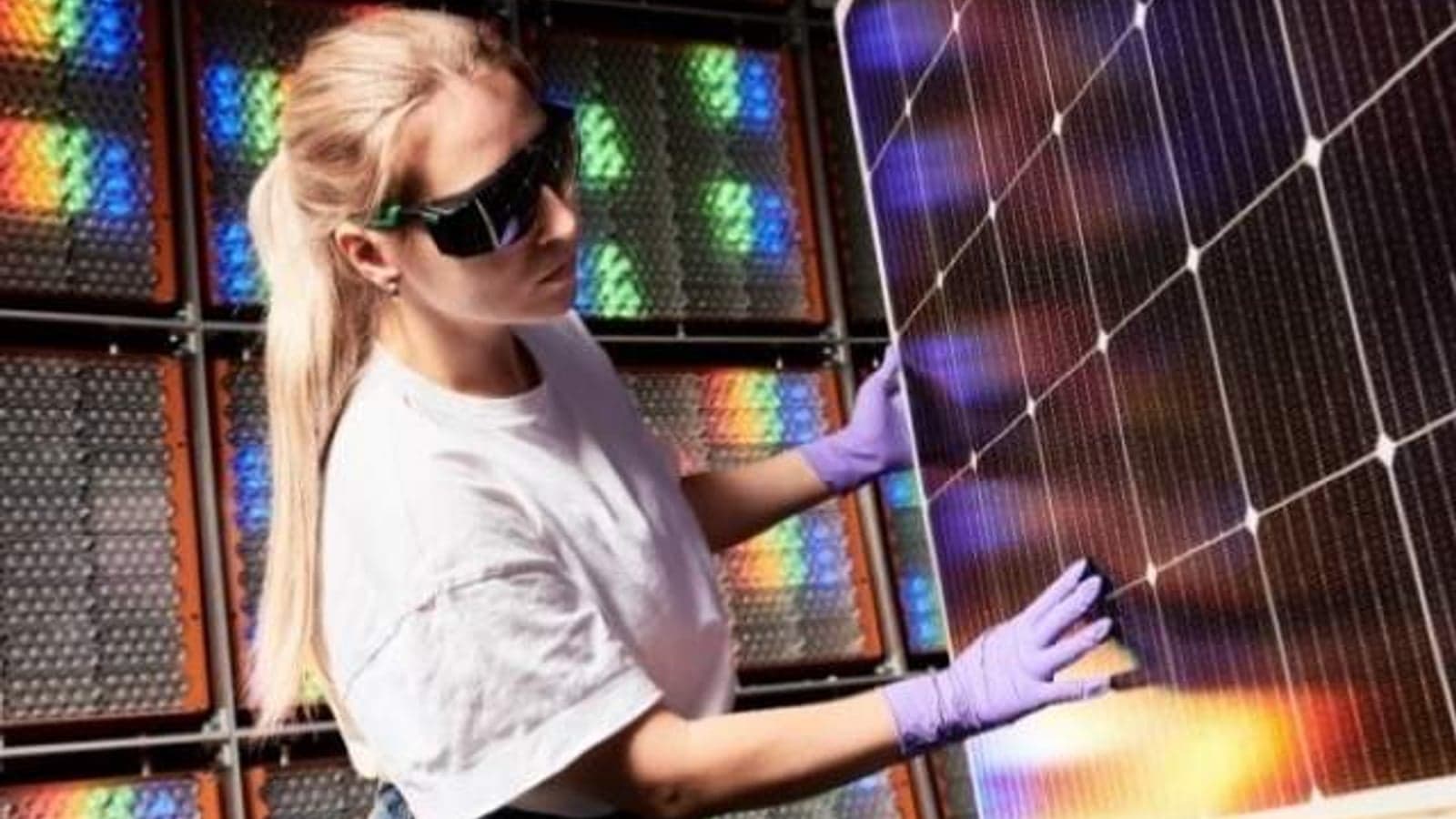
Scientists team up with start-up to improve perovskite manufacturing
Pamela Largue
Posted on: 26 February 2025
Queen Mary University has formed a partnership with Power Roll to improve quality control in perovskite solar film manufacturing.
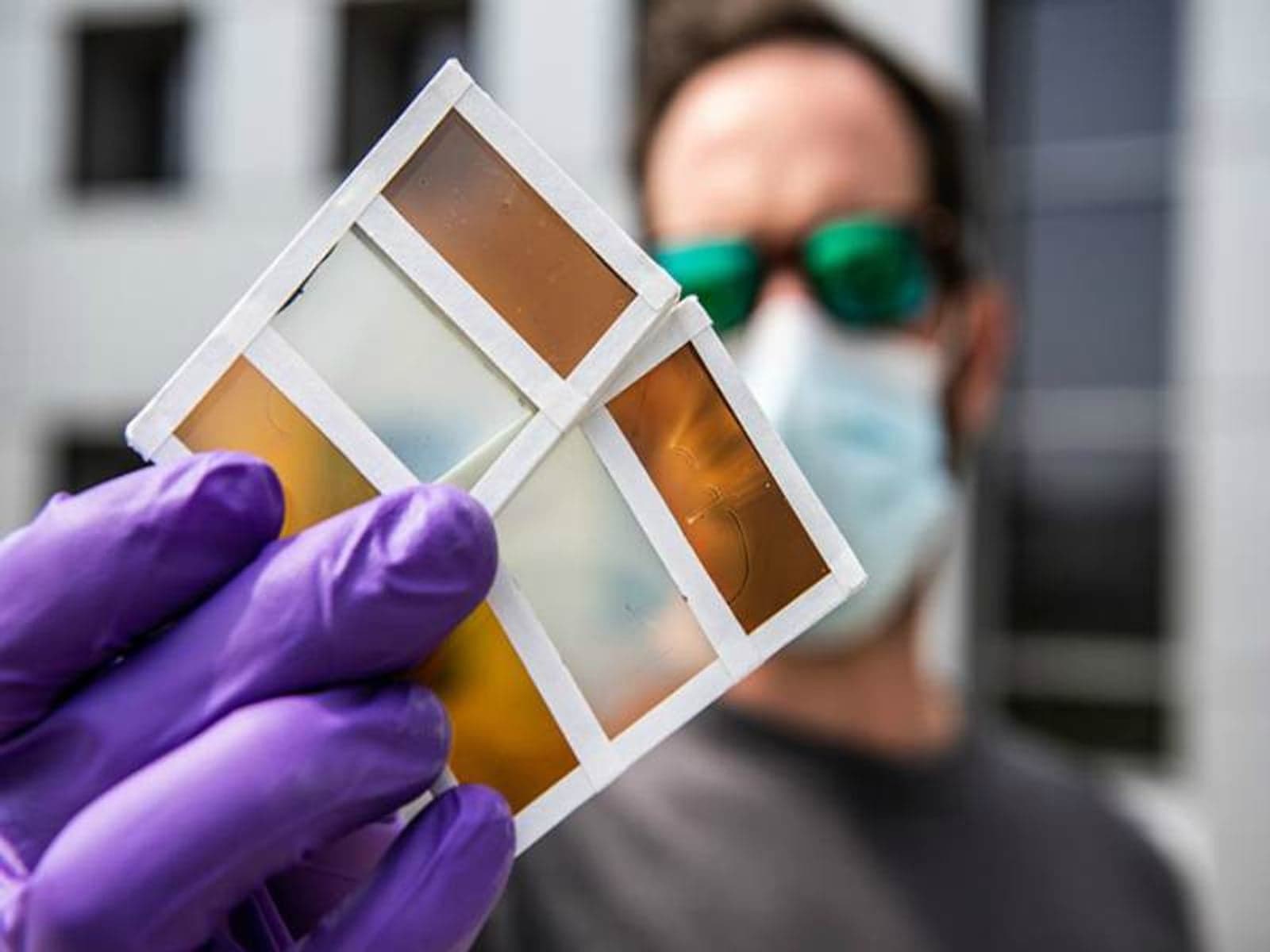
Scientists at the Queen Mary University of London have formed a new partnership with solar start-up Power Roll to improve quality control in perovskite solar film manufacturing.
According to a University press release, while perovskites hold great potential to turn any surface into a power producer, the problem is that the thin material is prone to defects making it difficult to scale.
The partners are therefore working on a solution that they refer to as an "in-situ optical analysis to provide fast accurate data for quality control," first developed by Queen Mary’s Dr Stoichko Dimitrov.
Power Roll will be the first to apply the technology in an industrial setting. The start-up produces individual solar cells 1/50th of the width of a human hair, making visual inspection during perovskite manufacturing impossible.
Dr Dave Barwick, technical manager at Power Roll, commented on the technology: “We’re making solar that goes where other solar solutions can't, and we’re doing it without using rare and precious earth materials. Queen Mary’s expertise in optical analysis will help us scale up production by ensuring every microscopic solar cell is of the highest quality.”
Have you read?
Perovskite market to reach over $1bn by 2033 states report
LAPERITIVO project launches to advance perovskite PV tech
Dr Stoichko Dimitrov added: “The technology will analyse how light interacts with the material as it’s being produced, thereby providing essential data for monitoring and improving the quality of the film produced in real time. This will enable PowerRoll to scale up production and make perovskite film a reality.”
The project, being funded by Innovate UK, will see Queen Mary hire a post-doctoral research associate to help translate research into scalable production methods.
The positives of perovskite
Perovskite is considered an efficient replacement for silicon solar panels, due to being flexible and light weight, making it easy to install on almost all surfaces.
These solar cells also have a lower carbon footprint than their silicon counterparts, however Queen Mary University explains that scaling up perovskites is still too challenging because of the complex manufacutring process.
Power Roll estimates there are 12bn square meters of UK rooftops which could be generating green electricity at less than a quarter of the current grid cost. However, this £250 billion ($316 billion) opportunity is not being utilised as traditional silicon panels are too heavy.