Oxford PV's perovskite solar technology to power Dutch race car
Riaan Mostert
Posted on: 12 October 2023
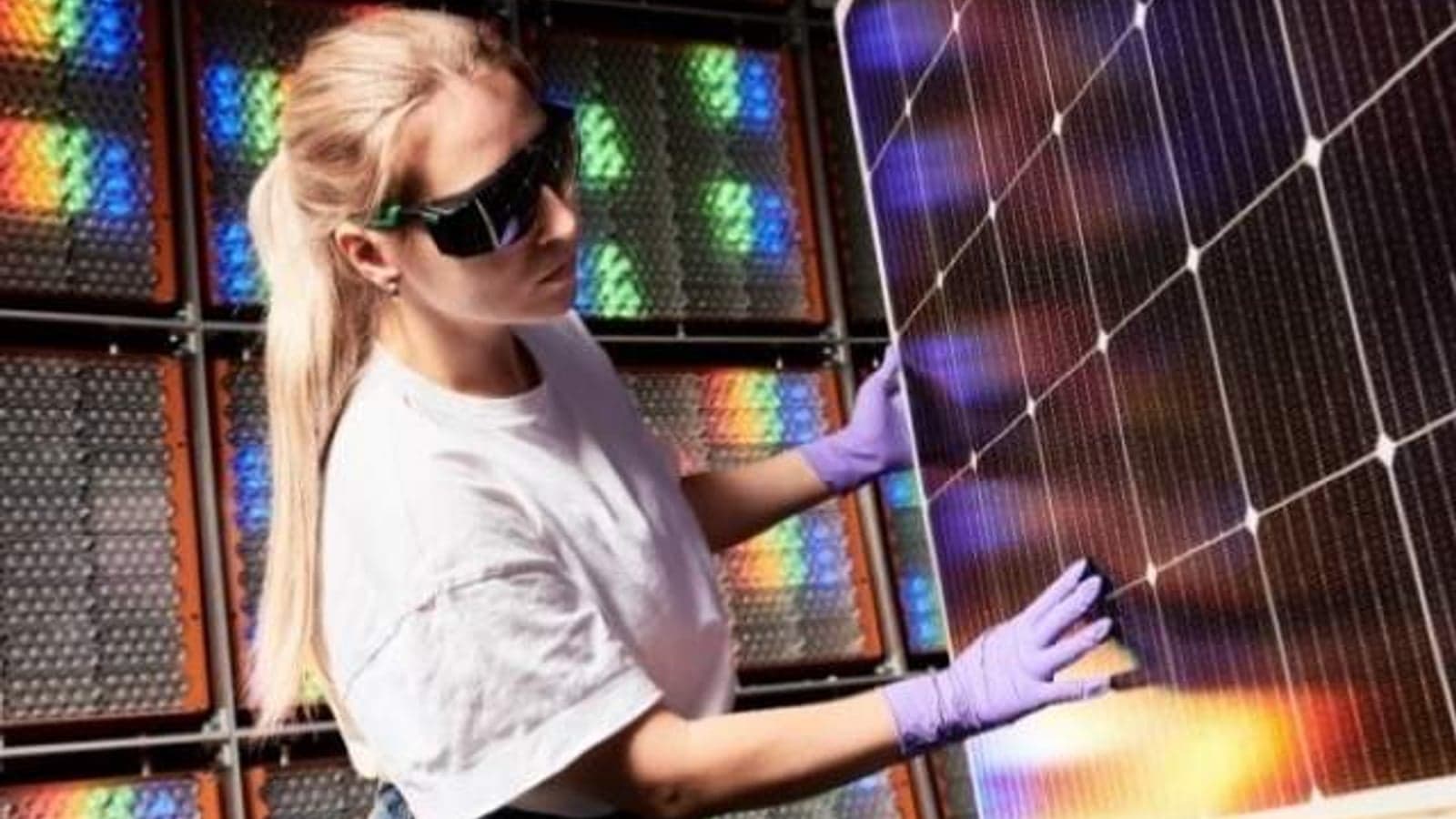
Oxford PV| a Oxford University spin-off which develops perovskite-based solar technology has partnered with the Top Dutch Solar Racing team.
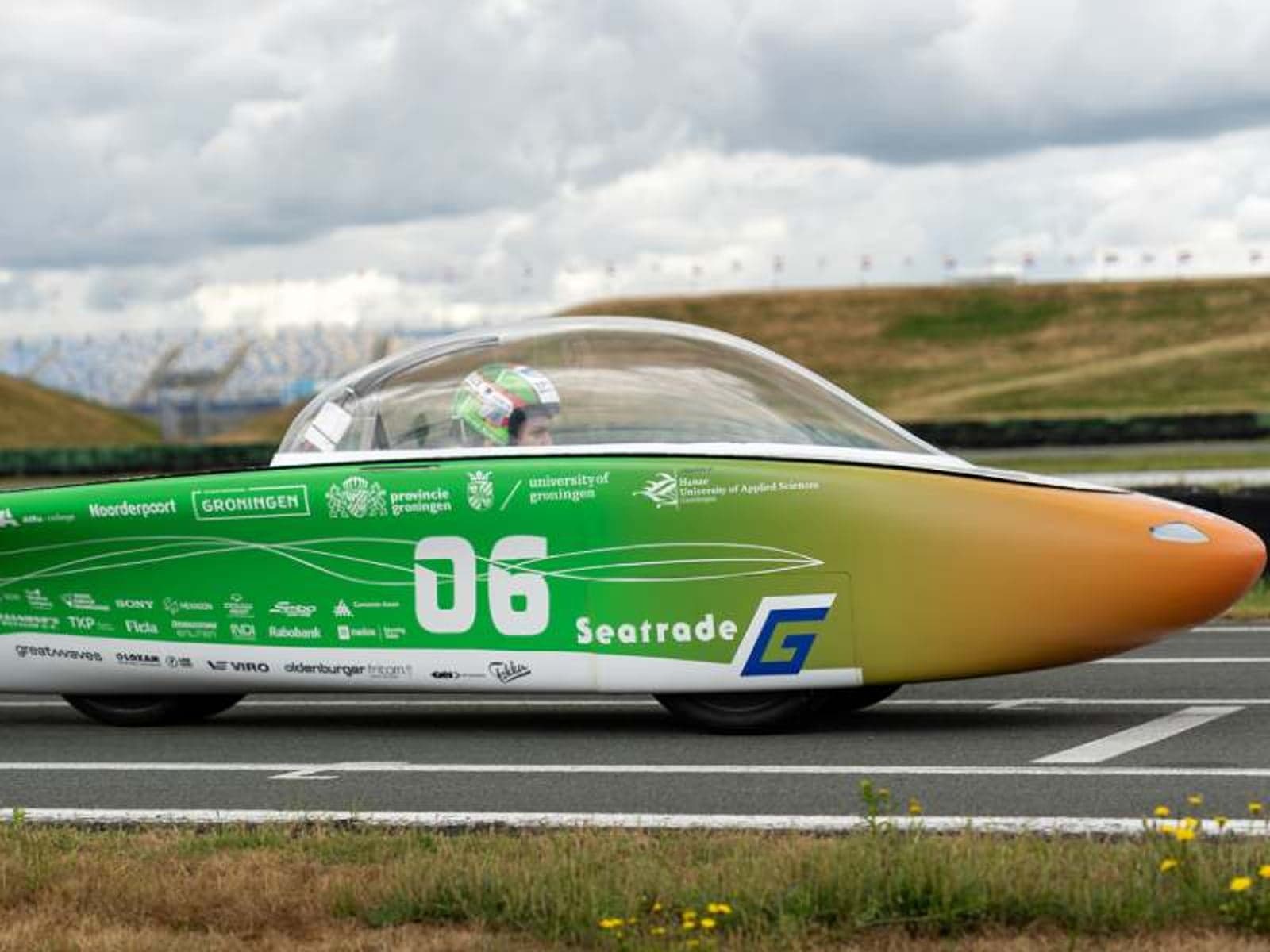
Oxford PV, an Oxford University spin-off company which develops perovskite-based solar technology has partnered with the Top Dutch Solar Racing team.
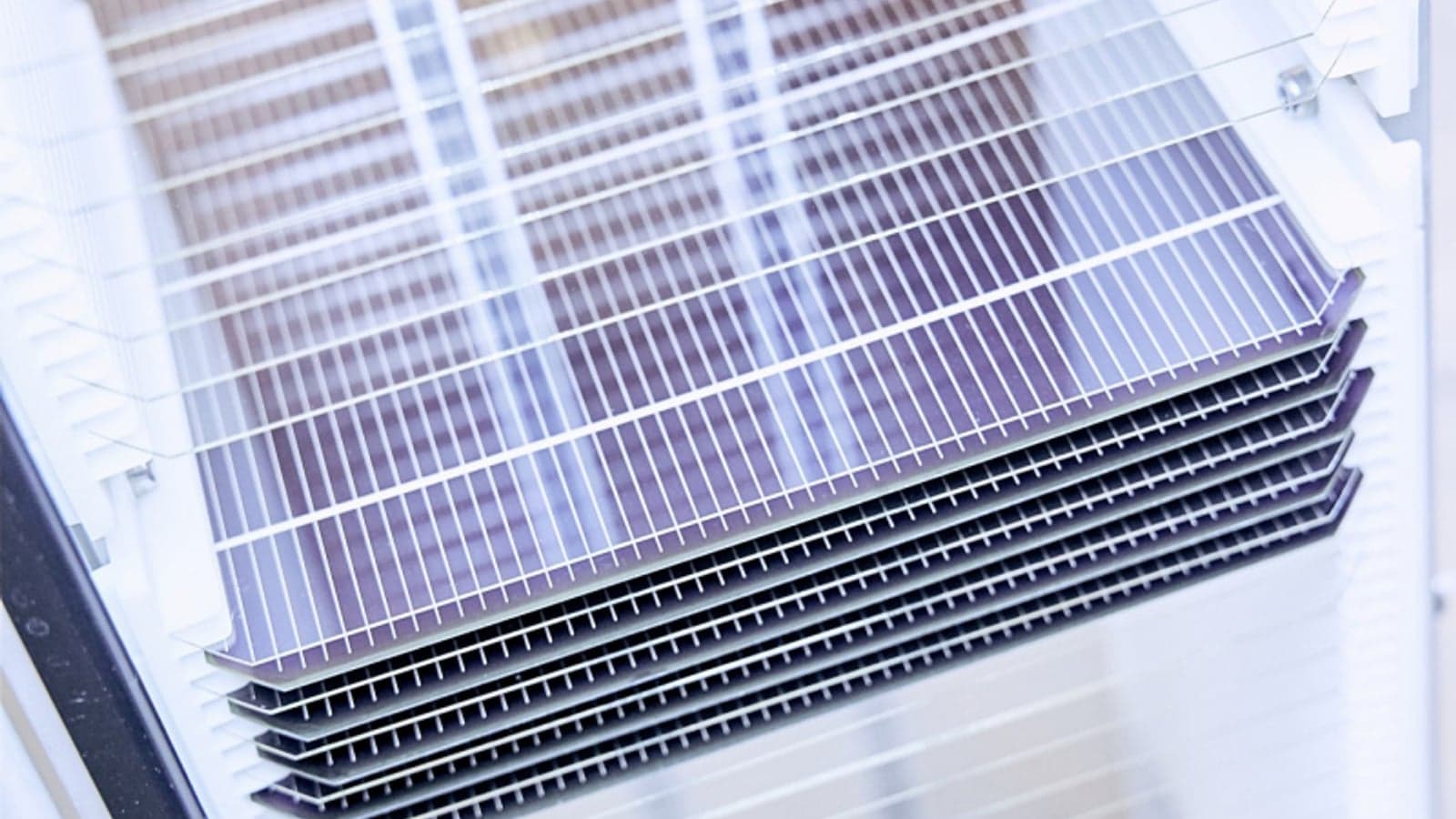
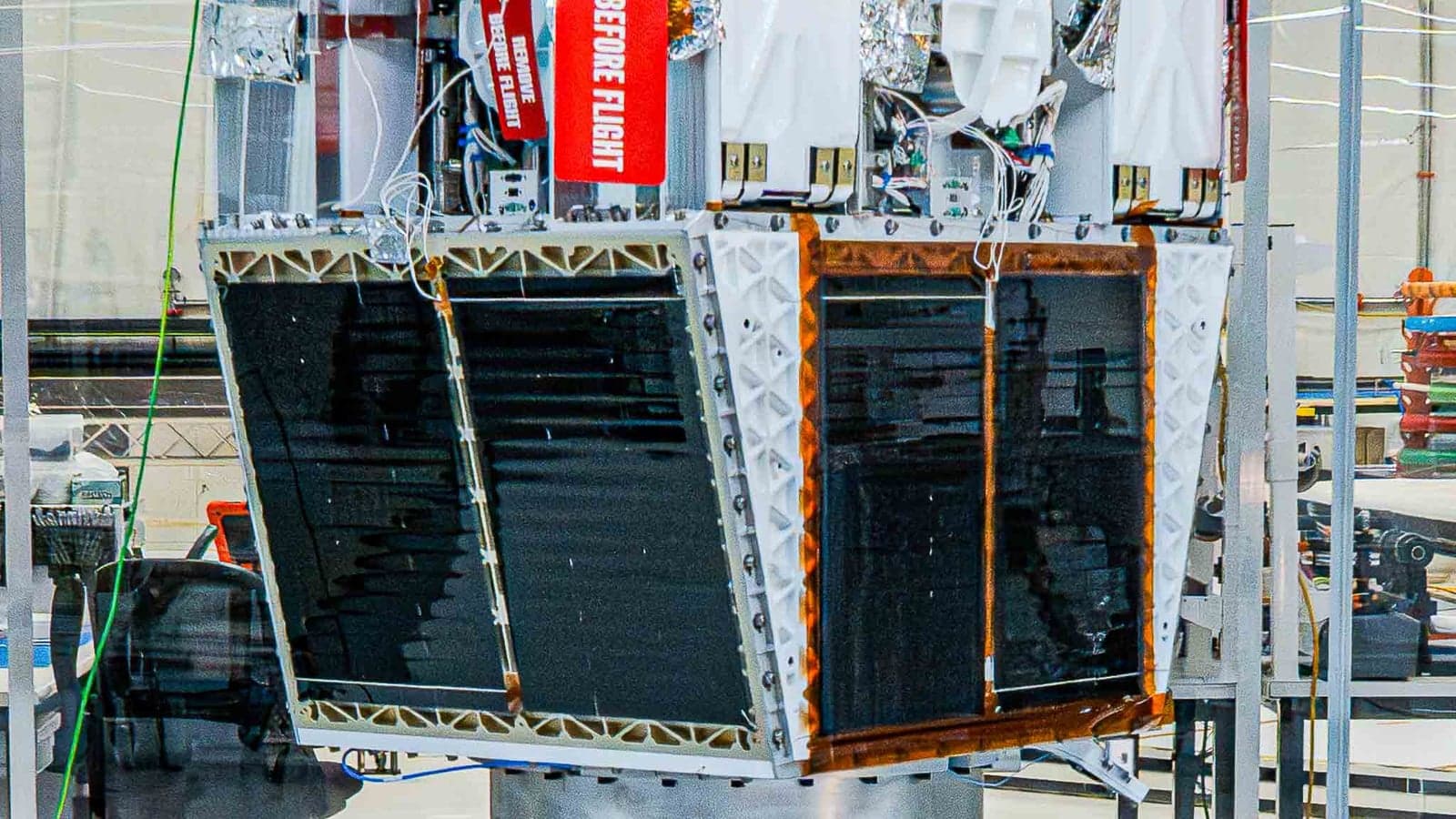
Oxford PV will provide their perovskite-on-silicon tandem solar cells for their Green Thunder race car that will be competing in the Bridgestone World Solar Challenge.
The competition is set to take place in Australia and challenges participants to travel 3000 kilometres from Darwin to Adelaide using a solar powered vehicle.
The teams mainly include tertiary and secondary students that they have designed, engineered and built themselves.
Engineers from Oxford PV and Top Dutch Solar, a multidisciplinary solar racing team from Groningen, the Netherlands, have been working together in building and testing the technology to ensure that it is ready for the racing team when they compete for the second time since 2019.
Have you read?
Five green tech innovations for power generation of the future
BayWa r.e. and SUSI Partners target rooftop solar market in Southeast Asia
According to Chris Case, chief technology officer at Oxford PV, their solar photovoltaic technology integrates with standard silicon solar cells to deliver more power in the same area.
Laura de la Fuente Esteban, photovoltaic engineer of the Top Dutch Solar Racing team, said, “Over the past year our team has been studying how to capture the suns energy as best as possible using new, innovative technologies that will allow us to compete against teams with over 10 years of experience.
"Tandem silicon solar cells from Oxford PV can outperform traditional silicon solar cells by at least 20% and represent the next big leap forward for solar power, as silicon cells approach their theoretical limits.”
First starting in 1987, the Bridgestone World Solar Challenge occurs once every two years. The challenge is said to not just be about which vehicle finishes the fastest but rather about moving towards green mobility.
Perovskite solar cells are seen as being more efficient than traditional silicon solar cells that take a lot of energy to produce and deliver 30% less power than perovskite solar cells.