Sellafield begins retrieving radioactive waste from site's oldest silo
Pamela Largue
Posted on: 18 August 2023
A milestone has been reached at Sellafield nuclear facility| with the first batch of waste successfully retrieved from the site’s oldest waste store.
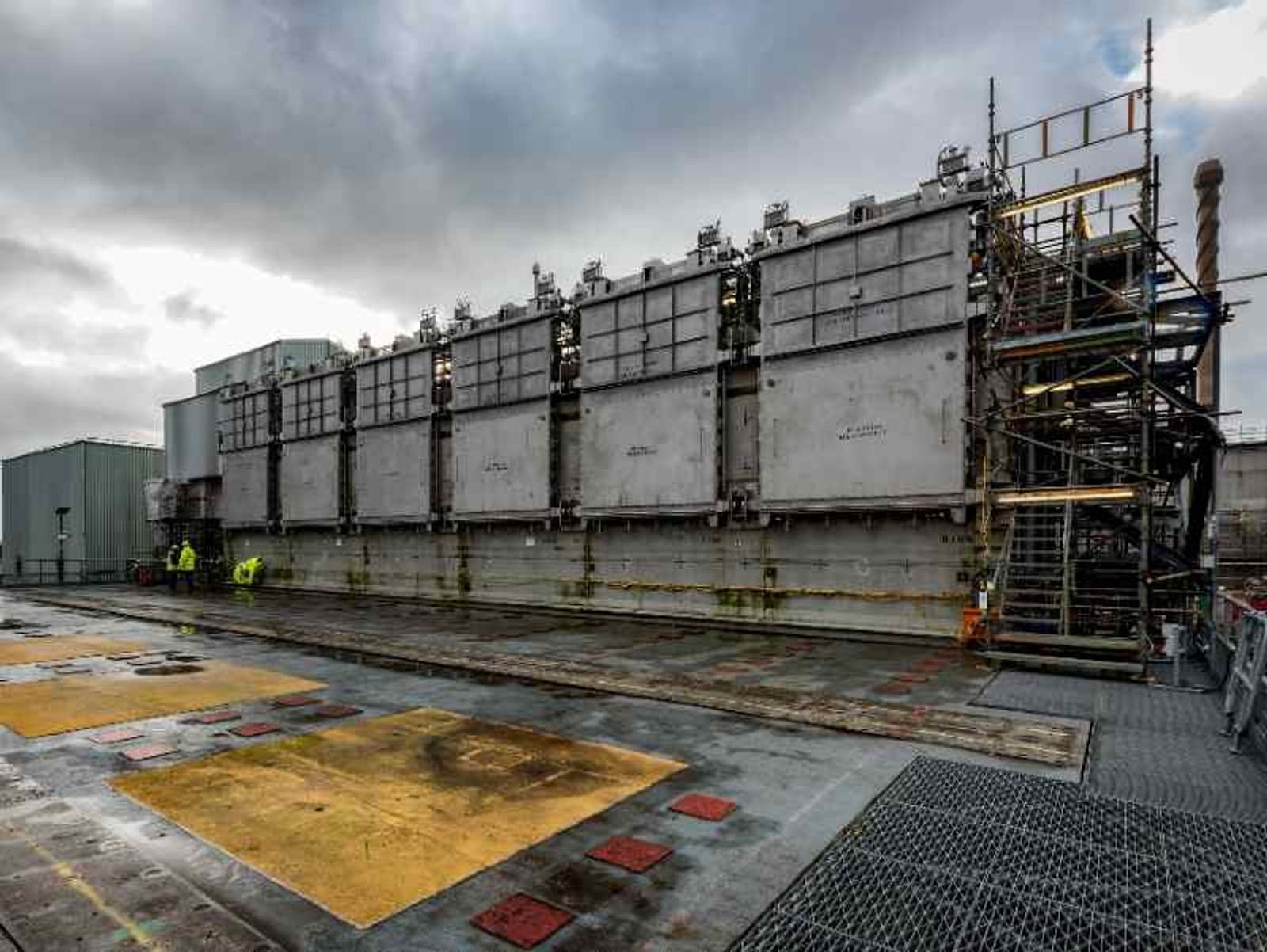
The UK's Nuclear Decommissioning Authority has announced that a milestone has been reached at Sellafield nuclear facility, with the first batch of waste successfully retrieved from the site’s oldest waste store.
It took weeks of preparation, after which the Pile Fuel Cladding Silo retrievals team gathered around the monitors in the control room of the 70-year-old plant to watch a state-of-the-art robotic arm reach into the silo to remove and repackage waste for the first time.
Sellafield, formerly known as Windscale, is a large nuclear site close to Seascale on the coast of Cumbria, England. The plant began generating power in 1956 and decommissioning and waste storage activities began in August 2022.
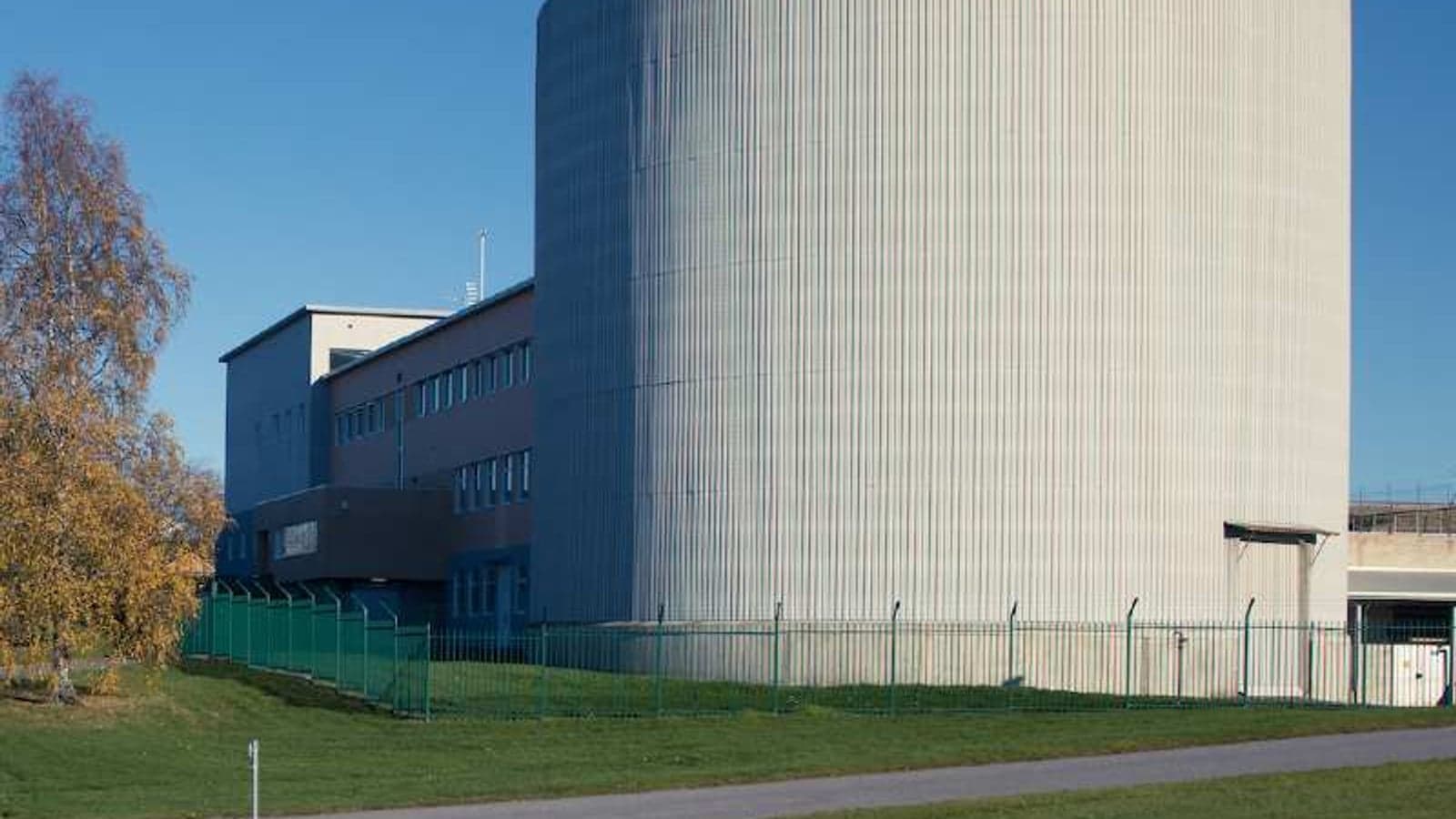
The vast concrete silo was built in the 1950s to store cladding from used nuclear fuel from the Windscale Piles. It was designed as a locked vault with no plan for how to retrieve its contents or decommission the building.
Have you read?
Unit 3 of Slovakia’s Mochovce nuclear power plant reaches 90% power
Core module instaled at China’s Linglong One modular reactor
Cladding refers to the metal casing that surrounded the uranium fuel rods that were loaded into nuclear reactors. After the rods had been used in the reactors the cladding was peeled away so the fuel inside could be reprocessed. This cladding is now classed as intermediate-level nuclear waste.
After almost 20 years of operations, the silo’s six compartments were filled and it stopped receiving waste in the early 1970s.
In the years that followed the building underwent several upgrades to ensure it could continue to store its contents safely while a plan for retrievals was developed.
A complex task
According to the Nuclear Decommissioning Authority (NDA), Sellafield represents one of the most complex and difficult decommissioning challenges in the world and one of the highest priorities.
In the last decade, a giant concrete superstructure has been built around the silo and specially engineered shield doors have been installed on each of its six compartments.
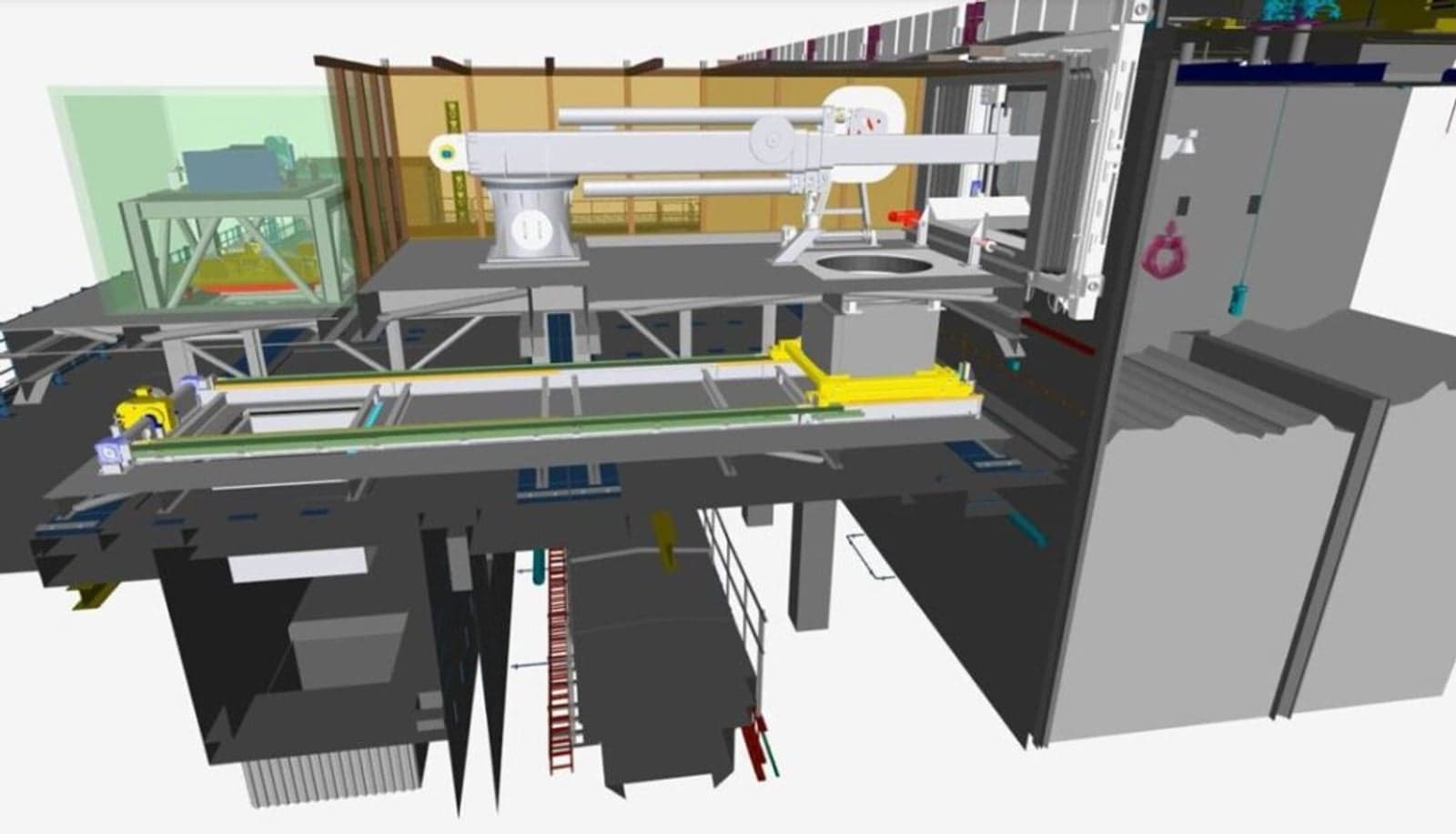
In 2017 holes were successfully cut in the top of each compartment, allowing access to the waste for the first time in 65 years.
Sellafield Ltd then installed nine large modules containing the machinery needed to empty the silo. This was done in collaboration with Bechtel and Cavendish Nuclear Solutions working together as Bechtel Cavendish Nuclear Solutions.
Successful testing of the robot grab was carried out earlier this month, paving the way for the historic achievement of the first waste retrievals from the silo.
Operators used the grab to remotely reach into the silo and pick up the waste before loading it into a specially designed stainless-steel box.
Once filled, the box will be loaded into a shielded flask and transported to a brand new, fit-for-purpose store called the Box Encapsulation Plant Product Store.
Euan Hutton, chief executive officer of Sellafield Ltd said: "This achievement means that for the first time ever Sellafield is retrieving waste from all four of our legacy ponds and silos.
"This represents the culmination of years of effort by hundreds of people throughout our organisation and contractor community. I am enormously proud of all of them."
International cooperation
A team from the US, including members from the Department of Energy's Office of Environmental Management (EM) and Sandia National Laboratories, joined the Sellafield team to test, observe and demonstrate the Spot Robot at the Sellafield Engineering and Maintenance Centre of Excellence.
The two teams were able to discuss how robotics, artificial intelligence and other emerging tools can be developed and used in nuclear cleanup operations.
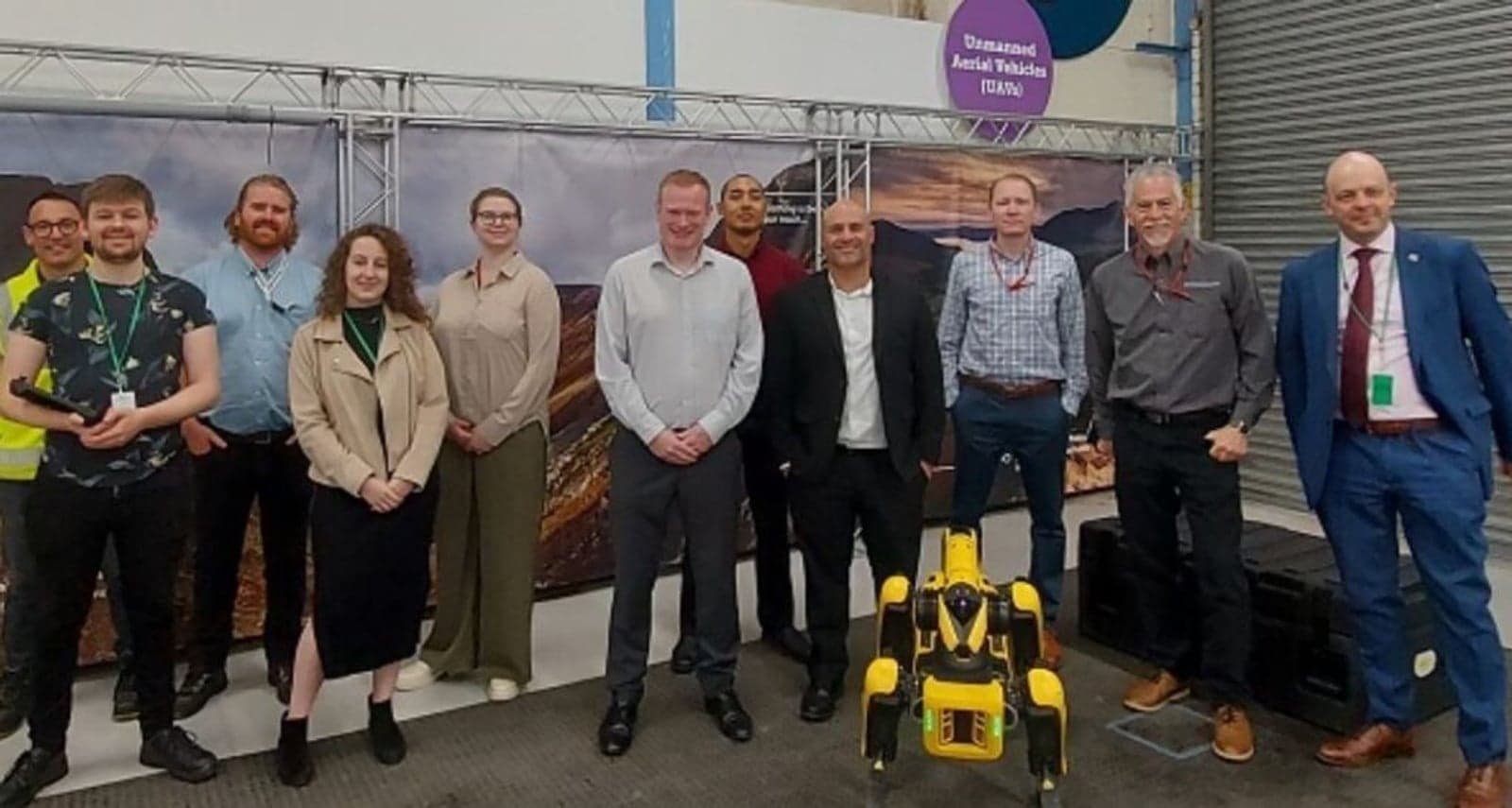
“It was great to see how the Sellafield team has successfully implemented some of these technologies, and we look forward to future discussions and collaborations where we can leverage and mutually benefit our cleanup missions,” said Jean P. Pabón, EM technology development office senior program manager.
This latest collaboration comes on the heels of a trilateral workshop focused on stakeholder engagement. The workshop included a team from Canada, the US and the UK.